









Why Do Cycling Glasses Fog Up? Causes and Simple Ways to Prevent It
Foggy cycling glasses are more than a minor annoyance. A clear view matters when you're watching the road, checking traffic, or navigating a fast descent. Yet even a good pair of cycling glasses can fog up under the right—or wrong—conditions.
The good news is that fogging is usually related to heat, moisture, airflow, and fit, rather than a problem with the lenses themselves. Once you know why it happens, it's much easier to reduce it.
1. Why Do Cycling Glasses Fog Up?
The basic reason is simple: warm, moist air meets a cooler lens surface and condenses into tiny droplets.
During a ride, your face generates heat and moisture through breathing and sweating. If that warm air becomes trapped between your face and the lenses, condensation can form on the inside of your glasses.
This is especially noticeable when you're riding hard, climbing, or wearing a helmet and other gear that keeps warm air close to your face.
The problem can become more obvious when there's a big difference between your body temperature and the outside air. Cycling glasses with large lenses can also be more susceptible if their design doesn't allow enough airflow behind the lens.
Ventilation openings are commonly used in cycling eyewear to help move air through this space and clear moisture.
So, if your glasses suddenly fog up during a climb, it's not necessarily because something is wrong with them. Your body is simply producing more heat and moisture than the airflow around the lenses can remove.

2. When Are Cycling Glasses Most Likely to Fog?
Fogging doesn't happen equally on every ride. Certain conditions make it much more likely.
During Hard Climbs
This is one of the most common situations. You're working harder, breathing more heavily, and producing more heat and sweat.
At the same time, your cycling speed may be relatively low, which means less natural airflow reaches the lenses.
That's why you might notice your glasses staying clear on a fast descent but fogging when you slow down for a long climb.
In Cool or Humid Weather
Cool mornings, humid days, and damp conditions can create a bigger temperature difference between your face and the lens.
The combination of moisture in the air and heat generated during exercise gives condensation more opportunity to form.
When You Stop Moving
You may notice fogging at traffic lights, rest stops, or the top of a climb.
While you're moving, air naturally passes around the glasses and helps remove moisture. Once you stop, that airflow drops sharply, allowing condensation to build up.
Cycling eyewear testing has also found that some lenses may mist when riders stop but clear again once movement resumes and airflow increases.
When Your Glasses Sit Very Close to Your Face
A close-fitting frame can be great for protection and stability, but it can also leave less space for air to circulate.
This doesn't mean loose glasses are better. The goal is a secure fit with enough ventilation to prevent warm air from becoming trapped behind the lenses.

3. What Features Can Help Reduce Fogging?
If fogging is a frequent problem for you, the design of your cycling glasses matters.
Look for Ventilation
Small openings or gaps around the lens can help air move through the space between your face and the lens.
Some cycling glasses use vents at the top, bottom, or sides of the lens. The exact design varies, but the purpose is the same: increase airflow and help moisture escape.
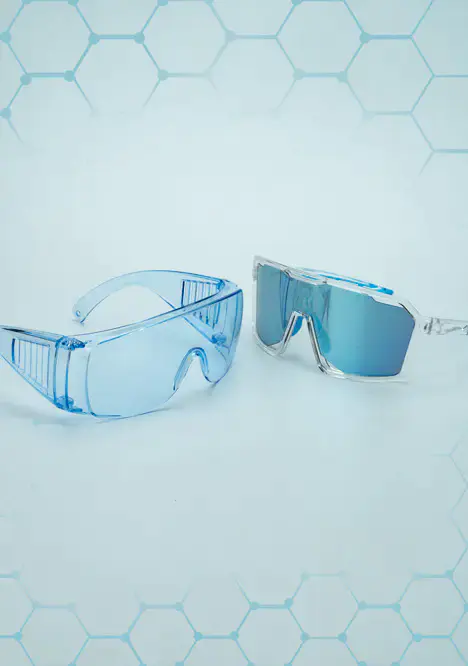
For large, full-coverage cycling glasses, ventilation can be particularly important because more of the face is covered by the lens.
Consider Anti-Fog Treatments
Some cycling lenses are treated to help reduce condensation. An anti-fog treatment doesn't mean the lens can never fog. If you're producing a lot of heat and moisture, fogging can still happen. But combined with good ventilation, it can help maintain clearer vision in challenging conditions.
Cycling glasses with dedicated anti-fog treatments and ventilation systems are commonly designed specifically to address this issue.
Pay Attention to the Fit
Fit and ventilation need to work together. A pair that's too loose may move around during a ride, while a pair that's extremely close to your face may leave less room for airflow.
Look for a frame that sits securely without pressing uncomfortably against your face and allows appropriate airflow around the lenses.

4. What Can You Do When Your Glasses Fog Up?
Even with well-ventilated cycling glasses, some situations can still cause temporary fogging. When that happens, a few simple habits can help.
Keep Moving When It's Safe
If the fog appears while you're climbing and the road conditions allow, increasing airflow can help clear the lens. This is one reason fogging may disappear naturally once you begin moving faster again.
Improve Ventilation
If you're riding slowly or stopped, creating a little more airflow around the glasses can help. You can also check whether your helmet, headband, neck warmer, or other gear is directing warm air toward the lenses.
Don't Wipe the Lenses With Your Jersey
When you see condensation, your first instinct may be to wipe it away with whatever is closest. That's not ideal. Sweat, dust, and road debris can already be sitting on the lens. Rubbing them across the surface with a jersey or other rough fabric can create unnecessary scratches.
For proper cleaning, use a clean microfiber cloth. Lens-care guidance also emphasizes avoiding rough paper products and protecting anti-fog surfaces from unnecessary abrasion.
Keep Your Lenses Clean
A dirty lens can make visibility worse even when there isn't actual condensation. Sweat, dust, fingerprints, and road grime can build up during a ride. Keeping the lenses clean helps you distinguish between a genuinely fogged lens and one that's simply covered in residue.

5. How to Choose Cycling Glasses If You Fog Up Often
If fogging happens on nearly every ride, it may be worth looking at your cycling glasses rather than simply trying to wipe the problem away.
When shopping for a new pair, pay attention to these four things:
1. Ventilation
Look for visible vents or openings designed to encourage airflow around the lenses.
2. Anti-fog features
If you regularly ride in cool, humid, or high-effort conditions, an anti-fog treatment can be useful.
3. Fit
The glasses should stay securely in place without creating an overly sealed space around your eyes.
4. Your typical riding conditions
Think about when and where you ride. Someone who mainly rides on warm, sunny roads may have different needs from someone who rides early in the morning, in humid weather, or on long climbs.
It's also worth remembering that no anti-fog feature can guarantee a completely fog-free ride in every situation. Even well-ventilated glasses can mist when you're producing a lot of heat and moisture, particularly when you're moving slowly or have stopped.
Final Thoughts
Cycling glasses fog up because warm, moist air gets trapped around a cooler lens surface. The problem is more likely during hard climbs, cool or humid weather, and periods when you're moving slowly or have stopped.
The solution isn't necessarily to find a pair that promises to "never fog." Instead, look for a combination of good ventilation, appropriate fit, anti-fog features, and proper lens care.
And if your glasses fog up occasionally during a tough climb, don't assume you've chosen the wrong pair. Sometimes, a little more airflow is all they need.


