


No Glasses or Wrong Glasses? Here's Why You'll Regret It
Do you ever squint to look at your phone, get a headache when reading, or have trouble seeing road signs while driving? Of course, it’s easy to think “I’ll just stop wearing glasses today” or to continue using old lenses that no longer fit. But here’s the thing – when you have vision problems and don’t wear glasses or take steps to get them treated, or even insist on wearing glasses with the wrong prescription, you’re setting yourself up for bigger problems. What starts as simple eye strain can turn into a serious vision problem over time, especially for children.
Short-Term Effects When You Skip Your Glasses
1. Your Eyes Tire Easily
The eyes are working extra hard without eye glasses on. Just like the way your arms get tired from lifting weights all day, your eyes get worn out from focusing all the time. This may result in headaches and tiredness of the eyes, especially with the use of phones or reading of books.
2. Everything Looks Blurry
Things are hard to see clearly: road signs look fuzzy, it gets difficult to read menus, and screens look cloudy. You find yourself squinting or moving closer to see things; you hold things far away to read them.
3. You Might Get Hurt
Poor vision contributes to the likelihood of accidents. You might miss a step on stairs, bump into things, or not see cars coming when crossing streets. Simple things, like catching things or riding bikes, become dangerous.
4. Daily Tasks Become Hard
Poor vision slows you down. Work takes longer because you can't read well. Students miss what's on the board. You may not recognize faces or catch important details. These problems make every day more difficult than it needs to be.
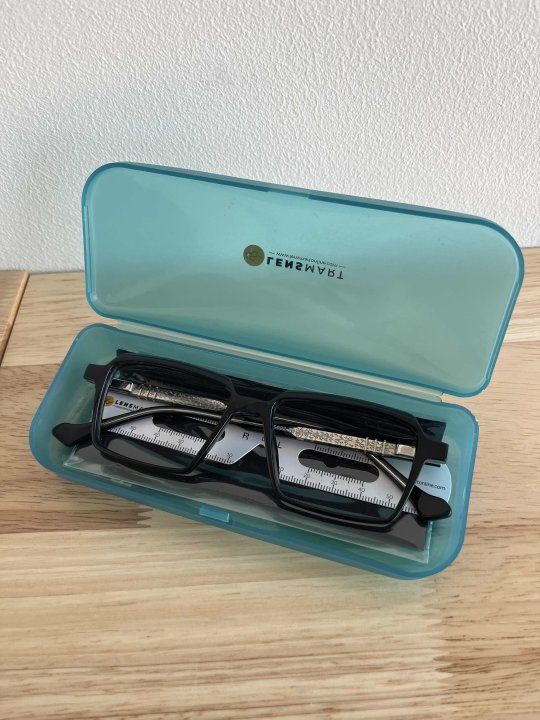
The Impact of Not Wearing Glasses in a Timely Manner for a Long Time
1. Your Eyes Get Worse Over Time
Not wearing glasses is like ignoring a crack in eye glass - the problem grows bigger. Your eye problems, such as myopia, get worse because your eyes keep working the wrong way. For kids, it's even more serious. They may develop a lazy eye in which one eye becomes weak because the brain stops using it. This can become permanent if not fixed early.
2. Children's Eyes Need Early Care
The eyes of kids are still developing and need proper care. Without needed eye glasses, their eyes won't grow right, especially during ages 0-10. They might not learn to:
● Judge distances well
● Follow moving things
● Use both eyes together
These problems often can't be fixed later.
3. Bad Vision Hurts Your Confidence
Poor vision affects your whole life. It's hard to:
● Read things in public
● Spot friends from far away
● Engage in sports or games People often give up activities they enjoy simply because they cannot see well. Students do not participate as much in class. Employees hold back at work. Simply because they are not wearing their eyeglasses.
These problems develop over time but can be prevented through the use of your glasses daily.
Problems With Wearing the Wrong Glasses
1. Wrong Glasses Make Your Eyes Tired and Give You Headaches
Like a pair of shoes that don't fit, wrong eyeglasses make your eyes work too hard. You may:
● Get headaches often
● Feel dizzy
● Have sore, tired eyes
● Feel sick when moving your head
These problems can occur because your eyes have to struggle throughout the day.
2. Wrong Glasses Make Everything Look Strange and Blurry
Wrong spectacles make everything look wrong. You might:
● See wavy lines instead of straight ones
● See double
● Have trouble reading
● Misjudge distances
● Feel that one is viewing through a curved window
Simple tasks, such as pouring drinks, become difficult.
3. Keeping Old Prescription Makes Your Vision Worse
Wearing the wrong glasses for a long time is just like exercising with poor form—it sets bad habits. Your eyes are trying to work with the wrong prescription. Which in turn can lead to your eyes getting worse, and that's why you should:
● Get eye checks every 1-2 years
● See a doctor if your vision changes
● Update your glasses when needed
Problems When Wearing Glasses Incorrectly
1. Bad Glasses Position Hurts Your Eyes and Neck
When spectacles sit wrong on your face:
● Your eyes strain to see
● You get headaches
● You might feel dizzy
● Your neck hurts from tilting your head
● You might misjudge distances
This is extra bad with special lenses like bifocals.
2. Glasses That Don't Fit Right Cause Pain and Dizziness
Glasses that don't fit right cause problems:
● Loose spectacles bounce and make you dizzy
● Tight frames hurt your ears and nose
● Pressure points cause headaches
● Skin gets sore where glasses touch
● Pain gets worse through the day
3. Broken or Scratched Glasses Harm Your Vision
Bad lenses and frames cause trouble:
● Scratches make it hard to see clearly
● Dirty lenses strain your eyes
● Bent frames cause double vision
● Your eyes get tired trying to focus
Like looking through a dirty window, it makes everything harder to see.
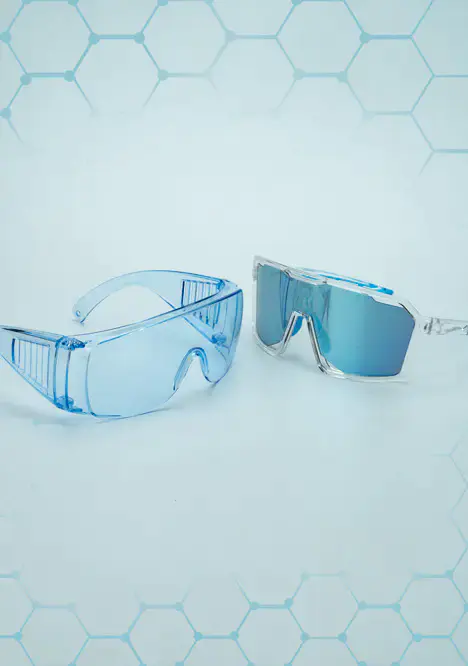
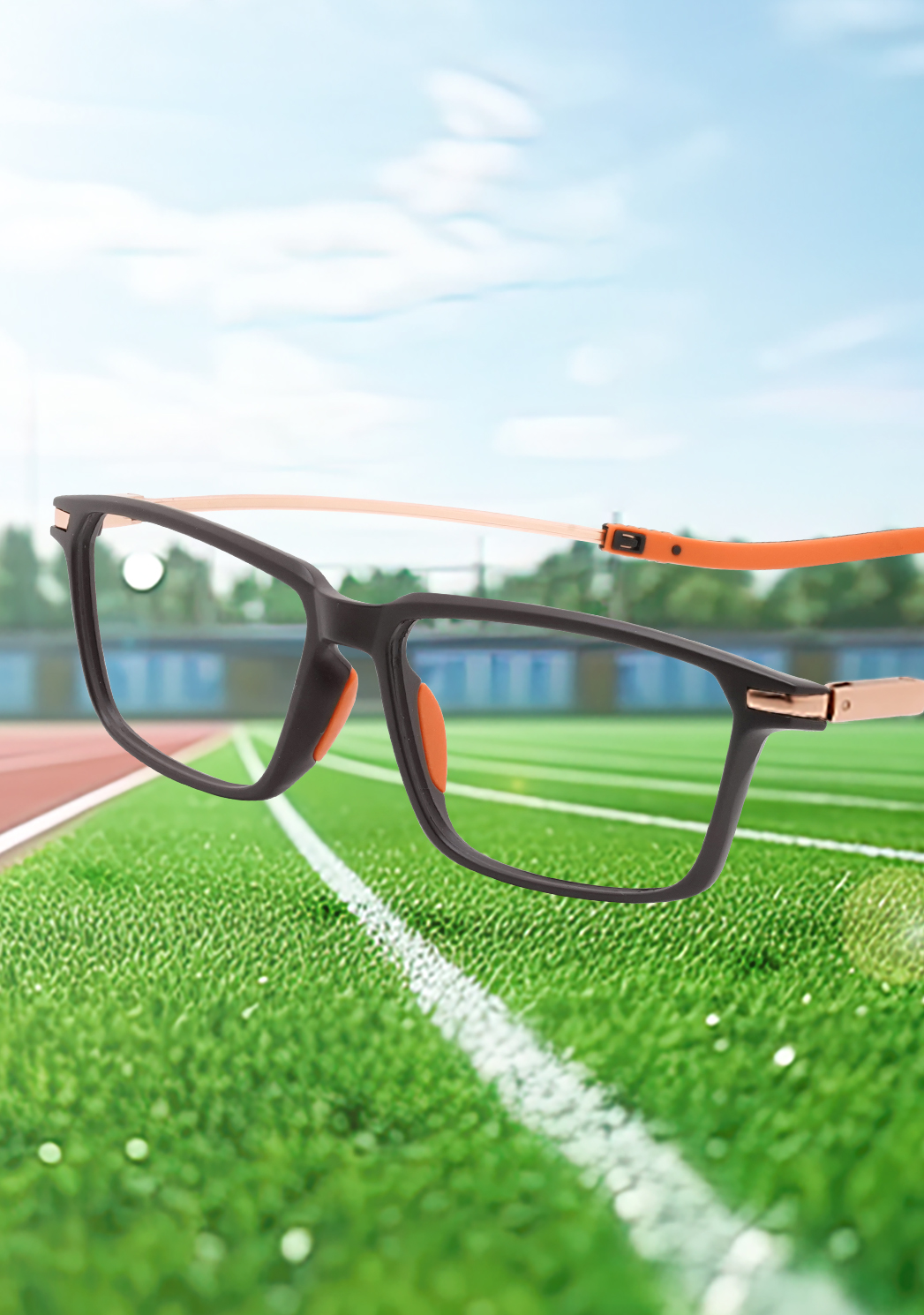
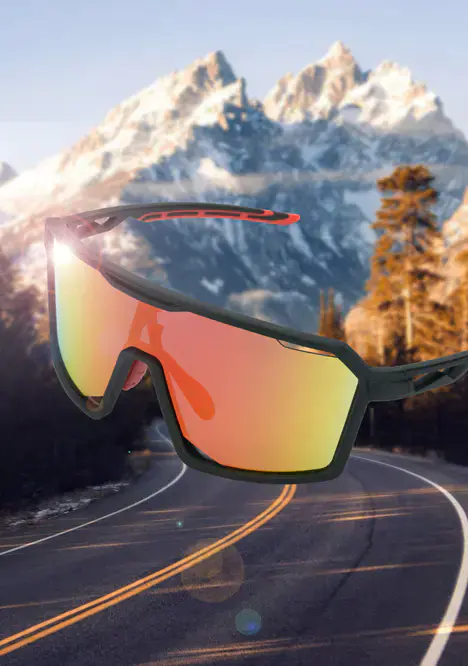
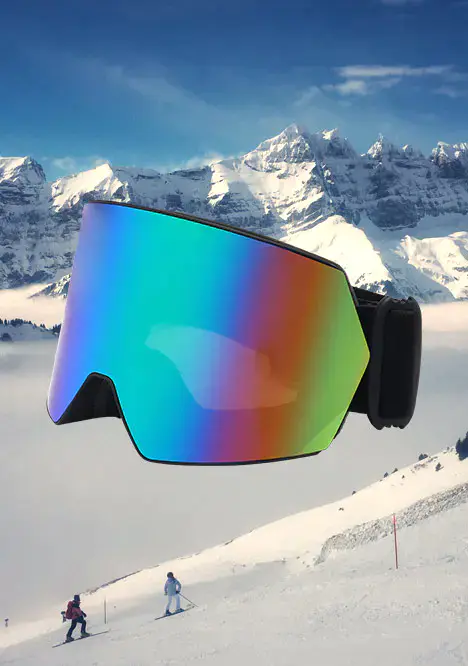
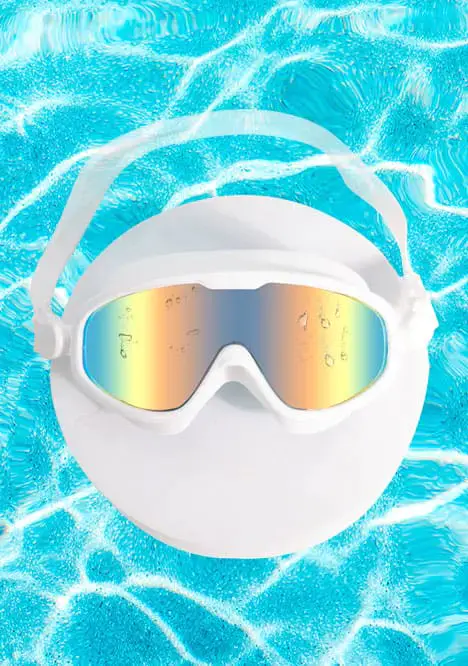
4. Using Wrong Glasses for Activities Can Hurt Your Eyes
Using regular glasses for special activities is risky:
● Swimming with glasses can cause eye infections
● Loose glasses during sports might fall off
● Sudden vision changes can cause accidents
Always use the right glasses for each activity.
Take Care of Your Eyes—Wear Your Glasses Right
Whether it's not getting eye care, keeping old prescriptions, or wearing them incorrectly, damage can accumulate over time. These problems - from minor headaches to serious vision problems - can seriously affect people's quality of life. Regular eye exams and prescription glasses are more than just good habits; they're also preventative. It's wise to update your prescription now, get treatment as recommended by your doctor, and give your eyes the care they deserve. To learn more about how to know when it's time to get new glasses, check out our guide to getting checked out on time.
FAQ: Common Questions About Wearing Glasses
Q1: Which is better: not wearing glasses or wearing the wrong prescription?
Neither is good, but wrong prescriptions are often worse. Wrong prescriptions force your eyes to work harder and can cause headaches, eye strain, and vision problems. If you can't get your correct prescription right away, it's better to go without glasses briefly than wear the wrong ones.
Q2: Do people look more attractive with or without glasses?
This is purely a personal preference. Many people find glasses attractive and stylish, while others prefer no glasses. Modern frames come in many fashionable styles that can enhance your appearance. What matters most is your confidence and comfort.
Q3: Can the wrong glasses cause red eyes?
Yes. Wrong prescriptions make your eyes work harder, leading to:
● Eye strain
● Redness
● Irritation
● Watery eyes
These are signs you need to check your prescription.
Q4: Can you train your eyes to not need glasses?
No. Eye exercises cannot fix basic vision problems like:
● Nearsightedness
● Farsightedness
● Astigmatism
These conditions need proper correction with glasses or contacts.
Q5: At what age do people stop wearing contacts?
There's no set age limit. People may switch from contacts to glasses due to:
● Dry eyes (more common after 40)
● Handling difficulties
● Eye health changes
● Personal preference
Many wear contacts successfully into their 70s and beyond.
Q6: Can you still look pretty with glasses?
Absolutely! Modern glasses can:
● Enhance your features
● Match your style
● Frame your face nicely
● Be a fashion statement
Choose frames that complement your face shape and personal style.
Q7: Can I just stop wearing glasses?
No, not if you need them. Stopping can cause:
● Eye strain
● Headaches
● Safety risks
● Vision deterioration
Continue wearing prescribed glasses to maintain eye health.
Q8: Why can I suddenly see better without my glasses?
Sudden vision changes need immediate attention. This could mean:
● Your prescription has changed
● Eye health issues
● Medical conditions
See an eye doctor right away for proper evaluation.
Q9: Do glasses change your appearance?
Yes, glasses can change how you look by:
● Framing your face
● Highlighting your eyes
● Adding style elements
● Changing face proportions
Most changes are positive when you choose the right frames.


