

Pickleball Glasses Guide: Eye Protection That Actually Stays Put
Pickleball courts are packed these days, and for good reason. This fast-paced paddle sport has taken America by storm. It combines elements of tennis, badminton, and ping-pong into one fun game. But as the ball flies back and forth at speeds up to 40 mph, many players forget one important thing: proper eye protection. Have your glasses ever slipped down mid-rally? Do you worry about a ball that might hit your face? You're not alone.

Why Pickleball Players Need Proper Eyewear
Pickleball might look casual, but it comes with real eye safety concerns. The plastic ball can reach surprising speeds, especially when players volley fast at the net. Your everyday glasses weren't made for this kind of action.
Impact protection ranks as the biggest reason to get sports-specific eyewear. A direct hit from a pickleball can cause serious eye injuries. These range from scratches on your cornea (the clear front part of your eye) to more severe damage. Regular prescription glasses often use standard plastic or glass lenses that can shatter when something hits them. This makes them potentially dangerous when you play.
The slip problem affects nearly every person who wears glasses on the court. Regular frames can't handle quick side-to-side moves, sudden stops, and the sweat that comes with a tough game. When your glasses slide down your nose during a key point, it does more than annoy you—it affects how well you play and how safe you stay.
Outdoor pickleball players face additional challenges beyond these obvious issues. UV rays (ultraviolet light from the sun) can damage your eyes over time when you play long sessions outside. Glare from bright sunlight makes it harder to track the ball. Wind and dust can also irritate your eyes, especially when you play outdoors.
Essential Features for Pickleball Eyewear
Not all sports glasses work the same way. Here's what actually matters when you choose eyewear for pickleball.
Impact-resistant lenses should be your top priority. Look forpolycarbonate materials or Trivex materials. These special plastics resist impacts up to 10 times better than standard plastic. They can take the force of a pickleball strike without breaking. This protects your eyes from both the ball and potential lens pieces.
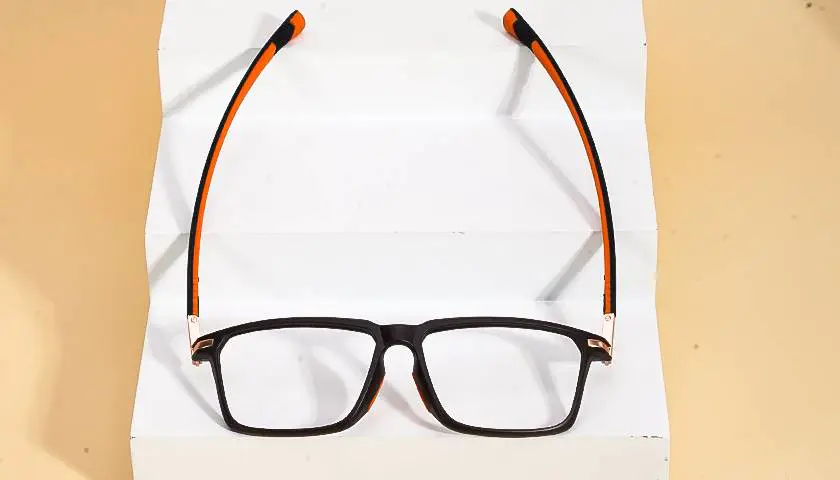
Secure, non-slip frames make all the difference in your game. The best pickleball glasses feature rubberized nose pads and temple grips. These rubber parts get stickier when they get wet. Some designs include temples you can adjust or wraparound styles that hug your head without feeling tight. The goal stays simple: your glasses should feel like part of you, not something you constantly fix.
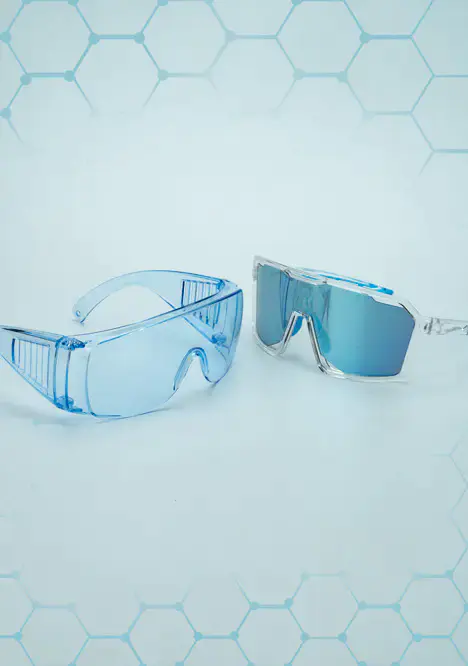
Proper coverage matters more than you might think. Wraparound designs or frames with side shields protect your eyes from hits that come from the side. They also keep out wind and debris. This becomes especially important at the net, where balls can come from unexpected angles.
Lightweight construction prevents fatigue when you play long sessions. Modern sports frames use materials like TR90 (a flexible nylon plastic) or titanium. These materials provide strength without weight. Heavy glasses can cause headaches and leave marks on your nose, especially when you play in tournaments.
Ventilation might seem minor, but it prevents the fog that can ruin your game. Look for frames with strategic airflow. You can also consider anti-fog lens coatings if you play where it gets humid.
Understanding Lens Options
The right lenses can dramatically improve how you perform on the court. Each type serves different needs:
Lens Type | Best For | Benefits | Things to Consider |
Clear | Indoor play | Pure impact protection; shows true colors; helps you read ball spin accurately under artificial lights | No sun protection; won't reduce glare outdoors |
Tinted (Gray) | Outdoor play | Reduces eye strain from bright sun; keeps colors true to life; all-around outdoor use | May be too dark for shaded court areas |
Tinted (Amber/Rose) | Outdoor play | Boosts contrast; makes white or yellow balls easier to track against varied backgrounds | Changes how you see colors slightly |
Polarized | Sunny outdoor courts | Cuts glare from court surfaces; reduces reflected light effectively | May make it harder to judge distance and ball speed; test before you buy |
Photochromic (Transition) | Players who switch between indoor/outdoor | Darkens in sunlight; clears up indoors; adapts to light changes | Takes time to adjust when you move environments; costs more |
Prescription | Players who need vision correction | Single-vision works for most; progressive/bifocal helps older players who need different focus zones | May cost more; requires accurate prescription |
Frame Styles That Work for Pickleball
Different frame designs suit different players and preferences. Each style offers unique advantages.
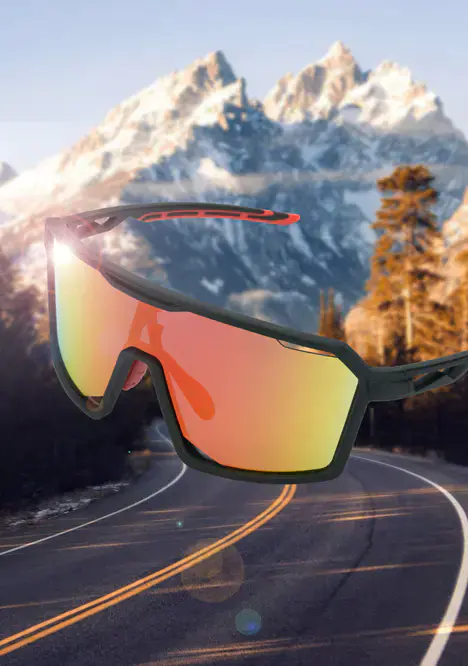
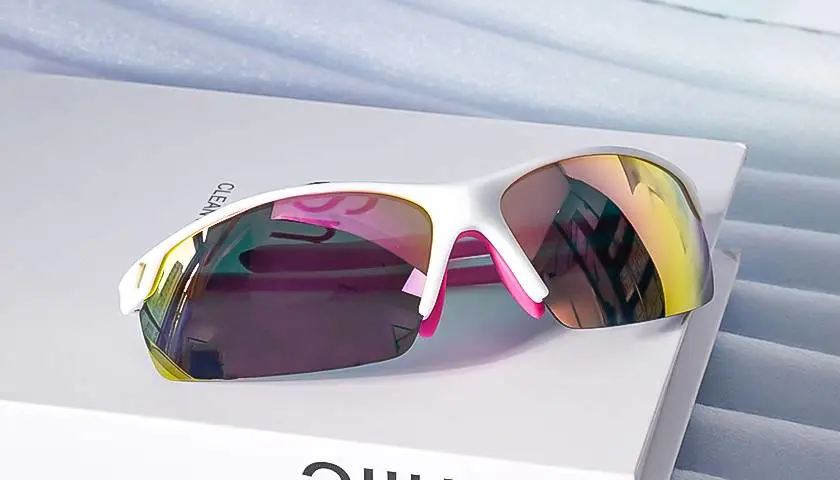
Wraparound frames offer maximum protection and a secure fit. They curve around your face and provide side coverage. You get a locked-in feel during aggressive play. The snug fit prevents slips but may feel restrictive to some players at first.
Semi-rimless designs balance protection with a lighter feel. These frames skip the full bottom rim. This reduces weight and can improve your view when you look down. This helps when you move quickly across the court.
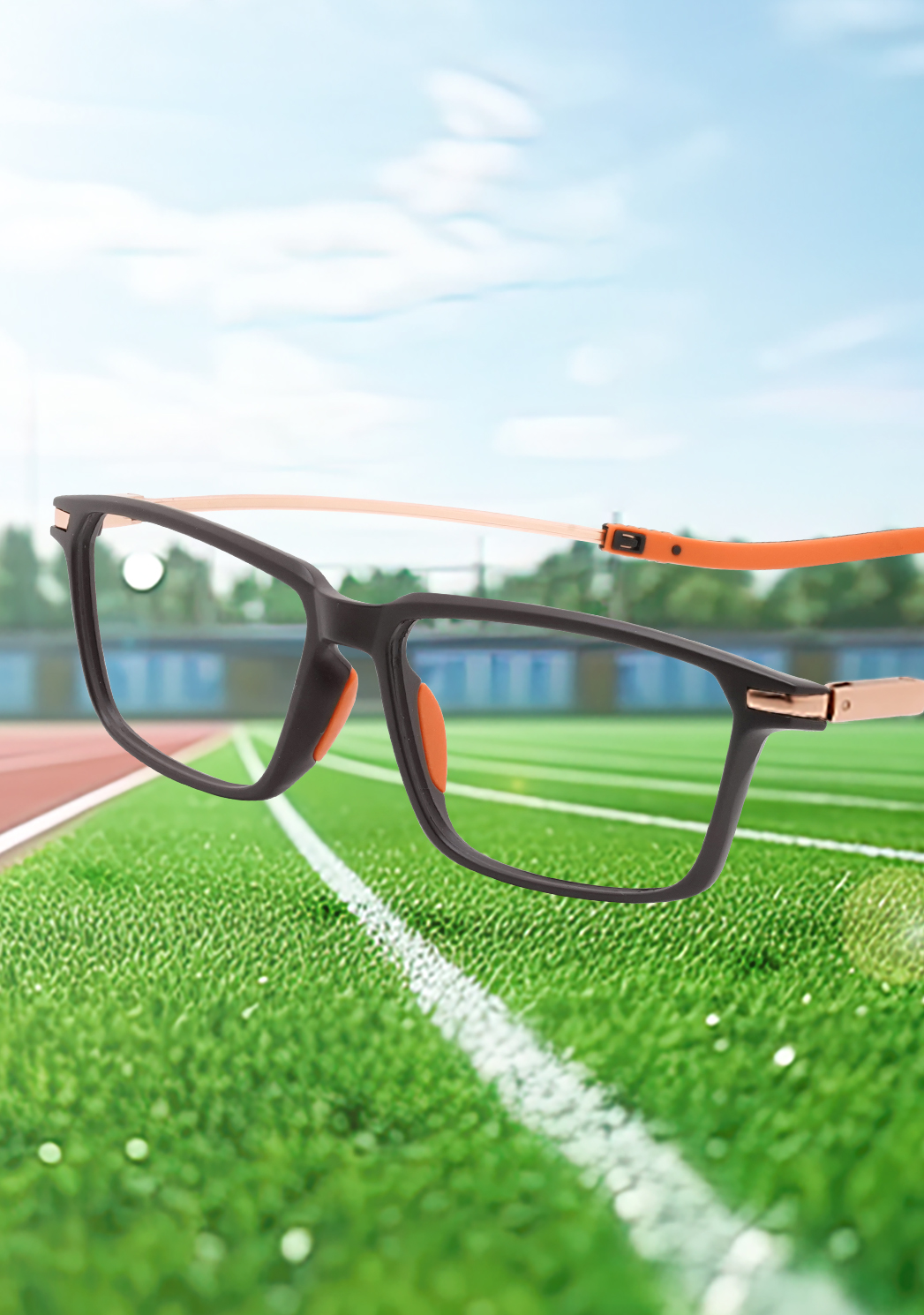
Sport-specific rectangular frames with rubberized parts strike a middle ground. They look more like regular glasses but include the grip and stability features you need for athletic performance.
Strap-compatible frames allow you to attach a retention strap for extra security. This works well for aggressive players who make lots of dive saves. It also helps if you simply want peace of mind that your glasses won't fly off.
How to Fit Your Pickleball Glasses Properly
Even the best eyewear won't help if it doesn't fit correctly. Pay attention to these key measurements.
Temple length should allow the arms to curve comfortably around your ears without pressure. Too-short temples create painful spots, while too-long ones let the glasses slide forward.
Nose bridge width matters for stability. The frame should rest evenly on your nose without pinching or leaving gaps. Many sports glasses offer nose pads you can adjust to get the perfect fit.
Frame width should match your face size. Frames that are too wide will slide around, while too-narrow frames create uncomfortable pressure on your temples. This can cause headaches.
Lens height affects your field of vision. Make sure you can see the court clearly when you look in all directions. This includes down at your feet when you move quickly.
How to Care for Your Sports Eyewear
Proper care extends the life of your pickleball glasses and keeps them at peak performance.
Clean lenses regularly with a microfiber cloth and lens cleaner made for sports eyewear. Avoid your shirt or paper towels—they can scratch coatings over time. After sweaty games, rinse the entire frame with lukewarm water to remove salt deposits.
Store them safely in a hard case when you're not on the court. Toss them loose in your pickleball bag and you're asking for scratches and bent frames. A quality case protects your investment between games.
Check the fit from time to time. Screws can loosen over time, and nose pads may need adjustment. Most optical shops will tighten screws and adjust frames for free, even if you didn't buy from them.
Replace scratched lenses rather than live with impaired vision. Deep scratches can't be buffed out. They will affect your ability to track the ball clearly.
Additional Tips for Players Who Wear Glasses
A few extra steps can make your time on the court more comfortable:
● Bring a backup pair if you play in a tournament or travel for pickleball. Glasses can break, and you don't want equipment failure to end your play time.
● Use an anti-fog spray or wipes before you play, especially in humid conditions. Apply them according to product instructions for best results.
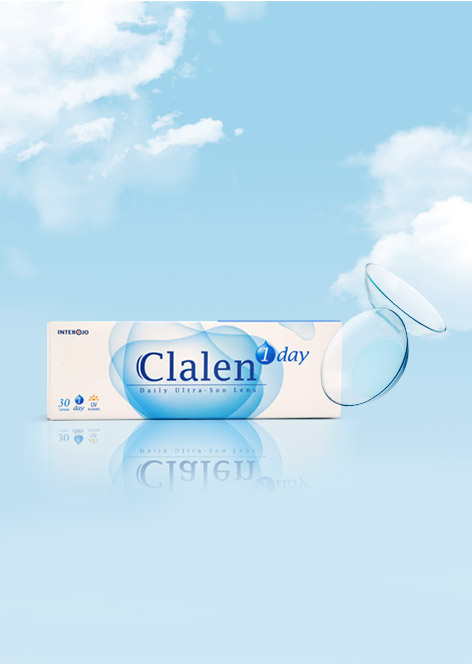
● Consider contact lenses as an alternative for some situations. Many players find contacts plus non-prescription sports sunglasses offer maximum flexibility. This depends on your comfort level with contacts.
● Attach a retention strap even if your frames feel secure. It's cheap insurance against an unexpected collision or awkward fall.
Final Thoughts
Pickleball is too much fun to let vision concerns hold you back. The right eyewear protects your eyes, stays in place during intense rallies, and might even improve your game by helping you see the ball more clearly. Whether you play for fun or compete in tournaments, proper sports eyewear ranks as one of the smartest decisions you can make for both safety and performance.
At Lensmart, we understand that active lifestyles require eyewear that keeps up. Explore our collection of sports glasses designed to combine protection, comfort, and style—because you shouldn't have to choose between clear vision and your best play.


