
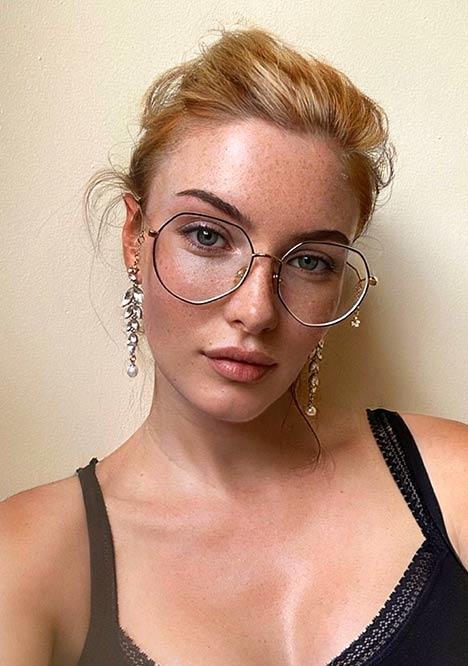
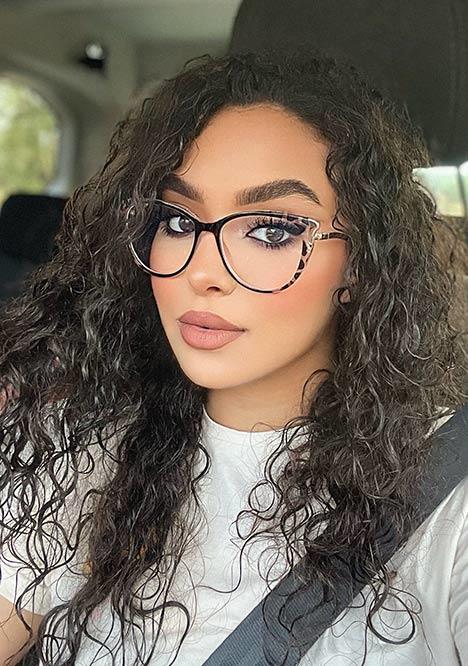


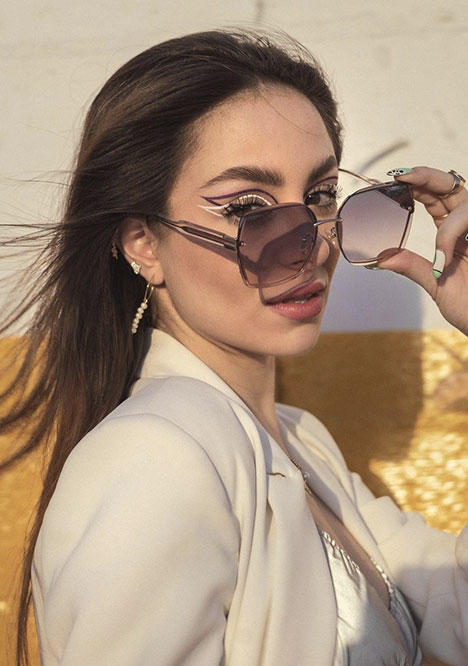


The Resurgence of 70s and 90s Sunglass Fashion
Fashion is cyclical, and right now, the dial is firmly set to retro. From the runways to the streets, the bold, expressive shapes of the past are making a powerful comeback, and nowhere is this more evident than in eyewear. Two decades, in particular, are dominating the scene: the glamorous, oversized drama of the 1970s and the sleek, minimalist rebellion of the 1990s.
These aren't just sunglasses; they're statements. They evoke a feeling, a mood, and an attitude. Whether you're drawn to the sun-soaked freedom of the 70s or the edgy coolness of the 90s, there's a vintage-inspired frame waiting to redefine your look. This guide will walk you through the key styles of each era, how to wear them today, and the modern technical standards you should never compromise on.
The Soul of the 70s: Oversized and Audacious
The 1970s were a decade of doing things big. Big hair, big collars, and even bigger sunglasses. This era was defined by a sense of glamorous rebellion and sun-drenched optimism, and its eyewear was the perfect accessory. Forget subtlety; 70s sunglasses were designed to be seen.
Key Characteristics:
- Massive Silhouettes: The most iconic shapes are the large square, the butterfly, and the soft-edged aviator. These frames provide significant coverage, often extending to the eyebrows and cheekbones.
- Warm Tones: Lenses were frequently tinted in warm, gradient shades of brown, amber, and sunset orange. These colors not only looked cool but also enhanced contrast, making them comfortable for all-day wear.
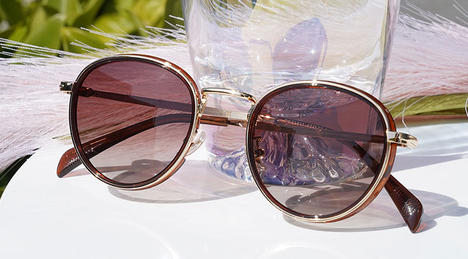
- Acetate & Metal: Frames were crafted from chunky acetate in tortoiseshell and earthy tones, or from thin, polished gold or silver-tone metal, adding a touch of luxe disco-era flair.

Styling 70s Sunglasses Today
The beauty of the oversized 70s frame is its versatility. It can instantly elevate a simple outfit or be the final touch on a maximalist look.
- For a Casual Vibe: Pair oversized square frames with high-waisted, wide-leg jeans and a simple tucked-in tee. The large frames balance the volume of the pants, creating a cohesive and effortlessly cool silhouette.
- For an Elevated Look: Style butterfly or aviator sunglasses with a flowy maxi dress or a tailored jumpsuit. The glasses add a dose of star power and sophistication.
- The Pro Tip: Let the glasses be the star. With a frame this bold, you can keep your other accessories minimal. The sunglasses are the main event.
The Edge of the 90s: Sleek, Small, and Rebellious
After the excess of the 80s, the 1990s ushered in an era of cool, pared-back minimalism and counter-culture attitude. Sunglass styles shrunk dramatically, shifting from oversized shields to barely-there frames that were more about attitude than coverage.
Key Characteristics:
- Micro-Frames: Tiny ovals, sharp rectangles, and rimless styles were dominant. These frames sat high on the nose, often leaving eyebrows exposed.
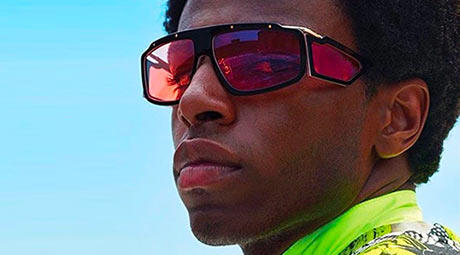
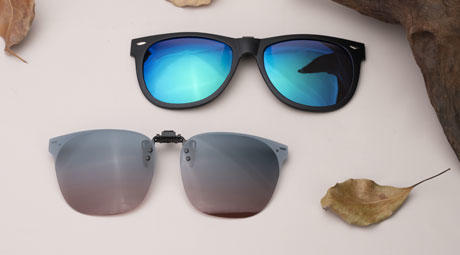
- Cooler Palettes: Lens colors shifted to solid, darker tints like black, gray, and deep blue. Mirrored lenses also gained popularity, adding an enigmatic, futuristic feel.
- Minimalist Materials: Thin, lightweight metal frames in silver, gunmetal, or matte black were the standard, reflecting the decade's sleek, industrial aesthetic.

Styling 90s Sunglasses Today
The sharp, clean lines of 90s eyewear complement modern trends perfectly. They add a precise, intentional edge to any outfit.
- Streetwear Ready: Small rectangular frames are the perfect match for cargo pants, hoodies, and chunky sneakers. It’s a look that’s both nostalgic and completely current.
- Effortless Chic: Pair tiny oval glasses with a slip dress and a leather jacket for a look that channels 90s supermodel off-duty style.
- Monochromatic Power: These frames look particularly striking with an all-black or all-white outfit, allowing the sharp silhouette of the glasses to pop.
Beyond the Look: Modern Protection in a Retro Package
While vintage styles provide the aesthetic, modern lens technology provides the essential health benefits. A common and dangerous myth is that the darkness of a lens is what protects your eyes. In reality, a dark lens without proper UV filtering can be more harmful than wearing no sunglasses at all. As experts at the MD Anderson Cancer Center warn, dark lenses cause your pupils to dilate, which can allow even more damaging UV radiation to enter your eye if a protective filter isn't present.
The Non-Negotiable Standards:
- 100% UV or UV400 Protection: This is the gold standard. Look for a label that explicitly states "100% protection against UVA and UVB" or "UV400." This means the lenses block all light rays with wavelengths up to 400 nanometers. The American Academy of Ophthalmology (AAO) emphasizes this as the most crucial feature to look for.
- Impact Resistance: Modern sunglasses sold in the U.S. must meet impact-resistance standards set by the FDA. This is a significant safety advantage over true vintage pieces, which may have glass lenses that can shatter.
- Quality Materials: Today's polycarbonate lenses have UV protection inherent in the material itself, not just a coating that can scratch off over time. This ensures durable, long-lasting protection.
A Practical Guide to Choosing Your Retro Frame
Finding the perfect pair of retro sunglasses involves balancing the vintage aesthetic with a comfortable fit and your personal needs.
Face Shape and Frame Size
| Frame Style | Best Suited For | Considerations |
|---|---|---|
| 70s Oversized | Oval, Heart, and Long face shapes. | Can overwhelm smaller faces. Look for styles that don't extend too far past the widest part of your face. |
| 90s Small/Micro | Round and Square face shapes. | The sharp angles of rectangular frames can add definition to rounder faces, while small ovals can soften a square jawline. |
Expert Warning: Prescriptions and Retro Frames
A common issue customers face is unexpected lens thickness, especially with retro styles. Here are some insights from optical professionals:
- 90s Micro-Frames & High Prescriptions: If your prescription is stronger than ±3.00 D, be cautious with small 90s frames. The smaller lens shape provides less room to hide edge thickness, which can be visually distracting. To combat this, always opt for high-index lenses (1.61 or higher). As explained by Ferris State University's College of Optometry, these materials bend light more efficiently, allowing the lens to be made significantly thinner and lighter.
- 70s Metal Frames: While thin metal frames are stylish, they offer less coverage for thick lens edges compared to chunkier acetate frames. If you have a strong prescription and love the 70s aviator look, consider a frame with a slightly thicker rim profile. For more tips, explore our guide to choosing frames for high prescriptions.
Wrapping Up: Your Style, Your Story
The return of 70s and 90s sunglasses offers an exciting way to play with your personal style. The 70s bring drama, glamour, and a free-spirited energy, perfect for making a bold statement. The 90s deliver a sharp, minimalist edge, ideal for a refined and confident look.
Whichever era you choose to channel, the most important decision is to prioritize modern protective standards. Embrace the retro aesthetic, but insist on contemporary lens technology that offers full UV400 protection. By combining the best of past styles with the best of present-day safety, you can confidently express yourself while keeping your eyes safe for years to come.
Disclaimer: This article is for informational purposes only and does not constitute medical advice. Please consult with a qualified eye care professional for any concerns about your vision or eye health.
References:
- American Academy of Ophthalmology (AAO): Choosing the Best Sunglasses
- MD Anderson Cancer Center: 9 things to know about sunglasses, eye protection and cancer
- Mayo Clinic: Why sunglasses are a must-wear
- Ferris State University College of Optometry: high Index Lenses
- U.S. Food & Drug Administration (FDA): Impact-Resistant Lenses: Questions and Answers


