










Acetate vs TR90 Frames: Which Glasses Material Is Right for You
Acetate brings rich color, satisfying weight, and a premium feel that people have loved for decades. TR90 is the lightweight, nearly indestructible alternative that has quietly taken over the market. Choosing between them is not about which one is better. It is about which one fits your life.
Quick Reference: Acetate vs TR90 at a Glance
Acetate | TR90 | |
Weight | Medium to heavier | Very lightweight |
Durability | Good, can crack under impact | Excellent,flexible and impact-resistant |
Color Options | Extensive, rich patterns and textures | More limited, mostly solid tones |
All-Day Comfort | Good, may need adjustments over time | Excellent, adapts to face shape naturally |
Premium Feel | High, classic and substantial | Medium, clean and modern |
Best For | Style-focused, everyday wear | Active lifestyle, long wear sessions |
What Acetate and TR90 Actually Are
Acetate
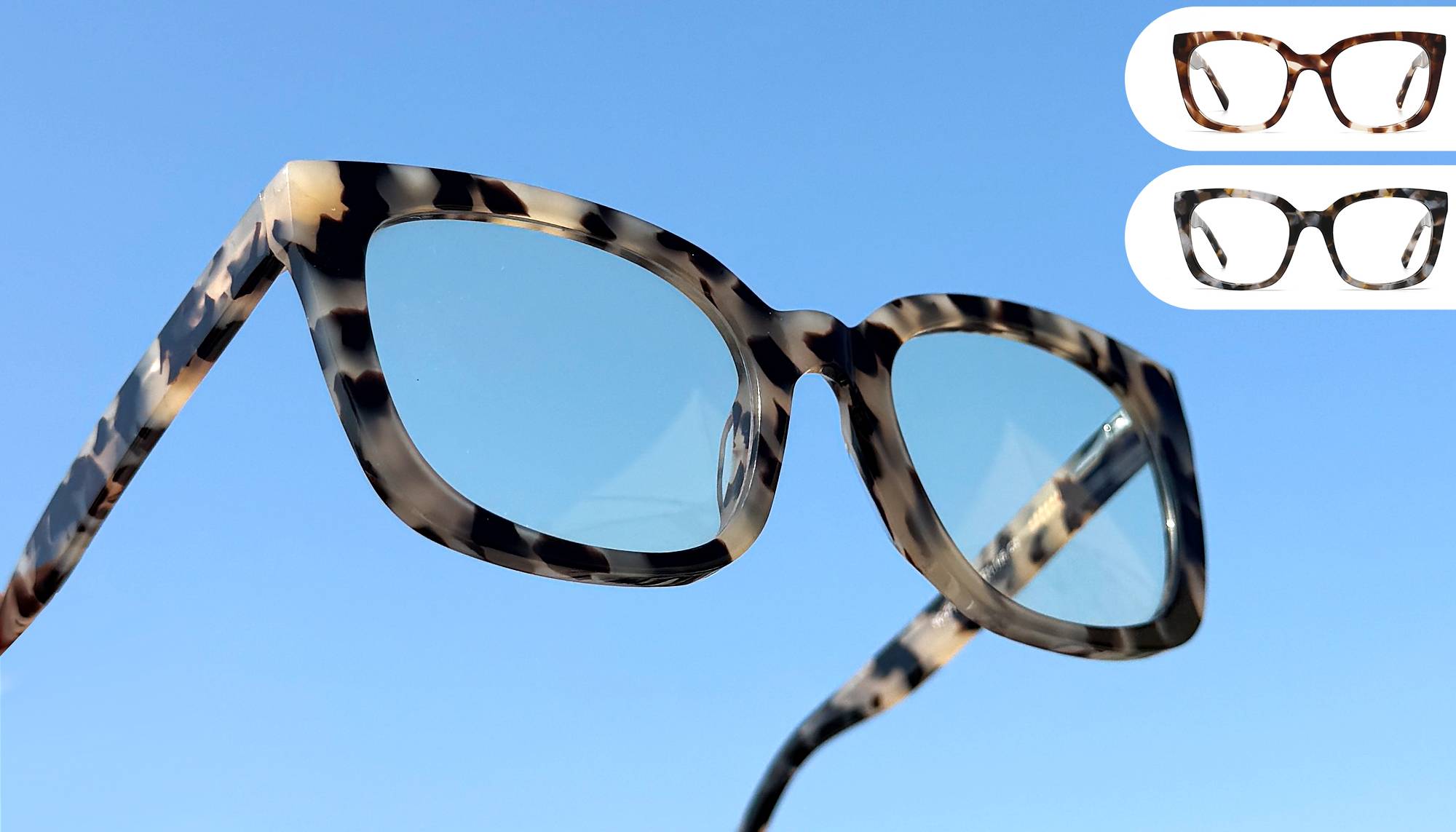
Acetate is a plant-based plastic derived from cotton and wood pulp. It has been used in eyewear for decades because it takes color and texture better than almost any other material.
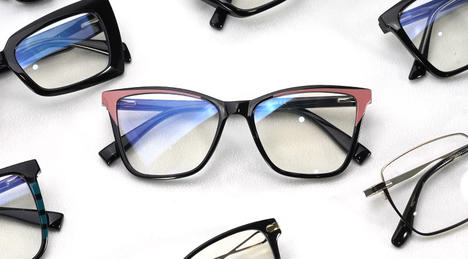
The result is frames that come in deep tortoiseshell patterns, layered gradients, translucent finishes, and bold two-tone combinations that cheaper materials simply cannot replicate. It also has a satisfying density to it. When you pick up an acetate frame, it feels substantial in a way that communicates quality.
TR90
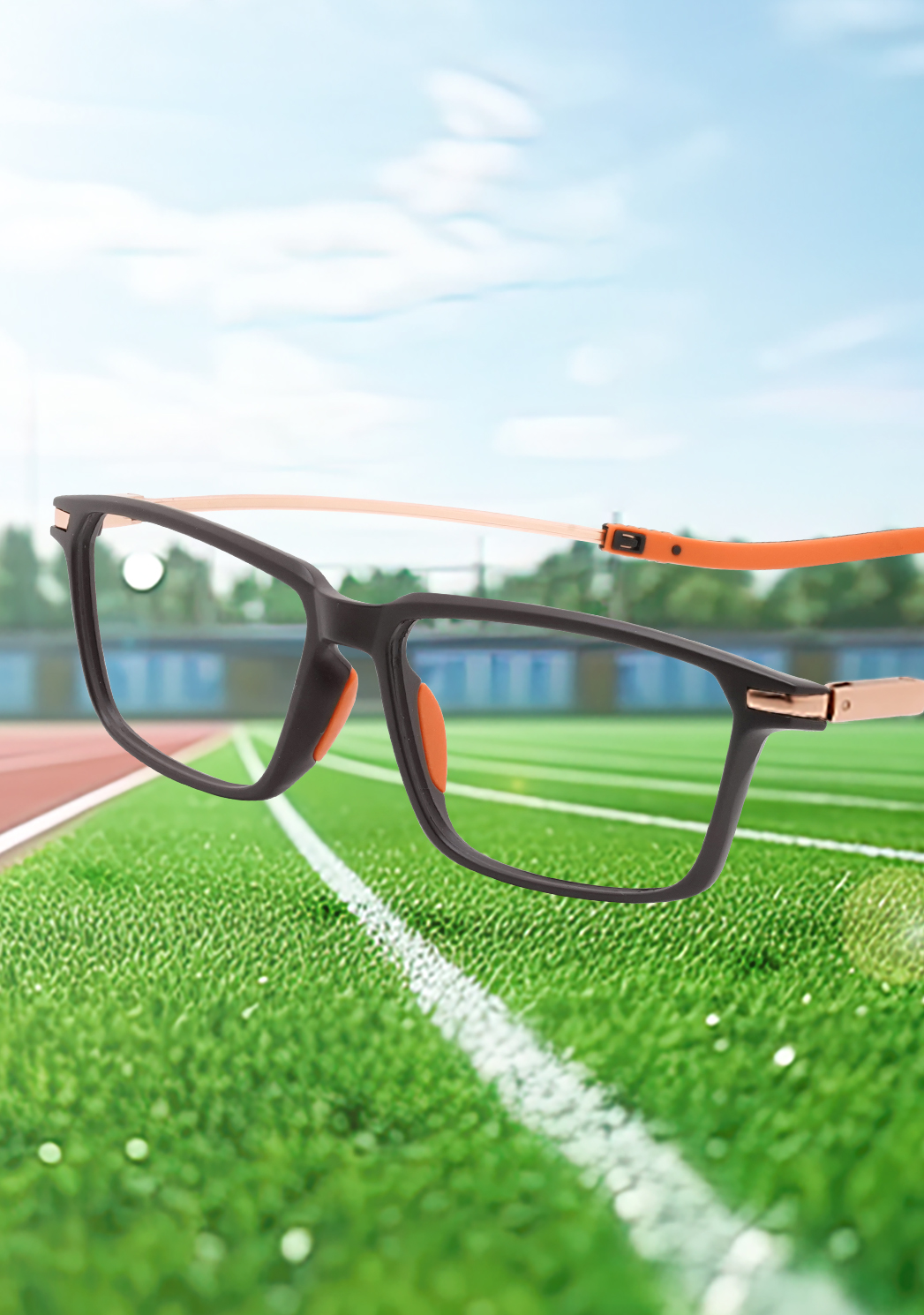
TR90 is a nylon-based thermoplastic widely used in performance eyewear for its flexibility and durability. It is extremely lightweight, highly flexible, and resistant to impact in a way that acetate is not.
In practice, it bends without breaking, holds its shape under stress, and sits comfortably on the face for hours. It is the material of choice for people who prioritize function alongside style.
How Each Material Feels After a Full Day
Acetate
Acetate frames have more weight to them. For some people, that feels grounding and premium. For others, especially those wearing glasses all day at a desk or in front of a screen, that weight accumulates.
By the end of the day, a heavier frame can leave noticeable pressure on the nose bridge and behind the ears. Acetate is also more rigid, so if the fit is not right from the start, you may need an optician to adjust it.
TR90
TR90 frames feel almost weightless by comparison. They flex naturally with the contours of your face, which means they tend to feel comfortable right out of the box.
If you regularly forget you are wearing your glasses, there is a good chance they are TR90. A strong choice for long work hours, frequent travelers, or anyone who wears glasses during physical activity.
Which One Holds Up Better Over Time
Acetate
Acetate is a solid, long-lasting material under normal use. It holds its shape well and ages gracefully.
The risk comes with impact or stress: acetate can crack or snap if dropped on a hard surface, and it is sensitive to heat. Leaving acetate frames in a hot car or near a direct heat source can cause warping.
TR90
TR90 is considerably more forgiving. Its flexibility means it absorbs impact rather than cracking under it. You can drop a TR90 frame, sit on it, or toss it in a bag without the same anxiety.
It also handles temperature changes better. For anyone with an active lifestyle, kids, or a habit of being less than gentle with their belongings, TR90 is the more practical long-term choice.
Style and Color: Where They Are Very Different
Acetate
Acetate is the clear winner on color and texture variety. The material absorbs dye in a way that allows for deep, layered patterns that look almost handcrafted.
Tortoiseshell, translucent, gradient, bold two-color combinations — this is natural territory for acetate. If you see glasses as a genuine fashion accessory and want your frames to make a statement, acetate gives you far more to work with.
TR90
TR90 frames tend to come in cleaner, more streamlined colorways: blacks, greys, nudes, and occasional solid color pops. Polished and modern, but without the same visual richness.
For people who prefer a minimal, unfussy aesthetic, that restraint is actually the point. TR90 frames in a neutral tone let the face and the outfit do the talking.

How to Choose Based on Your Lifestyle
The right material depends on how you actually live. Here is a straightforward way to think about it.
Choose acetate if:
● Color variety and visual depth are a priority
● You want frames that feel substantial and premium
● You primarily wear glasses in everyday, low-impact settings
● You enjoy having multiple pairs for different looks
Choose TR90 if:
● All-day comfort is your top priority
● You have an active lifestyle or wear glasses during exercise
● You want a lightweight frame you can forget is there
● Durability and low-maintenance matter more than pattern variety
Lensmart carries both acetate and TR90 frames across a wide range of styles, shapes, and price points. If you are not sure which feels right, the virtual try-on tool on the site is a good starting point before you commit.
Conclusion
Acetate and TR90 are both excellent materials, built for different priorities. Acetate rewards people who care about color, texture, and that classic premium feel. TR90 is for people who want to wear their glasses all day and barely notice them. Knowing which camp you fall into makes the decision a lot easier.
FAQ
Q1: I have sensitive skin and metal allergies. Which material is safer?
Both acetate and TR90 are generally hypoallergenic and skin-friendly, which is one reason plastic frames are often recommended over metal for people with sensitivities. TR90 has a slight edge: it is a more inert material with fewer additives, and its flexibility means less friction and pressure against the skin. If you have had reactions to frame materials before, TR90 is usually the safer starting point.
Q2: Can acetate frames be adjusted if they do not fit right?
Yes. An optician can adjust acetate frames using gentle heat, which makes the material temporarily pliable enough to reshape. This is one of acetate's underrated advantages: with the right adjustment, you can get a very precise, customized fit. TR90 frames are more self-adjusting due to their flexibility, but harder to reshape intentionally if you need a specific fit modification.
Q3: Will TR90 frames look cheap compared to acetate?
Not necessarily. Perceived quality comes down to design, finish, and fit far more than material alone. A well-designed TR90 frame in a clean colorway looks modern and intentional. Where acetate has a genuine visual edge is in pattern complexity: tortoiseshell, marbled, and layered finishes are harder to achieve in TR90. For solid-color frames, most people cannot tell the difference.
Q4: I wear glasses during workouts. Which material should I go with?
TR90 is the clear choice for active use. Its flexibility means it moves with your face rather than against it, which reduces slipping and pressure during physical activity. It is also impact-resistant enough to handle being dropped or jostled without cracking. Acetate can work for light activity, but it is not built for the repeated stress of regular exercise.


