








Using Allergy Eye Drops with Daily Contacts Safely
TL;DR: Using Allergy Drops with Daily Contacts
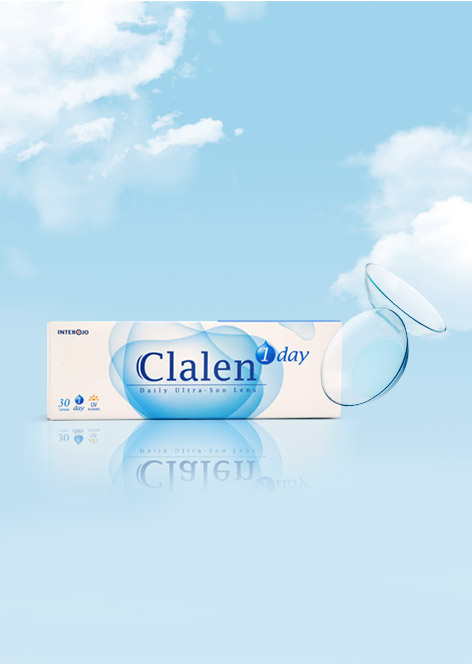
Yes, you can use allergy eye drops with daily disposable contacts, but only if you follow specific safety rules. The best choice is preservative-free artificial tears or antihistamine drops specifically labeled as safe for contact lenses. Never use "redness-relief" drops with your lenses in. For maximum comfort and safety during allergy season, switching to daily disposable lenses is a strategy highly recommended by eye care professionals, as it prevents allergen buildup.
Allergy season can feel like a battleground for your eyes, especially when you wear contact lenses. The constant itching, watering, and redness can turn the convenience of contacts into a daily source of frustration. You find yourself asking: Can I use my allergy eye drops without taking my lenses out? The answer is a critical one for your eye health.
This guide provides a clear, evidence-based framework for safely managing allergy symptoms with daily disposable contact lenses. We’ll explore which drops are your allies, which to avoid, and the proper techniques to keep your eyes clear and comfortable.
Why Allergies and Contact Lenses Are a Bad Combination
Contact lenses, particularly monthly or bi-weekly ones, can act like tiny sponges for airborne allergens like pollen, dust mites, and pet dander. These particles stick to the lens surface throughout the day, holding irritants directly against your cornea. This constant exposure can trigger a more intense and prolonged allergic reaction.
Furthermore, your eye's natural response to allergens involves releasing proteins and lipids into your tear film. These substances can bind to the surface of a contact lens, creating deposits. This buildup not only makes the lenses feel gritty and uncomfortable but also attracts even more allergens, creating a vicious cycle of irritation. This is why many eye care professionals advise patients to switch to daily disposable lenses for 2–4 weeks during peak allergy season. Starting with a fresh, sterile lens each morning eliminates the risk of cumulative allergen and protein buildup, providing significant relief from red-eye complaints.

The Golden Rules: Safe vs. Unsafe Eye Drops for Contact Wearers
Not all eye drops are created equal. Using the wrong type with your contact lenses can lead to severe irritation, damage your lenses, and even increase your risk of eye infections. The single most important rule is to read the product label. If it doesn't explicitly state it is "for use with contact lenses" or "compatible with contact lenses," you should not put it in your eyes while wearing them.
Here’s a breakdown of the different types of drops and their compatibility with daily disposables.
Understanding Eye Drop Formulations
To make the right choice, it's essential to understand the ingredients and purpose of different eye drops. Some are designed for lubrication, while others contain potent medications that can interact negatively with soft lens materials.
Common Misconception Debunked: Many people believe that any "lubricating" or "redness-relief" drop is safe for contact lenses. This is a dangerous myth. Redness-relieving drops often contain vasoconstrictors (like tetrahydrozoline or naphazoline) that shrink blood vessels. While they temporarily make the eye look less red, they don't solve the underlying problem and can cause "rebound redness," where the eyes become even more bloodshot once the drop wears off. According to clinical experience, repeated use of these drops is a high-risk factor for chronic irritation in contact lens wearers.
Another critical factor is the presence of preservatives. Chemicals like benzalkonium chloride (BAK) are common in multi-dose bottles to prevent bacterial growth. However, these preservatives can be absorbed by soft contact lens materials, where they concentrate over time and can become toxic to the cornea, causing significant irritation and dryness.
Eye Drop Compatibility Checklist
Use this table as a quick guide for choosing the right drops. When in doubt, always remove your lenses or consult your eye doctor.
| Drop Type | Safe with Contacts? | Key Considerations |
|---|---|---|
| Rewetting Drops | Yes (if labeled for contacts) | Specifically formulated to lubricate and rehydrate lenses. Helps flush out minor irritants. |
| Antihistamine/Mast-Cell Stabilizer (Preservative-Free) | Yes (often the best choice) | These are the safest and most effective option for allergy relief with contacts. The single-use vials eliminate preservative-related irritation and contamination risk. |
| Antihistamine (with "Gentle" Preservatives) | Maybe (check label carefully) | Some newer formulations use preservatives that are less likely to accumulate in lenses. Only use if the package explicitly says it's compatible with soft contacts. |
| "Redness-Relief" (Decongestant) | No (Avoid while wearing) | High risk of rebound redness, can mask serious issues, and the active ingredients are not designed for lens interaction. |
| Standard Lubricant Drops | No (Remove lenses first) | Drops not made for contacts may contain oils or other ingredients that can cloud or damage your lenses. |
How to Use Eye Drops Correctly with Daily Disposables
Proper technique is just as important as choosing the right product. Following these steps will ensure you get the relief you need without compromising your eye health or the integrity of your lenses.
-
Always Wash Your Hands: Before touching your eyes or contact lenses, wash your hands thoroughly with soap and water. This fundamental hygiene step is crucial for preventing eye infections, as highlighted by the Centers for Disease Control and Prevention (CDC).
-
Read the Label (Every Time): Formulations can change. Confirm that the drops are safe for use with soft contact lenses. If they are preservative-free single-use vials, they are generally the safest bet.
-
Follow the "Remove First" Rule: If a drop’s packaging instructs you to "remove contact lenses before using," you must follow it. This usually applies to prescription drops or non-compatible over-the-counter products. A reliable rule of thumb from optometrists is to wait at least 10–15 minutes after instilling the drops before reinserting your daily disposables. This allows the medication and its vehicle to dissipate from your tear film.
-
Master Your Makeup Routine: According to the U.S. Food and Drug Administration (FDA), you should always insert contact lenses before applying makeup and remove your lenses before washing your makeup off. This prevents makeup particles from getting trapped under the lens.
-
Don't "Top Off" Solution: This applies if you ever use reusable lenses. Never top off old solution in your lens case with new solution. Always discard the old solution completely, rinse the case with fresh solution, and let it air dry. For daily disposable wearers, this problem is eliminated entirely.

Why Daily Disposables Are Your Best Ally During Allergy Season
While using the right drops is key, the type of contact lens you wear plays an enormous role in managing allergies. Eye care professionals are increasingly prescribing daily disposable lenses as a primary strategy for allergy sufferers for several evidence-backed reasons.
- A Fresh Start Every Day: The most significant advantage is starting each day with a brand new, perfectly clean lens. This completely prevents the day-over-day accumulation of pollen, proteins, and other irritants that plague users of monthly or bi-weekly lenses. A study on "problem" patients who were refitted into daily disposables found a significant reduction in symptoms of dryness and corneal staining, demonstrating their therapeutic benefit.
- Elimination of Contamination Risks: Daily disposables eliminate the need for lens cases and cleaning solutions, which can be breeding grounds for bacteria. Research has shown that reusing daily disposables, even for a single day, leads to massive contamination. One study found that 95% of reused daily lenses stored in their original blister packs were contaminated with bacteria like Staphylococcus. By throwing the lens away each night, you sidestep this entire category of risk.
- Ultimate Convenience and Comfort: If a particular day is bad for pollen and your eyes feel overwhelmed, you have the simple option of removing your lenses, discarding them, and wearing glasses for the rest of the day. There is no financial or emotional guilt about throwing away a "perfectly good" monthly lens that has become too irritating to wear.
Key Takeaways: Your Action Plan for Allergy Season
Navigating allergy season as a contact lens wearer doesn't have to be a miserable experience. By adopting a safety-first mindset and the right products, you can maintain clear, comfortable vision.
- Prioritize Preservative-Free: Whenever possible, choose allergy or rewetting drops that come in single-use, preservative-free vials. They are the safest option for any contact lens wearer.
- Avoid "Redness-Relief" Drops: Steer clear of any drop marketed to "get the red out." These products can cause rebound redness and mask more serious problems.
- Respect the "Remove First" Rule: If a label says to take your lenses out before using the drop, wait 10-15 minutes after application before putting them back in.
- Embrace Daily Disposables: Consider switching to daily disposable lenses, at least during your peak allergy months. The clinical consensus is that they are the superior choice for minimizing allergy-related contact lens discomfort.
Frequently Asked Questions (FAQ)
Can I use my prescription allergy eye drops with contacts? It depends entirely on the specific medication. Most prescription drops are not approved for use directly with contact lenses. You should follow your doctor's instructions precisely, which will almost always involve removing your lenses, instilling the drops, and waiting a set amount of time before reinsertion.
What's the difference between rewetting drops and allergy drops? Rewetting drops are designed to add moisture and lubricate your contact lenses, improving comfort. They do not contain medication. Allergy drops contain active pharmaceutical ingredients, like antihistamines, that block the body's allergic response to triggers like pollen.
How can I tell if an eye drop is preservative-free? Preservative-free drops are almost always packaged in a connected strip of small, single-use plastic vials. The outer box will also prominently state "preservative-free." Multi-dose bottles, by necessity, contain preservatives to remain sterile after being opened.
Disclaimer: This article is for informational purposes only and does not constitute professional medical advice. Always consult with a qualified eye care professional for any health concerns, before starting or stopping any treatment, or to determine the right products for your specific needs. Do not disregard professional medical advice or delay in seeking it because of something you have read here.


