





Surviving Allergy Season with Daily Disposables
Itchy, Watery, and Irritated: The Allergy Season Challenge for Lens Wearers
For millions of contact lens wearers, the arrival of spring and fall is a mixed blessing. While the weather is beautiful, the air becomes saturated with pollen and other allergens that can turn comfortable lens wear into a daily struggle. If you experience redness, itching, and a persistent feeling that there’s something in your eye, you’re not alone.
These symptoms occur because contact lenses, especially traditional monthly or bi-weekly lenses, can act like microscopic sponges. Allergens from the air and in your tears accumulate on the lens surface throughout the day and week. Over time, this buildup of inflammatory proteins and pollen not only causes significant irritation but can also lead to more serious conditions like Giant Papillary Conjunctivitis (GPC), where bumps form under the eyelid.
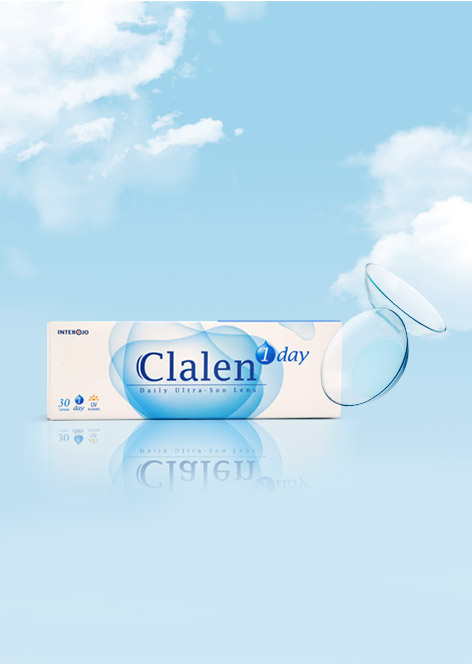
This is where daily disposable lenses change the game. By providing a fresh, sterile lens every single morning, they offer a powerful strategy for breaking the cycle of allergen buildup and irritation. This guide will walk you through why daily disposables are the superior choice for allergy sufferers and provide a practical, expert-backed plan to keep your eyes comfortable all season long.
The Daily Disposable Advantage: A Fresh Start Every Day
The fundamental benefit of daily disposable contact lenses is simple but profound: you start each day with a brand new, perfectly clean lens, free from the irritating deposits of the previous day. This single change can dramatically reduce allergy-related eye discomfort.
Eliminating Allergen Buildup
Unlike reusable lenses that require a rigorous cleaning and disinfecting routine, daily disposables are worn once and then discarded. This completely sidesteps the problem of biofilm and deposit accumulation. Even the best cleaning solutions can’t always remove 100% of the pollen, dust, and protein deposits that adhere to a lens. Research on refitting patients with previous issues into daily disposables shows a significant clinical improvement. A study published in Optometry and Vision Science found that switching "problem" patients from reusable to daily disposable lenses led to a measurable reduction in symptoms of dryness and corneal staining.
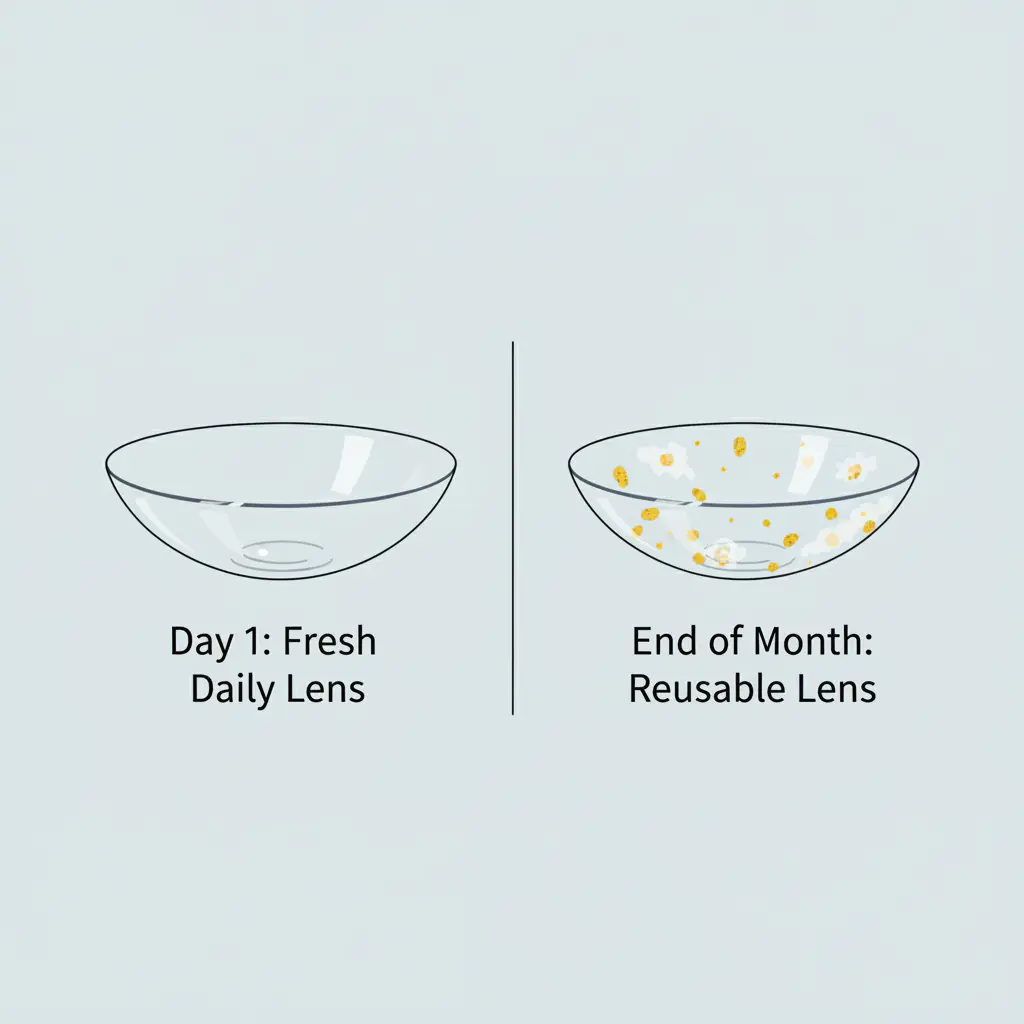
For an allergy sufferer, this means each new day is a reset. The allergens you were exposed to yesterday are thrown out with the old lenses, preventing the cumulative irritation that builds over days or weeks with reusable lenses.
Choosing the Right Daily Lens for Allergy Season
Not all daily disposables are created equal, and some material properties are better suited for sensitive, allergy-prone eyes.
- Oxygen Transmissibility (Dk/t): Lenses with higher oxygen transmissibility allow your cornea to "breathe" more effectively. This is crucial during allergy season, as inflammation can already compromise the ocular surface. Look for modern silicone hydrogel materials, which are engineered to deliver high levels of oxygen, reducing the risk of hypoxic (low-oxygen) irritation.
- Water Content & Surface Treatments: It may seem counterintuitive, but sometimes a lower water-content lens is better for allergy sufferers, especially those prone to dryness. Some high-water-content lenses can lose moisture to the environment, potentially drawing tears away from the eye. More importantly, many modern daily lenses feature hydrophilic (water-loving) surface treatments. These technologies create a moisture cushion on the lens surface, which can reduce the ability of pollen and other deposits to stick to the lens, keeping it smoother and more comfortable throughout the day.
Proactive Strategies for Surviving Allergy Season
Switching to daily disposables is the most impactful step you can take, but a comprehensive strategy will provide the greatest relief. Combining the right lenses with smart habits and hygiene is the key to a comfortable allergy season.
Your Daily Lens Allergy Survival Checklist
To make it easier, we’ve created a simple checklist based on clinical best practices. Integrating these steps into your daily routine can significantly reduce your exposure and reaction to allergens.
| Action Item | Why It Works | Expert Tip |
|---|---|---|
| Time Your Outings | Pollen counts are typically highest in the morning (between 5 a.m. and 10 a.m.). | If possible, schedule your runs, walks, or gardening for the late afternoon or after a rain shower when less pollen is in the air. |
| Rinse After Exposure | Immediately rinsing your eyes with sterile saline after being outdoors can wash away allergens before they cause a major reaction. | Keep single-use vials of sterile saline in your car or bag for a quick rinse on the go. Do not use tap water. |
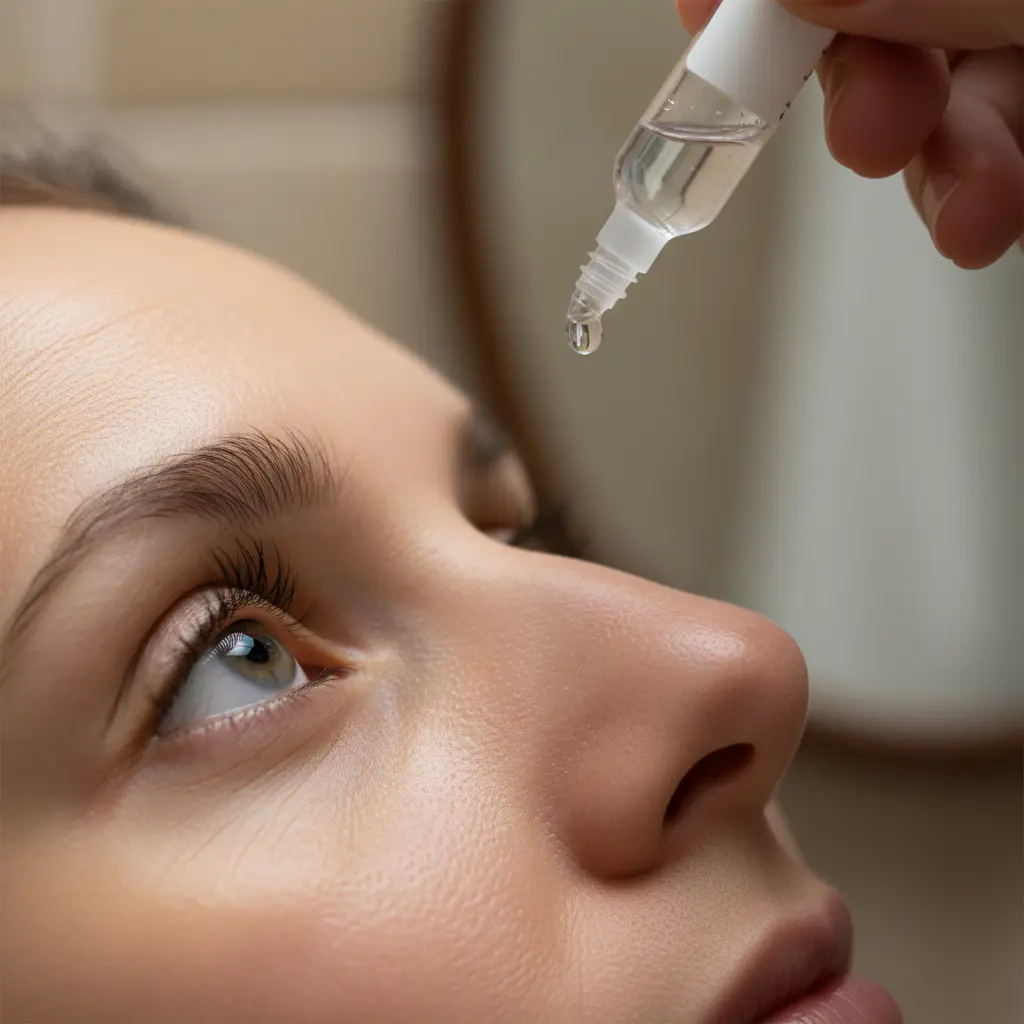
| Use Preservative-Free Drops | Frequent use of rewetting drops containing preservatives can cause additional irritation. | Stick to preservative-free artificial tears in single-use vials. For extra relief, chill them in the refrigerator before use. |
| Don't Rub Your Eyes! | Rubbing your eyes, while tempting, releases more histamines from mast cells, making the itching worse. It can also cause micro-abrasions on your cornea. | Instead of rubbing, use a cold compress on your closed eyelids for a few minutes to soothe the itch. |
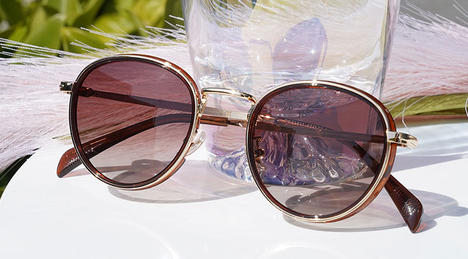
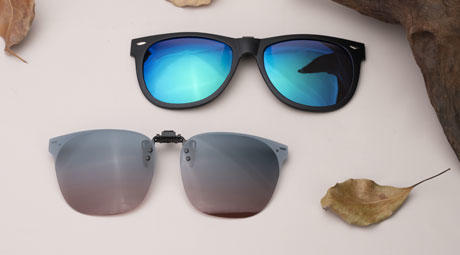
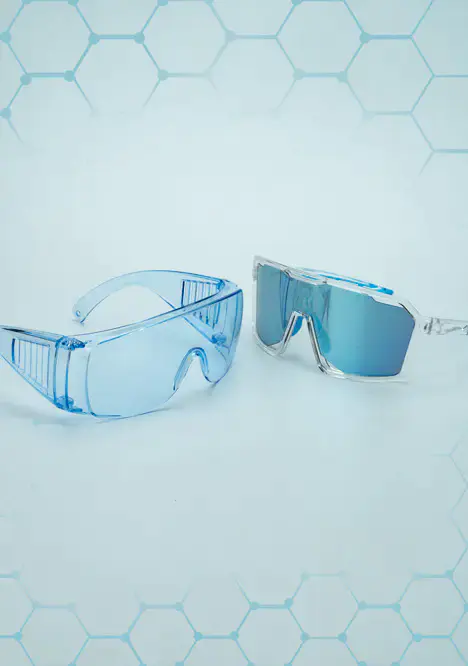
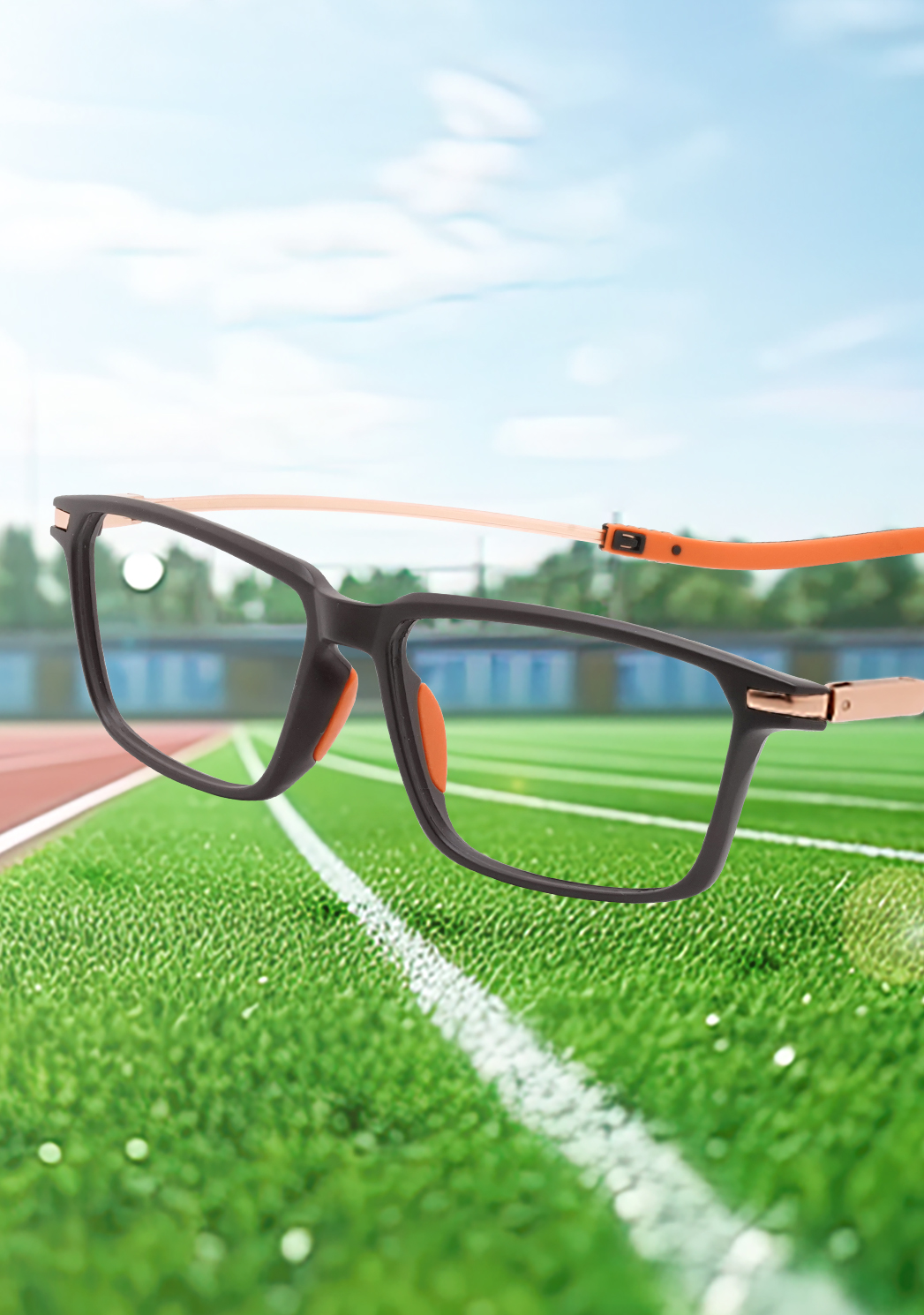
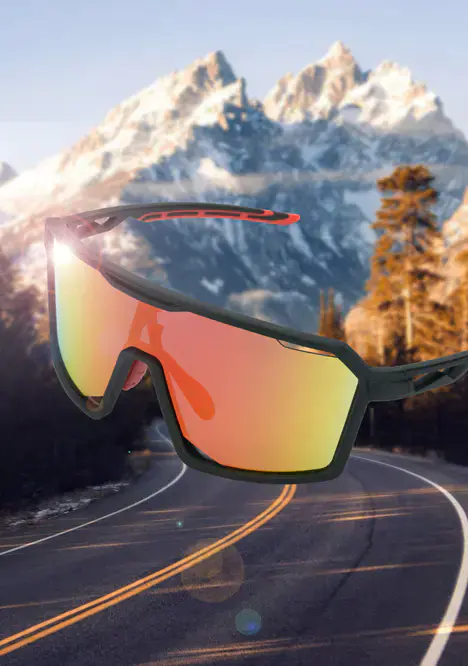
| Wear Protective Eyewear | Sunglasses act as a physical shield against airborne pollen. | Wraparound styles offer the best protection by blocking allergens from the sides and top. As a bonus, you get crucial UV protection. Why Contact Lens Wearers Still Need UV Sunglasses is a must-read for every lens wearer. |
Expert Warning: Common Mistakes That Worsen Symptoms
One of the biggest mistakes allergy sufferers make is failing to adhere to the "daily" part of daily disposables. In an attempt to save money, some people try to wear them for multiple days. This is not only counterproductive for allergies but also dangerous.
Myth Debunked: A common myth is that you can safely reuse a daily disposable lens if you clean it and store it in solution. This is false. These lenses are not designed or FDA-approved for reuse. Their material is often thinner and more delicate than a monthly lens, making them more susceptible to damage and less resistant to deposit buildup.
Crucially, research proves that reuse is a significant contamination risk. A study published in Optometry and Vision Science that examined reused daily disposable lenses found a staggering 95% contamination rate with bacteria like Staphylococcus. Storing them in the original blister pack saline is equally hazardous. This practice introduces a high risk of eye infection on top of your allergy symptoms.
Other critical "don'ts":
- Never sleep in daily disposables.
- Never rinse or store lenses in tap water. Tap water contains microorganisms like Acanthamoeba, which can cause severe, sight-threatening infections, as warned by the EPA.
When to See Your Eye Doctor
While daily disposables and good hygiene can manage most seasonal allergy symptoms, it’s vital to know the difference between simple irritation and a potential eye infection. The Centers for Disease Control and Prevention (CDC) emphasizes that behaviors like improper cleaning and overwear compromise the eye's natural defenses against germs.
If you experience any of the following, you should remove your lenses immediately and consult your eye care professional:
- Significant eye pain (not just itchiness)
- Blurry vision or a sudden decrease in vision
- Extreme sensitivity to light
- Thick, mucous-like discharge (yellow or green)
- Redness that does not subside after removing the lenses
These are not typical allergy symptoms and could indicate a more serious condition like microbial keratitis, which requires urgent medical attention.
Frequently Asked Questions (FAQ)
Q: Can I wear my daily lenses for more than one day during allergy season? A: Absolutely not. Reusing daily disposable lenses negates their primary benefit for allergy sufferers and dramatically increases your risk of a serious eye infection. They are not designed or approved for cleaning and reuse.
Q: Are some daily disposables better for allergies than others? A: Yes. Lenses made from modern silicone hydrogel materials with high oxygen permeability and surface treatments designed to resist deposits are often the most comfortable for allergy-prone individuals. Consult your eye doctor for a recommendation based on your specific needs.
Q: What kind of rewetting drops should I use with my daily lenses? A: Always choose preservative-free artificial tears. They come in single-use vials and are the safest option for frequent use, as they won't cause the additional irritation that preservatives can.
Q: I switched to dailies, but my eyes are still itchy. What else can I do? A: Follow the "Allergy Survival Checklist" consistently. Pay special attention to wearing wraparound sunglasses outdoors to block pollen, rinsing your eyes with sterile saline after exposure, and using chilled, preservative-free drops for relief. If symptoms persist, consult your eye doctor to rule out other issues.
Wrapping Up: Your Best Defense Against Eye Allergies
Surviving allergy season as a contact lens wearer doesn't have to be a battle. By switching to daily disposable lenses, you arm yourself with the most effective tool for minimizing allergen buildup and irritation. A fresh, clean lens every day provides a level of comfort and safety that reusable lenses simply can't match during high-pollen months.
Combine this powerful lens modality with smart lifestyle adjustments—like using preservative-free drops, wearing protective sunglasses, and practicing impeccable hygiene—and you can enjoy clear, comfortable vision all season long.
Disclaimer: This article is for informational purposes only and does not constitute professional medical advice. Always consult with a qualified eye care professional for any health concerns, before starting or stopping any treatment, or to determine the right contact lenses for your needs, especially if you have pre-existing conditions.
References
- Solomon, J. D., et al. (2014). "Refitting ‘problem’ patients with daily disposable soft contact lenses." Optometry and Vision Science, 91(4S), 122. https://pubmed.ncbi.nlm.nih.gov/24709223/
- Wu, Y., et al. (2011). "Contamination risk of reusing daily disposable contact lenses." Optometry and Vision Science, 88(12), 1431-1436. https://pubmed.ncbi.nlm.nih.gov/22041587/
- U.S. Environmental Protection Agency (EPA). "Danger of Using Tap Water with Contact Lenses." https://www.epa.gov/sdwa/danger-using-tap-water-contact-lenses
- Centers for Disease Control and Prevention (CDC). "Causes of Contact Lens-Related Eye Infections." https://www.cdc.gov/contact-lenses/causes/index.html


