







Arc Eye vs. Solar Radiation: Acute Ocular Photo-damage Risks
The Unseen Burn: How the Sun Causes Damage Similar to a Welder's Arc
Most of us instinctively understand the danger of looking at a welding arc. The intense, brilliant light is an obvious threat, and safety warnings are universal. Welders know that even a brief, unprotected glance can lead to "arc eye," a painful inflammation of the cornea. Yet, many of us spend hours under the sun with inadequate protection, unaware that we are exposing our eyes to the very same type of injury, just delivered in a slower, more insidious dose.
The clinical reality is that the damage from solar radiation and an industrial arc flash can appear virtually identical under a microscope. Both cause photokeratitis, a condition best described as a sunburn on the surface of the eye. This comparison isn't meant to cause alarm, but to reframe our understanding of sun exposure. The threat isn't just about brightness or immediate discomfort; it's about the invisible ultraviolet (UV) radiation that damages ocular tissues, whether it comes from a 10,000°F welding arc or the star at the center of our solar system.
Anatomy of a Burn: Photokeratitis Explained
Photokeratitis is the core injury in both scenarios. It occurs when the cornea—the eye's transparent outer layer—and the conjunctiva (the clear membrane covering the white of the eye) are overexposed to UV rays. This exposure damages the surface epithelial cells, leading to a characteristic set of painful symptoms.
-
The Industrial Injury: Arc Eye: A welder's arc produces a broad spectrum of radiation, but the most damaging are the short-wavelength UV-B and UV-C rays. According to the International Agency for Research on Cancer (IARC), this type of radiation is so potent that it's classified as a Group 1 carcinogen, meaning it is definitively known to cause cancer in humans. The dose is massive and acute, causing symptoms to appear within hours.
-
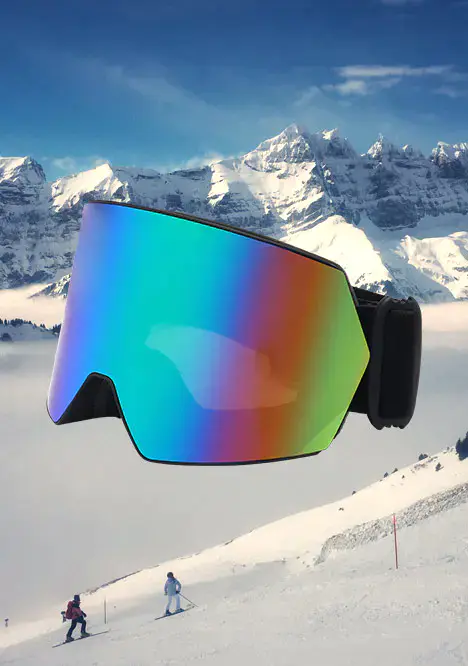
The Everyday Equivalent: Solar Keratitis: The sun also bombards us with UV-A and UV-B radiation. While our atmosphere blocks UV-C, the remaining rays are more than capable of causing the same corneal burn. This is especially true in high-exposure environments like a beach, on the water, or in the snow, where reflection can nearly double UV intensity. A common misconception is that clouds offer protection; however, UV rays can easily penetrate cloud cover, leading to unexpected burns on overcast days. As a practitioner might observe, the diffuse punctate corneal staining seen in a patient after a day of skiing without goggles is indistinguishable from that of a welder with arc eye.
The symptoms are also identical: a gritty, sandy feeling in the eyes, intense pain, extreme light sensitivity (photophobia), redness, and excessive tearing. The primary difference is not the type of damage, but its delivery. Arc eye is an acute, high-dose injury, while solar keratitis is often the result of a slower, cumulative exposure over several hours.
The Eye's Failing Defenses: How UV Radiation Breaks Through
Our eyes have remarkable, multi-layered defenses against radiation. The cornea itself absorbs a significant amount of UV-B light, acting as the first line of defense. What gets past is then largely absorbed by the crystalline lens inside the eye. Together, these structures block over 99% of incoming UV radiation from reaching the light-sensitive retina at the back of the eye, according to research published in PMC.
However, these natural shields are not infallible and are compromised by several factors:
-
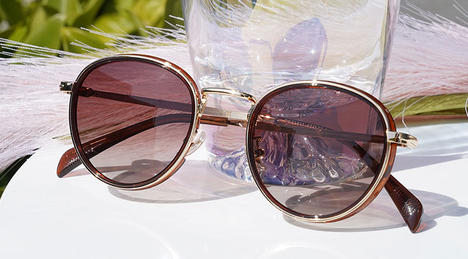
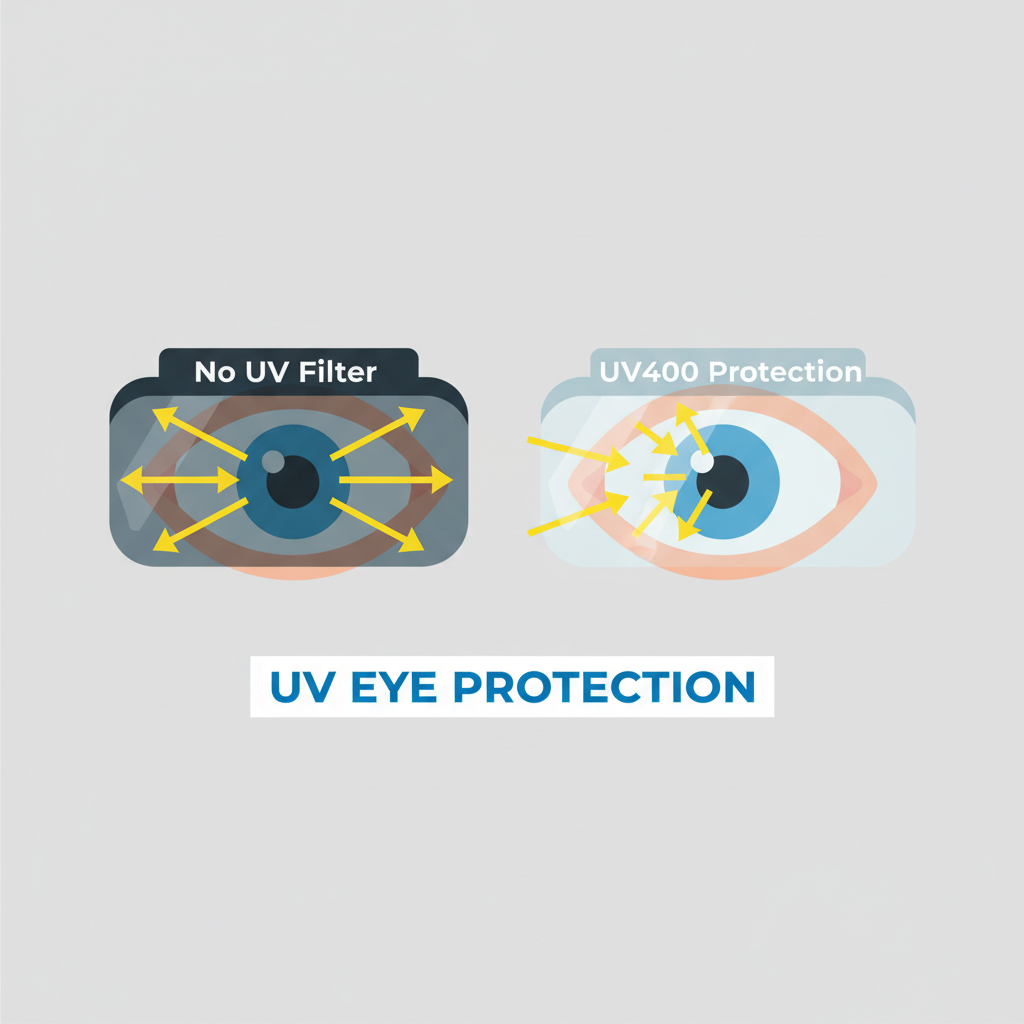
The "Darkness Fallacy": One of the greatest risks comes from using cheap, dark sunglasses that lack certified UV filters. As noted by experts at the MD Anderson Cancer Center, a dark lens causes your pupil to dilate to let in more light. If that lens isn't blocking UV, you are essentially opening the floodgates, allowing more, not less, damaging radiation to enter the eye. Wearing dark, uncertified glasses can be more dangerous than wearing none at all.
-
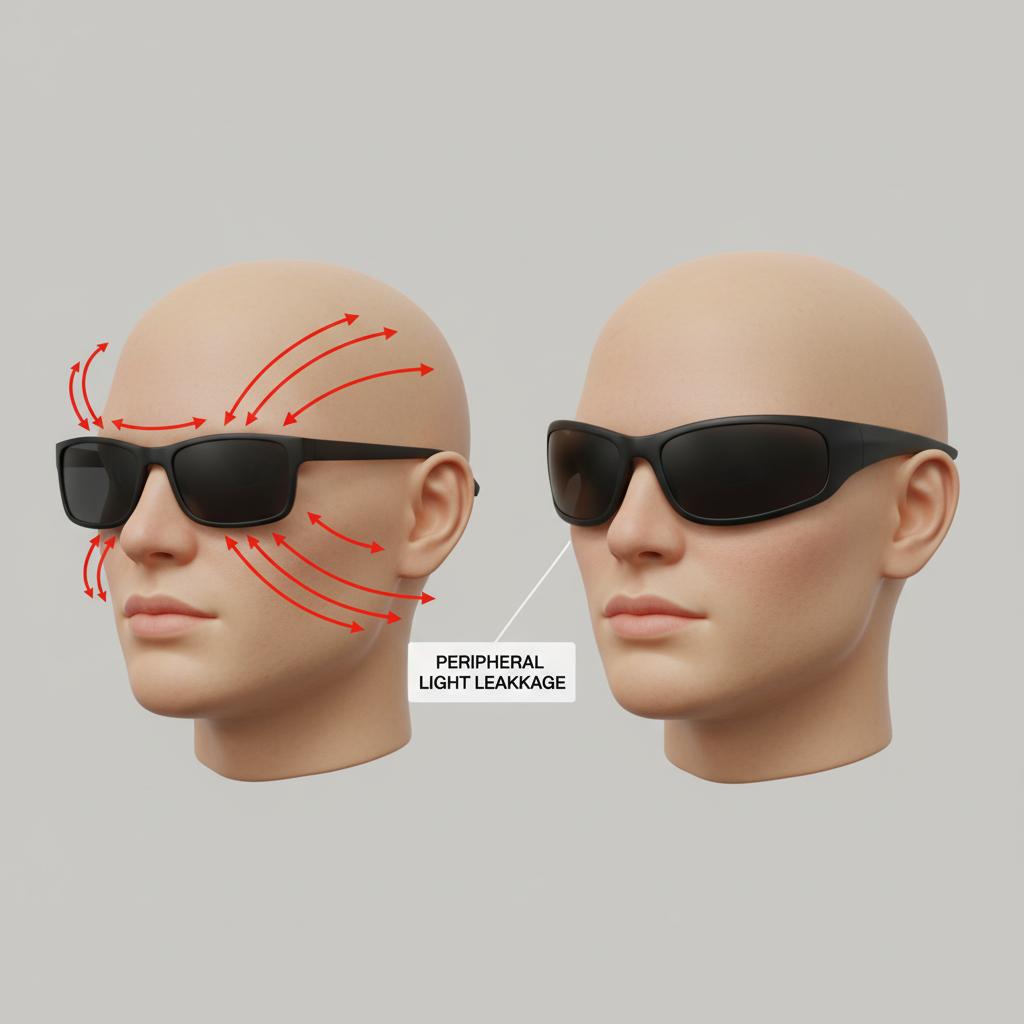
Peripheral Exposure: Standard flat-frame glasses leave significant gaps at the sides, top, and bottom. A 3D-mapping study published in PMC revealed that this "peripheral light leakage" can allow a substantial amount of UV to bypass the lens and strike the eye. This is the mechanism behind the "Coroneo Effect," where temporal light is focused onto the nasal side of the eye, a common site for growths like Pterygium.
-
Age-Related Degradation: The eye's natural protective filters, such as glutathione and kynurenine derivatives in the lens, decrease linearly with age. This means an older eye is inherently more susceptible to UV damage because its internal shielding has weakened over time.
From Acute Burn to Chronic Disease: The Long-Term Consequences
While photokeratitis is a painful but temporary condition, the real danger of UV radiation lies in the cumulative damage it inflicts over a lifetime. Each dose, no matter how small, contributes to the risk of developing serious, vision-threatening diseases.
-
Cataracts: The World Health Organization (WHO) estimates that up to 10% of the 15 million cases of blindness due to cataracts worldwide can be attributed to UV exposure. Research from the National Eye Institute has uncovered the specific mechanism: UV light triggers a process called glycation in the oxygen-starved environment of the lens, causing proteins to clump together and form the cloudy opacities we know as cataracts.
-
Pterygium ("Surfer's Eye"): This fleshy, wing-shaped growth that extends from the white of the eye onto the cornea is strongly linked to chronic UV exposure, particularly the peripheral light focusing described by the Coroneo Effect.
-
Age-Related Macular Degeneration (AMD): UV and high-energy blue light contribute to photo-oxidative stress in the retina. This stress generates reactive oxygen species (ROS) that damage the retinal pigment epithelium (RPE), the layer of cells that nourishes photoreceptors. Disturbingly, research has identified a "dark toxic effect," where toxic byproducts of initial UV damage continue to harm retinal cells for days, even after exposure to the sun has stopped.
-
Cancers of the Eye and Eyelid: Chronic sun exposure is a primary risk factor for cancers on the eyelid (most commonly Basal Cell Carcinoma) and for Uveal Melanoma, a rare but aggressive cancer inside the eye.
Identifying High-Risk Individuals
While everyone is at risk from UV radiation, some individuals are significantly more vulnerable.
-
Genetic Predisposition: Light-Colored Eyes: People with blue, green, or hazel eyes have less protective melanin pigment in the layers of their eye. This "melanin shield" helps block harsh light. A study on Uveal Melanoma found that light eye color is a significant risk factor, as the iris contains far less of the protective eumelanin pigment. This lack of pigment is also why people with light-colored eyes often experience more photophobia (light sensitivity), as confirmed by Duke Health experts.
-
Age-Related Vulnerability: Children are uniquely susceptible. Their pupils are larger and their internal lenses are much clearer than an adult's, allowing significantly more UV radiation to reach the retina. The Royal Australian and New Zealand College of Ophthalmologists (RANZCO) warns that up to 80% of a person's lifetime UV exposure occurs before the age of 18, making early protection critical. Seniors face the double-whammy of a lifetime of accumulated damage and weakening natural defenses.
-
Environmental and Lifestyle Factors: Anyone who spends significant time outdoors is at higher risk. This is amplified in environments with high reflectivity, such as snow (which can double UV exposure), water, and sand. Occupations like farming, construction, and fishing also involve high cumulative exposure.
Your Definitive Defense Strategy
Protecting your vision from UV damage is not complicated, but it does require consistency and the right equipment. Think of it as daily armor for your eyes.
-
Demand the UV400 Standard: Not all UV protection is created equal. Some older standards only certify protection up to 380 nm. However, a critical technical analysis highlights that the 380-400 nm band contains significant damaging energy. A UV400 rating ensures that the lenses block virtually 100% of UV rays up to 400 nanometers, offering complete protection.
-
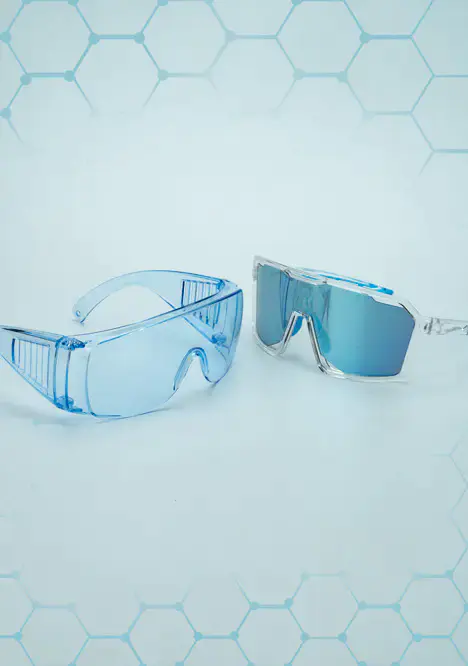
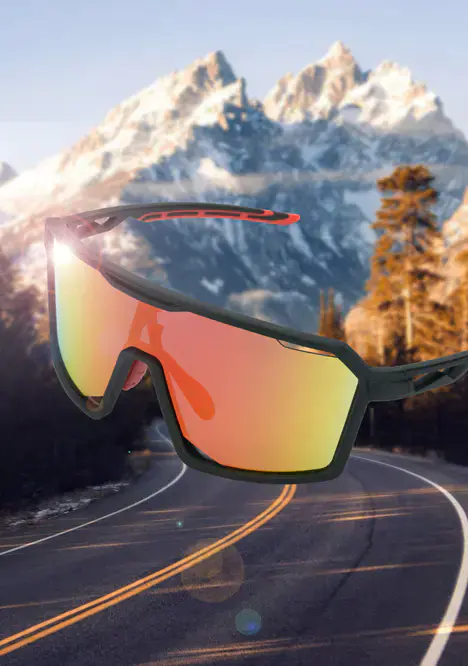
Prioritize Fit and Coverage: As the 3D head-form study showed, blocking peripheral light is non-negotiable. Choose oversized or wraparound styles that fit closely to your face, minimizing gaps at the sides and top. The fit of the frame is just as important as the quality of the lens.
-
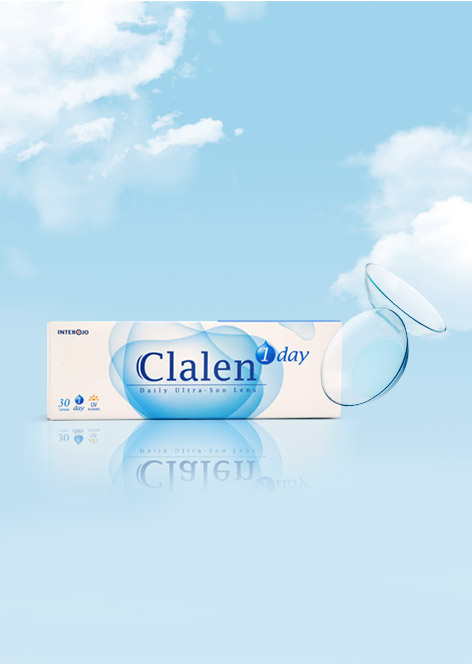
Use a Multi-Layered Approach: Sunglasses are your primary defense, but they aren't the only one. A wide-brimmed hat can reduce UV light reaching the eyes by as much as 30%. For those who wear contact lenses, many modern lenses are now available with built-in UV-blocking properties, adding another layer of defense.
-
Protect Year-Round: UV radiation is present every day, not just on bright, sunny ones. Make wearing protective eyewear a daily habit, just like applying sunscreen. If you are concerned that your older sunglasses may have lost their effectiveness, it's a valid concern. You can learn more about whether sunglasses coatings degrade over time in our article, "Do Sunglasses Expire? Understanding UV Coating Longevity".
Your Vision Is an Irreplaceable Asset
Viewing solar radiation through the lens of an industrial injury like arc eye clarifies the stakes. The sun delivers a slow, steady, and cumulative dose of the same energy that can fell a welder in minutes. The damage may not be immediately painful, but it is quietly accumulating with every unprotected hour spent outdoors.
Investing in and consistently wearing certified, high-coverage UV400 sunglasses is not a matter of comfort or style—it is a fundamental practice of health preservation. It is a direct intervention against the development of cataracts, macular degeneration, and other serious ocular diseases. By understanding the unseen threat and taking simple, effective measures, you can actively safeguard your vision for a lifetime.
Disclaimer: This article is for informational purposes only and does not constitute professional medical advice. Please consult with a qualified eye care professional for any health concerns or before making any decisions related to your eye health.
References
- International Agency for Research on Cancer (IARC). (2018). Welding and Ocular Melanoma. https://monographs.iarc.who.int/wp-content/uploads/2018/06/SC2018-NeelaGuha.pdf
- World Health Organization (WHO). (2023). Ultraviolet radiation. https://www.who.int/news-room/fact-sheets/detail/ultraviolet-radiation
- MD Anderson Cancer Center. (2022). 9 things to know about sunglasses, eye protection and cancer. https://www.mdanderson.org/cancerwise/9-things-to-know-about-sunglasses--eye-protection-and-cancer.h00-159699123.html
- Duke Health. (2019). Myth or Fact: People with light eyes are more sensitive to sunlight. https://www.dukehealth.org/blog/myth-or-fact-people-light-eyes-are-more-sensitive-sunlight
- Royal Australian and New Zealand College of Ophthalmologists (RANZCO). (2025). Protect children’s eyes from sun damage. https://ranzco.edu/wp-content/uploads/2024/02/Media-Release-Protect-childrens-eyes-from-sun-damage-2025.pdf
- Sliney, D. H. (2011). Ocular UV Dosimetry & Frame Geometry. PMC. https://pmc.ncbi.nlm.nih.gov/articles/PMC6803516/


