















Why Your New Astigmatism Glasses Might Feel Blurry at First
TL;DR: Your Brain is Playing Catch-Up
Feeling like you're walking on a slanted floor or looking through a funhouse mirror with your new astigmatism glasses? Take a deep breath. This is usually normal.
- It's an Adaptation Period: The "fishbowl" effect and blurriness are signs that your brain is adjusting to seeing the world correctly for the first time. Your brain, used to compensating for the blur, is now getting a crisp image and needs to recalibrate.
- It Takes Time: This neurological adjustment period can last from a few days to two weeks.
- Start Slow: Don't try to wear them for a full day right away. We have a step-by-step guide below to help you ease into them.
- Check the Fit: If issues persist after two weeks, the problem might not be your eyes, but the glasses' fit—specifically their distance and tilt on your face.
Decoding Your Astigmatism Prescription: Why It’s So Sensitive
To understand why the adjustment is so intense, you first need to understand what your glasses are correcting. Astigmatism occurs when your cornea (the clear front part of your eye) is shaped more like a football than a perfectly round basketball. This irregular shape causes light to focus on multiple points instead of one, resulting in blurry or distorted vision at all distances.
Your prescription contains three key numbers, but for astigmatism, the last two are critical:
- Sphere (SPH): This corrects for nearsightedness (-) or farsightedness (+).
- Cylinder (CYL): This number indicates the amount of power needed to correct the astigmatism itself. The higher the number (e.g., -1.50 or higher), the more football-shaped your cornea is, and typically, the longer the adaptation period.
- Axis: Measured in degrees from 1 to 180, the axis indicates the orientation of the astigmatism. Think of it as the angle of that football shape. According to experts at the Cleveland Clinic, this number must be precise for you to see clearly.
Even a tiny error in the axis alignment during manufacturing or a slight misfit on your face can make the world look tilted. This is why a prescription for astigmatism is far less forgiving than a simple nearsightedness correction.

The "Fishbowl Effect": Your Brain is Rebooting Its Visual Software
The strange, warped feeling you're experiencing is often called the "fishbowl effect." It happens because for years, your brain has been working hard to interpret the blurry, imperfect signals coming from your eyes. It learned to "autocorrect" the distortion to give you a stable-seeming, albeit blurry, view of the world.
When you put on your new glasses, they deliver a perfectly focused image to your retina. But your brain, still running its old "autocorrect" software, continues to apply the old corrections to this new, perfect image. The result is a clash: a corrected image being "corrected" again, leading to that disorienting, warped sensation.
This is particularly noticeable for wearers with a cylinder power over -1.50D. The brain has to unlearn years of bad habits. The most common sensations include:
- Floors, walls, and tables appearing slanted or tilted.
- A feeling of being taller or shorter than you are.
- Objects looking stretched, bowed, or farther away than they are.
- A slight feeling of dizziness or being off-balance.
This is not a sign of a bad prescription, but rather proof that the lenses are doing their job. Your brain just needs time to delete its old software and trust the new, clear information it's receiving.
Your Action Plan: A Step-by-Step Adaptation Guide
You can't rush your brain, but you can make the adaptation process smoother. The key is to gradually increase wear time, allowing your neural pathways to adjust without becoming overwhelmed. Forcing it by wearing them all day from the start can lead to headaches and frustration.
Follow this wear-in schedule, based on common optician recommendations:
- Days 1-2: The Comfort of Home. Wear your new glasses for just 2 to 4 hours. Do this in a familiar environment like your home. Avoid tasks that require critical depth perception, like cooking with hot liquids or walking down stairs quickly. Do not drive.
- Days 3-4: Increasing Exposure. Add another 1 to 2 hours of wear time each day. You can start doing more routine activities. Continue to avoid driving or operating heavy machinery until you feel your spatial awareness has normalized.
- Day 5 and Beyond: Towards Full-Time Wear. Gradually continue to increase wear time until you can keep them on for the full day comfortably. By this point, the "fishbowl" effect should be significantly reduced or gone entirely.

Pro Tips for a Smoother Transition
- Look, Don't Glance: In the first few days, make a conscious effort to turn your whole head to look at objects, rather than just moving your eyes side-to-side. This keeps you looking through the clearest part of the lens (the optical center) and minimizes peripheral distortion.
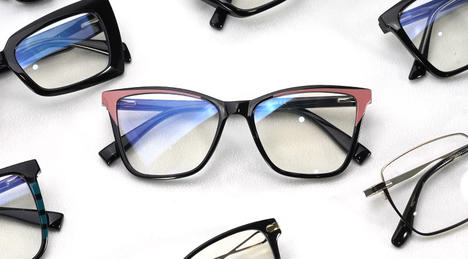
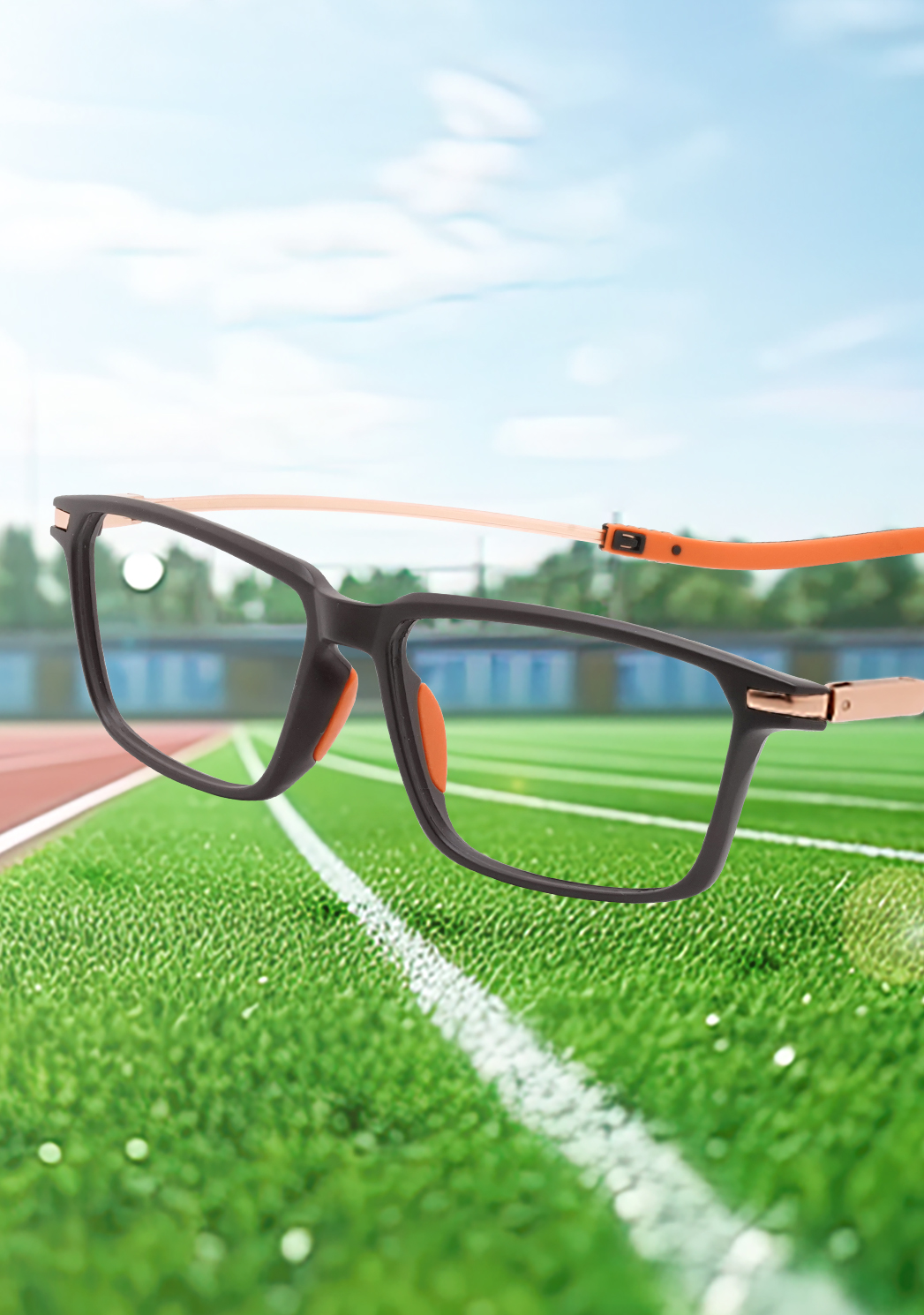
- Frame Choice Matters: If this is your first time with a strong astigmatism correction, be aware that large, rectangular frames can sometimes exaggerate peripheral distortion. Many first-time wearers find that smaller, rounder frames are easier to adapt to.
When It's Not Just Adaptation: Troubleshooting Persistent Issues
Patience is crucial, but it has its limits. If you've diligently followed the wear-in schedule for one to two weeks and the world still looks warped, it's time to investigate other causes. The issue might not be your prescription itself, but the way the lenses are positioned in front of your eyes.
Here are the most common culprits:
-
Improper Frame Adjustments: According to The Vision Council, eyeglass manufacturing is a process of precision. Even small misalignments on your face can undo that precision.
- Pantoscopic Tilt: This is the angle of the lens as it sits vertically on your face. Too much or too little tilt can alter the effective axis of the lens, creating distortion that feels exactly like a wrong prescription. A simple adjustment by an optician can often fix this.
- Vertex Distance: This is the distance between the back of the lens and your eyeball. If your new frames sit much closer or farther from your eyes than your old ones, it can change the effective power of the lenses, especially with stronger prescriptions.
-
Incorrect Pupillary Distance (PD): Your PD is the distance between the centers of your pupils. This measurement determines where the optical center of the lens should be placed. If it's off, you're not looking through the "sweet spot" of the lens, which can cause eye strain, headaches, and distortion.
-
A Prescription Error: While less common, mistakes can happen. You have a legal right to a copy of your prescription after an eye exam under the FTC's Eyeglass Rule. If you suspect an error, you can take your glasses and your prescription to any optical shop to have them verified.
Your Troubleshooting Checklist
If distortion persists after two weeks:
- Visit an Optician: Ask for a frame adjustment. Specifically mention you'd like them to check the pantoscopic tilt and face form wrap.
- Verify the PD: Double-check your PD measurement. If you measured it yourself, consider getting it professionally checked.
- Contact Your Retailer: Reach out to the customer service department of where you bought the glasses. Provide them with details of your experience and the troubleshooting steps you've already taken.
- Consult Your Eye Doctor: As a final step, schedule a follow-up with your optometrist to confirm your prescription is correct.
Frequently Asked Questions (FAQ)
Can new astigmatism glasses make me feel dizzy or off-balance? Yes, this is a very common symptom during the adaptation period. Your brain, which helps control your sense of balance, is getting new visual information about your environment's orientation and needs time to sync up.
Why do floors and tables look slanted with my new glasses? This is a classic sign of your brain adjusting to the new, correct axis of your astigmatism correction. The slant you perceived as "straight" before is now being shown to you as it truly is, and your brain is fighting the change.
I’ve worn glasses for astigmatism for years. Why is this new pair causing problems? Any change can trigger a new adaptation period. This includes a change in prescription strength, a different lens material, or a new frame style that alters the lens's position (tilt and distance) relative to your eyes.
Is it normal for one eye to feel stranger than the other? Yes, this is common, especially if you have different prescription values (sphere, cylinder, or axis) in each eye. Each eye may adapt at a slightly different pace.
Ultimately, the initial strangeness of new astigmatism glasses is a positive sign. It's the feeling of your vision being corrected with a new level of precision. Be patient, follow a gradual adjustment plan, and trust that your brain will soon embrace the clarity.
Disclaimer: This article is for informational purposes only and does not constitute professional medical advice. If you experience severe headaches, eye pain, or if your vision problems do not resolve after a two-week adaptation period, consult a qualified eye care professional.


