


Who Should Avoid Contact Lenses? Contraindications & Alternatives
The Unspoken Risks: When Are Contact Lenses Not the Right Choice?
Contact lenses offer remarkable freedom and convenience, but they are not a one-size-fits-all solution. As regulated medical devices, their safety hinges on a healthy relationship between the lens, the eye's surface, and the wearer's habits. For some individuals, wearing contacts can introduce risks that far outweigh the benefits, potentially leading to discomfort, infection, and even lasting vision problems.
This article serves as a critical safety guide. We will explore the specific medical conditions, lifestyle factors, and environmental triggers that make contact lens wear ill-advised or outright dangerous. Understanding these contraindications is the first step toward protecting your vision and choosing the safest, most comfortable correction for your eyes, which, for many, is a reliable pair of prescription glasses.
Absolute Contraindications: When to Avoid Contacts Completely
For certain individuals, the anatomy and health of their eyes create an environment where contact lenses are unsafe. Attempting to wear them despite these conditions can lead to chronic pain and serious complications.
Chronic and Severe Dry Eye Disease
A healthy tear film is essential for a contact lens to float comfortably and safely on the cornea. In cases of severe Dry Eye Disease (DED), also known as Keratoconjunctivitis Sicca, the eye doesn't produce enough quality tears. According to a comprehensive clinical overview from StatPearls, this lack of lubrication causes the lens to act like a dry sponge, exacerbating symptoms of grittiness, burning, and redness. Worse, it can lead to painful corneal abrasions (scratches) and increase the risk of infection.
Expert Insight: A common heuristic used by optometrists is the "30-minute comfort test." If a trial lens causes significant discomfort within the first half-hour, it often signals an underlying issue like severe dry eye, rather than something you simply need to "get used to."
Active or Recurring Eye Infections
Placing a contact lens over an active infection is like sealing it in an incubator. Conditions like microbial keratitis (a corneal infection) and conjunctivitis (pink eye) are absolute contraindications. The Centers for Disease Control and Prevention (CDC) explicitly warns that a contact lens can trap bacteria, viruses, or fungi against the eye, intensifying the infection and potentially leading to corneal ulcers and permanent scarring. If you have a history of recurrent infections, you and your doctor must carefully weigh the high risk of future episodes.
Severe Ocular Allergies
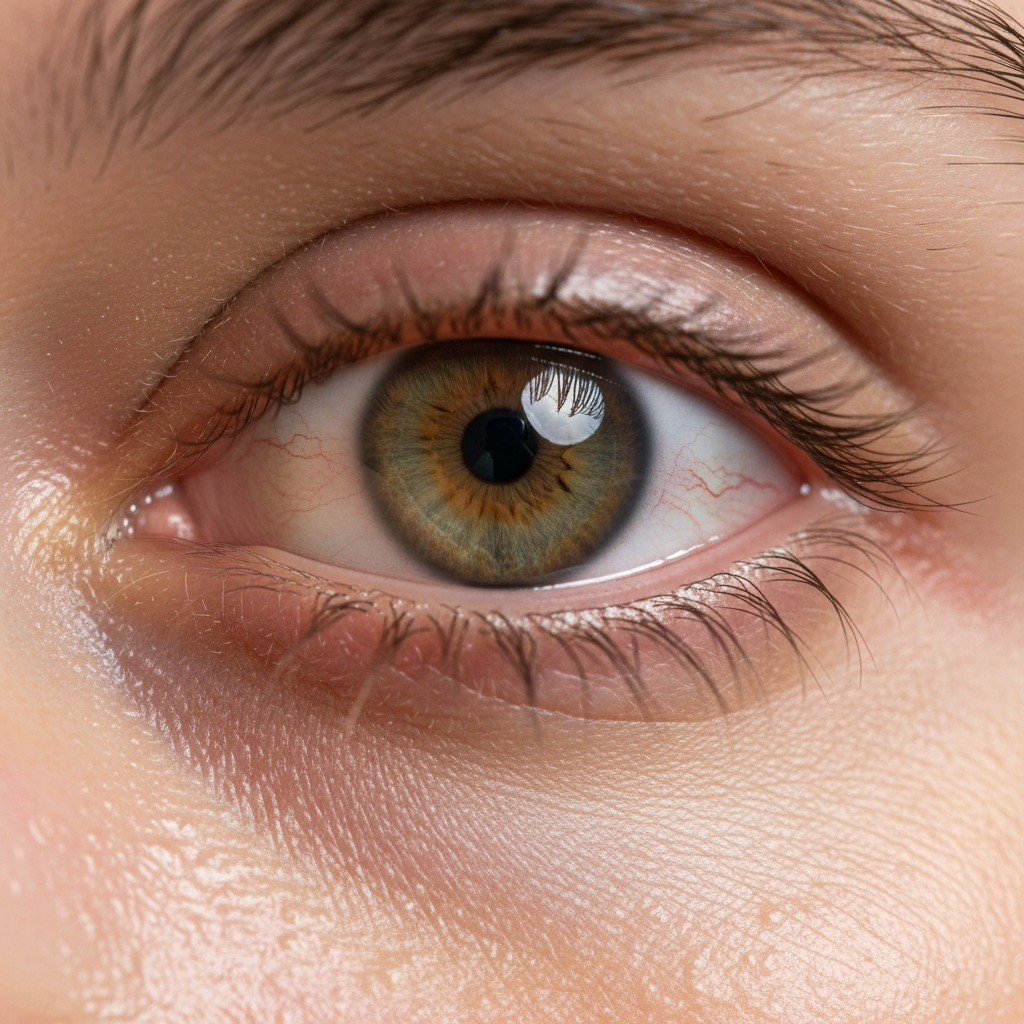
While mild allergies can often be managed, severe allergic conditions, particularly Giant Papillary Conjunctivitis (GPC), make contact lens wear challenging. GPC is an inflammatory reaction where large bumps (papillae) form under the eyelid, often triggered by protein deposits on the lens surface. As described in studies on ocular surface health, these bumps create intense friction with every blink, causing irritation, mucus discharge, and making the lenses impossible to wear comfortably.
Compromised Corneal Health
Certain corneal diseases weaken the eye's outermost layer. Conditions like corneal dystrophies (e.g., Fuch's Dystrophy), recurrent corneal erosions, or neurotrophic keratitis (reduced corneal sensation) make the eye extremely vulnerable to damage. A contact lens can disrupt the delicate epithelial cells, and in an eye with reduced sensation, a small scratch or developing infection might go unnoticed until it becomes severe.
Inability to Handle Lenses Safely
Proper hygiene is non-negotiable. Individuals who lack the physical dexterity to insert, remove, and clean lenses due to conditions like severe arthritis, tremors, or other physical limitations should not wear them. The CDC emphasizes that the majority of wearers do not practice proper hygiene, and this is a primary driver of infections. If safe handling is not possible, the risk is too high.
High-Risk Behaviors and Environments
Even with healthy eyes, certain habits and surroundings can turn contact lens wear into a high-stakes gamble. The Morbidity and Mortality Weekly Report (MMWR) published a landmark study revealing that a staggering 99% of contact lens wearers report at least one hygiene risk behavior.
The Dangers of Improper Hygiene
- Sleeping in Lenses: This is one of the most significant risk factors. A seminal case-control study found that overnight wear increases the risk of ulcerative keratitis by over 8 times compared to daily wear. Sleeping in lenses dramatically reduces oxygen supply to the cornea, making it susceptible to invasion by bacteria like Pseudomonas aeruginosa.
- Using Tap Water: Never allow tap, distilled, or well water to touch your lenses or case. The Environmental Protection Agency (EPA) warns that these sources can contain Acanthamoeba, a free-living amoeba that causes a rare but devastating infection that is extremely difficult to treat and can lead to corneal transplants or blindness.
- "Topping Off" Solution: Never reuse or top off old solution in your lens case. Always discard the old solution, rinse the case with fresh solution (not water), and let it air dry. Topping off dilutes the disinfectant, rendering it ineffective.
- Extending Lens Life: Wearing lenses beyond their recommended replacement schedule (e.g., wearing a monthly lens for two months) allows protein deposits and biofilms to build up, causing irritation and increasing infection risk.
Hostile Occupational and Environmental Settings
Your workplace or hobbies might make contact lens wear hazardous. Environments with high levels of dust, smoke, chemical vapors, or dry air (such as construction sites, factories, or even chronically dry offices) can lead to two problems:
- Debris can get trapped under the lens, causing a corneal abrasion.
- Dry air accelerates tear evaporation, causing the lens to dry out and adhere to the cornea.
Practical Tip: For those in dry office environments, practitioners often advise instilling preservative-free artificial tears at least 30 minutes before removing lenses at the end of the day. This rehydrates the lens, preventing it from sticking to a dehydrated cornea and causing an abrasion upon removal.
Safer Alternatives: Prioritizing Health Without Sacrificing Vision
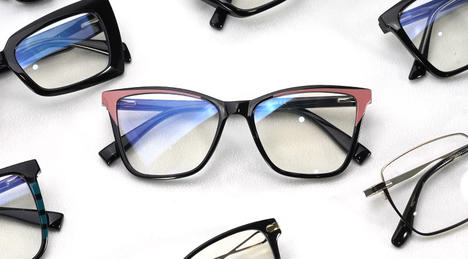
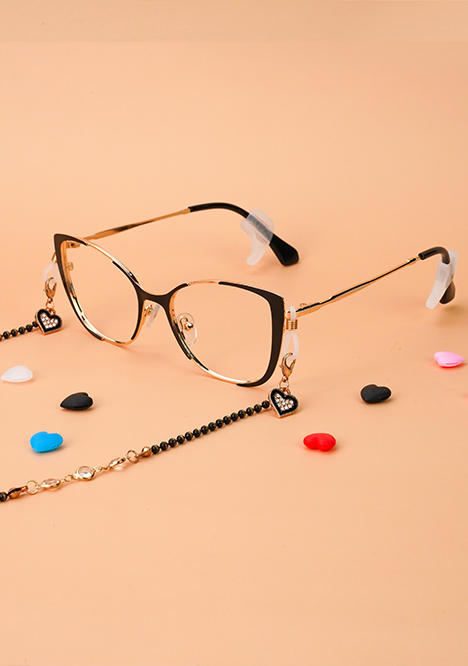
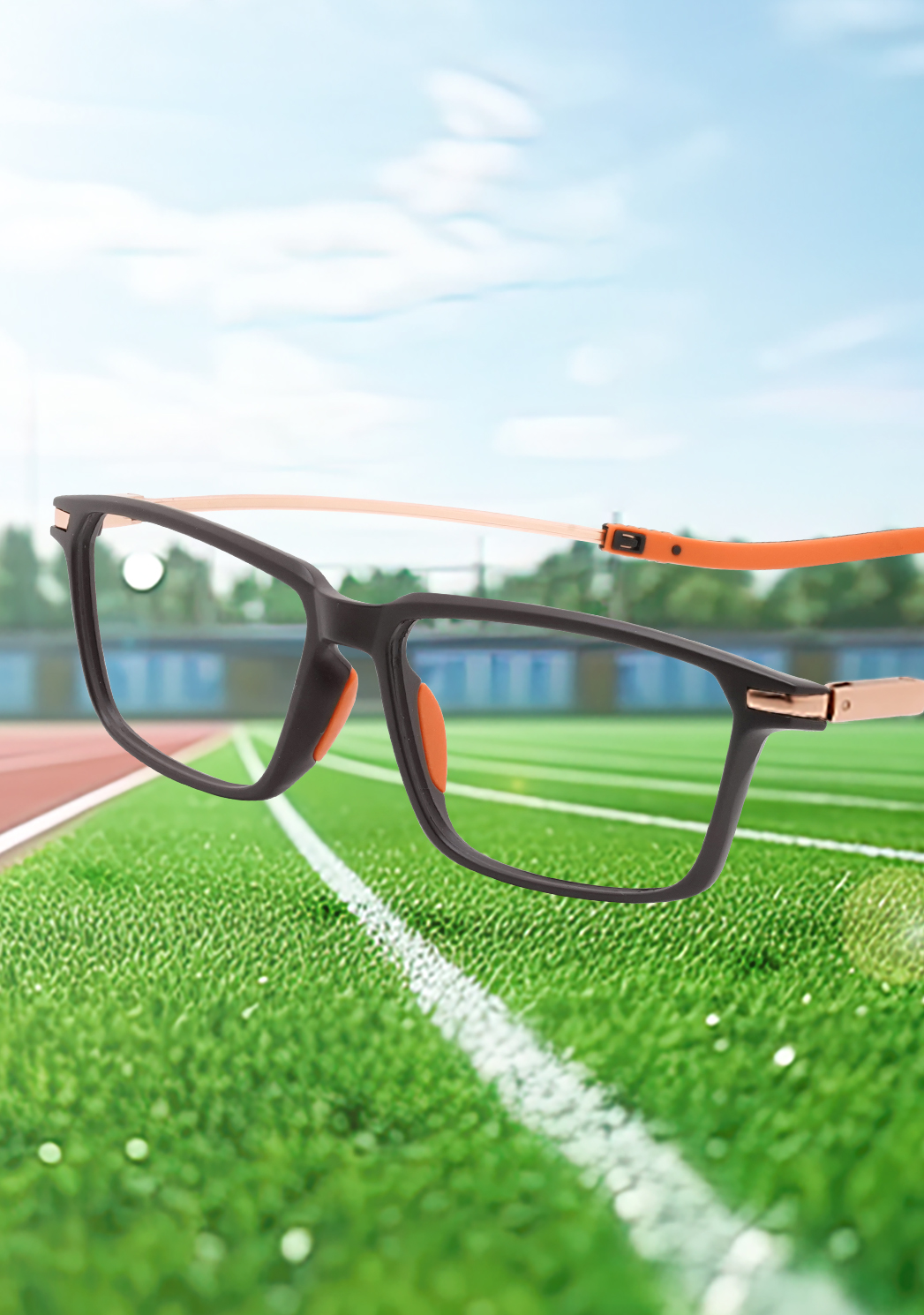
If you fall into any of the high-risk categories, the safest choice is clear. Modern prescription glasses are not a consolation prize; they are a superior tool for vision correction that eliminates the risks associated with contact lenses.

The Benefits of Prescription Eyeglasses:
- Zero Infection Risk: Glasses rest on your nose, not your eyeball. There is no risk of microbial keratitis, ulcers, or hygiene-related complications.
- All-Day Comfort: Eyeglasses do not exacerbate dry eye. They act as a partial shield against wind and dust, often providing more comfort than being bare-eyed.
- Superior Optics & Coatings: You can customize lenses for your specific needs. This includes advanced anti-reflective coatings for night driving, blue light filtering for digital screens, and photochromic lenses that adapt to sunlight.
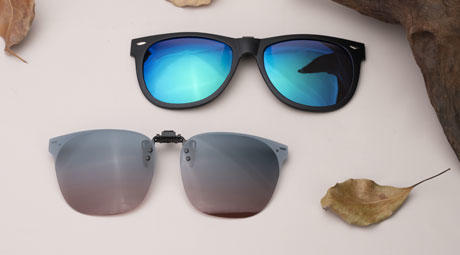
- Full UV Protection: While UV-blocking contacts exist, they don't protect the entire eye or the delicate skin around it. Large-framed prescription sunglasses provide comprehensive protection against UV rays, which are linked to cataracts and other eye diseases. You can learn more about this in our article, "Can Cheap Sunglasses Damage Your Eyes? Fact vs. Fiction".
- Style and Expression: Glasses are a prominent fashion accessory, allowing you to express your personality and style in a way contacts cannot.
For those concerned about how a strong prescription might look, modern high-index lens materials can make even powerful prescriptions look thin and attractive. We address this common concern in our guide, "Will Strong Prescription Lenses Distort My Eyes?".
Frequently Asked Questions (FAQ)
Q1: Can I wear contacts if I only have mild dry eye? This falls into a gray area. It may be possible, especially with daily disposable lenses made from modern, high-water-content materials. However, it requires close monitoring with your eye doctor and a commitment to using preservative-free rewetting drops. If symptoms of dryness or discomfort increase, you should cease wear immediately.
Q2: Are daily disposable lenses completely safe? Daily disposables eliminate the risks associated with cleaning and storage, which is a major advantage. However, they do not eliminate the risks of poor hand hygiene or sleeping in lenses. An analysis from the American Academy of Ophthalmology (AAO) notes that while the severity of complications may be lower with dailies, the incidence of infection is not necessarily eliminated, largely due to user behavior.
Q3: What should I do if I fall asleep in my lenses by accident? Remove the lens as soon as you wake up, but be gentle. Your eye will be dry, so use preservative-free artificial tears before attempting removal. Do not wear any lenses for the rest of the day to allow your cornea to recover. If you experience any pain, significant redness, or blurred vision, contact your eye doctor immediately.
Q4: Why can high-prescription wearers sometimes see better with RGP lenses? For patients with high astigmatism, a rigid gas permeable (RGP) lens holds a stable shape on the eye. As noted by clinicians, the tear film that fills the space between the RGP lens and the cornea can neutralize a significant amount of corneal astigmatism, often providing sharper, more stable vision than a soft toric lens, which can rotate and drape over the irregular shape.
Ultimately, the decision to wear contact lenses is a healthcare decision. While they are an excellent option for many, they demand respect for hygiene protocols and an honest assessment of your personal risk factors. For those with contraindications, embracing the safety, comfort, and style of modern prescription glasses is the most responsible way to protect your precious eyesight for a lifetime.
Disclaimer: This article is for informational purposes only and does not constitute professional medical advice. Always consult with a qualified eye care professional for a comprehensive eye exam and to determine if contact lenses are a safe and appropriate option for you, especially if you have pre-existing health conditions.
References
- StatPearls (NCBI). "Contact Lenses." https://www.ncbi.nlm.nih.gov/books/NBK580554/
- Centers for Disease Control and Prevention (CDC). "Contact Lens Health." https://www.cdc.gov/contact-lenses/about/index.html
- Centers for Disease Control and Prevention (CDC). "Risk Factors for Eye Infections." https://www.cdc.gov/contact-lenses/causes/index.html
- Morbidity and Mortality Weekly Report (MMWR). "Contact Lens Wearer Demographics and Risk Behaviors." https://pmc.ncbi.nlm.nih.gov/articles/PMC5779588/
- PubMed. "Case-Control Study on Overnight Wear Risks." https://pubmed.ncbi.nlm.nih.gov/8311770/
- Environmental Protection Agency (EPA). "Danger of Using Tap Water with Contact Lenses." https://www.epa.gov/sdwa/danger-using-tap-water-contact-lenses
- American Academy of Ophthalmology (AAO). "Editor's Choice: Daily Disposables & Silicone Hydrogel Risks." https://www.aao.org/education/editors-choice/daily-disposable-silicone-hydrogel-contact-lenses-


