













Frames for the Creative: Sunglasses for a Bold Look
Your Glasses Are Your Business Card
For those who trade in ideas—designers, architects, writers, and artists—every choice is a statement. Your portfolio showcases your work, but your personal style tells the story of your taste, your attention to detail, and your creative point of view. In this world, sunglasses are far more than simple sun protection; they are an extension of your personal brand, a piece of sculpture for your face that can communicate confidence, intellect, and artistic flair before you ever say a word.
Choosing eyewear isn't about following a trend; it's about curating your identity. A generic, off-the-shelf frame might say you're practical, but does it say you're innovative? Does it hint at the bold ideas you bring to the table? For the creative professional, selecting a pair of sunglasses is an opportunity to reinforce your brand. It's the final, crucial accessory that ties your entire professional persona together.
This guide is for creatives who understand that details matter. We'll explore how to move beyond basic shapes and select frames that are as unique and considered as your work. We will cover:
- Frame Shapes as Creative Signatures: How to use geometry and silhouette to make a statement.
- The Language of Materials: Choosing between the warmth of acetate and the precision of metal.
- Color Theory for Your Face: Using color and lens tints to enhance your look and your vision.
- The Non-Negotiable Tech: Ensuring your bold choice is also a smart, protective one.
Sculpting Your Look: Frame Shapes and Materials
The foundation of any great pair of sunglasses is its form. For a creative, this is where you can play with expectations and find a silhouette that truly represents your aesthetic. It's time to look beyond the standard options and explore shapes that offer a more distinct narrative.
Geometric and Architectural Shapes
While classic designs have their place, creatives can make a powerful statement with unconventional geometry. Hexagonal, octagonal, or sharply angular frames bring an immediate sense of structure and intentionality to your look. They feel deliberate and designed, echoing the principles of architecture and graphic design. These frames are perfect for professionals who want to project an image of precision, intellect, and forward-thinking. An angular frame can sharpen soft facial features and add a touch of intellectual edge.
If you're used to more conventional styles, you might compare these bold options to the classic debate of Round vs. Square Sunglasses: Which Shape Is for You?, but then push the boundaries even further.

The Art of Material Selection
The material of your frames has a profound impact on their look, feel, and personality. It’s the difference between a painting on canvas and a sculpture in steel.
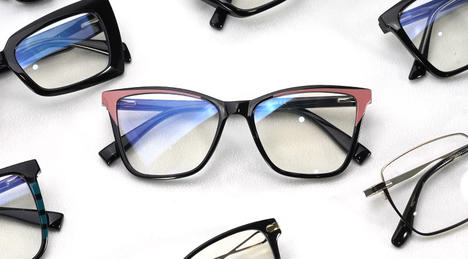
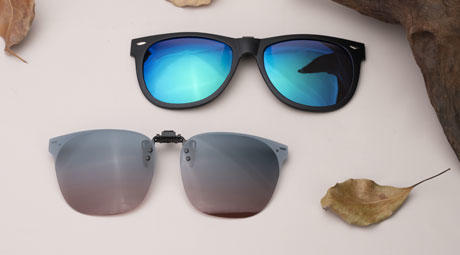
Acetate: This plant-based plastic is the go-to for bold, expressive color. Because the color is mixed into the material itself, you can get incredible depth, translucency, and layered patterns like tortoise and Havana. Acetate frames tend to be thicker and more substantial, making them the perfect vehicle for a statement silhouette. They feel warm and organic to the touch, lending a certain artistic, handcrafted quality to your style.
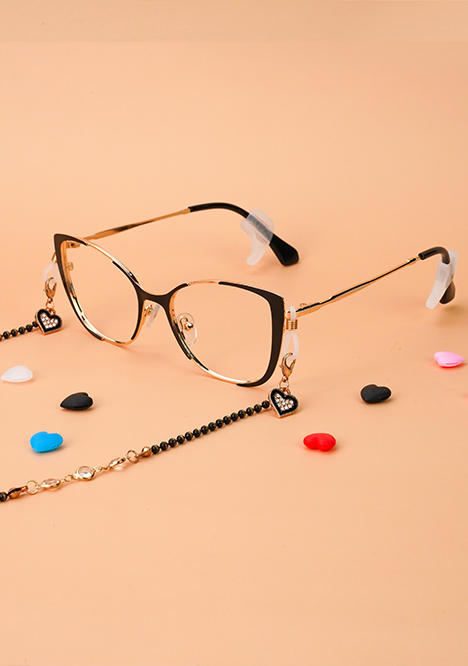
Metal: Metal frames, often made from stainless steel or titanium, speak a language of precision and minimalism. They allow for incredibly thin, lightweight silhouettes that feel modern and industrial. For the creative who leans towards a more understated, Scandinavian, or minimalist aesthetic, a slim metal frame offers structure without shouting. They are also highly adjustable, particularly at the nose pads, providing a tailored fit.
Here’s a breakdown of how these materials serve different creative aesthetics:
| Feature | Acetate Frames | Metal Frames |
|---|---|---|
| Aesthetic | Bold, artistic, organic, substantial | Minimalist, precise, industrial, lightweight |
| Best For | Vibrant colors, unique patterns, making a strong statement | Understated elegance, intricate details, a modern look |
| Personality | The expressive painter or brand strategist | The detail-oriented architect or UX designer |
| Fit Notes | Fixed bridge requires a good match to your nose shape | Adjustable nose pads offer a more customized fit |
| Weight | Heavier, more presence on the face | Lighter, often more comfortable for all-day wear |
The Impact of Color and Lens Technology
Color is a creative's native language, and your sunglasses offer a prime opportunity to use it. The right hue can complement your skin tone, coordinate with your wardrobe, and express a specific mood. But color in eyewear isn't just about the frame; the lens tint is equally important for both style and function.
Frame Color: Beyond Basic Black
While a classic black or tortoise frame is undeniably versatile, don't be afraid to embrace color. A frame in a deep jewel tone—like emerald green or sapphire blue—can add a sophisticated pop of color without being overwhelming. For the truly bold, a primary color like red or yellow can become a signature part of your look.
Consider the theory of color in your choice:
- Monochromatic: A frame that matches your hair color or a dominant color in your wardrobe creates a cohesive, put-together look.
- Complementary: A frame in a color opposite to your eye color on the color wheel can make your eyes appear more vibrant.
- Analogous: Colors that sit next to each other on the color wheel (e.g., blue and green) create a harmonious, pleasing effect.
Lens Tints: Function Meets Fashion
The tint of your lenses does more than just complete the look; it alters how you see the world. According to ophthalmologists at the Cleveland Clinic, different lens colors have specific benefits.
- Gray/Green: These tints are a favorite for driving and general use because they reduce brightness while maintaining true color perception. They provide a neutral, natural view.
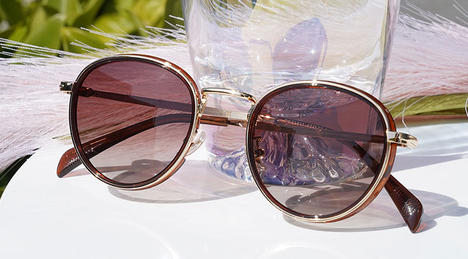
- Amber/Brown: These colors enhance contrast, making them great for activities where depth perception is key. They can make landscapes appear more vibrant.
- Gradient: Lenses that are darker at the top and lighter at the bottom are excellent for driving, as they shield your eyes from overhead sun while allowing you to see your dashboard clearly.
It's a common misconception that the darkness of a lens is what protects your eyes. In reality, UV protection is a clear coating or a property of the lens material itself. As experts at the MD Anderson Cancer Center warn, wearing dark lenses without certified UV protection is actually more dangerous than wearing no sunglasses at all. The dark tint causes your pupils to dilate, letting more harmful UV radiation into your eyes.
The Unseen Essentials: UV Protection and Quality Fit
A bold design will turn heads, but the true value of your eyewear lies in its ability to protect your vision and fit comfortably. For a creative professional who relies on their eyes, these technical details are not optional—they are essential.
The UV400 Standard: A Non-Negotiable Shield
Ultraviolet (UV) radiation is a known risk factor for numerous eye conditions. The damage is cumulative, meaning it builds up over your lifetime. This is why choosing sunglasses that offer maximum protection is critical.
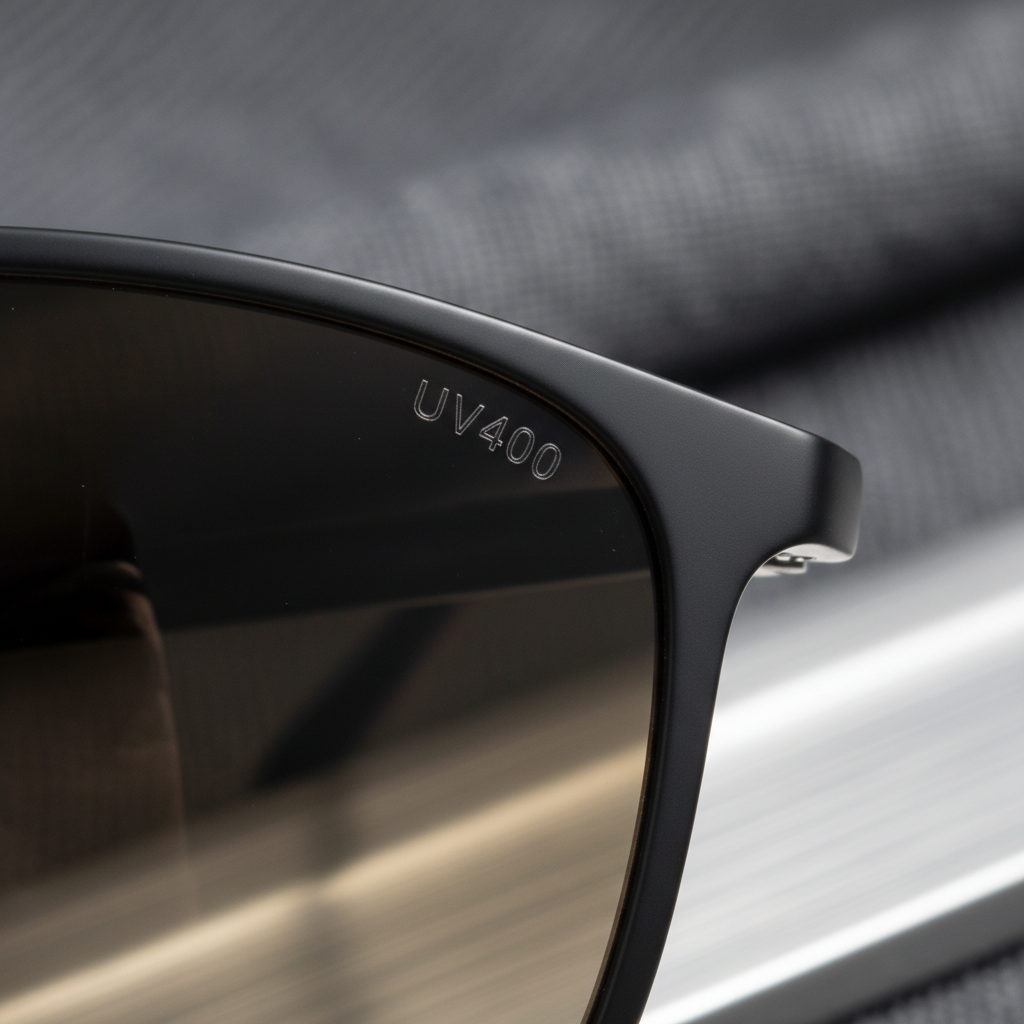
Look for a label that says "UV400" or "100% UV Protection." This means the lenses block all light rays with wavelengths up to 400 nanometers, which covers all of UVA and UVB rays. Some older standards only protected up to 380 nm, but as a technical report on PubMed highlights, the 380-400 nm band contains significant solar energy. In fact, research published by SPIE, the international society for optics and photonics, found that the 280–400 nm range contains 45% more UV energy than the narrower 280–380 nm range. That 20-nanometer gap makes a huge difference in protecting your long-term eye health.
Modern polycarbonate lenses often have UV protection embedded directly into the material, making it a permanent feature that won't scratch off. This is a crucial quality feature that distinguishes high-quality eyewear from cheap, disposable alternatives.
Achieving the Perfect Fit
An ill-fitting pair of sunglasses, no matter how stylish, will end up left at home. Comfort is key. Here are a few practical rules of thumb from opticians for finding a frame that feels as good as it looks:
- Frame Width: The overall width of the frame should be slightly wider than your face. A good target is to have the edges of the frame extend no more than a finger's width from the side of your head.
- Temple Arms: The arms of the sunglasses should extend straight back to your ears and only curve down at the very end. If they press into the side of your head, the frame is too narrow.
- Bridge: The bridge of the frame should sit securely on your nose without pinching or sliding. If you have a low or wide bridge, consider an acetate frame with a "keyhole" bridge or a metal frame with adjustable nose pads for a more tailored fit.
A great fit also enhances protection. As the American Academy of Ophthalmology recommends, oversized or wraparound styles are effective at blocking peripheral light from entering your eyes from the sides, a detail that is especially important in high-glare environments.
Wrapping Up: The Synthesis of Style and Substance
For the creative professional, sunglasses are a powerful tool for self-expression and a critical piece of protective gear. Your choice of frames is an opportunity to communicate your unique aesthetic, whether it’s the structured precision of an architectural metal frame or the bold, artistic statement of colorful acetate.
By pairing a distinctive design with the non-negotiable standard of UV400 protection and a comfortable, secure fit, you invest in both your personal brand and your long-term vision. The most creative statement you can make is choosing eyewear that is as intelligent and well-crafted as the work you produce.
Disclaimer: This article is for informational purposes only and does not constitute medical advice. Please consult with a qualified eye care professional for any concerns about your vision or eye health.


