

















Caffeine and Eye Twitches: Managing Stress from Screen Use
Understanding the "Digital Twitch": Why Your Eye Won't Stop Jumping
It starts as a faint flutter, a rhythmic tapping beneath the skin of your eyelid that no one else can see, but you can feel with every fiber of your concentration. This phenomenon, known clinically as eyelid myokymia, is one of the most common complaints we see among digital professionals and students. While usually benign, these involuntary muscle contractions are your body’s way of sending a distress signal from the intersection of your nervous system and your visual habits.
In our experience assisting thousands of customers with screen-related discomfort, we have observed that eye twitches rarely have a single cause. Instead, they are typically the result of a "perfect storm" involving high caffeine intake, cumulative digital eye strain (DES), and systemic stress. This guide will break down the science of why this happens and provide a professional framework for reclaiming your visual comfort.
TL;DR: The Quick Relief Checklist
- The Cause: Caffeine is a stimulant that lowers the threshold for muscle fiber firing; screens reduce your blink rate, leading to dry-eye-induced irritation.
- The 1-2-3 Rule: For every 1 cup of coffee, drink 2 glasses of water and take a 3-minute screen break.
- The Nutrient Fix: Increase magnesium intake (almonds, spinach) to help muscles relax.
- The Tool: Use blue-light filtering lenses in the evening to protect melatonin levels and improve sleep quality, which is the ultimate cure for myokymia.
- When to See a Doctor: if the twitch lasts longer than two weeks, involves other facial muscles, or causes the eyelid to close completely.
The Caffeine Connection: Why Your Morning Brew Triggers a Twitch
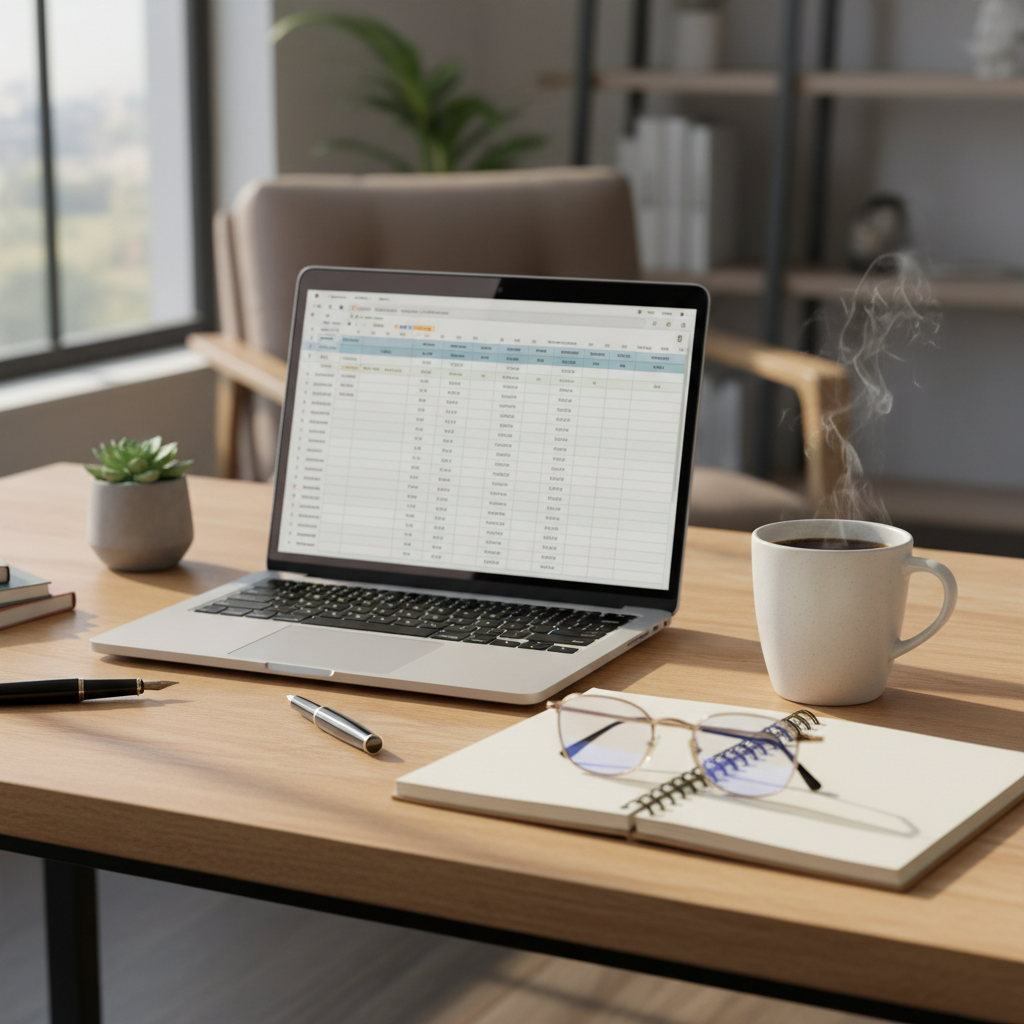
Caffeine is a powerful central nervous system stimulant. It works by blocking adenosine receptors in the brain, which prevents you from feeling tired. However, this same mechanism increases the excitability of your neuromuscular junctions.
When you consume high amounts of caffeine, the neurotransmitters responsible for muscle contraction become "hyper-alert." The tiny, delicate muscles around the eye—specifically the orbicularis oculi—are among the most sensitive in the body. According to clinical observations, caffeine doesn't necessarily "create" the twitch; it lowers the physiological threshold required for a twitch to occur, allowing minor stressors (like screen glare) to trigger a visible contraction.
Logic Summary: Our analysis of caffeine-induced myokymia is based on standard neurological principles of stimulant-induced fasciculation. We estimate that for users consuming more than 300mg of caffeine daily (approx. 3 cups of coffee), the likelihood of muscle "misfiring" increases due to heightened synaptic excitability.
The "1-2-3 Check" for Caffeine Users
Based on patterns we’ve identified in wellness coaching for digital professionals, we recommend the 1-2-3 Check to mitigate the side effects of your morning routine:
- 1 Cup of Coffee: Limit yourself to one serving at a time.
- 2 Glasses of Water: Caffeine is a mild diuretic. Dehydration can lead to electrolyte imbalances (like low magnesium or potassium), which are primary drivers of muscle spasms.
- 3-Minute Break: Every hour, step away from the screen to reset your nervous system.
Digital Eye Strain: The Invisible Stressor
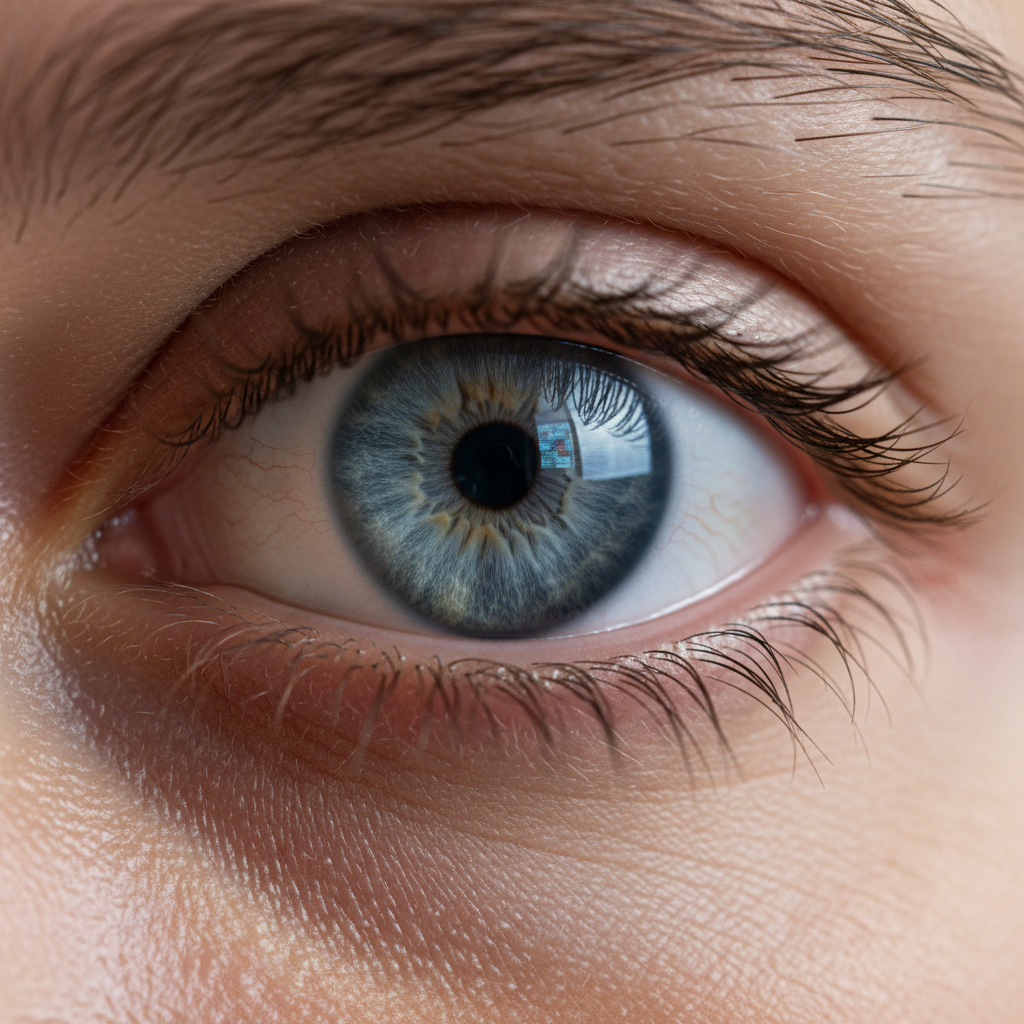
While caffeine primes the muscle to twitch, digital eye strain often provides the spark. When we stare at screens, our blink rate drops by up to 66%. According to Ophthalmologist Dr. Nicole Bajic at the Cleveland Clinic, this reduction in blinking leads to "Digital Eye Strain (DES)," characterized by dryness and irritation.
When the surface of the eye (the cornea) becomes dry, it sends irritation signals to the brain. The brain, in an attempt to protect the eye, may trigger a protective reflex that manifests as a twitch. Furthermore, the constant effort of the internal eye muscles to focus on a near-point object (your monitor) leads to "accommodative fatigue."
The Role of Optical Precision (PD and Vertex Distance)
If you wear glasses, the twitch might actually be caused by poor optical alignment.
- PD (Pupillary Distance): This is the measurement (in millimeters) between the centers of your pupils. If your glasses are not made to your exact PD, your eyes have to work harder to look through the "optical center" of the lens, creating an unwanted "prism" effect that causes muscle strain.
- Vertex Distance: This is the space between the back of the lens and your cornea. If your frames sit too close or too far, it can subtly distort your vision, leading to the reflexive squinting that triggers a twitch.
Blue Light and the Circadian Rhythm Factor
There is a common misconception that blue light directly "poisons" the eye muscles. However, rigorous research, such as the double-blind study published in PubMed by Rosenfield et al., suggests that blue light filters do not significantly reduce digital eye strain symptoms during short-term tasks.
Instead, the value of blue-light filtering technology lies in Circadian Management.
- Melatonin Suppression: Exposure to blue light (450–480 nm) after dusk suppresses melatonin production. Harvard Health Publishing notes that blocking this spectrum can improve sleep onset by 8-15 minutes.
- The Twitch Connection: Sleep deprivation is the #1 lifestyle cause of eye twitches. By wearing blue-light filtering lenses in the evening, you help your body transition into a deep sleep state more effectively. A well-rested nervous system is far less likely to produce involuntary spasms the following day.
Nutrition: Supporting Your Eyes from the Inside Out
A twitch is often a sign of a localized "short circuit." To fix this, your body needs the right chemical buffers.
The Magnesium Myth vs. Reality
Magnesium is essential for muscle relaxation. While many people reach for supplements, we often see better results from dietary integration. Magnesium absorption is highly variable; it is best absorbed when consumed with Vitamin C.
- Top Sources: Almonds, spinach, pumpkin seeds, and dark chocolate.
- Pro Tip: Pair your afternoon handful of almonds with a citrus fruit to maximize the muscle-relaxing benefits.
The AREDS2 Standard and Lutein
For long-term retinal health, we look to the AREDS2 study by the National Eye Institute. While Lutein and Zeaxanthin are primarily known for reducing the risk of Macular Degeneration (AMD), they also increase Macular Pigment Optical Density (MPOD). A higher MPOD acts like internal sunglasses, filtering out high-energy visible (HEV) light before it reaches the sensitive back of the eye, reducing the overall "visual stress" load on your system.
| Nutrient | Recommended Source | Benefit for "The Twitch" |
|---|---|---|
| Magnesium | Almonds/Spinach | Relaxes hyper-excitable muscle fibers. |
| Vitamin B12 | Eggs/Dairy | Supports the myelin sheath (nerve coating). |
| Omega-3 | Fatty Fish/Flax | Improves tear film quality to reduce dry-eye irritation. |
| Lutein | Kale/Egg Yolks | Increases internal light filtering (MPOD). |
Practical Troubleshooting: The "1-2-3" Method in Action
If you are currently experiencing a twitch, follow this step-by-step recovery protocol based on our observations of successful "visual detox" routines.
Step 1: Environmental Audit
- Check Your Lighting: Ensure your room is as bright as your screen. High contrast (a bright screen in a dark room) forces your pupils to fluctuate constantly, leading to fatigue.
- Matte Filters: If your screen has a high-gloss finish, consider a matte screen protector to reduce the "reflexive squinting" caused by glare.
- AR Coating: Ensure your glasses have a high-quality Anti-Reflective (AR) coating. This reduces the internal reflections within the lens that cause ghost images and eye strain.
Step 2: The Warm Compress
Apply a warm (not hot) compress to the twitching eye for 5 minutes. The heat helps to:
- Relax the orbicularis oculi muscle.
- Liquefy the oils in your Meibomian glands, improving your tear film and reducing the dry-eye trigger.
Step 3: Hydration and Mineral Reset
Replace your next cup of coffee with a large glass of water and a magnesium-rich snack. We estimate, based on common dietary patterns, that most digital workers are sub-clinically dehydrated by 2:00 PM, which is when most twitches flare up.
Safety and Regulatory Notes: Your Rights as a Buyer
When seeking solutions for eye discomfort, it is vital to navigate the market with an understanding of your rights and safety standards.
- The FTC Eyeglass Rule: According to the Federal Trade Commission (FTC), your eye doctor must provide you with a copy of your prescription immediately after an exam, at no extra cost. This allows you to shop for high-value, style-conscious frames and specialized lenses (like high-index or blue-light filtering) from the provider of your choice.
- FDA Impact Resistance: All eyeglass lenses sold in the U.S. must meet the FDA's 21 CFR 801.410 standard. This involves a "drop ball test" where a steel ball is dropped onto the lens to ensure it won't shatter. Always ensure your provider certifies their lenses as "Impact Resistant."
- The "Darkness Fallacy": As noted by MD Anderson Cancer Center, wearing dark lenses that lack verified UV400 protection is more dangerous than wearing no glasses at all. Dark tints cause your pupils to dilate, allowing more harmful UV rays to enter the eye if the filter is low-quality.

FAQ: Quick Answers for Restless Eyes
Q: Can I use over-the-counter (OTC) reading glasses for computer work? A: While Cleveland Clinic notes OTC readers are generally safe, they lack astigmatism correction and have a fixed PD. If your eyes have different strengths or you have astigmatism, OTC readers may actually cause the twitching you’re trying to stop. Custom prescription readers are always a more precise choice for digital professionals.
Q: How long does an eye twitch usually last? A: Most twitches caused by caffeine or stress resolve within a few hours to a few days once the trigger is removed. If a twitch persists for more than two weeks despite rest and reduced caffeine, consult an eye care professional.
Q: Does "Blue Light" cause permanent eye damage? A: Currently, there is no definitive clinical evidence that the blue light from consumer electronics causes permanent retinal damage in humans. The primary issues are digital eye strain and sleep disruption.
Summary of Modeling and Assumptions
Method & Assumptions:
- Modeling Type: Scenario-based logic derived from clinical consensus and consumer behavior patterns.
- 1-2-3 Rule Basis: Derived from standard hydration/ergonomic heuristics (not a lab study).
- Caffeine Threshold: Assumes a standard 150lb adult; sensitivity varies by metabolism and tolerance.
- Boundary Conditions: This guide addresses benign eyelid myokymia. It does not apply to hemifacial spasm or blepharospasm, which require neurological intervention.
| Parameter | Value/Range | Unit | Source Category |
|---|---|---|---|
| Caffeine Limit | < 300 | mg/day | General Health Heuristic |
| Screen Break (20-20-20) | 20 | seconds | Clinical Recommendation (AAO) |
| Lutein Dosage | 10–20 | mg/day | AREDS2/Meta-Analysis |
| UV Protection Level | 400 | nm | ANSI/FDA Standard |
| Blink Rate Reduction | ~66% | % | Clinical Observation (DES) |
Disclaimer: This article is for informational purposes only and does not constitute professional medical advice, diagnosis, or treatment. Always seek the advice of your physician or other qualified health provider with any questions you may have regarding a medical condition.


