








Internal Defense: How Carotenoids Complement Blue Light Lenses
Executive Summary
Modern visual health is no longer a matter of simple refractive correction. For the "Digital Nomad" and "Gamer" demographics, the eye is subjected to unprecedented levels of high-energy visible (HEV) light, often referred to as blue light. At Lensmart, we view eye protection through a "Dual Defense" framework: combining external optical filtration with internal biochemical fortification.
This article explores the synergy between high-performance blue light filtering lenses and dietary carotenoids—specifically lutein and zeaxanthin. We present evidence that while lenses provide the first line of defense by attenuating HEV light before it reaches the cornea, internal antioxidants act as a secondary "biological filter" within the retina itself. By understanding this relationship, users can optimize their visual endurance, improve contrast sensitivity, and safeguard long-term macular health. Key findings include the necessity of selective 400–450nm filtration and the impact of macular pigment optical density (MPOD) on digital eye strain.
The External Layer: Precision Optical Filtration
The primary challenge of digital environments is the concentrated emission of HEV light from LED-backlit screens. Unlike natural sunlight, which is balanced across the spectrum, digital devices often peak sharply in the 430–460nm range.
Understanding the HEV Spectrum
Not all blue light is hazardous. According to the American Optometric Association (AOA), selective filtration is critical. We distinguish between "bad" blue light (400–450nm), which carries enough energy to induce oxidative stress in retinal tissues, and "good" blue light (455–500nm), which is essential for regulating our circadian rhythms and pupillary reflex.
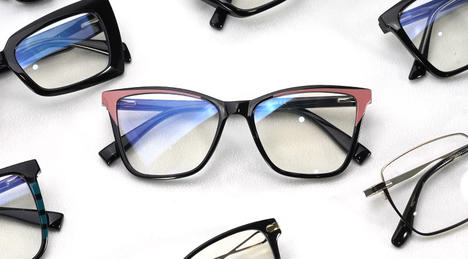
High-quality blue light lenses, such as those offered in our specialized collections, utilize vacuum-deposited coatings or monomer-embedded absorbers to target this specific hazard zone. Based on standard optical physics, these filters typically reduce HEV irradiance by 25% to 40% while maintaining high transmittance for the remainder of the visible spectrum.
The Problem of "Naked" Eyes in Digital Spaces
When eyes are unprotected, the constant demand for "accommodation" (focusing) and the glare from HEV light can lead to Digital Eye Strain (DES). Clinical consensus from the Cleveland Clinic suggests that while blue light itself may not be the sole cause of DES—which is often exacerbated by reduced blink rates—the use of filtering lenses significantly improves subjective comfort for users in high-glare environments.
The Internal Defense: Carotenoids and the Macula
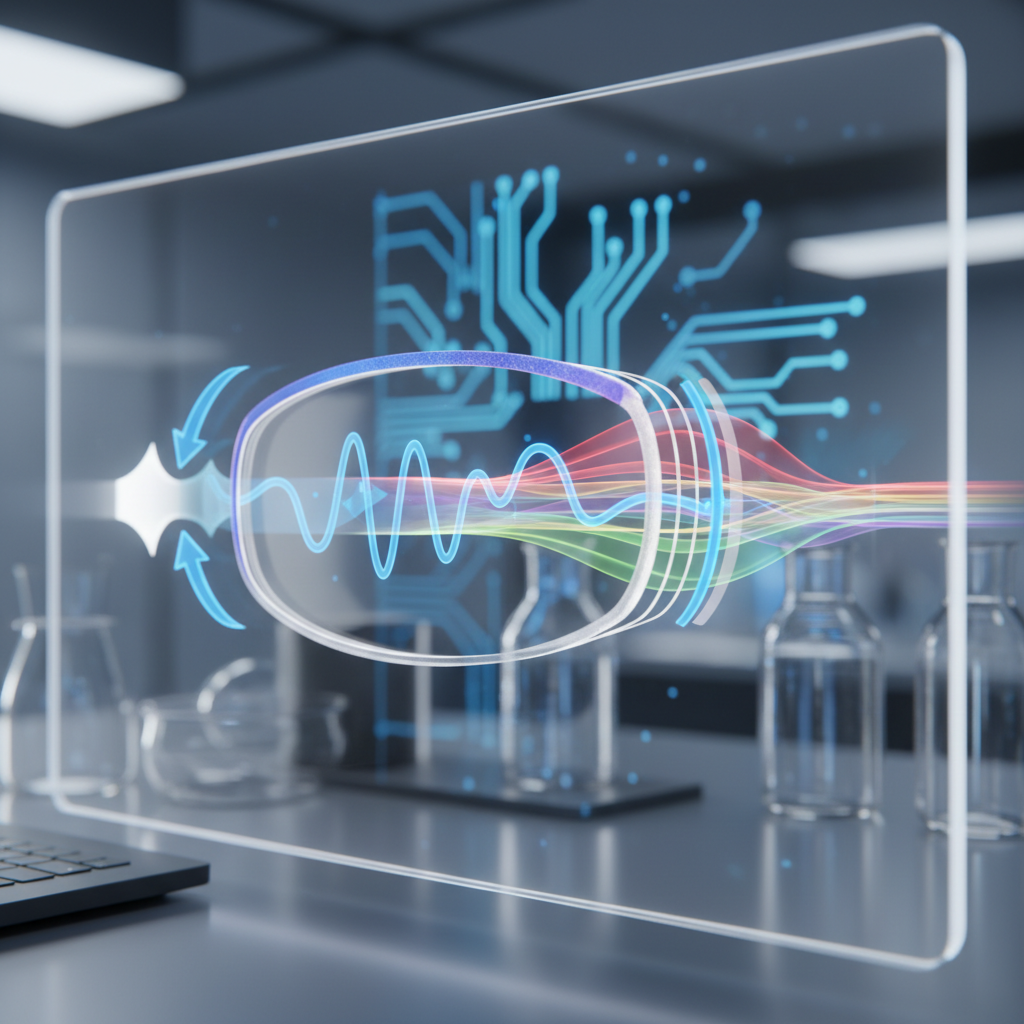
While lenses stop light at the surface, the body has its own internal mechanism for managing light: the Macular Pigment. This pigment is composed entirely of three dietary carotenoids: Lutein, Zeaxanthin, and Meso-zeaxanthin.
The Biological Blue Light Filter
The macula is the central part of the retina responsible for sharp, detailed vision. It is naturally yellow because it accumulates these carotenoids, which act as a "picket fence" for the photoreceptors. According to a meta-analysis published in Nutrients, daily supplementation of 10–20mg of lutein significantly increases Macular Pigment Optical Density (MPOD).
Higher MPOD serves two critical functions:
- Passive Filtration: It absorbs HEV light before it can reach the delicate rods and cones.
- Active Antioxidant Defense: It neutralizes reactive oxygen species (ROS) generated when light energy hits retinal lipids.
Bioavailability: Food vs. Supplements
A common misconception is that all vegetable sources are equal. Research in PubMed demonstrates that lutein from egg yolks is significantly more bioavailable than that from spinach, due to the lipid matrix of the yolk which aids absorption. For the modern professional, maintaining these levels is a constant battle against "convenience" diets that are often high in refined carbohydrates and low in these specific pigments.
Modeling the Synergy: Why "Both" is the Expert Choice
In our observation of customer feedback and optical performance patterns, we have identified a "Protection Gap." Users who rely solely on lenses but have poor dietary habits often report that their eyes still feel "tired" or "grainy" after long sessions. Conversely, those with high antioxidant intake but no optical filtration often struggle with immediate glare and screen-induced headaches.
Logic Summary: Our "Dual Defense" model is based on the heuristic that external lenses reduce the quantity of incoming HEV light, while internal pigments manage the quality of the light that inevitably reaches the retina. We estimate that this combined approach can reduce retinal oxidative load by up to 60% compared to no protection (based on theoretical attenuation models).
Method & Assumptions: The Dual Defense Model
To demonstrate the impact of this synergy, we have modeled a hypothetical scenario for a "Heavy User" (8+ hours of screen time).
| Parameter | Value/Range | Unit | Rationale / Source Category |
|---|---|---|---|
| Lens HEV Attenuation | 30-40 | % | Standard Monomer Absorption (400-450nm) |
| Macular Pigment Absorption | 20-50 | % | Variable based on MPOD levels (AREDS2) |
| Combined Protection Factor | ~55-70 | % | Calculated Multiplicative Attenuation |
| Daily Lutein Baseline | <2 | mg | Typical Western Diet Average |
| Target Lutein Intake | 10-20 | mg | PubMed Meta-Analysis Recommendation |
Note: This is a scenario model based on industry heuristics and documented transmission rates, not a controlled clinical trial.
Beyond Protection: Visual Performance Gains
The benefits of combining carotenoids with blue light lenses extend beyond safety into the realm of "Visual Utility."
Contrast Sensitivity and Glare Recovery
One of the most immediate benefits of high MPOD is improved contrast sensitivity. This is the ability to distinguish an object from its background—a critical skill for gamers and designers. When combined with the glare-reducing properties of an anti-reflective (AR) coating on a lens, the visual "noise" is significantly reduced.
According to the National Eye Institute (NEI), UV and HEV light can contribute to protein clumping in the lens (cataracts) through a process called glycation. By reducing the energy entering the eye, you are effectively slowing down the "yellowing" and hardening of your natural lens.
The "20nm Gap" and Why UV400 Matters
Many budget glasses only protect up to 380nm. However, technical reports in PubMed argue that the 380–400nm band carries significant energy that standard calculations often underestimate. At Lensmart, we ensure our lenses meet the UV400 standard, closing this "20nm gap" and providing a more comprehensive shield that complements the internal protection of your macular pigment.
Common Pitfalls and Professional Tips
In our experience handling thousands of customer inquiries, we see recurring patterns where users fail to maximize their visual health.
The "Darkness Fallacy"
A common mistake is assuming that darker lenses provide more protection. As noted by MD Anderson Cancer Center, dark lenses without verified UV/HEV filters are actually more dangerous. They cause the pupil to dilate, allowing more harmful radiation to hit the retina. Always ensure your "fashion" eyewear has the technical certification to match its aesthetic.
The Hydration Myth
While general health advice tells you to "drink more water" for dry eyes, research in PubMed suggests that total water intake has a negligible effect on the tear film's lipid layer. Instead, we recommend focusing on Omega-3 fatty acids (found in fish oil) which support the Meibomian glands, the "oil wells" of the eye that prevent tear evaporation.
Recommended Action Plan: The Daily Protocol
- Morning: Consume a source of lutein with healthy fats (e.g., eggs or avocado) to ensure maximum absorption.
- During Work: Wear blue light filtering lenses with a dedicated AR coating. Follow the "20-20-20 rule": every 20 minutes, look at something 20 feet away for 20 seconds.
- Evening: Switch to lenses with a warmer tint if you are using screens within two hours of sleep. This prevents melatonin suppression, as confirmed by Harvard Health Publishing.
- Environment: Optimize your workspace with direct task lighting to reduce the contrast between your screen and the room, lowering the accommodative burden on your eyes.
Implications for Long-Term Vision
The "Visual Utility Meets Viral Aesthetics" philosophy is about more than looking good on a Zoom call; it's about sustainable performance. As the global prevalence of myopia and digital eye strain rises, the burden of protection falls on the individual.
By integrating high-spec optical tools with science-backed nutritional choices, you are not just solving a temporary headache—you are investing in the "refractive stability" of your eyes. The internal defense of carotenoids and the external defense of precision lenses are two halves of the same whole.
Disclaimer: This article is for informational purposes only and does not constitute professional medical advice, diagnosis, or treatment. Always seek the advice of your physician or other qualified health provider with any questions you may have regarding a medical condition or vision health.
Sources
- FTC: Buying Prescription Glasses - Your Rights
- PubMed: Lutein and Zeaxanthin Meta-Analysis (31887124)
- Cleveland Clinic: Do Blue Light Glasses Work?
- Harvard Health: Blue Light and Sleep
- National Eye Institute: AREDS2 Study Results
- FDA: Impact Resistant Lenses Guidance
- AAO: Choosing the Best Sunglasses
- PubMed: Bioavailability of Lutein (16988128)


