






How to Choose UV400 Lenses for Beach and Water Sports
TL;DR: Your Guide to Beach & Water Sport Sunglasses
For intense sun and glare found at the beach or on the water, standard fashion sunglasses are not enough. You need lenses that are certified UV400 to block all harmful UV rays and are polarized to cut blinding glare from reflective surfaces. The best frames are wraparound or oversized to prevent light from leaking in from the sides. Lens tint matters for performance: gray for true color, brown/amber for high contrast, and mirror coatings for reducing the brightest light. Always rinse your glasses with fresh water after use to prevent damage from salt and sand.
Spending a day on the water, whether you're boating, fishing, or just relaxing on the beach, exposes your eyes to some of the harshest visual conditions imaginable. You have direct sunlight from above and intensely focused, reflected glare from the water's surface. This combination doesn’t just cause you to squint; it leads to eye strain, headaches, and, most importantly, exposure to damaging ultraviolet (UV) radiation.
Many people grab the nearest pair of cheap sunglasses, assuming any dark lens will do the job. However, as research from consumer studies shows, a significant number of people avoid sunglasses precisely because they are uncertain about the efficiency of the UV protection in affordable eyewear. This guide is here to clear up that confusion. We'll break down exactly what to look for—from UV ratings to lens technologies—to ensure your eyes are safe and your vision is clear, without needing to spend a fortune.
The Non-Negotiable Baseline: Why UV400 is Essential
Before we even discuss style or lens color, the absolute foundation of any good pair of sunglasses is its ability to block ultraviolet radiation. UV light is invisible energy from the sun that can cause significant damage to your eyes over time, contributing to conditions like cataracts and macular degeneration. According to the National Eye Institute, UV light can trigger a chemical process that causes the lens of your eye to yellow and harden, a key step in cataract formation.
Debunking the "Dark Lens" Myth
A pervasive and dangerous myth is that the darkness of a lens indicates its level of UV protection. This is incorrect. In reality, UV protection comes from an invisible chemical coating or inherent properties of the lens material itself, not the tint.
Wearing dark lenses without certified UV protection is actually more dangerous than wearing no sunglasses at all. As experts at the MD Anderson Cancer Center warn, the dark tint causes your pupils to dilate, or open wider. If the lenses aren't blocking UV rays, this dilation allows even more harmful radiation to enter your eye. To learn more about this, see our detailed guide on dark tints vs. UV coatings.
Why "UV400" is the Gold Standard
You will often see labels like "Blocks 99% of UV rays" or "UV380." While these sound good, they are not sufficient. Some older standards only protect against UV light up to 380 nanometers (nm). However, a significant amount of high-energy UVA light exists in the 380-400 nm range. Technical analysis has shown that the 280–400 nm range contains about 45% more UV energy than the 280–380 nm range.
A UV400 rating ensures that the lenses block all light rays with wavelengths up to 400 nanometers, which covers all UVA and UVB rays. This is the standard you should always look for.
Taming the Glare: The Power of Polarization
On the water, you’re not just dealing with sunlight from above; you’re battling glare. Glare is concentrated horizontal light that reflects off flat surfaces like water, sand, and boat decks. It’s what causes you to squint intensely and can be temporarily blinding.
Polarized lenses contain a special chemical film that acts like a vertical blind, blocking these horizontal light waves. The result is a dramatic reduction in glare, which not only makes your vision more comfortable but also much clearer, allowing you to see objects below the water's surface.

Pro Tip: The LCD Screen Conflict
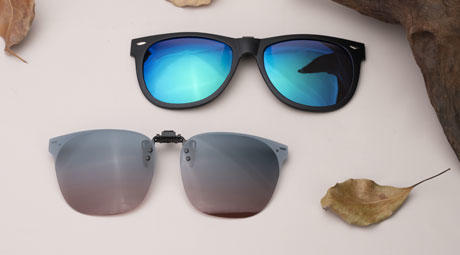
While essential for water sports, polarization has one common drawback: it can make it difficult or impossible to see LCD screens, such as those on your smartphone, GPS unit, or fish-finder. As noted by the Federal Aviation Administration in its guidance for pilots, this effect can black out critical digital displays. Before committing to a pair, do a quick test: look at your phone screen while wearing the sunglasses and tilt your head. If the screen goes dark, be aware of this limitation. For boaters who rely on electronics, having a non-polarized backup pair or using flip-up polarized clip-ons can be a practical solution.
Choosing the Right Frame and Fit to Block Peripheral Light
The best lenses in the world won't protect you if your frames don't fit properly. UV radiation doesn't just come from the front; it can leak in from the sides, top, and even reflect off the back surface of the lens into your eye. A 3D study on ocular UV exposure found that medium-sized, fashionable frames often provide the least protection due to this peripheral light leakage.
Expert Checklist for a Protective Fit:
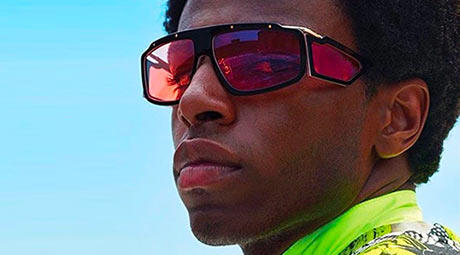
- Style and Coverage: Choose oversized or wraparound styles. These designs curve to follow the shape of your face, offering a physical barrier against stray light. For those with stronger vision needs, exploring a guide to wraparound high prescription sunglasses can be very helpful.
- Wrap Angle: A good fit should have an 8–14° curve or "wrap" to hug your face.
- Cheek Gap: There should be no more than a 6mm gap (about a quarter-inch) between the bottom of the frame and your cheeks to prevent light from reflecting up from the water.
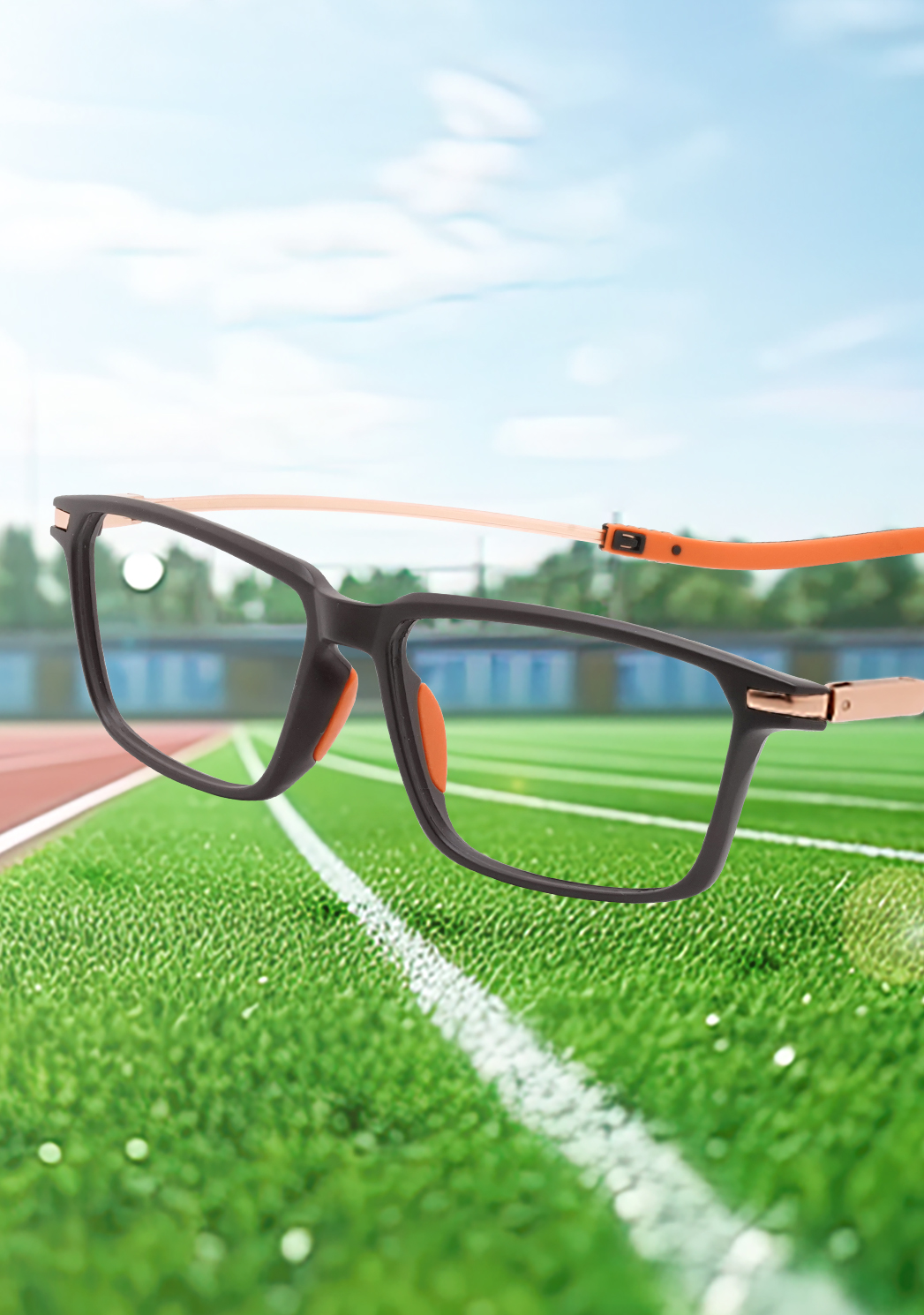
- Stability: Look for temple arms longer than 130mm and adjustable nose pads. This combination ensures the glasses stay securely on your face, even during active moments, and prevents them from slipping down your nose.
Lens Tints and Coatings: Optimizing Your Vision
While tint color doesn't affect UV protection, it plays a huge role in visual comfort and performance by manipulating visible light. Different colors filter light differently, enhancing contrast or ensuring true color perception.

Comparison Table: Choosing Your Tint
| Tint Color | Best For | How it Works |
|---|---|---|
| Neutral Gray / Green | Bright, direct sun; boating; driving | Reduces overall brightness without distorting colors. Ideal for situations where accurate color recognition is important. |
| Brown / Amber | Overcast days; inshore fishing; sight-fishing | Enhances contrast and depth perception by filtering out more blue light. Makes it easier to spot details against a cluttered background. |
| Yellow | Extreme low-light (dawn/dusk) | Maximizes available light and sharpens focus. Not suitable for bright sunlight as it does not reduce brightness effectively. |
What About Mirror Coatings?
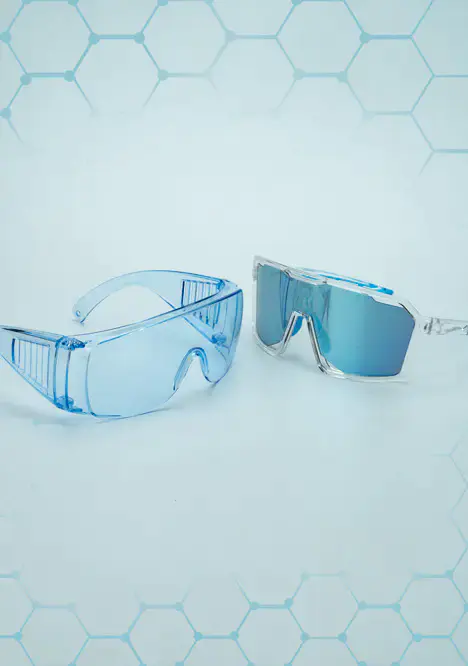
A mirror coating is a reflective layer on the outside of the lens that reduces the amount of light passing through to your eyes. In extremely bright conditions, like open water on a cloudless day, this can significantly decrease squinting and eye fatigue. It functions as an extra layer of dimming but does not add to the UV400 protection, which should already be built into the lens.
Care and Maintenance for Longevity
Saltwater and sand are enemies of eyewear. Salt crystals are abrasive and can corrode lens coatings, while sand can cause deep scratches. Proper care is crucial to making your investment last.
- Rinse Immediately: After any exposure to salt or sand, rinse your glasses with fresh water as soon as possible.
- Wipe Correctly: Never wipe your lenses when they are dry. After rinsing, gently pat them with a microfiber cloth. Avoid using your t-shirt, which can trap abrasive particles.
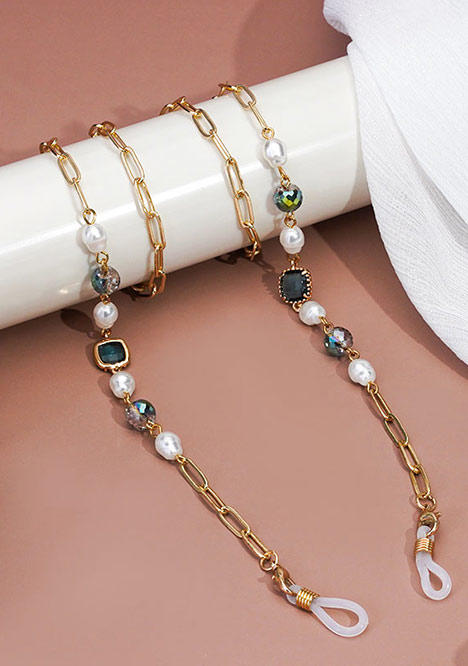
- Use a Strap: For active water sports like surfing or kayaking, a floating eyewear retainer strap is a wise investment to prevent losing your glasses to the water.
- Be Aware of Aging: Lenses can lose their UV-blocking effectiveness over time due to exposure, a process known as photobleaching. Some studies have shown a reduction in efficacy after just 50 hours of intense simulator exposure. If your sunglasses are old or heavily used, consider having them tested at an optical shop or replacing them every couple of years.
Key Takeaways
Choosing the right sunglasses for the beach and water is a matter of safety, not just style. By prioritizing a few key features, you can ensure your eyes get the protection they need.
- UV400 is Mandatory: No exceptions. Ensure your lenses block 100% of UVA and UVB rays up to 400nm.
- Polarization is Key: For any activity on or near water, polarized lenses are the best way to defeat blinding glare.
- Fit Over Fashion: A snug, close-fitting wraparound frame is your best defense against peripheral light.
- Choose Tints for Your Task: Use gray for true color and brown/amber for enhanced contrast.
- Clean with Care: Rinse away salt and sand with fresh water to preserve your lens coatings.
Frequently Asked Questions (FAQ)
Do more expensive sunglasses offer better UV protection? Not always. Price is often tied to brand name, frame materials, and design features rather than the core UV protection. An affordable pair of certified UV400 sunglasses can be just as safe as a designer pair. The key is verification; always buy from a reputable source that explicitly guarantees UV400 protection.
Can I wear my regular prescription glasses at the beach? Only if you have confirmed they have a UV400 protective coating. Most clear prescription lenses made from modern materials like polycarbonate have inherent UV protection, but you should always verify. Also, be aware that standard anti-reflective coatings can sometimes increase UV reflection from the back surface of the lens into your eye. A specific UV-absorbing anti-reflective coating is the safest option for all-day wear.
Will sunglasses harm my child's vision development? No, in fact, they are crucial for protecting a child's eyes, which are more susceptible to UV damage. Some parents worry that blocking sunlight might interfere with the protective effect that outdoor time has against nearsightedness (myopia). However, research has shown that even with sunglasses on, the ambient light outdoors is still significantly brighter and sufficient to provide the myopia-prevention benefits compared to being indoors. Starting sun protection early is one of the best habits for lifelong eye health.
Disclaimer: This article is for informational purposes only and does not constitute professional medical advice. The information provided is not a substitute for a consultation with a qualified eye care professional. Always consult with your optometrist or ophthalmologist for any eye health concerns, especially if you have pre-existing conditions.
References
- National Eye Institute (NEI): New research sheds light on how UV rays may contribute to cataract
- MD Anderson Cancer Center: 9 things to know about sunglasses, eye protection and cancer
- SPIE - The International Society for Optical Engineering: Evaluation of the ultraviolet protection factor of sunglasses
- Federal Aviation Administration (FAA): Sunglasses for Pilots
- PMC (National Center for Biotechnology Information): Ocular UV-doses in outdoor workers: the contribution of frame-fit and lens-transmittance
- PMC (National Center for Biotechnology Information): Myopia, Ultraviolet Radiation, and Use of Sunglasses in Children


