













Chronic Dry Eye After LASIK: Causes and Clinical Relief.
The Trade-Off: Understanding Why LASIK Causes Dryness
For the vast majority of patients, LASIK surgery is a life-changing procedure that delivers remarkable visual freedom. However, this success often comes with a temporary and, for some, a persistent side effect: chronic dry eye. If you're struggling with a gritty, burning, or uncomfortable sensation long after your surgery, you are not alone. This condition is the most common post-operative complaint, but understanding its biological roots is the first step toward finding effective, lasting relief.
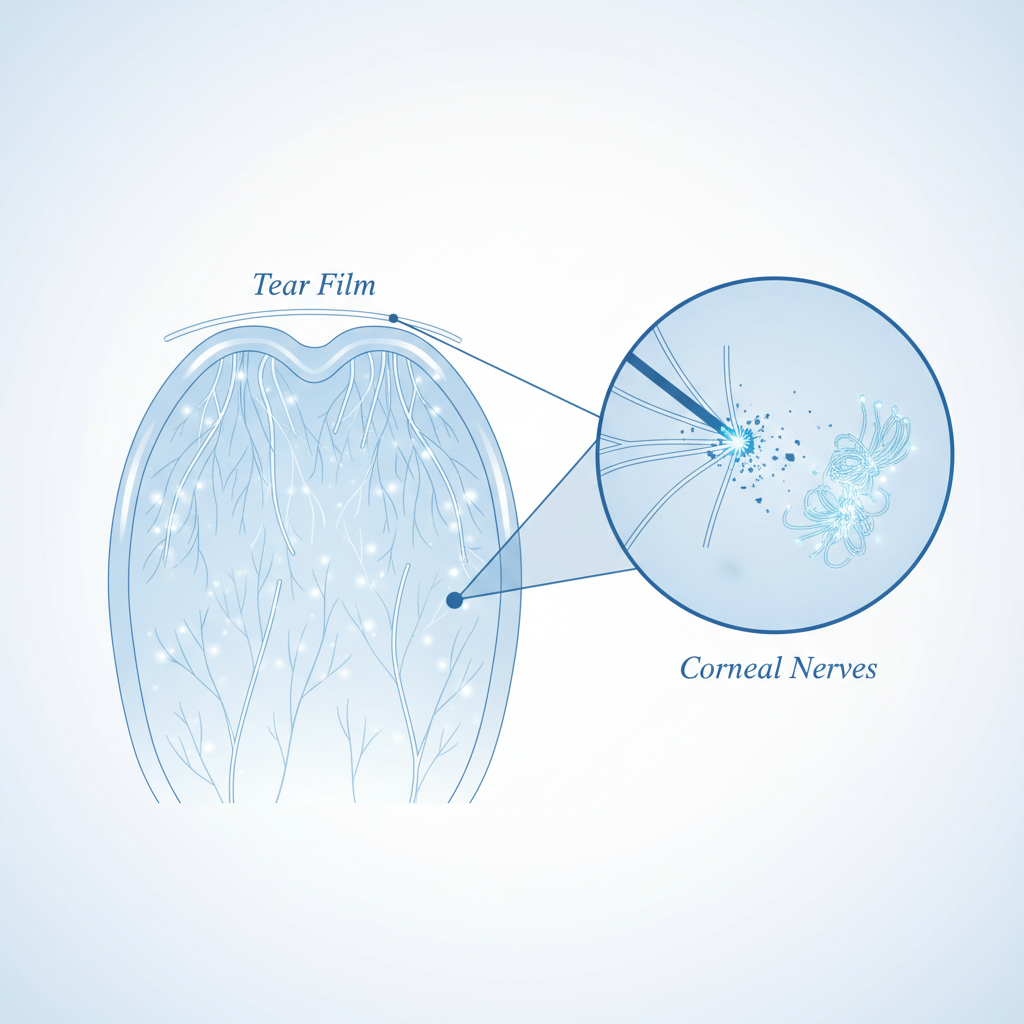
The fundamental cause of post-LASIK dry eye lies in the surgical process itself. To reshape the cornea, a surgeon creates a thin, hinged flap on its surface. This action unavoidably severs superficial corneal nerves. These nerves are not just for sensation; they are critical communicators in the ocular surface system. They form a feedback loop that constantly monitors the tear film and signals the lacrimal glands to produce more tears when needed.
When this connection is disrupted, the eye's ability to regulate its own moisture is compromised. Your brain simply doesn't receive the "we need more tears" signal as efficiently. Studies like the Patient-Reported Outcomes with LASIK (PROWL) have confirmed that new visual symptoms, including dryness, are commonly reported by patients post-surgery. While the incidence of serious complications remains incredibly low—less than 1% according to a massive 18-year audit by the Singapore National Eye Centre—dryness is a frequent and frustrating reality during the healing phase.
The Healing Paradox: Inflammation and Nerve Regeneration
Beyond the initial nerve disruption, the body's own healing process contributes to dryness. The surgical trauma triggers a natural inflammatory response. While essential for repair, this inflammation can interfere with the function of the very glands responsible for producing the essential components of your tear film, particularly the watery (aqueous) and oily (lipid) layers. This leads to a vicious cycle: inflammation impairs tear production, leading to a less stable tear film and more dryness, which in turn causes more inflammation.
From a clinical perspective, many patients who find little relief from standard artificial tears often have underlying inflammation that needs to be addressed first. This is a critical insight: you may not just need more tears; you may need to calm the ocular surface so it can function properly again.
The good news is that the severed corneal nerves do regenerate. However, this is a slow and gradual process. Clinical observations and studies, including long-term research on nerve plexus recovery, show that while significant healing occurs in the first year, it can take up to 18 months or even longer for nerve density to return to near-normal levels. Patients often report that their subjective feeling of dryness peaks around the 3- to 6-month mark, but objective measurements of tear film health frequently show continued improvement well beyond this point.
A Clinical Roadmap to Relief: Beyond Standard Eye Drops
Managing chronic post-LASIK dry eye requires a multi-faceted approach that goes beyond simply using over-the-counter artificial tears. The goal is to control inflammation, preserve existing tears, and create a healthier environment for the ocular surface to heal.
Step 1: Prioritize Anti-Inflammatory Treatment
Based on extensive clinical experience, the foundational step for persistent dry eye is managing inflammation. If you have been using artificial tears for months with little improvement, it is crucial to consult your eye doctor about prescription anti-inflammatory therapies. These are not just stronger eye drops; they are medications designed to break the inflammatory cycle and restore the eye's natural ability to produce healthy tears. Common options include:
- Cyclosporine (e.g., Restasis®): Helps increase your body's natural tear production by reducing underlying inflammation.
- Lifitegrast (e.g., Xiidra®): Targets specific proteins on the cell surface that are involved in the inflammatory cascade.
A consistent 4-6 week course of these prescribed drops can lead to dramatic improvements, making all other supportive therapies more effective.
Step 2: Choose the Right Lubricant
While prescription drops address the root cause, consistent lubrication remains vital for comfort. However, not all artificial tears are created equal.
- Go Preservative-Free: If you are using drops more than four times a day, it is essential to use preservative-free formulations. Preservatives found in standard multidose bottles can cause further irritation and toxicity to the sensitive ocular surface when used frequently.
- Consider Lipid-Based Tears: A healthy tear film requires an oily outer layer to prevent evaporation. If your dryness is related to an unstable tear film, drops that supplement this lipid layer can provide longer-lasting relief than standard aqueous drops.
Step 3: Preserve Your Natural Tears with Punctal Plugs
Once inflammation is under control, a highly effective next step is the insertion of punctal plugs. These are tiny, biocompatible devices inserted into the tear ducts (puncta) in the corners of your eyelids. Their function is simple but effective: they partially block the drainage of tears from your eye, keeping your natural tears on the surface for longer. The procedure is quick, painless, and performed in your doctor's office.
The Eyewear Solution: Creating a Protective Microclimate
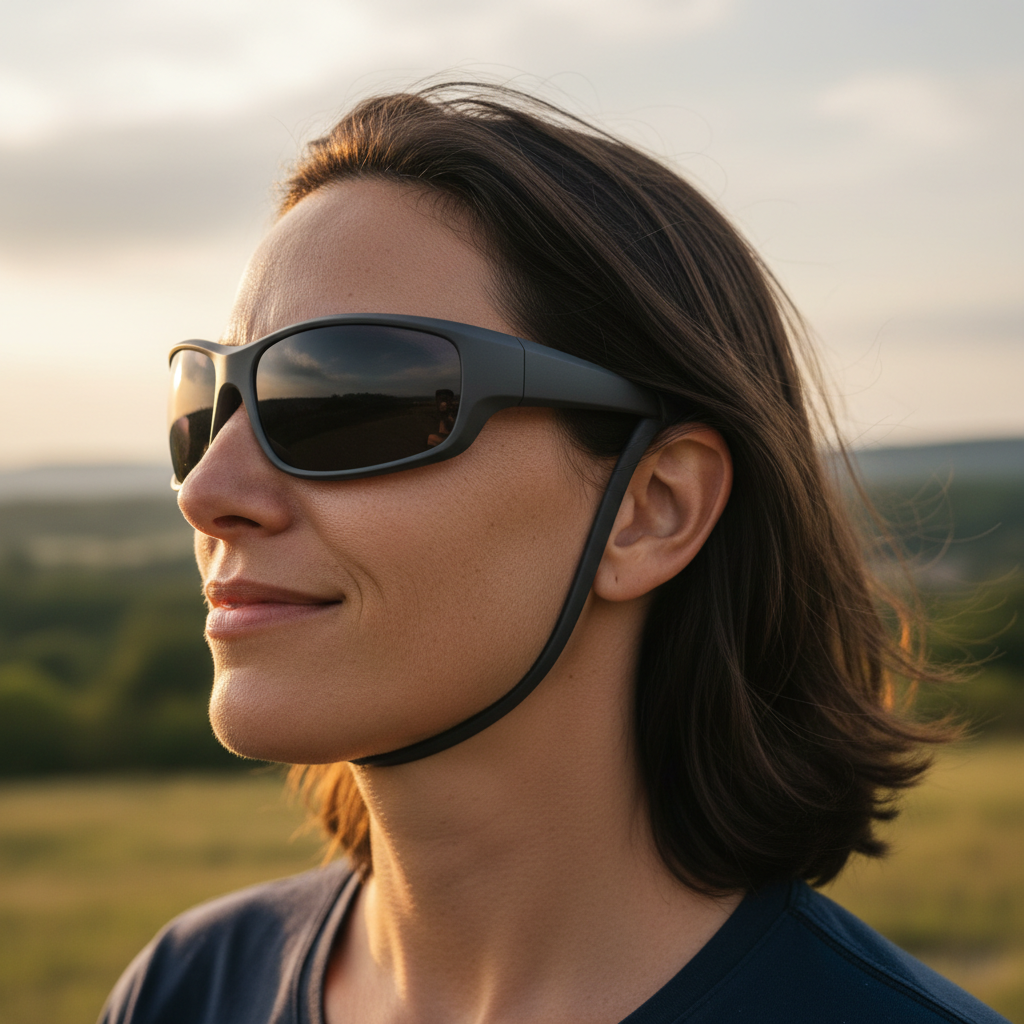
One of the most overlooked but powerful tools in managing post-LASIK dry eye is specialized eyewear. The environment plays a huge role in tear evaporation. Air conditioning, wind, heating, and low-humidity environments like airplanes can wreak havoc on an already compromised tear film.
Well-chosen eyewear creates a "moisture chamber" around your eyes. This is a small, protected pocket of air where humidity is higher and airflow is minimal, dramatically slowing tear evaporation. The difference can be profound. In dry or windy conditions, a patient with standard frames might need drops hourly, while someone with moisture-retaining eyewear could remain comfortable for 3-4 hours.
How to Choose Moisture-Retaining Frames:
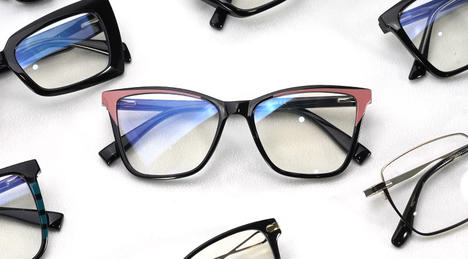
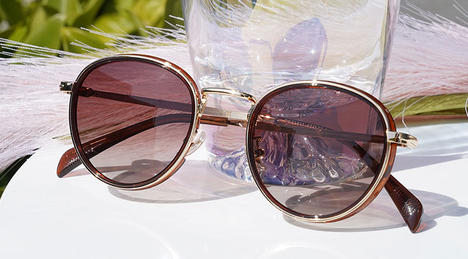
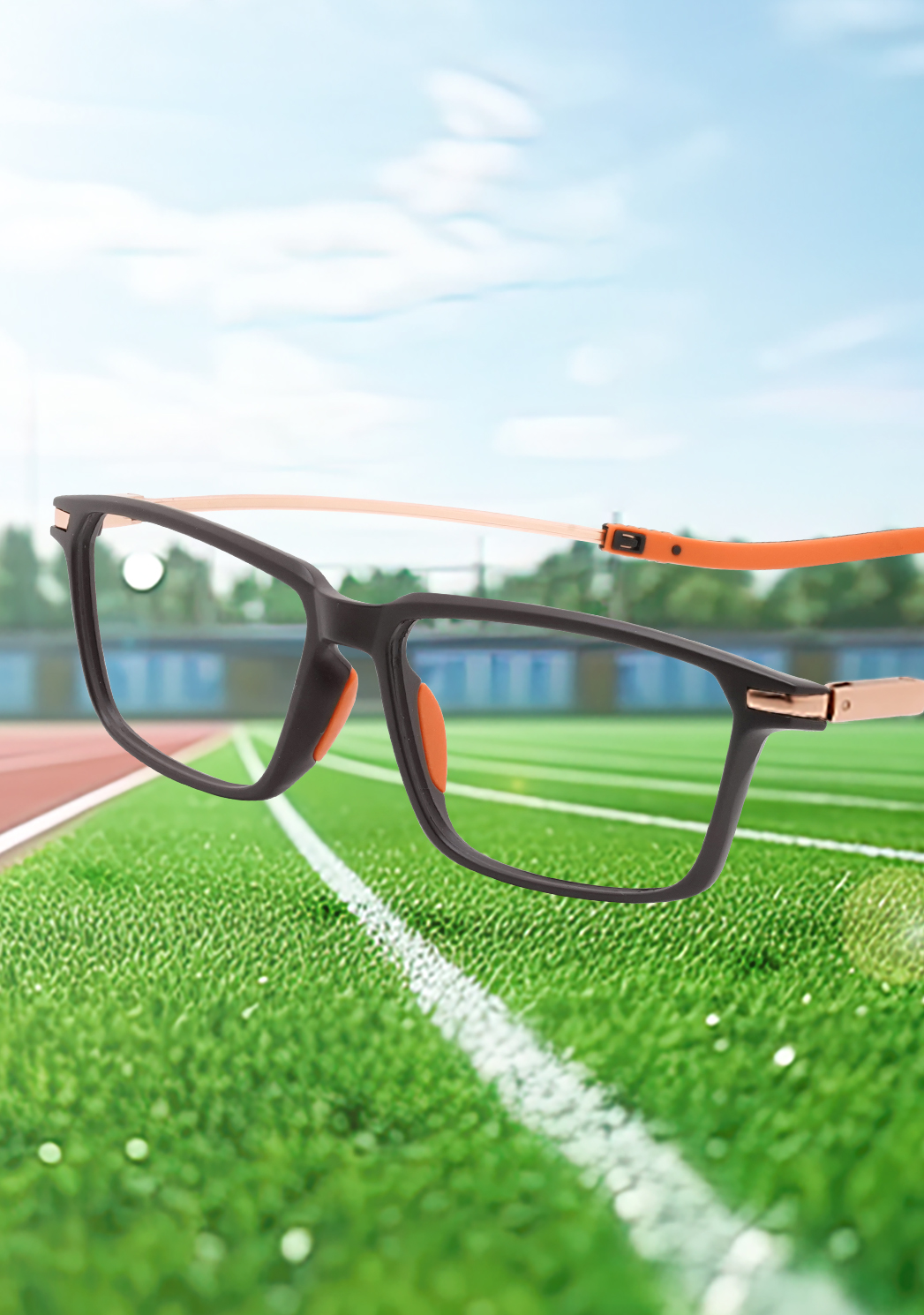
- Seek Coverage: Look for wraparound styles or frames that sit closer to the face and have a larger vertical dimension. The goal is to create a seal that minimizes airflow from the top, bottom, and sides.
- Material Matters: Frame material can influence the quality of the seal. Acetate frames, being thicker and more form-fitting, often create a better barrier against the skin than thin, flexible metal arms.
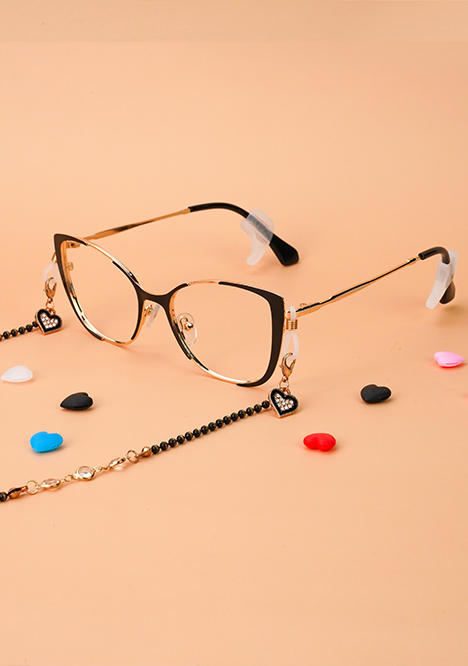
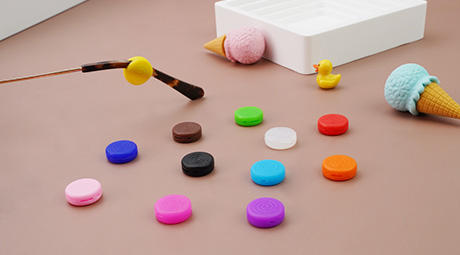
- Add Side Shields: For maximum protection, removable silicone side shields can be added to many conventional frames, turning them into effective moisture chambers when needed.
Lifestyle and Long-Term Management
Finally, integrating simple lifestyle adjustments can support your clinical treatments and improve your daily comfort.
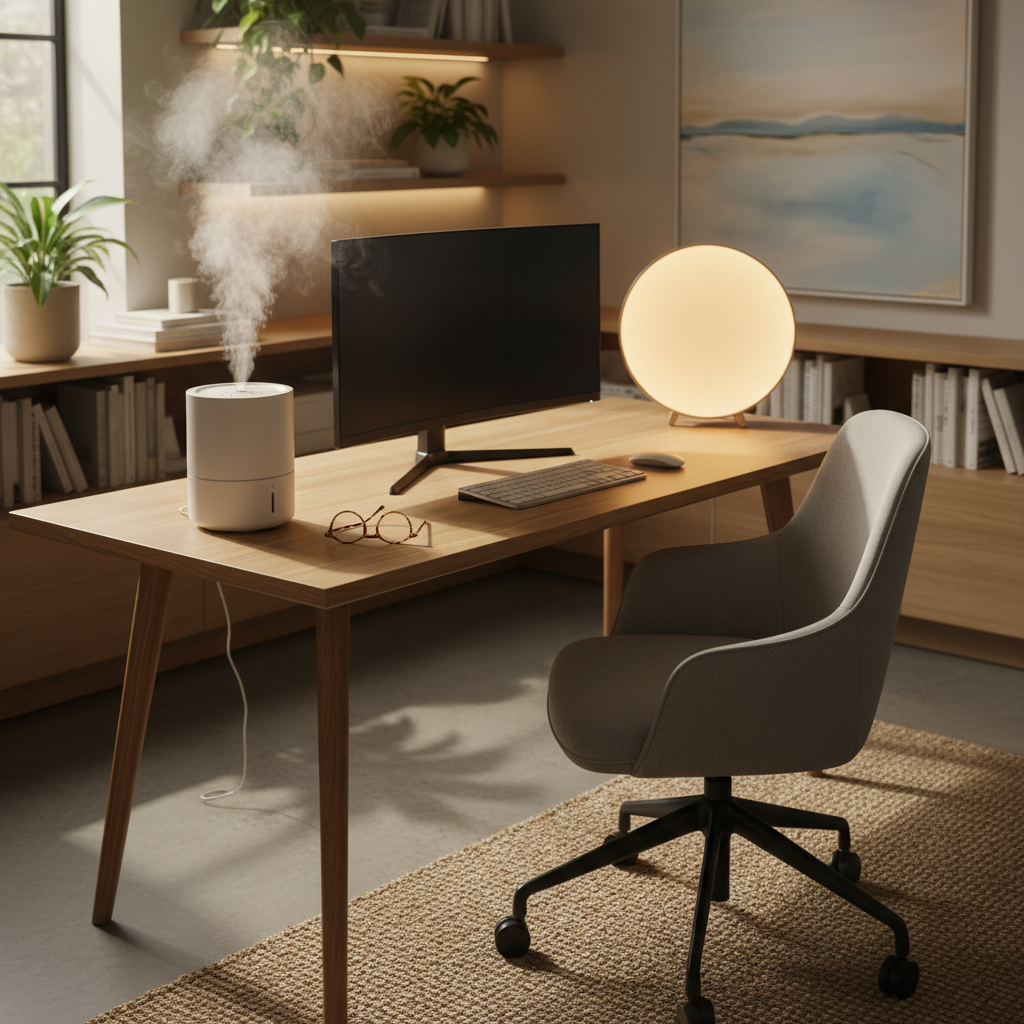
- Control Your Environment: Use a humidifier in your home and office to keep indoor air between 30%-60% humidity. Position your desk so that vents do not blow directly at your face. When driving, aim air vents towards your body, not your eyes.
- Practice Smart Screen Use: Staring at a screen reduces your blink rate by more than half, a primary cause of digital eye strain and dryness. Follow the 20-20-20 Rule for Prescription Lens Wearers: every 20 minutes, look at something 20 feet away for at least 20 seconds.
- Diet and Hydration: While simply drinking more water is not a direct cure for dry eye, staying well-hydrated is important for overall health. More targeted nutritional support can come from Omega-3 fatty acids, which a large meta-analysis found to significantly improve dry eye signs and symptoms.
- Long-Term Eye Health: After LASIK, standard tonometers can underestimate your true Intraocular Pressure (IOP). It is vital to inform any new eye doctor of your surgical history so they can use appropriate methods or correction factors, especially for glaucoma screening in the future.
Frequently Asked Questions (FAQ)
Q1: Is post-LASIK dry eye permanent? A: For most people, it is a temporary condition that improves significantly within 6 to 18 months as corneal nerves regenerate. For a smaller group, symptoms can persist, but they are manageable with the clinical and environmental strategies outlined above.
Q2: Can I wear contact lenses again if I have dry eyes after LASIK? A: It is generally not recommended. Contact lenses can exacerbate dryness. If vision correction is needed, glasses are the preferred option. In very specific cases, a doctor might prescribe specialty scleral lenses, which vault over the cornea and create a reservoir of fluid.
Q3: Why do my eyes feel worse some days than others? A: Symptom fluctuation is normal and often tied to environmental factors. Low humidity, high wind, prolonged screen time, and lack of sleep can all make dryness feel more pronounced.
Q4: Will getting an enhancement or "touch-up" procedure make my dry eye worse? A: It is possible. Any additional surgical intervention on the cornea can potentially delay or disrupt the nerve healing process further. This is a critical factor to discuss with your surgeon when weighing the pros and cons of an enhancement.
Disclaimer: This article is for informational purposes only and does not constitute professional medical advice. The information provided should not be used for diagnosing or treating a health problem or disease. If you have or suspect you have a medical problem, promptly contact your professional healthcare provider. Always consult with a qualified medical professional before making any decisions about your health or treatment.
References
- PROWL Studies: The FDA's Patient-Reported Outcomes with LASIK (PROWL-1 and PROWL-2) studies provide comprehensive data on post-operative symptoms. Link to summary
- Long-Term Nerve Regeneration: Research published in Investigative Ophthalmology & Visual Science has used confocal microscopy to track the recovery of the corneal nerve plexus over many years. Link to study
- IOP After LASIK: The change in corneal structure post-LASIK can lead to inaccurate readings from standard tonometers, a crucial consideration for long-term glaucoma management. Further reading
- Omega-3 for Dry Eye: A 2019 meta-analysis of 17 randomized controlled trials confirmed the benefits of Omega-3 supplementation for improving signs and symptoms of dry eye disease. Link to study
- Long-Term LASIK Safety: A large-scale audit from the Singapore National Eye Centre reviewing 18 years of data confirms the high safety profile of modern LASIK. Link to summary


