





Can You Be Allergic to Your Contact Lenses?
TL;DR: Your Eyes Don't Have to Itch
If you wear contact lenses and suffer from red, itchy, or uncomfortable eyes, it's easy to blame seasonal allergies. However, the culprit might be the lenses themselves or the solution you use to clean them. The irritation you feel could be a sensitivity to the lens material, a reaction to preservatives in your cleaning fluid, or a condition called Giant Papillary Conjunctivitis (GPC) caused by protein buildup. The most effective first step for many people is switching to daily disposable lenses, which provide a fresh, clean surface every day and eliminate solution-related issues. For persistent problems, a systematic approach can help you and your eye doctor identify the true cause and find a comfortable solution.
The Root of the Problem: Is It an Allergy, Irritation, or Infection?
That gritty, itchy feeling you get while wearing contacts isn't something you just have to endure. It's a signal from your eyes that something is wrong. The key is to figure out if the trigger is pollen in the air, the lens on your eye, or the chemicals you use to maintain it. Each cause has distinct symptoms and requires a different approach.
True Eye Allergies (Allergic Conjunctivitis)
This is a classic immune response. Your body reacts to an external allergen—like pollen, pet dander, or dust mites—by releasing histamines. This chemical causes the hallmark symptoms of allergies.
- Key Symptoms: Intense, almost unbearable itching; watery, stringy discharge; redness and swelling of the eyelids. Symptoms often affect both eyes equally and may be accompanied by a runny nose or sneezing.
- The Contact Lens Connection: The surface of a contact lens can act like a sponge, attracting and accumulating airborne allergens, concentrating them directly against your eye and making symptoms worse.
Contact Lens-Induced Papillary Conjunctivitis (GPC)
GPC is not a true allergy but a mechanical inflammatory reaction. It’s caused by the constant friction of the contact lens against the underside of your eyelid. This condition is often exacerbated by protein deposits that naturally build up on the surface of reusable lenses over time. According to research on contact lens complications, these deposits make the lens surface rough, increasing irritation and triggering an inflammatory response that leads to small bumps (papillae) forming under the eyelid.
- Key Symptoms: A feeling that something is in your eye (foreign body sensation), increased mucus, blurred vision, and the lenses moving around more than usual. The itching is typically less intense than with seasonal allergies.
Sensitivity to Materials or Solutions
Sometimes, the problem is a direct reaction to the lens material or the chemicals used to clean and store it.
- Material Sensitivity: Modern lenses, particularly silicone hydrogel (SiHy) types, are designed for high oxygen permeability. However, some wearers find them stiffer or more prone to collecting certain deposits, leading to discomfort.
- Solution Sensitivity: Many multipurpose contact lens solutions contain preservatives to kill germs. While effective, some individuals can develop a sensitivity to these chemicals over time, leading to redness, burning, and dryness that worsens throughout the day. According to the FDA, improper use of solutions is a major risk factor for eye complications.
A Practical Diagnostic Toolkit: How to Identify the Culprit
Before you can fix the problem, you need to isolate the variable. Is it your environment, your lenses, or your care routine? A few simple, at-home heuristics used by clinicians can provide strong clues.
Step 1: The Symptom Check
Use this table to compare what you're feeling to the common causes. This isn't a substitute for a professional diagnosis but can help you narrow down the possibilities.
| Symptom | Seasonal Allergies | Giant Papillary Conjunctivitis (GPC) | Solution/Material Sensitivity |
|---|---|---|---|
| Primary Feeling | Overwhelming Itch | Foreign Body Sensation / Lens Moving | Burning, Dryness, General Discomfort |
| Onset | Can be sudden, often seasonal | Gradual, worsens over weeks/months | Develops hours after lens insertion |
| Mucus | Watery, stringy | Thicker, more substantial mucus | Minimal to none |
| Other Signs | Sneezing, runny nose | Bumps under the eyelid (doctor-verified) | Red ring around the cornea (limbal ring) |

Pro Tip: The 48-Hour "Lens Holiday"
A core diagnostic tool used by eye care professionals is the "lens holiday." It's simple, effective, and costs nothing.
- Stop all contact lens wear for at least 48 to 72 hours. Switch to your backup glasses.
- Document your symptoms. Twice a day (morning and evening), rate your eye redness, itching, and overall comfort on a scale of 1 to 10.
- Analyze the results. If your symptoms decrease by roughly half within 48 hours, it’s a strong indicator that the problem is being caused or significantly worsened by your contact lenses or your care solution.
Step 2: The "Trial Swap"
If the lens holiday points to your contacts, the next step is to change a variable. The fastest and most effective "trial swap" is to move from a reusable (monthly or bi-weekly) lens to a daily disposable lens for one to two weeks. This single change accomplishes two critical things:
- It eliminates protein buildup. You start with a perfectly clean, smooth lens surface every single day, which dramatically reduces the primary trigger for GPC.
- It eliminates solution sensitivity. Daily disposables are stored in sterile saline, free of the harsh preservatives found in multipurpose cleaning solutions.
A study on "problem patients" who suffered from dryness and irritation found that refitting them with daily disposables significantly reduced symptoms of dryness and corneal staining.
The Solution Hierarchy: From Simple Swaps to Doctor Visits
Once you have an idea of the cause, you can take targeted action. For most users experiencing allergy-like symptoms, the path to relief starts with the simplest and safest change.
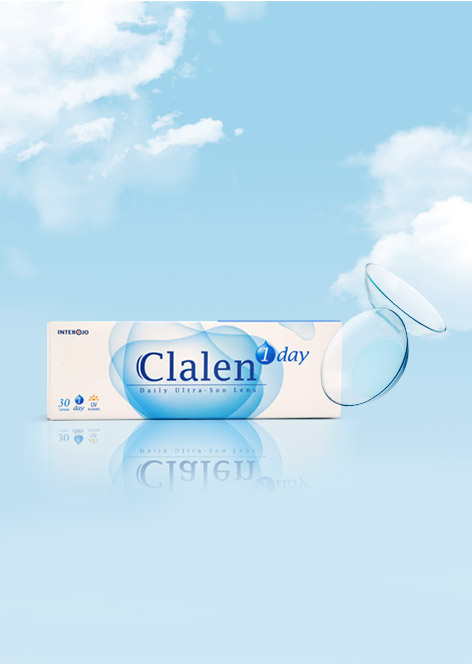
The #1 Recommendation: Switch to Daily Disposables
For managing irritation, daily disposables are the undisputed champion. Global prescribing trends show a massive shift, with daily disposables growing from 17% to nearly 47% of all new contact lens fits, making them the new standard of care. A fresh lens every morning is the ultimate defense against accumulated allergens, protein deposits, and solution-induced reactions.
Expert Warning: Debunking the "No-Rub" Myth
A common misconception is that "no-rub" multipurpose solutions are sufficient to clean reusable lenses. This is a significant mistake. The Centers for Disease Control and Prevention (CDC) explicitly advises a "rub and rinse" step, even with no-rub solutions. Lipids and proteins from your tears bind tightly to the lens surface. Without mechanical rubbing, these deposits can remain, leading to irritation, GPC, and an increased risk of infection.
If You Must Use Reusable Lenses
If daily disposables aren't an option, consider these adjustments:
- Switch Your Solution: If you suspect a preservative sensitivity, switch to a hydrogen peroxide-based cleaning system. These solutions provide excellent disinfection but neutralize into gentle, preservative-free saline, which is much kinder to sensitive eyes.
- Consider a Material Change: If you’re wearing a silicone hydrogel lens, ask your doctor about trying a traditional hydrogel lens. While they offer less oxygen, some users find their softer, higher-water-content nature more comfortable.

When to See Your Eye Doctor: Recognizing the Red Flags
Self-diagnosis is a useful tool for troubleshooting comfort issues, but it has firm limits. Certain symptoms should never be ignored and require immediate professional evaluation.
Always see your doctor immediately if you experience any of the following:
- Significant pain: Discomfort is one thing; sharp, persistent pain is a major warning sign.
- Marked change in vision: If your vision becomes blurry, hazy, or you see halos around lights.
- Heavy discharge: Especially if it is yellow or green.
- Extreme light sensitivity: If you suddenly find normal lighting painful, a condition known as photophobia, it can signal a serious issue.
- A white spot on your cornea: This can be a sign of a corneal ulcer, a serious infection that can threaten your sight.
One of the biggest mistakes is to try and mask symptoms. Simply using antihistamine eye drops to quell itching without removing the contact lenses can allow an underlying problem, like GPC or a developing infection, to become more severe.
Wrapping Up: Your Key Takeaways
Navigating contact lens discomfort doesn't have to be a guessing game. By understanding the different potential causes—environmental allergies, mechanical irritation, and chemical sensitivities—you can take logical steps to find relief.
- Start with a "Lens Holiday": A 48-hour break is your best diagnostic tool.
- Embrace the "Trial Swap": Switching to daily disposable lenses is the most effective first-line solution for resolving most allergy-like symptoms.
- Respect the Red Flags: Pain, vision changes, or discharge are not normal. See your eye doctor immediately.
By following this structured approach, you can restore comfort, clarity, and health to your eyes.
Frequently Asked Questions (FAQ)
Q1: How quickly should I feel better after switching to daily disposables?
If your issue was related to solutions or deposits, you should notice a significant improvement within 3 to 7 days. If your symptoms don't improve within a week to 10 days, there may be another underlying cause, and you should consult your eye doctor.
Q2: Can you be allergic to the silicone in silicone hydrogel lenses?
While not a true "allergy" in the histamine-response sense, a person can have a sensitivity to silicone hydrogel materials. Some individuals find them too stiff, or their tear chemistry interacts poorly with the material's surface, leading to discomfort and irritation. In these cases, switching to a modern hydrogel daily disposable can be a great alternative.
Q3: Are daily disposables really better for seasonal allergies?
Yes. A reusable lens accumulates pollen and other allergens throughout the day. Even with cleaning, some can remain. The next day, you put that slightly contaminated lens back in your eye. A daily disposable lens breaks this cycle. You dispose of the lens—and all the allergens stuck to it—every single evening.
Q4: Do I still need sunglasses if my contacts have UV protection?
Absolutely. While some contact lenses offer UV protection, they only cover the cornea. They do not protect the sclera (the white of your eye) or the delicate skin of your eyelids and surrounding area, which are vulnerable to UV damage. A good pair of UV-blocking sunglasses is essential for complete protection.
Disclaimer: This article is for informational purposes only and does not constitute professional medical advice. If you are experiencing severe or persistent eye discomfort, pain, or vision changes, consult a qualified ophthalmologist or optometrist immediately. Do not disregard professional medical advice or delay in seeking it because of something you have read here.


