






Ocular Rosacea: Managing Red Eyes While Wearing Contacts
TL;DR: Your Quick Guide to Safe Contact Lens Wear with Ocular Rosacea
For those with ocular rosacea, wearing contact lenses safely is possible but requires a strict, non-negotiable routine. Success hinges on minimizing irritation and maximizing hygiene. Prioritize daily disposable silicone hydrogel lenses for the highest oxygen flow and a fresh lens every day. Ditch multipurpose solutions for a preservative-free, hydrogen peroxide-based system to avoid chemical irritation. Never compromise on hygiene—always wash hands thoroughly and "rub and rinse" your lenses, even dailies if you must reinsert one. Most importantly, listen to your eyes by incorporating "lens holidays" (days with glasses only) and removing your contacts immediately at the first sign of a flare-up.
Understanding Ocular Rosacea and Its Impact on Your Eyes
Ocular rosacea is a chronic inflammatory condition that affects the eyes, and it often accompanies the skin redness characteristic of rosacea. Its symptoms can range from simple dryness and irritation to more severe issues like redness, burning, a gritty sensation (like sand in the eye), and light sensitivity. For the 40.9 million contact lens wearers in the U.S., according to a report from the Centers for Disease Control and Prevention (CDC), ocular rosacea presents a unique set of challenges that can make comfortable wear difficult.
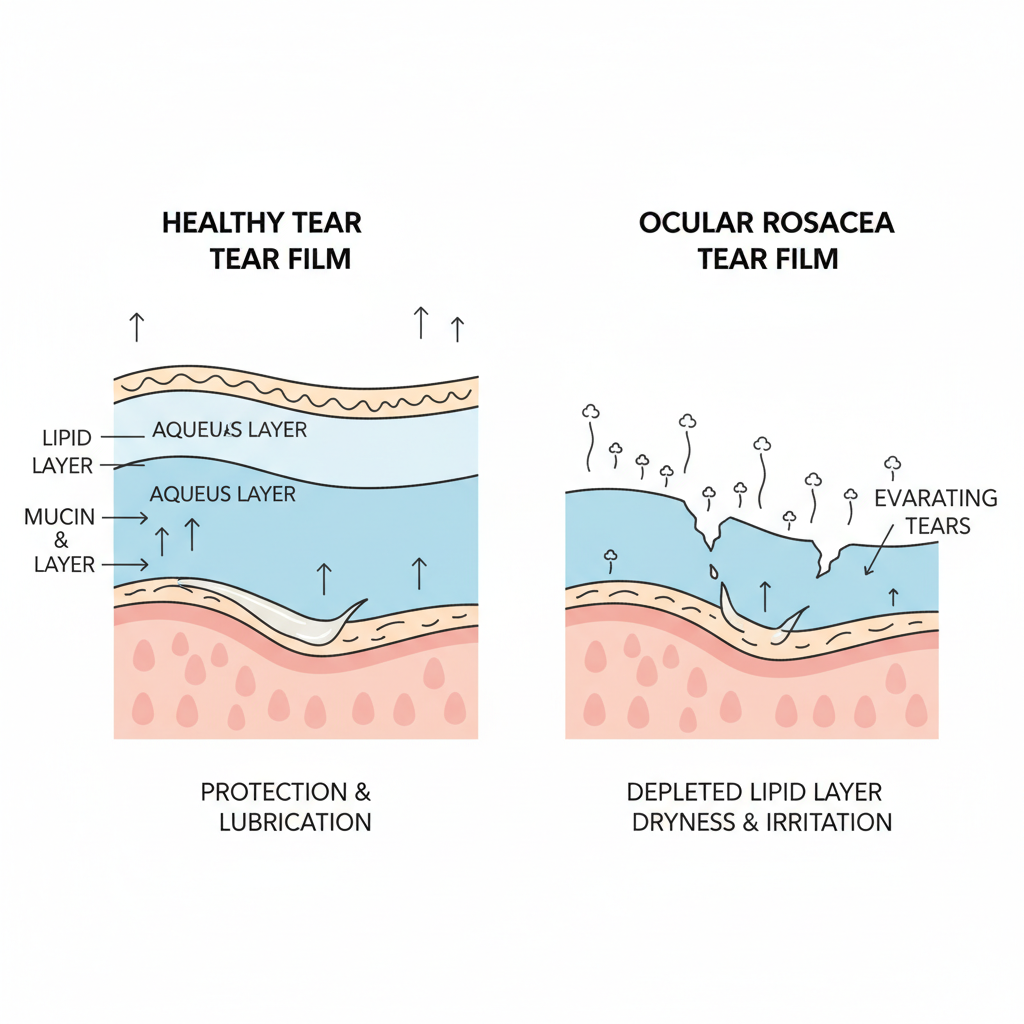
The core of the problem lies in the tear film. A healthy eye is coated with a stable, three-layer tear film that lubricates the surface and provides a smooth optical medium. In ocular rosacea, the oil-producing meibomian glands along the eyelid margins become inflamed and clogged. This disrupts the outermost lipid (oily) layer of the tear film. Without this protective layer, tears evaporate too quickly, leading to dry spots, inflammation, and chronic irritation—a condition that is significantly worsened by the presence of a contact lens.
The Non-Negotiable Rules for Safe Contact Lens Wear
Managing this condition while wearing contacts is a matter of control. You must control the type of lens you wear, the chemicals you expose your eyes to, and the duration of wear.
Rule #1: The Right Lens Makes All the Difference
Not all contact lenses are created equal, especially when dealing with a sensitive ocular surface.
Material Matters: Silicone Hydrogel: Your cornea gets oxygen directly from the air. A contact lens can act as a barrier. For an already-inflamed eye, reducing oxygen can worsen the situation. Silicone hydrogel lenses are a significant step up from older hydrogel materials. As detailed in reviews of lens material science, their polymer structure is far more permeable to oxygen, which is critical for maintaining corneal health.
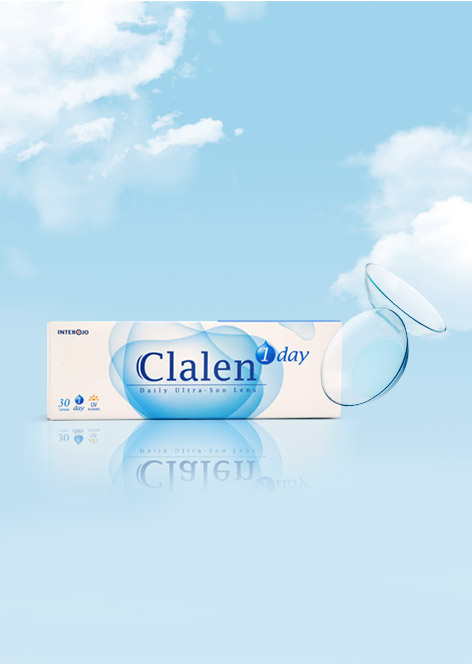
Modality is Key: Daily Disposables: The single best choice for an ocular rosacea patient is a daily disposable lens. A study published in Cureus notes that microbial keratitis, a serious corneal infection, is frequently linked to lens contamination. Daily disposables virtually eliminate this risk by providing a fresh, sterile lens every single day. This prevents the buildup of proteins, lipids, and allergens that can accumulate on reusable lenses and trigger inflammation.
The Importance of Fit: A lens that doesn't fit properly can mechanically irritate the already-sensitive lid margins. Practitioners often find that lenses with a steeper base curve can sometimes vault over the cornea more effectively, reducing friction against inflamed eyelids. This is a conversation to have with your eye doctor, who can perform the necessary measurements to ensure an optimal fit.
Rule #2: Your Cleaning Routine Must Be Impeccable
For those who cannot use daily disposables, the cleaning and disinfection routine is the most critical factor in preventing complications. This is also where the most common mistakes are made.
The Problem with Preservatives: Many multipurpose contact lens solutions contain preservatives like polyquaternium-1. While effective at killing germs, these chemicals can build up on the lens surface and be toxic to the sensitive corneal cells, especially in an eye already compromised by rosacea.
The Gold Standard: Hydrogen Peroxide Systems: Hydrogen peroxide-based disinfection systems are the preferred choice for sensitive eyes. These systems use 3% hydrogen peroxide to actively clean and disinfect the lenses. A special case containing a platinum catalyst neutralizes the peroxide over several hours, converting it into gentle, preservative-free saline. The result is a deeply cleaned lens without any residual irritating chemicals.
Never Use Tap Water: The Environmental Protection Agency (EPA) issues stark warnings against using tap water with contact lenses. Tap water, well water, and even distilled water can contain Acanthamoeba, a free-living amoeba that can cause a devastating, painful, and hard-to-treat corneal infection that may lead to vision loss.

Rule #3: Listen to Your Eyes and Be Proactive
A chronic condition requires active management, not a "set it and forget it" approach.
The "Lens Holiday" Strategy: Even with the best lenses and hygiene, the ocular surface needs time to recover. Practitioners strongly recommend building "lens holidays" into your weekly schedule. This means dedicating one or two days a week to wearing your glasses exclusively. This simple break allows the cornea to re-oxygenate, the tear film to stabilize, and any low-grade inflammation to subside, significantly improving your long-term ability to tolerate lenses.
Recognize the Signs of a Flare-Up: You must become an expert in your own symptoms. The U.S. Food and Drug Administration (FDA) lists key warning signs that apply especially to rosacea sufferers. Be alert for:
Increased redness or visible blood vessels.
A return of the gritty, sandy feeling.
Unusual sensitivity to light.
Watery discharge.
Blurry or fluctuating vision.
The Golden Rule: When in Doubt, Take Them Out: If you experience any of these symptoms, do not try to "push through." Remove your contact lenses immediately and switch to your glasses. If the symptoms don't resolve within a few hours, contact your eye doctor.
Frequently Asked Questions (FAQ)
Q: Can I wear contacts at all if I have ocular rosacea?A: Many people can, but it requires close partnership with an eye doctor and a commitment to the strict hygiene and management protocols outlined above. Success depends on the severity of your condition and your diligence.
Q: What are the best brands of contact lenses for ocular rosacea?A: It's less about a specific brand and more about the technology. Focus on finding a daily disposable, silicone hydrogel lens that fits you well. Your optometrist can recommend specific brands that meet these criteria and offer samples for you to trial.
Q: My eyes feel dry with lenses. What can I do?A: First, ensure you're following the right cleaning protocol. Second, you can use supplemental lubrication. Look for preservative-free artificial tears that are specifically labeled as safe for use with contact lenses. Apply them before you put your lenses in and as needed throughout the day.
Q: Is it safe to sleep in my contact lenses?A: Absolutely not. This is dangerous for any contact lens wearer, but especially for someone with a compromised ocular surface. A landmark study on the subject found that overnight wear increases the risk of ulcerative keratitis, a serious corneal infection, by more than eightfold compared to daily wear.
Quick Troubleshooting Tips
If your eye feels irritated: Remove the lens immediately. Inspect it for any debris or tears. Rinse it with preservative-free saline and reinsert. If the irritation continues, discard the lens and wear your glasses.
If your vision is blurry: First, ensure the lens isn't inside out. If it persists after re-centering the lens, there may be protein buildup or a sign of corneal swelling. Remove the lens.
If your eye is red and painful: This is a red flag. Remove the lens immediately and do not reinsert it. Contact your eye doctor promptly.
Disclaimer: This article is for informational purposes only and does not constitute professional medical advice. Individuals with ocular rosacea or any pre-existing eye conditions should consult with a qualified optometrist or ophthalmologist to determine the most appropriate eye care plan and to be properly fitted for any medical devices, including contact lenses.
References
Centers for Disease Control and Prevention (CDC). (2018). Contact Lens Wearer Demographics and Risk Behaviors for Contact Lens-Related Eye Infections. Retrieved from https://pmc.ncbi.nlm.nih.gov/articles/PMC5779588/
U.S. Food and Drug Administration (FDA). (2023). Contact Lens Risks. Retrieved from https://www.fda.gov/medical-devices/contact-lenses/contact-lens-risks
U.S. Environmental Protection Agency (EPA). (2023). The Danger of Using Tap Water with Contact Lenses. Retrieved from https://www.epa.gov/sdwa/danger-using-tap-water-contact-lenses
Schein, O. D., Glynn, R. J., Poggio, E. C., Seddon, J. M., & Kenyon, K. R. (1993). The relative risk of ulcerative keratitis among users of daily-wear and extended-wear soft contact lenses. A case-control study. The New England Journal of Medicine, 329(1), 57-63.
Khan, M. A., & Mahabadi, N. (2023). Contact Lenses. In StatPearls. StatPearls Publishing. Retrieved from https://www.ncbi.nlm.nih.gov/books/NBK580554/
Al-Adwani, S., & Al-Adwani, S. (2022). Contact Lens-Related Complications: A Review. Cureus, 14(11), e31131. Retrieved from https://pmc.ncbi.nlm.nih.gov/articles/PMC9644230/


