











What to Use If You Don't Have Contact Solution: Safe Alternatives
TL;DR: Your Emergency Contact Lens Storage Guide
You're away from home and realize you've forgotten your contact lens solution. It's a common, stressful situation, but making the wrong choice can have serious consequences for your eye health.
The Bottom Line:
- Safest Option: The only medically-advised temporary alternative is unopened, sterile saline solution specifically made for ophthalmic (eye) use. Use it for storage for up to 24 hours, and then properly clean and disinfect your lenses with a multi-purpose solution as soon as possible.
- Second Safest Option: If you have no access to sterile saline, you must throw your lenses away. The cost of a new pair of lenses is insignificant compared to the risk of a severe eye infection.
- Never Use: Do not use tap water, bottled water, distilled water, saliva, or any type of eye drops. These can introduce dangerous microorganisms or damage your lenses, leading to potential vision loss.
The Only Safe Harbor: Sterile Ophthalmic Saline
In an emergency, sterile saline is your only safe, temporary storage medium. It's important to understand what it does and, more importantly, what it doesn't do.
Saline solution is a simple, pH-balanced saltwater solution that is sterilized during manufacturing. Its composition mimics your natural tears, which is why it won't damage the lens or irritate your eye. However, it contains no cleaning agents or disinfectants.
How to Use Saline for Emergency Storage:
- Verify the Bottle: Ensure you are using sterile ophthalmic saline. Nasal spray or wound wash saline are not the same and should not be used in your eyes. The bottle must be new and unopened to guarantee sterility.
- Rinse and Fill: Wash your hands thoroughly. Rinse your lens case with the sterile saline, then fill the chambers.
- Store Lenses: Place your lenses in the case and seal it tightly.
- Disinfect Later: This is a temporary measure only. As soon as you get proper multi-purpose or hydrogen peroxide-based solution, you must perform a full cleaning and disinfection cycle before wearing the lenses again. Storing in saline does not kill any bacteria or break down protein deposits that have built up during the day.

The "Absolutely Never" List: Why Other Liquids Are Dangerous
It can be tempting to reach for what seems like a logical alternative, but nearly every other liquid poses a significant threat to your eyes. According to the Centers for Disease Control and Prevention (CDC), contact lenses are medical devices, and improper care is a primary risk factor for serious eye infections.
1. Tap Water, Bottled Water, and Distilled Water
This is the most common and dangerous mistake. Tap water is not sterile. The Environmental Protection Agency (EPA) warns that it contains microorganisms, the most dangerous of which is Acanthamoeba. This amoeba is harmless when swallowed but can cause Acanthamoeba keratitis if it gets into your eye—a severe infection that is incredibly painful, difficult to treat, and can lead to corneal transplants or blindness.
Bottled and distilled water are not sterile either and are also hypotonic. This means they have a lower salt concentration than your tears. Contact with hypotonic water can cause your soft contact lenses to swell, change shape, and stick tightly to your cornea, increasing the risk of a corneal abrasion.

2. Saliva
Your mouth is home to a vast community of bacteria. The Food and Drug Administration (FDA) explicitly warns against using saliva to wet or store lenses. Introducing these bacteria directly to your eye via a contact lens is a direct path to a bacterial infection like microbial keratitis.
3. Eye Drops or Re-wetting Drops
While designed for the eye, these drops are not disinfectants. They do not contain the necessary agents to kill germs or clean your lenses. Using them for storage creates a breeding ground for bacteria to multiply on the lens surface. If you are experiencing dryness, you may find relief with daily disposable lenses, which can help with dry eyes.
When in Doubt, Throw Them Out
The single most important rule of contact lens safety is to prioritize your vision over the cost of a lens. A study published in the Morbidity and Mortality Weekly Report found that an estimated 99% of contact lens wearers engage in at least one risky hygiene behavior, contributing to a significant number of preventable infections.
If you are caught without a safe storage option, the safest and most responsible choice is to discard the lenses. The financial loss is minimal compared to the potential for:
- Painful Infections: Conditions like microbial keratitis require immediate medical attention and can be difficult to resolve.
- Medical Costs: Doctor's visits, medication, and potential procedures far exceed the cost of new lenses.
- Permanent Vision Loss: In the worst cases, infections can lead to corneal scarring or blindness.
It's also a crucial reminder that contact lenses have a limited lifespan. Reusing lenses beyond their recommended schedule, such as trying to save a daily disposable, dramatically increases the risk of complications.
Proactive Planning: How to Avoid a Contact Lens Emergency
The best way to handle this situation is to prevent it from happening in the first place. A few simple habits can ensure you're never caught without a safe way to care for your lenses.
- Always Carry a Travel Kit: Keep a travel-sized bottle of multi-purpose solution and a spare lens case in your backpack, purse, or car.
- Keep Glasses on Hand: Always travel with an up-to-date pair of prescription glasses. This gives you an immediate and safe alternative if you need to remove your contacts unexpectedly.
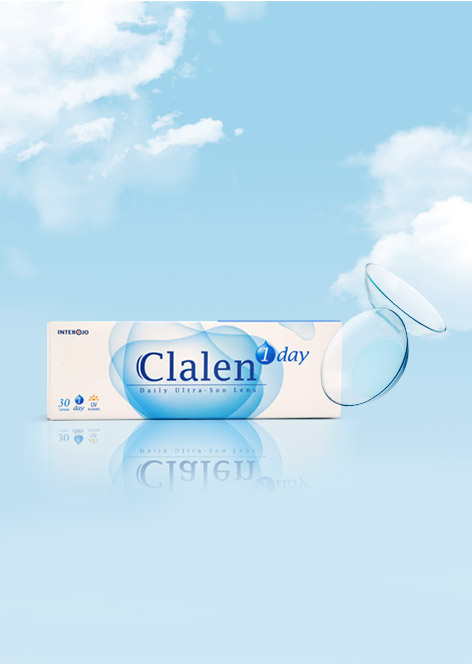
- Consider Daily Disposables for Travel: Daily disposable lenses are an excellent option for travelers. They are individually packaged and sterile, and you simply throw them away at the end of the day, eliminating the need for solutions and cases entirely.
- Stock Up at Home: Keep an extra, unopened bottle of solution at home so you never run out unexpectedly.
Frequently Asked Questions (FAQ)
Q: Can I make my own saline solution with salt and water? A: Absolutely not. Homemade solutions are not sterile and will not have the correct salt concentration (isotonicity). Using a non-sterile solution exposes your eyes to the same dangerous microorganisms found in tap water.
Q: What are the symptoms of a contact lens-related eye infection? A: According to the FDA, you should remove your lenses and contact your eye doctor immediately if you experience redness, pain, tearing, increased light sensitivity, blurry vision, discharge, or a gritty feeling in your eye.
Q: I stored my lenses in water for just a few minutes. What should I do? A: You should discard the lenses immediately. It only takes a brief moment of exposure for microorganisms to attach to a lens. It is not worth the risk. Do not try to "disinfect them extra" afterward; the risk of infection is already established.
Q: Is it safe to 'top off' old solution with new solution? A: No, this is a dangerous practice that reduces the disinfectant capability of the solution. As we've detailed in our guide on the risk of 'topping off' solution, you should always discard all of the old solution and use fresh solution every time you store your lenses.
This article is for informational purposes only and does not constitute professional medical advice. If you are experiencing eye pain, discomfort, or have questions about your eye health, please consult a qualified ophthalmologist or optometrist.
References
- Centers for Disease Control and Prevention (CDC). "Contact Lens Fast Facts." https://www.cdc.gov/contact-lenses/about/index.html
- U.S. Environmental Protection Agency (EPA). "Danger of Using Tap Water With Contact Lenses." https://www.epa.gov/sdwa/danger-using-tap-water-contact-lenses
- U.S. Food and Drug Administration (FDA). "Contact Lens Risks." https://www.fda.gov/medical-devices/contact-lenses/contact-lens-risks
- Cope, J. R., et al. (2017). "Contact Lens Wearer Demographics and Risk Behaviors for Contact Lens-Related Eye Infections — United States, 2014." Morbidity and Mortality Weekly Report, 66(32), 841–845. https://pmc.ncbi.nlm.nih.gov/articles/PMC5779588/


