








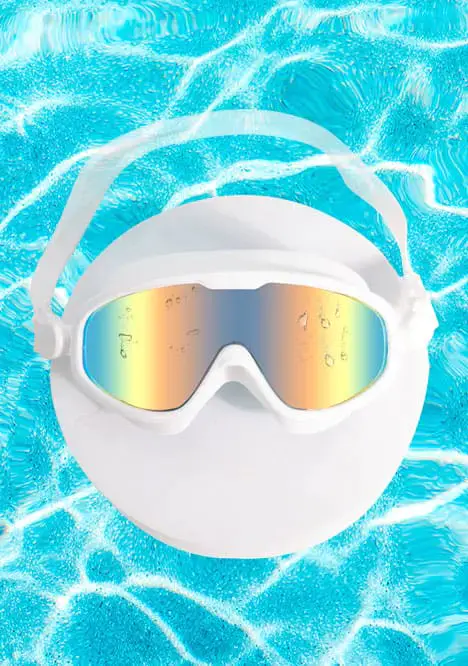
A Checklist for Customizing Your Sunglasses
A Step-by-Step Guide to Customizing Prescription Sunglasses
Feeling overwhelmed by the options when trying to order prescription sunglasses? You're not alone. From lens materials and tints to special coatings, the choices can seem endless. This step-by-step checklist is designed to demystify the process, empowering you to create a pair of sunglasses that is perfectly tailored to your vision, lifestyle, and aesthetic preferences. We'll break down each decision, explaining the "why" behind it with practical, expert-backed advice.
1. The Foundation: Your Prescription and Frame
Before you can think about tints or mirror finishes, you need two fundamental pieces of information: an up-to-date prescription and a frame that works with it.
Understanding Your Prescription
Your prescription is the blueprint for your lenses. It's provided by your optometrist or ophthalmologist after an eye exam. According to the Federal Trade Commission's Eyeglass Rule, your eye care provider must give you a copy of your prescription, whether you ask for it or not.
Here’s a quick breakdown of the terms you’ll see:
- OD (Oculus Dexter) & OS (Oculus Sinister): These are Latin terms for your right eye (OD) and left eye (OS).
- SPH (Sphere): This indicates the main lens power, measured in diopters (D), to correct for nearsightedness (a minus sign, "-") or farsightedness (a plus sign, "+").
- CYL (Cylinder) & Axis: These values correct for astigmatism, an imperfection in the eye's curvature. CYL is the power needed, and Axis is the orientation of that power, measured in degrees from 1 to 180.
- PD (Pupillary Distance): This is the distance between the centers of your pupils, measured in millimeters. It's a critical measurement that ensures the optical center of your lenses aligns perfectly with your eyes. An incorrect PD can cause eye strain and headaches. While some eye doctors don't include it on the prescription, it's essential for ordering online.
Choosing a Compatible Frame
The frame you choose is more than a style statement; it affects lens thickness, weight, and overall comfort, especially with stronger prescriptions.
- For High Prescriptions (beyond ±4.00 D): Prioritize smaller, rounder frames. Large, rectangular frames require bigger lenses, which will have noticeably thicker and heavier edges. This can create a "bottle-effect" and feel cumbersome. For more tips, see our guide on choosing frames to flatter high prescription lenses.
- Wrap-Around Frames: Sports and high-wrap frames require precise measurements, including monocular PD (the distance from each pupil to the bridge of your nose), to avoid distortion.
- Material Matters: Frame material affects weight and durability. Acetate is versatile and colorful, while metal is often thinner and lighter.
2. Selecting the Right Lens Material
The material your lenses are made from determines their clarity, weight, and durability. All lenses sold in the United States must meet the FDA's standard for impact resistance, a test confirmed by dropping a 5/8-inch steel ball onto the lens from a height of 50 inches. However, some materials offer far superior shatter resistance.
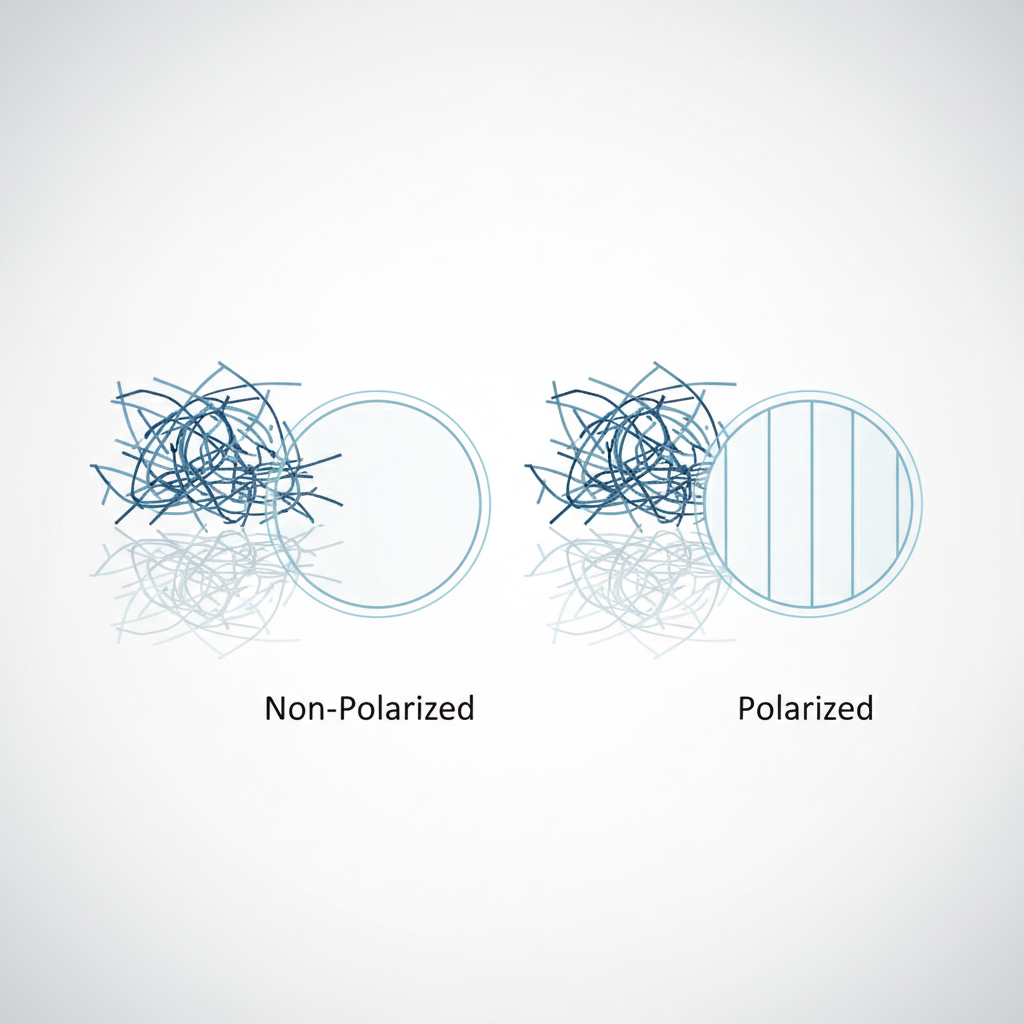
Here’s a comparison of the most common options:
| Lens Material | Key Advantages | Best For | Considerations |
|---|---|---|---|
| CR-39 Plastic | Excellent optical clarity, low cost. | General, everyday use with low-risk activities. | Heavier and thicker than other options; less impact resistant. |
| Polycarbonate | Superior impact resistance, built-in UV protection. | Children's eyewear, sports, and safety glasses. | Can have slightly lower optical clarity (more chromatic aberration). |
| Trivex | Excellent impact resistance, lightweight, great optical clarity. | A premium choice for kids, sports, and rimless frames. | Costs more than polycarbonate and CR-39. |
| High-Index (1.67, 1.74) | Thinnest and lightest material available. | Strong prescriptions (above +/-4.00 D) to reduce lens thickness and weight. | More reflective, so an Anti-Reflective (AR) coating is essential. |
As noted by experts at Ferris State University, high-index lenses bend light more efficiently, meaning less material is needed to achieve the same prescription power. This is the key to avoiding thick, heavy lenses in stronger prescriptions.
3. Customizing Tints and Coatings
This is where you can truly tailor your sunglasses to your specific needs and activities.
Lens Tints
The color of your lens isn't just for looks; it filters light in different ways to enhance vision in various conditions.
- Gray: A neutral tint that reduces overall brightness without distorting color perception. This makes it an excellent choice for driving and general-purpose use.
- Brown/Amber: These tints enhance contrast and depth perception by filtering out blue light. They are ideal for activities like fishing, golfing, and driving in overcast conditions.
- Green: Like gray, green tints provide true-to-world color perception while also improving contrast slightly. It's a comfortable, all-purpose tint.
Polarization: Cutting Glare
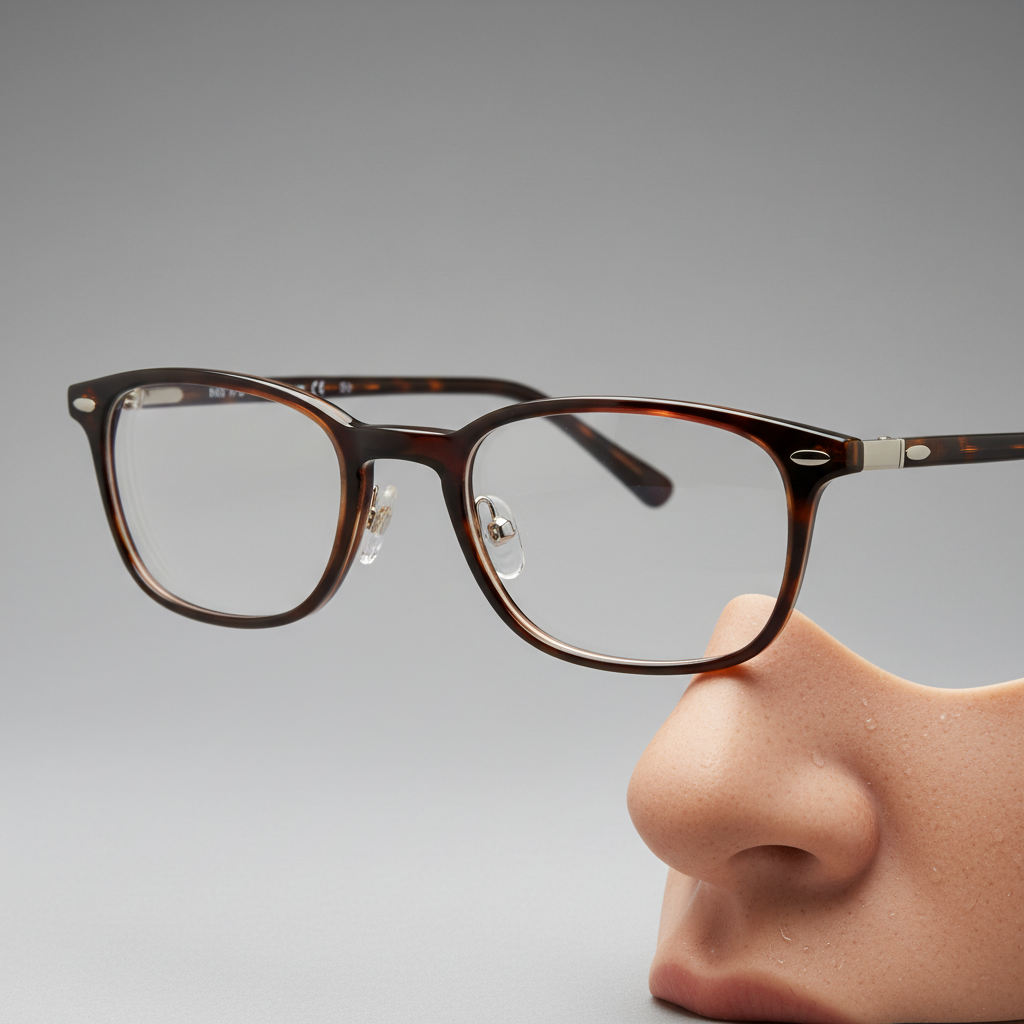
Polarized lenses contain a special filter that blocks intense, horizontally reflected light known as glare. As Harvard Health Publishing explains, this is particularly effective for reducing glare from flat surfaces like water, pavement, and snow.
- Pro Tip: While excellent for driving and water sports, pilots are advised against wearing polarized lenses. The Federal Aviation Administration (FAA) warns that these filters can make it difficult to read modern LCD cockpit displays and can obscure the glint from other aircraft. You might notice a similar effect when looking at your phone or car dashboard.
Essential Coatings
- UV Protection: This is non-negotiable. Your sunglasses should block 99-100% of UVA and UVB rays. A "UV400" rating means the lenses block light rays with wavelengths up to 400 nanometers, which covers the entire harmful spectrum.
- Common Misconception Debunked: The darkness of a lens has no bearing on its UV protection. In fact, wearing dark lenses without certified UV protection is more dangerous than wearing no sunglasses at all. As experts at the MD Anderson Cancer Center warn, the dark tint causes your pupils to dilate, allowing even more damaging UV radiation to enter your eye.
- Anti-Scratch Coating: A protective layer applied to the front and back of the lenses to guard against minor scratches and scuffs, extending the life of your glasses.
- Anti-Reflective (AR) Coating: Applied to the back surface of sunglass lenses, this coating prevents light from bouncing off the lens and into your eye, reducing distracting reflections. It's a must-have for high-index lenses.
Optional Finishes
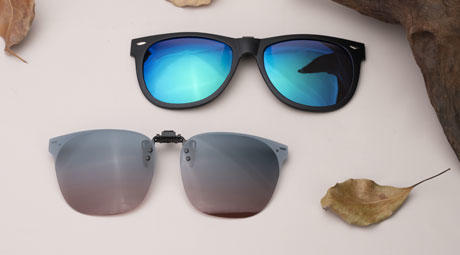
- Mirror Coating: A reflective layer on the front of the lens that reduces the amount of light passing through. It's primarily a style choice but is also effective in very bright conditions, like on snow or water.
- Gradient Tint: These lenses are darker at the top and gradually lighten towards the bottom. They are great for driving, as they shield your eyes from overhead sun while allowing you to see your dashboard clearly.
Wrapping Up: Your Final Customization Checklist
You've made it through the key decisions. Before you finalize your order, run through this quick checklist:
- Valid Prescription: Is your prescription current (typically within one to two years)?
- Accurate PD: Have you provided a correct Pupillary Distance?
- Frame Fit: Is the frame size appropriate for your face and your prescription strength?
- Lens Material: Have you chosen the best material for your lifestyle (e.g., polycarbonate for sports, high-index for a strong Rx)?
- Lens Tint: Does the tint color match your primary activity (e.g., gray for driving, brown for contrast)?
- Polarization: Do you need glare reduction for activities like fishing or driving?
- Essential Coatings: Have you confirmed 100% UV protection and added an anti-scratch coating?
By thoughtfully considering each of these steps, you can move beyond off-the-shelf options and create a pair of prescription sunglasses that delivers superior vision, comfort, and protection.
Frequently Asked Questions (FAQ)
1. Can I put prescription lenses in any sunglass frame? Not always. Very large, heavily curved (high-wrap), or uniquely shaped frames can be difficult or impossible to fit with prescription lenses, especially strong ones. It's best to choose from frames designated as "prescription-compatible."
2. Are polarized lenses always better? For most situations involving glare, yes. However, they can interfere with viewing LCD screens on phones, dashboards, and ATMs. If your job or hobby relies heavily on screen readability, you might opt for non-polarized lenses.
3. How do I know if my sunglasses have proper UV protection? Look for a sticker or label that says "100% protection against UVA & UVB" or "UV400." Reputable retailers will always specify the level of UV protection. If you're unsure, an optical shop can test your lenses with a UV photometer.
4. Why do my high-prescription sunglasses have such thick lenses? Lens thickness is a direct result of prescription strength and frame size. To minimize it, choose a high-index lens material (like 1.67 or 1.74) and select a smaller, more rounded frame that keeps the lens size to a minimum.
Disclaimer: This article is for informational purposes only and does not constitute professional medical advice. Always consult with a qualified optometrist or ophthalmologist for any questions regarding your eye health and prescription needs.
References
- Federal Trade Commission (FTC) - The Eyeglass Rule
- U.S. Food & Drug Administration (FDA) - Impact-Resistant Lenses Guidance
- Ferris State University - High-Index Lenses
- Harvard Health Publishing - Polarized Sunglasses
- Federal Aviation Administration (FAA) - Sunglasses for Pilots
- MD Anderson Cancer Center - 9 Things to Know About Sunglasses


