





Travel Light & Clean: Why Dailies Are Best for Trips
TL;DR: Your Travel-Ready Vision Solution
Traveling with daily disposable contact lenses simplifies your routine, enhances eye health, and saves precious luggage space. By using a fresh pair each day, you eliminate the need for bulky solutions and cases, significantly reduce your risk of infection from contaminated water or poor hygiene, and enjoy crisp, comfortable vision from departure to return. Pack a few extra pairs, and you're set for a worry-free journey.
Traveling should be about the experience, not the baggage. For contact lens wearers, the daily ritual of cleaning, disinfecting, and storing reusable lenses can feel like a chore that tethers you to a bottle of solution and a plastic case. What if you could leave all that behind? Daily disposable contact lenses offer a liberating alternative, providing unmatched convenience and hygienic peace of mind, especially when you're far from home.
This guide explores why daily disposables are the superior choice for any traveler, from the weekend road-tripper to the round-the-world adventurer. We’ll cover the practical benefits, the critical health advantages, and expert tips to ensure your eyes stay comfortable and safe on the go.
The Unmatched Convenience of Dailies for Travel
The primary advantage of daily disposables is simplicity. They are designed to be worn once and then discarded, freeing you from the burdens of a lens care regimen.
Leave the Lens Care Kit at Home
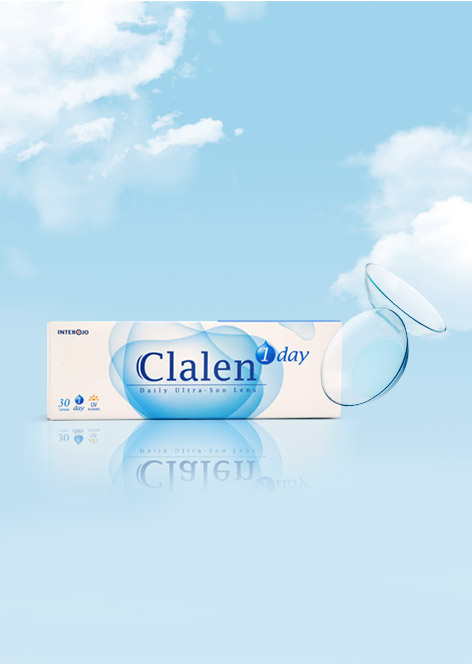
Forget packing bulky, heavy bottles of contact lens solution. With dailies, you don't need them. This not only lightens your luggage but also eliminates the risk of solution bottles leaking inside your bag. You also don't need a lens case, which can be a breeding ground for bacteria if not cleaned and replaced regularly. Each daily lens comes in its own sterile, sealed blister pack, ready for immediate use.

Pack Light and Smart: The Buffer Rule
Daily disposables are incredibly space-efficient. A strip of ten lenses is thinner than a smartphone and weighs next to nothing. This makes it easy to pack for your exact trip length. However, travel is full of surprises—a delayed flight, a spontaneous extended stay, or a dropped lens.
Pro Tip: Always pack a buffer. For any trip, I recommend packing at least two to three extra days' worth of lenses. A 5-day trip requires 7 or 8 pairs. This simple habit prevents a frantic search for a specific prescription in an unfamiliar city.
It's also wise to keep your entire supply of lenses in your carry-on bag. Checked luggage can be lost or exposed to extreme temperatures in the cargo hold, which could potentially compromise the integrity of the lenses.
Uncompromising Hygiene On the Go
Maintaining hygiene while traveling can be challenging, but it's non-negotiable for eye health. Daily disposables are the gold standard for hygienic lens wear, a fact supported by extensive clinical evidence.
A Fresh, Sterile Lens Every Single Day
The single most significant health benefit is starting each day with a brand new, sterile lens. According to the Centers for Disease Control and Prevention (CDC), contact lenses are medical devices that require diligent care to prevent serious eye infections. Shockingly, studies have found that as many as 99% of wearers report at least one hygiene-related risk behavior. Reusing lenses, sleeping in them, or using a dirty case all increase the risk of microbial keratitis, a painful and potentially blinding infection.
Daily disposables eliminate these variables. There are no cases to clean and no solutions to manage. You simply discard the lens—and all the bacteria, allergens, and protein deposits that have accumulated on it—at the end of the day.

Common Myth: "I can reuse my dailies just once."
Expert Warning: A frequent and dangerous mistake is attempting to "stretch" a supply of daily disposables by rinsing and reusing them. This is a shortcut to an infection. Daily disposables are not designed or approved for reuse. Their material is thinner and more delicate than that of reusable lenses, and they are not made to withstand cleaning and disinfection. A study on the reuse of daily disposables found that 95% of lenses became contaminated with bacteria when stored in their original blister pack saline overnight. Never attempt to clean, store, or reuse a daily disposable lens.
The Danger in the Water
When traveling, you can't be sure of the local water quality. The U.S. Environmental Protection Agency (EPA) warns that tap water can contain Acanthamoeba, a microorganism that causes a severe, treatment-resistant eye infection. Never use tap water, bottled water, or any non-sterile liquid to rinse your lenses or case. With daily disposables, you sidestep this risk entirely, as you never need to rinse them.
Pre-Travel Checklist & Best Practices
To ensure a seamless travel experience with your daily disposables, follow this simple checklist.
| Action Item | Why It Matters |
|---|---|
| Pack a Buffer | Bring 2-3 extra pairs to cover delays, loss, or damage. |
| Use Carry-On Only | Protects lenses from loss and extreme temperatures in checked bags. |
| Bring Your Prescription | Carry a paper or digital copy of your Rx in case of emergency. |
| Pack Rewetting Drops | Use preservative-free, single-use vials for in-flight dryness. |
| Prioritize Hand Hygiene | Always wash hands with soap and water before handling lenses. |
What if soap and water aren't available? If you find yourself needing to handle your lenses without access to a clean sink, follow this procedure:
- Clean your hands thoroughly with an alcohol-based hand sanitizer (at least 60% alcohol).
- Allow your hands to air dry completely. Do not wipe them.
- Once your hands are fully dry, you can handle your lenses. The alcohol will have evaporated, preventing it from irritating your eyes.
Handling Specialty Lenses and First-Time Wear
For those with astigmatism or presbyopia, the convenience of dailies is still within reach.
-
Toric & Multifocal Wearers: If you wear daily disposables for astigmatism (toric) or presbyopia (multifocal), it is crucial to pack more than just a buffer. These specialty lenses are often not stocked in local optical shops, especially overseas. I recommend bringing an entire extra box to avoid being forced into a poorly fitting substitute.
-
New Wearers: If you are new to contact lenses, do not make a long trip your first time wearing them. Trial your specific brand of daily disposables at home for several full days to ensure they are comfortable and that you are confident in handling them, even when tired or rushed.
Frequently Asked Questions (FAQ)
Can I swim or shower while wearing daily disposables? No. You should never expose any type of contact lens to water, including pools, hot tubs, lakes, or showers. Water harbors microorganisms like Acanthamoeba that can cause severe eye infections.
What happens if I run out of lenses while traveling? This is a difficult situation, which is why packing a buffer is so important. You would need to find an optometrist for an eye exam and fitting, as contact lenses are medical devices requiring a valid prescription from the FDA. Your specific brand and parameters may not be available, forcing you into a less comfortable alternative.
Do I still need regular eye exams if I only wear dailies? Yes. Annual eye exams are essential to monitor the health of your eyes and ensure your prescription is accurate. Wearing an incorrect prescription can cause eye strain and headaches. Your eye doctor also checks for underlying health issues during these exams.
Your Clearest, Easiest Travel Yet
Embracing daily disposable contact lenses for travel is about more than just convenience; it’s a commitment to your eye health. By eliminating the risks associated with reusable lenses and simplifying your daily routine, you free yourself to focus on what truly matters: the journey. Pack smart, stay clean, and enjoy the world with fresh eyes every day.
Disclaimer: This article is for informational purposes only and does not constitute professional medical advice. Always consult with a qualified optometrist or ophthalmologist regarding your eye health, contact lens prescriptions, and before making any changes to your eye care routine.


