










Dailies vs. Monthlies: Which is Best for Allergies?
This article is for informational purposes only and does not constitute professional medical advice. Always consult with a qualified eye care professional for any health concerns, before making any decisions about your vision care, or if you experience discomfort or vision changes. Do not disregard professional medical advice or delay in seeking it because of something you have read here.
Itchy, watery, and red eyes can make allergy season a miserable time for anyone, but for contact lens wearers, it can be unbearable. If you find yourself struggling with foggy lenses and constant irritation when pollen counts are high, you’re not alone. The good news is that a simple change in your choice of contact lenses could make a significant difference.
When it comes to managing allergies, not all contacts are created equal. We’re breaking down the comparison between daily disposable and monthly lenses, exploring how each type interacts with allergens, and providing a clear guide to help you find relief.
TL;DR: Daily Disposables vs. Monthly Lenses for Allergies
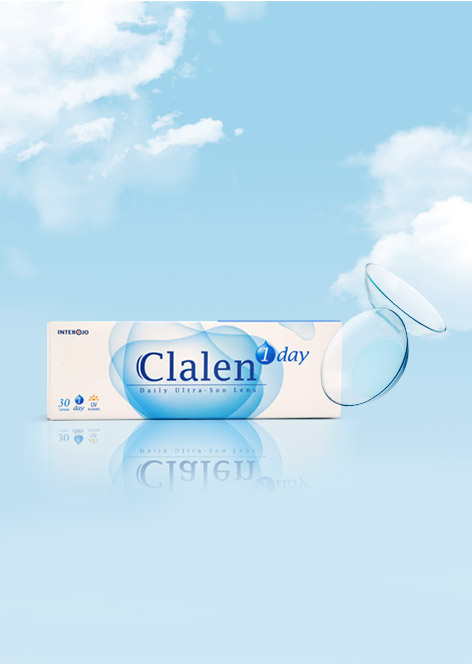
- Daily Disposables: Highly recommended for allergy sufferers. Starting with a fresh, clean pair each day prevents the buildup of pollen, dust, and other irritants, significantly reducing symptoms.
- Monthly Lenses: Can be used, but require an extremely diligent cleaning routine. Allergens and protein deposits can accumulate over the 30-day wear period, often worsening irritation.
- Key Takeaway: For maximum comfort and minimal allergy symptoms, eye care professionals frequently recommend switching to daily disposables, at least for the duration of allergy season.
Why Allergies and Contact Lenses Don't Always Mix
Contact lenses are designed to be comfortable, but they are still a foreign object resting on your eye. The surface of a soft contact lens, particularly one worn for multiple days, can act like a magnet for airborne allergens like pollen, pet dander, and dust.
Here’s what happens:
- Allergen Accumulation: Throughout the day, these microscopic irritants stick to the surface of your lenses.
- Protein Deposits: Your tears naturally contain proteins and lipids that can build up on the lens. This buildup, called a deposit, creates an even rougher surface for allergens to cling to.
- Constant Exposure: The allergen-coated lens sits directly on your cornea, holding irritants against your eye all day. This triggers the classic allergic response: itching, redness, and a watery, "foreign body" sensation.
A study on "problem" patients who experienced symptoms like dryness found that switching from reusable lenses to daily disposables significantly reduced these issues, highlighting how a fresh surface can improve comfort.

The Clear Winner for Allergy Season: Daily Disposables
The primary advantage of daily disposable lenses is simple but powerful: you start with a brand new, sterile, and perfectly clean lens every single morning. This single factor effectively eliminates the core problem of allergen and protein buildup.
Key Benefits of Daily Lenses for Allergies
- No Allergen Buildup: By discarding the lens at the end of the day, you also discard all the pollen and irritants that have accumulated on it. There is no opportunity for them to build up over days or weeks.
- Eliminates Cleaning Variables: A rigorous cleaning routine is essential for monthly lenses, but studies show most people don't do it correctly. In fact, one report from the Centers for Disease Control and Prevention (CDC) found that 99% of wearers reported at least one risky hygiene behavior. Daily disposables remove this risk entirely. There are no cases to clean and no solutions to manage.
- Improved Comfort: Without a layer of irritants and deposits, your eyes feel fresher and more comfortable, even during long wear days in high-pollen environments.
For these reasons, eye care practitioners routinely recommend that patients who suffer from seasonal allergies switch to daily disposables. A large-scale survey tracking two decades of prescribing habits shows a massive shift in the industry, with daily disposables growing to become the most prescribed lens type globally, underscoring their benefits in health and convenience.
Can You Still Wear Monthly Lenses with Allergies? A Hygiene Masterclass
While dailies are the preferred choice, you may be able to continue wearing your monthly lenses if your symptoms are mild and you commit to an uncompromising hygiene protocol. During allergy season, there is no room for error.

The Non-Negotiable Cleaning Protocol for Monthlies
Follow these steps every single night without fail:
- Wash Your Hands: Thoroughly wash and dry your hands before touching your lenses or eyes.
- Rub and Rinse: This is the most critical step. After removing a lens, place it in the clean palm of your hand. Apply a generous amount of fresh multipurpose solution and gently rub both sides of the lens with your fingertip for 15-20 seconds. This mechanical rubbing is essential to loosen deposits and allergens.
- Rinse Again: Thoroughly rinse the lens with more fresh solution to wash away the dislodged debris.
- Fresh Solution Only: Place the lens in its case and fill it with new, fresh multipurpose solution. Never, ever top off old solution. Topping off is like bathing in dirty water; it allows contaminants to thrive.
- Keep the Case Clean: Rinse your lens case with fresh solution (not water!) every day and let it air dry, open and upside down, in a clean space. Replace your storage case every three months.
Common (and Dangerous) Mistakes to Avoid
- The Tap Water Myth: Never rinse your lenses or your case with tap water. The Environmental Protection Agency (EPA) warns that tap water can contain microorganisms like Acanthamoeba, which can cause a severe, painful, and hard-to-treat infection that may lead to vision loss.
- Reusing Dailies: Daily disposables are not designed or FDA-approved for more than a single use. Their material and design are meant for one day of wear. A study on reused daily lenses found a 95% contamination rate, proving that reusing them is a direct invitation for infection.
A Practical Guide: What to Do Based on Your Symptoms
Not sure which path to take? Use this symptom-based guide, which reflects how clinicians often advise patients.
| Symptom Level | Description | Recommended Action |
|---|---|---|
| Mild | Occasional itching or dryness, easily relieved by rewetting drops. Wear is generally comfortable. | 1. Stick with your monthly lenses if you wish, but shorten your daily wear time. |
- Use preservative-free rewetting drops as needed.
- Be extra diligent with your "rub and rinse" cleaning regimen. | | Moderate | Daily itching, tearing, or a persistent feeling of something in your eye. Lens comfort noticeably decreases during the day. | 1. Strongly consider switching to daily disposables for the allergy season.
- This is the most effective way to reduce symptoms and improve comfort.
- If you must stay with monthlies, follow the strict hygiene protocol and limit wear time significantly. | | Severe | Constant and intense itching, significant redness, swelling of the eyelids, or a mucus-like discharge. | 1. Stop wearing your contact lenses immediately.
- Do not try to "power through" the irritation.
- Schedule an appointment with your eye care provider to rule out infection and get professional guidance. |
Wrapping Up: Your Best Defense Against Allergies
For contact lens wearers, allergy season doesn't have to be a time of constant discomfort. While monthly lenses can be managed with a flawless hygiene routine, the evidence and clinical experience overwhelmingly point to daily disposables as the superior choice for allergy sufferers.
By starting each day with a fresh, sterile lens, you eliminate the root cause of much of the irritation—allergen and protein buildup. This simple switch offers a powerful combination of relief, convenience, and safety, allowing you to enjoy clear, comfortable vision even when pollen is in the air.
If you're struggling this season, talk to your eye doctor. Making the switch to daily disposables might be the single best decision you make for your eyes.
Frequently Asked Questions (FAQ)
Q: Can I just use allergy eye drops with my monthly contacts?
A: Some rewetting drops are safe for use with contacts, but many medicated allergy drops are not. The preservatives in some drops can be absorbed by the lens material and cause further irritation. Always use preservative-free artificial tears designed for contact lens wearers and consult your doctor before using any medicated drops while wearing your lenses.
Q: Why do my eyes feel better with dailies even though they are made of a similar material to monthlies?
A: While the base materials may be similar (e.g., silicone hydrogel), the key difference is the replacement schedule. A monthly lens surface degrades slightly and accumulates deposits over 30 days. Even with perfect cleaning, it will never be as pristine as a brand-new daily lens. This fresh surface is what provides the relief from allergy symptoms.
Q: Is it safe to buy lenses online?
A: Yes, it is safe to buy contact lenses online as long as you have a valid, current prescription from an eye care professional. All contact lenses, including non-corrective colored lenses, are considered medical devices by the FDA and require a prescription to be legally and safely sold in the United States.
Q: What if I switch to dailies and my eyes are still red and itchy?
A: If you switch to daily disposables and follow all proper hygiene guidelines but your symptoms of severe redness, pain, or discharge persist for more than 48 hours, stop wearing the lenses and see your eye doctor promptly. These could be signs of an underlying issue, such as an eye infection or a more severe allergic reaction that requires medical treatment.
References
- CDC: Contact Lens Wear & Care
- FDA: Types of Contact Lenses
- EPA: Danger of Using Tap Water with Contact Lenses
- PubMed: Refitting "Problem" Patients with Daily Disposables
- PubMed: Contamination Risk of Reusing Daily Disposable Lenses
- PubMed: Global Trends in Contact Lens Prescribing (2000-2023)
- MMWR: Contact Lens Wearer Demographics and Risk Behaviors


