


Dailies vs. Sports Goggles: Which is Better for Contact Sports?
TL;DR: The Quick Decision
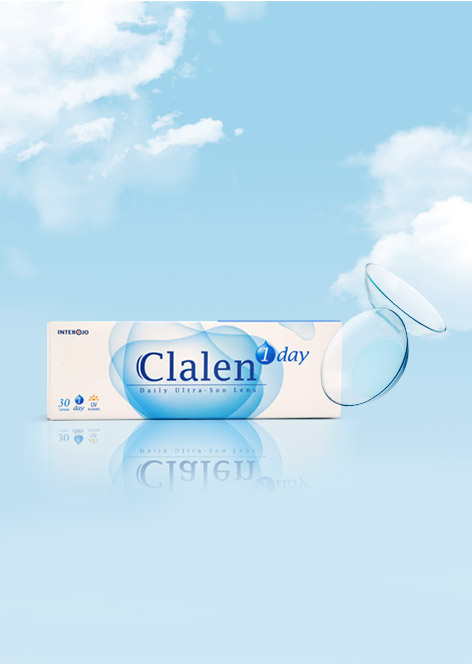
- Daily Disposable Lenses: Best for non-contact or limited-contact sports where peripheral vision and freedom from fog are paramount. Think running, cycling, tennis, and golf. They offer unbeatable convenience and hygiene.
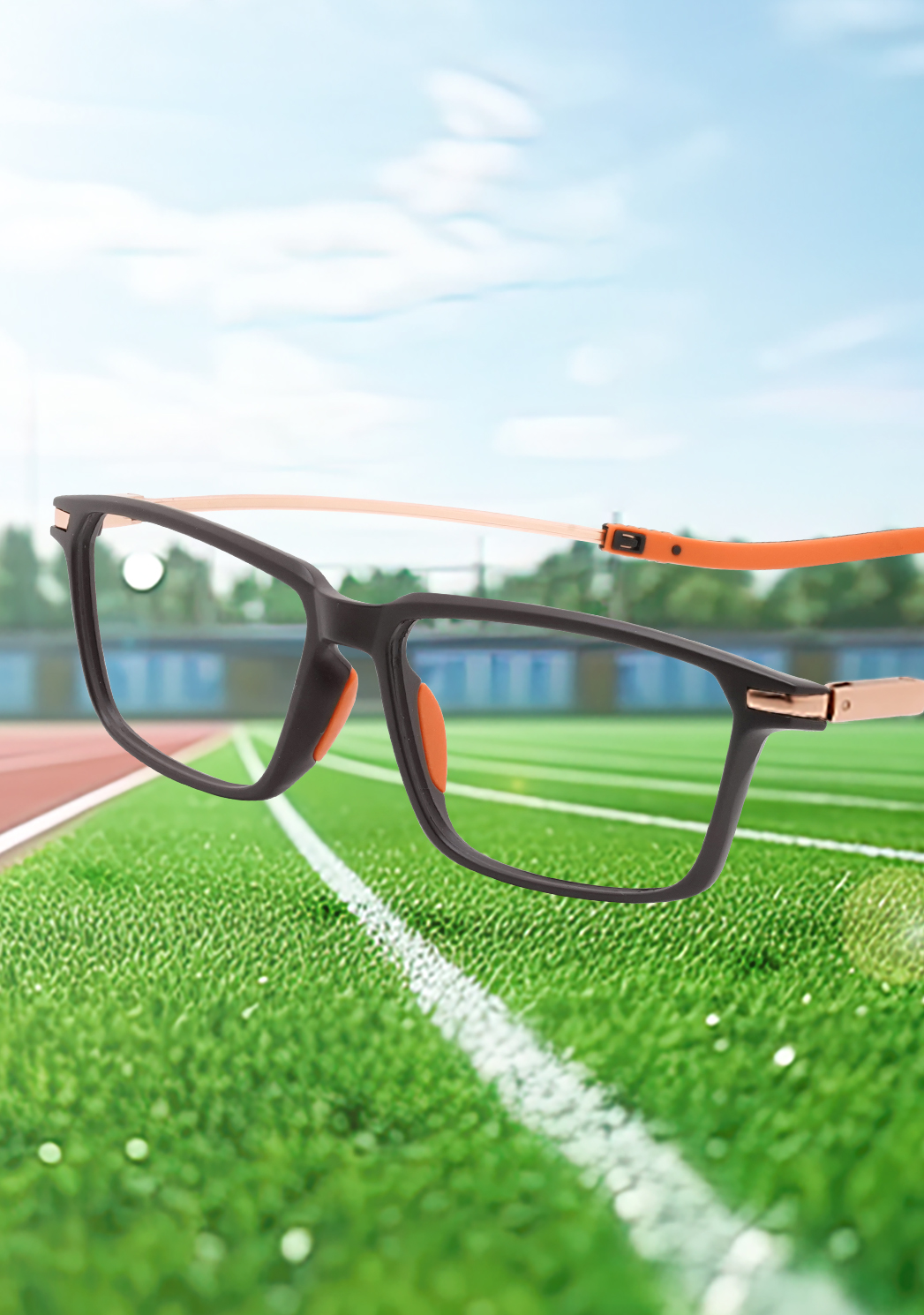
- Prescription Sports Goggles: The mandatory choice for any sport involving high-speed objects or significant physical contact. Think basketball, soccer, racquetball, and martial arts. Their primary job is to prevent serious eye injury.
For many athletes, the best solution isn't choosing one over the other, but using both. Daily lenses for practice and low-risk training, and sports goggles for the actual game.

The Case for Daily Lenses: Convenience, Clarity, and Hygiene
For athletes in motion, daily disposable contact lenses offer a level of freedom that glasses can't match. Their benefits are centered on performance, convenience, and ocular health.
Unmatched Visual Performance
When you're playing a sport, your vision is your most critical tool. Daily disposables provide several advantages:
- Unobstructed Peripheral Vision: Unlike frames that create blind spots, contact lenses move with your eye, giving you a full, natural field of view. This is a significant advantage in sports like soccer or tennis, where tracking a ball or opponent at the edge of your vision is crucial.
- No Environmental Interference: Lenses don't fog up in the heat of the moment, get splattered by rain, or slip down a sweaty nose. Your vision remains clear and stable, regardless of the conditions.
- Stable and Secure: Once properly fitted, contact lenses stay put. There's no need to constantly adjust them or worry about them falling off during a critical play.
The Hygiene Advantage
Hygiene is a major concern with reusable contact lenses, but dailies solve the problem by design. According to a landmark study from the Centers for Disease Control and Prevention (CDC), a staggering 99% of contact lens wearers report at least one hygiene risk behavior, such as sleeping in lenses or improper cleaning. These habits dramatically increase the risk of painful and potentially sight-threatening eye infections.
Daily disposables eliminate these risks:
- A Fresh Lens Every Day: You start with a sterile, new lens each time you wear them, significantly reducing the buildup of proteins, lipids, and microorganisms that can cause irritation and infection.
- No Cleaning, No Cases: There's no need for solutions or storage cases, which are often a source of contamination. This makes dailies perfect for tossing in a gym bag or traveling for a competition.
For athletes who frequently deal with sweat, dust, and dirt, this hygienic advantage is not just a convenience—it's a key safety feature. Studies have shown that refitting patients who experience dryness and irritation with reusable lenses into daily disposables can significantly reduce symptoms, making them a more comfortable option for long training sessions.
The Critical Role of Sports Goggles: Your Eyes' Bodyguard
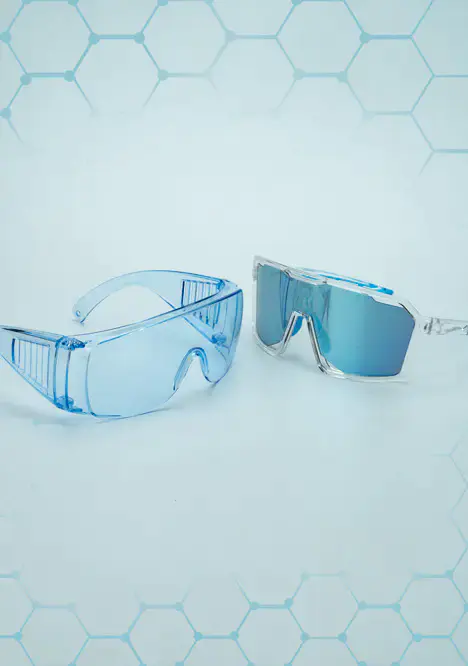
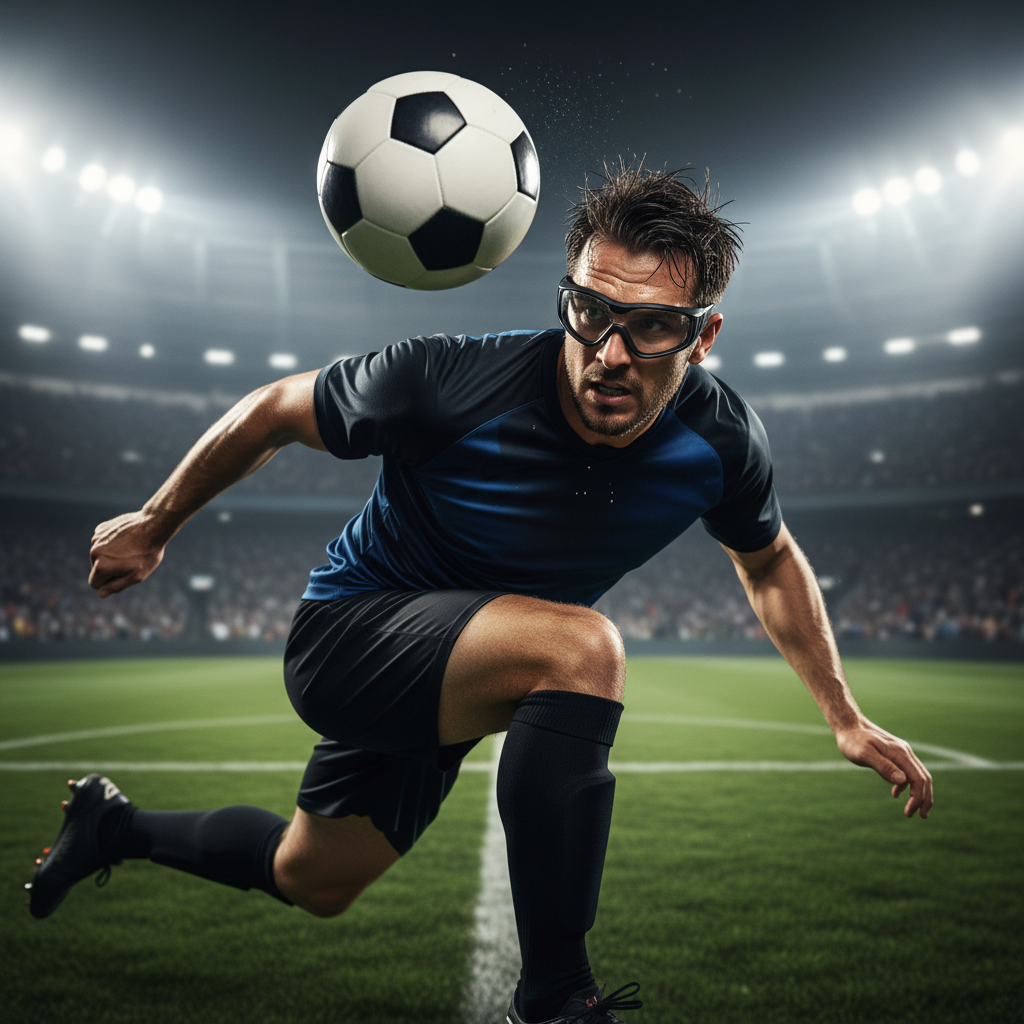
While daily lenses offer superior convenience and vision, they provide zero protection from physical impact. In many sports, this is a risk you can't afford to take. Prescription sports goggles are specialized medical devices designed for one primary purpose: to keep your eyes safe.
Non-Negotiable Impact Protection
An eye injury can be devastating and career-ending. The risks in contact sports are numerous:
- An errant finger in basketball.
- A high-speed ball in racquetball or squash.
- A header collision in soccer.
- A fall during martial arts.
In these scenarios, standard eyeglasses or sunglasses are more of a hazard than a help. They can shatter on impact, turning a preventable incident into a serious emergency. Sports goggles, however, are built to a different standard. According to FDA regulations (21 CFR 801.410), all eyewear sold in the U.S. must be impact-resistant. But safety goggles for sports go even further, adhering to the ANSI Z87.1 standard, which involves more rigorous testing for high-velocity impact.
When Are Goggles Essential? A Sport-by-Sport Guide
Not sure if your sport requires goggles? Here’s a simple breakdown:
- Mandatory for Contact/Impact Sports: If your sport involves balls, sticks, racquets, or close player contact, goggles are a must. This includes basketball, racquet sports, hockey, lacrosse, soccer, and martial arts.
- Recommended for High-Risk Environments: For sports like baseball or mountain biking, where debris or unexpected impacts are possible, goggles provide a crucial layer of safety.
- The Problem with Lenses in Contact Sports: An optometrist working with athletes will tell you that while a contact lens won't shatter, a direct blow can easily dislodge it. This not only leaves you visually impaired mid-game but also carries a risk of corneal abrasion if the lens folds or traps debris underneath it.
More Than Just Impact: Total Coverage
Beyond impact resistance, well-designed sports goggles offer comprehensive protection. Wraparound styles are particularly effective at blocking UV rays from all angles—above, below, and from the sides. Research using 3D models has shown that standard frames allow significant peripheral light leakage, which can contribute to long-term sun damage. For outdoor athletes, the superior coverage of goggles is a major health benefit, a topic further explored in our guide to wraparound sunglasses.
Common Mistakes and How to Avoid Them
Choosing the right eyewear is only half the battle. Athletes often make critical mistakes that compromise their safety and vision.
Mistake #1: Using Monthly or Bi-Weekly Lenses for Sports It might seem cost-effective to use your regular reusable lenses for sports, but this is a significant risk. Protein and lipid deposits from sweat and tears build up on lenses over their lifespan. If a reusable lens gets dislodged during a game, it can introduce a high concentration of this buildup into the eye, increasing the risk of an inflammatory response or infection.
Mistake #2: Assuming Any Goggle Will Do The fit of sports goggles is crucial. A poorly fitting pair can be uncomfortable, slip out of place, or fail to provide adequate protection. Furthermore, the prescription for highly wrapped goggles is not the same as for regular glasses. The curvature changes the "vertex distance"—the space between the lens and your eye—requiring a specialized calculation to ensure your vision is sharp, not distorted. This is a level of precision often missed by generic online retailers.
Mistake #3: Forgetting About UV Protection Many contact lenses come with built-in UV filters, but this protection is incomplete. A contact lens only covers the cornea, leaving the sclera (the white of the eye) and the delicate skin of the eyelids exposed to harmful radiation. As we detail in our article on why contact lens wearers still need sunglasses, relying solely on contacts for sun protection is a common and dangerous oversight.
FAQ: Quick Answers for Athletes
1. Can I wear my regular glasses for sports? Absolutely not. Regular eyeglasses are not built to withstand impact and can shatter, causing severe eye injury. Always use eyewear rated for sports safety.
2. Are daily disposables more expensive? While the upfront cost per lens may be higher, daily disposables eliminate the need to buy cleaning solutions and storage cases. More importantly, they drastically reduce the risk of costly eye infections, making them a smart investment in your health. For those with discomfort, dailies can also be a solution, as discussed in our article on daily disposables for dry eyes.
3. What if I have astigmatism? Both daily disposable contact lenses (known as "toric" lenses) and prescription sports goggles are widely available to correct astigmatism. You do not need to compromise on clear vision.
4. Can my child wear contacts for sports? Yes. Numerous studies have shown that even young children (ages 8-12) can successfully and safely handle daily disposable lenses. It often comes down to the child's maturity level and sense of responsibility.
5. Do I need a prescription for sports goggles? Yes. Even if you are buying non-prescription (plano) goggles for protection, it's vital to ensure they meet safety standards. All contact lenses and prescription goggles are considered medical devices and, under the FTC's Eyeglass Rule, require a valid prescription from an eye care professional.
Disclaimer: This article is for informational purposes only and does not constitute professional medical advice. Always consult with a qualified optometrist or ophthalmologist to determine the best vision and safety solution for your specific needs, sport, and eye health. Pre-existing conditions may influence which option is right for you.
References
- Centers for Disease Control and Prevention (CDC). (2017). Morbidity and Mortality Weekly Report (MMWR): Contact Lens Wearer Demographics and Risk Behaviors. https://pmc.ncbi.nlm.nih.gov/articles/PMC5779588/
- U.S. Food and Drug Administration (FDA). (2021). Guidance: Impact-Resistant Lenses (21 CFR 801.410). https://www.fda.gov/regulatory-information/search-fda-guidance-documents/impact-resistant-lenses-questions-and-answers
- Serrador, K., et al. (2018). Refitting reusable soft contact lens wearers with daily disposable lenses: A 4-month prospective study. Contact Lens and Anterior Eye. https://pubmed.ncbi.nlm.nih.gov/24709223/
- Sankaridurg, P., et al. (2019). Ocular UV-B radiation dosimetry: A comparison of predicted and measured values. Photochemistry and Photobiology. https://pmc.ncbi.nlm.nih.gov/articles/PMC6803516/
- Federal Trade Commission (FTC). Consumer Advice: Buying Prescription Glasses or Contact Lenses. https://consumer.ftc.gov/buying-prescription-glasses-or-contact-lenses-your-rights


