







Travel Guide: Packing & Backups for Daily Lenses
Traveling with daily disposable contact lenses offers incredible freedom and convenience. There are no cases or solutions to worry about—just a fresh, clear pair of lenses every morning. But what happens if a lens tears, your luggage gets lost, or your trip gets unexpectedly extended? Suddenly, that convenience can turn into a stressful scramble for a solution.
This guide is your complete playbook for traveling with daily disposables. I'll share the practical, real-world strategies that I provide to travelers to ensure they are prepared for any situation. We will cover smart packing strategies, tips for staying comfortable on the flight, and a clear emergency plan for what to do if you run out of lenses far from home.
TL;DR: Your Essential Travel Checklist
For those in a hurry, here are the absolute must-dos:
- Pack a Buffer: Always pack at least 20% more lenses than you need for your trip's duration. For short trips, add a minimum of 2-3 extra pairs.
- Carry-On Only: Never put your contact lenses or prescription glasses in checked luggage. Keep them with you to avoid loss or damage from temperature swings.
- Bring Your Rx: Carry a digital and a paper copy of your official contact lens prescription. This is your proof of medical need and is essential for acquiring replacements.
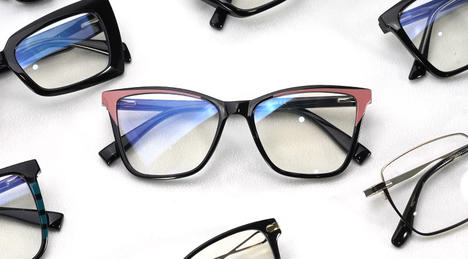
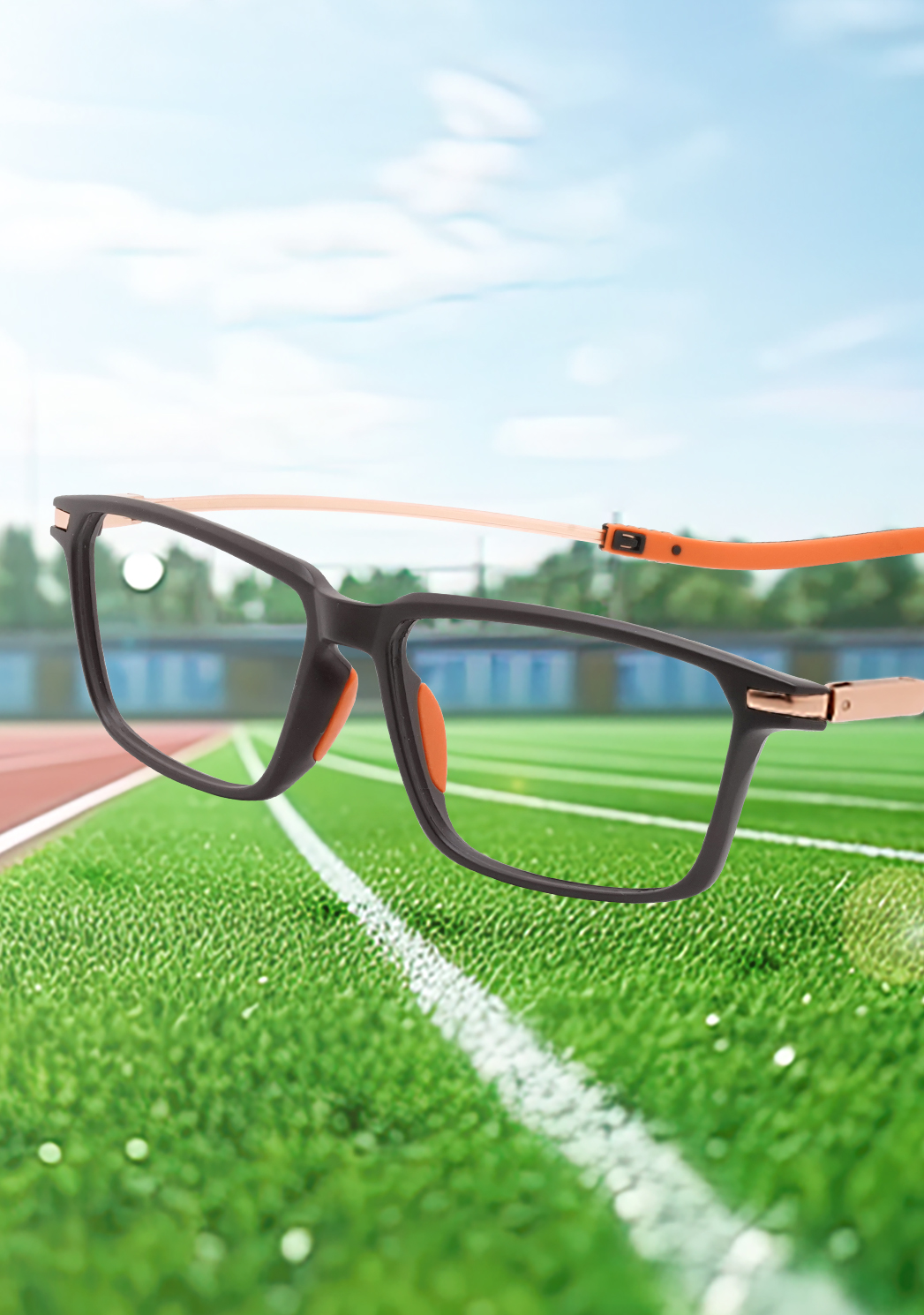
- Pack Backup Glasses: This is your most important safety net. A reliable pair of glasses can get you through any contact lens mishap.
- Hydrate Your Eyes: Pack a new, sealed bottle of preservative-free rewetting drops, especially for the dry air in flight cabins.
Smart Packing for Peace of Mind
The most common travel anxieties I hear about involve running out of essentials. With contact lenses, a little preparation goes a long way in preventing problems.
How Many Spares Is Enough? The 20% Rule
I always advise travelers to pack for the planned duration of their trip, then add a buffer of at least 20%. For a 10-day trip, that means packing 12 pairs of lenses. For a shorter weekend trip, bring at least two extra pairs. This simple rule accounts for the most common travel mishaps: a torn lens, an accidental drop, or a travel delay that extends your stay by a day or two. This isn't about being wasteful; it's about having risk-free insurance for your vision.
Why Your Carry-On Is the Only Option
Placing your lenses in checked baggage is a significant risk. First, there's the danger of the airline losing your bag, leaving you without your prescribed medical devices. Second, cargo holds are not temperature-controlled. Lenses can be exposed to freezing or high-heat conditions that can compromise the sterile packaging and even alter the lens parameters. Research has shown that temperature changes can cause daily disposable lenses to shrink and steepen, potentially affecting the fit and comfort once they are on your eye. Keeping them in your carry-on bag ensures they remain safe, accessible, and at a stable, ambient temperature.
Your Prescription: A Passport for Your Eyes
Your contact lens prescription is a medical document that you have a right to possess. Under the FTC's Eyeglass Rule, your eye doctor is required to provide you with a copy of your prescription automatically. Having this document is critical when traveling. I recommend saving a digital copy to your phone or cloud storage and carrying a paper copy in your passport wallet. This document, which includes your power, base curve, and diameter, is the only way to obtain a correct and safe replacement lens from a reputable dispenser if you run into trouble.
In the Air: Keeping Your Eyes Comfortable and Safe
Air travel presents a unique set of challenges for contact lens wearers, primarily due to the extremely dry air inside the cabin.

Battling Cabin Dryness
The air in an airplane cabin at cruising altitude has a humidity level of around 20%, which is drier than the Sahara Desert. This environment rapidly draws moisture from the surface of your eyes and contact lenses, leading to dryness, irritation, and discomfort. To combat this:
- Use Rewetting Drops: Apply preservative-free rewetting drops every 3-6 hours during a long flight to restore moisture. Using a preservative-free formula is key, as frequent use of drops with preservatives can cause irritation.
- Blink Fully and Often: When we stare at screens, our blink rate drops significantly. Make a conscious effort to perform full, deliberate blinks to help spread your tear film evenly over the lens.
- Give Your Eyes a Break: For long-haul or red-eye flights, the best strategy is to wear your glasses. This gives your corneas a chance to rest and rehydrate.
The "Never Sleep in Lenses" Rule, Magnified
While it might be tempting to nap on a long flight, sleeping in contact lenses is one of the highest-risk behaviors. According to a landmark study, overnight wear increases the risk of a serious corneal infection (ulcerative keratitis) by over eight times compared to daily wear. The low-oxygen, low-humidity cabin environment only magnifies this risk. Always remove your daily disposables before sleeping, even for a short nap.
Emergency Plan: What to Do When You Run Out of Lenses
Despite the best planning, emergencies happen. If you find yourself without the lenses you need, follow these steps to manage the situation safely.
Step 1: Don't Panic, Use Your Backup Glasses
This is why you packed them. Immediately switch to your glasses. This removes the stress of needing to find a replacement right away and is the single safest option for your eyes. Do not attempt to extend the life of your last pair of daily lenses. Studies show that reusing daily disposables, even for one night, leads to massive bacterial contamination. A study that tested reused daily lenses found that 95% were contaminated with bacteria like Staphylococcus.
Step 2: Sourcing Replacements Safely
If your trip is long and glasses aren't a viable full-time option, use your prescription copy to seek out a licensed optometrist or a reputable optical dispenser. Be aware that brand availability and prescription parameters can vary by country. Avoid street vendors or cosmetic shops selling lenses as they are not medical-grade and can pose a serious health risk.
Debunking a Common Travel Myth
Myth: "I can just buy a lens with the same power from a local shop."
Reality: This is a dangerous misconception. A contact lens prescription is more than just the power (e.g., -2.50). It includes the Base Curve (BC) and Diameter (DIA), which determine how the lens fits on your cornea. An ill-fitting lens can be too tight, starving your eye of oxygen, or too loose, causing irritation and unstable vision. As the U.S. Food and Drug Administration (FDA) classifies all contact lenses as medical devices, a proper fit is a medical necessity, not a preference.
Your Proactive Travel Kit & Checklist
Being prepared is the best way to ensure a smooth travel experience. Pack these items in your carry-on for every trip.
Emergency Vision Kit Checklist
| Item | Purpose | Pro Tip |
|---|---|---|
| Spare Glasses | Your primary backup | Keep them in a sturdy case in your carry-on. |
| Digital & Paper Rx | Proof of prescription for replacements | Save a photo on your phone and keep a copy with your passport. |
| Preservative-Free Drops | To combat dryness | A new, sealed travel-sized bottle prevents contamination. |
| Extra Lenses | Your "insurance" supply | Pack at least 20% more than you need for the trip. |
| Hand Sanitizer | For safe handling | Essential for cleaning hands before touching your eyes or lenses. |

Common Travel Mistakes to Avoid
- NEVER rinse lenses or cases with tap water. Tap water can contain a dangerous microorganism called Acanthamoeba, which can cause a severe, painful, and hard-to-treat infection, as warned by the Environmental Protection Agency (EPA). Always use sterile, packaged lenses.
- NEVER reuse a daily disposable lens. They are not designed or approved for more than a single day of wear. The material is not robust enough for cleaning and disinfection, and it builds up deposits that can lead to infection.
- NEVER forget your backup glasses. They are the simplest solution to almost any contact lens problem you might encounter while traveling.
Frequently Asked Questions (FAQ)
Can I swim in my daily contact lenses? No. The Centers for Disease Control and Prevention (CDC) strongly advises against exposing contact lenses to any type of water, including pools, oceans, lakes, or hot tubs. Water harbors countless microorganisms that can get trapped behind the lens and cause serious eye infections.
What if I tear my very last lens? Immediately switch to your backup glasses. This is the exact scenario for which they are intended. Do not try to wear a torn lens, as it can scratch your cornea.
Are colored daily disposables safe for travel? Yes, provided they are properly prescribed by an eye care professional. The FDA regulates all contact lenses, including non-corrective colored lenses, as medical devices. They must be fitted correctly to your eye just like a standard prescription lens.
Key Takeaways
Traveling with daily disposable lenses should be a stress-free experience. By adopting a proactive mindset, you can handle any minor issue that comes your way. Remember the core principles: always pack a buffer supply, keep your lenses and glasses in your carry-on, have a copy of your prescription handy, and prioritize hygiene above all else. A little bit of planning ensures your vision remains clear and your eyes stay healthy, no matter where your journey takes you.
Disclaimer: This article is for informational purposes only and does not constitute professional medical advice. Always consult with a qualified eye care professional regarding your eye health, contact lens prescription, and before traveling. If you experience any pain, redness, or changes in vision, remove your lenses and seek immediate medical attention.


