









Love Your Pets? Dailies Help with Dander Allergies
TL;DR: Your Pet Allergy Survival Guide
For contact lens wearers who love their pets, allergy season is a year-round battle. Pet dander, the microscopic skin flakes from cats, dogs, and other furry animals, is a primary culprit for itchy, red, and irritated eyes. These allergens stick to the surface of monthly or bi-weekly contact lenses, accumulating over time and re-exposing your eyes to irritants with every wear. The most effective solution recommended by eye care professionals is switching to daily disposable contact lenses. Starting with a fresh, sterile lens each morning eliminates the risk of allergen buildup, significantly reduces discomfort, and removes the hassle of cleaning routines. This simple change, combined with a few environmental adjustments, can allow you to enjoy clear, comfortable vision without giving up cuddles with your furry family members.
Why Your Pets and Contact Lenses Don't Always Mix
There's nothing better than coming home to a loving pet. But when you wear contact lenses, that affection can come with a side of significant eye irritation. The problem isn't the fur itself, but the invisible cloud of allergens your pet sheds.
Understanding Pet Dander and Allergens
Pet dander consists of tiny, even microscopic, flecks of skin shed by cats, dogs, rodents, and other animals with fur or feathers. These particles, along with proteins found in saliva and urine, can become airborne and land on every surface in your home—including your eyes. For many, this triggers an allergic reaction, causing the body to release histamines that lead to the classic symptoms of itching, redness, and watering.
When these allergens land directly on the moist surface of a contact lens, they adhere to it. For those who use reusable lenses (like monthlies), this creates a significant problem. Even with diligent cleaning, it's nearly impossible to remove 100% of these microscopic deposits. A study on reusing daily disposables, which are much thinner than monthlies, found that 95% of lenses were contaminated after just one reuse. This demonstrates how easily deposits can cling to a lens surface.

The Buildup Effect: How Reusable Lenses Become Irritation Discs
Think of a reusable contact lens like a tiny sponge. Each day you wear it, it collects proteins from your tears, oils from your skin, and environmental allergens like dust, pollen, and pet dander. Over the course of a week or a month, these deposits build up in a process called bio-fouling. This creates a rough, irritating surface that reduces comfort and can trigger what’s known as Contact Lens Induced Dry Eye (CLIDE) or Giant Papillary Conjunctivitis (GPC), where bumps form under your eyelid.
For a pet owner, this means your contact lens becomes a carrier for the very things you're allergic to. Every time you put the lens in, you're placing a dander-coated disc directly onto your eye, leading to a cycle of chronic irritation that often gets worse as the day—and the month—wears on.
The Daily Disposable Advantage: A Fresh Start for Your Eyes
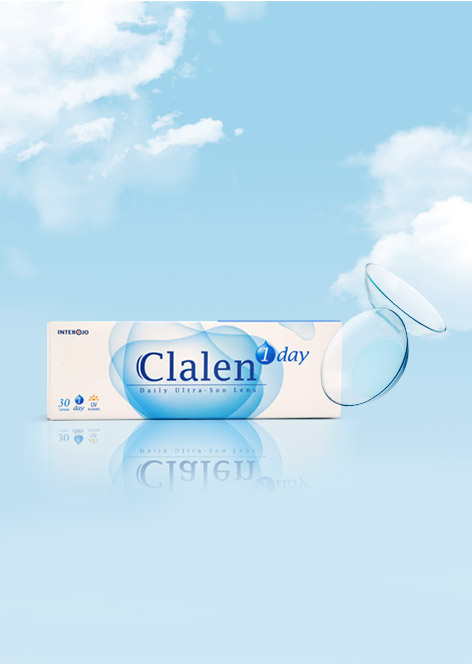
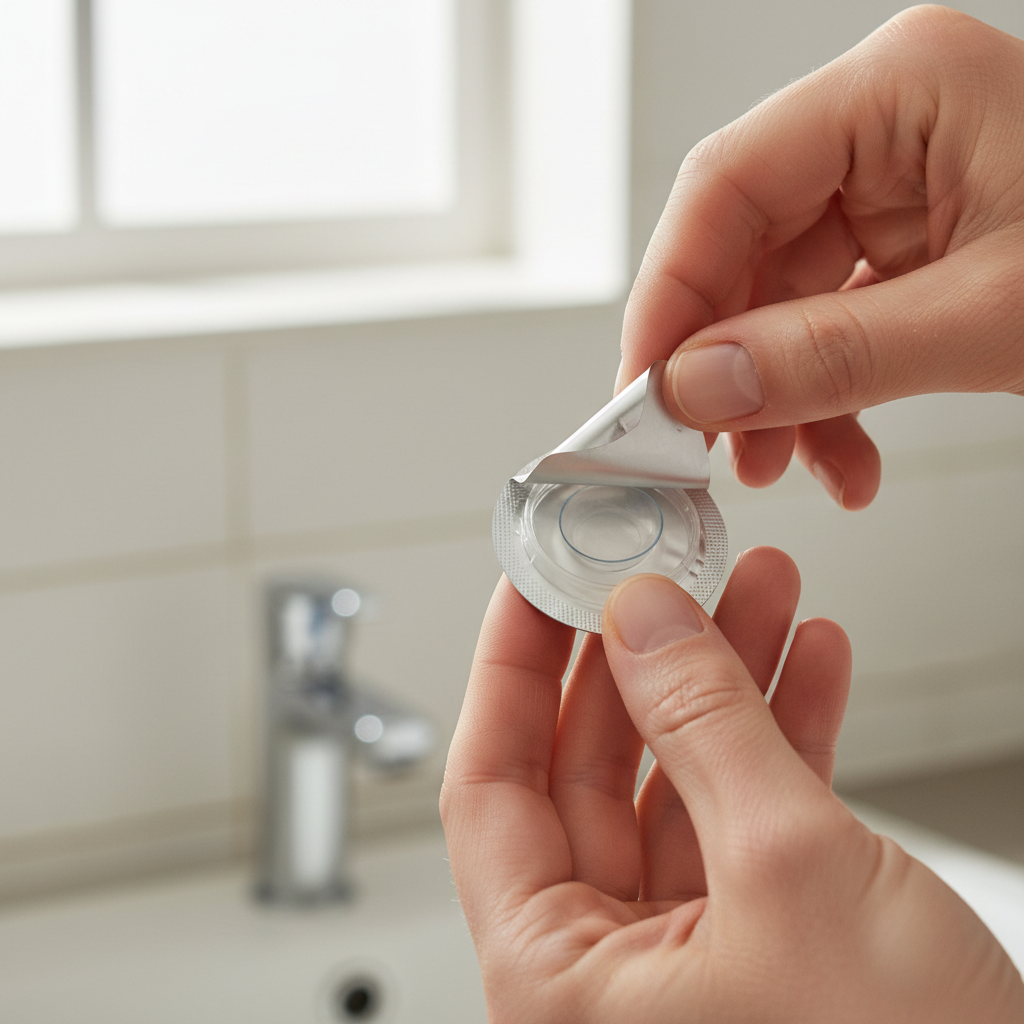
If reusable lenses are magnets for allergens, daily disposables are the reset button. The concept is simple but incredibly effective: wear a pair of lenses for one day, and then throw them away. This modality is considered the gold standard by many optometrists for patients prone to allergies and deposits.
Eliminating Allergen Buildup
The single greatest benefit of daily disposables for pet owners is the elimination of allergen accumulation. You start each day with a perfectly clean, sterile, and smooth lens surface that hasn't been exposed to dander, cleaning solutions, or oils. There is no opportunity for biofilm to form or for allergens to embed themselves into the lens material over weeks of wear.
A retrospective study published in Contact Lens and Anterior Eye looked at "problem patients" who struggled with reusable lenses. When these patients were refitted into daily disposables, there was a significant reduction in symptoms of dryness and corneal staining. This supports what clinicians often see in practice: switching symptomatic patients to daily disposables can provide measurable relief, often within just a few days.
Expert Tip: The Two-Week Allergy Trial
If you're a pet owner struggling with contact lens comfort, I often recommend a simple diagnostic and therapeutic test: commit to a strict two-week trial of daily disposable lenses. During this period, use a fresh pair every single day without exception. If your symptoms of redness, itching, and end-of-day discomfort dramatically improve or disappear, it's a strong indicator that lens deposits were the primary cause of your irritation. This is a low-cost, low-risk way to determine the best long-term strategy for your eye health.
Debunking a Common Myth: "Can't I Just Clean My Lenses Better?"
A common misconception is that more aggressive cleaning of monthly lenses can solve the problem. While "rub and rinse" is a critical hygiene step that many wearers skip, even perfect cleaning cannot reverse the microscopic changes and deposit buildup on a lens surface over 30 days. According to the Centers for Disease Control and Prevention (CDC), a vast majority of contact lens wearers engage in at least one risky hygiene behavior. Relying on a flawless cleaning routine to combat a constant barrage of pet dander is an uphill battle. Daily disposables remove this variable entirely, ensuring a safe, clean experience every time.
A Holistic Strategy for Happy Eyes in a Pet-Friendly Home
Switching to daily disposables is the most impactful change you can make, but combining it with environmental strategies will provide the highest level of comfort.
Create a Cleaner Air Environment
Reducing the amount of dander in your home lowers your overall exposure. These three steps can make a significant difference:
- Invest in a HEPA Filter: High-Efficiency Particulate Air (HEPA) filters are designed to capture microscopic particles, including pet dander, from the air. Running one in your bedroom and main living area can dramatically reduce your airborne allergen load.
- Make the Bedroom a Pet-Free Zone: You spend about eight hours a day sleeping, and keeping pets out of the bedroom gives your eyes and respiratory system a prolonged period to recover without allergen exposure.
- Wash Bedding and Fabrics Frequently: Wash your sheets, pillowcases, and any blankets your pet lies on at least once a week in hot water to kill dust mites and wash away dander.
Checklist for Minimizing Eye Irritation
Use this table to build your comprehensive allergy-fighting plan.
| Action Item | Why It Helps | Frequency |
|---|---|---|
| Switch to Daily Disposable Lenses | Eliminates daily buildup of pet dander and proteins. | Daily |
| Use a HEPA Air Purifier | Removes airborne allergens from your living space. | Continuous |
| Restrict Pets from the Bedroom | Creates an "allergy-free" zone for nightly recovery. | Always |
| Wash Bedding in Hot Water | Kills dust mites and removes accumulated dander. | Weekly |
| Use Preservative-Free Rewetting Drops | Lubricates eyes without adding irritating chemicals. | As needed |
| Wash Hands After Petting Animals | Prevents transferring dander directly to your eyes or lenses. | Immediately |
Frequently Asked Questions (FAQ)
Q: Are daily disposables significantly more expensive than monthly lenses?
A: While the upfront cost of a supply of daily disposables may seem higher, it's important to consider the total cost. With dailies, you no longer need to buy contact lens cleaning solutions or cases. Furthermore, reducing your risk of complications can save you money on doctor visits and treatments. A CDC report highlighted the significant economic burden of contact lens-related infections, much of which stems from improper hygiene with reusable lenses. For many, the superior comfort and health benefits justify the cost.
Q: What if my eyes are still itchy even after switching to daily disposables?
A: If you've switched to dailies and implemented environmental controls but still experience significant itching, it's important to see your eye doctor. You may have a more severe allergy that requires prescription anti-allergy eye drops. Your doctor can also rule out other potential causes of irritation and ensure you are in the best lens material for your eyes, such as a modern silicone hydrogel with high oxygen permeability and a low modulus (a measure of softness).
Q: Can I reuse my daily disposables just for one extra day to save money?
A: Absolutely not. Daily disposable lenses are not designed or approved by the FDA for reuse. They are typically thinner and more delicate than reusable lenses and are not meant to withstand cleaning. Reusing them, even for a short time, dramatically increases the risk of contamination and serious eye infections. Storing them in the saline from their blister pack is especially dangerous, as this solution has no disinfectant properties.
Disclaimer: This article is for informational purposes only and does not constitute professional medical advice. Always consult with a qualified eye care professional for any issues concerning your eye health, to get a comprehensive eye exam, and to receive a valid contact lens prescription. Do not wear contact lenses without a prescription.


