





Can Daily Disposable Lenses Help with Dry Eyes?
TL;DR: The Short Answer
For many people, switching to daily disposable contact lenses can significantly reduce symptoms of dryness and irritation. This is because they provide a fresh, clean, ultra-hydrated surface for your eye every single day, eliminating the buildup of protein deposits and allergens that often cause discomfort with reusable lenses. However, they are not a universal cure, and the specific material and a proper fit are crucial for success.
The Root of the Problem: Why Do My Contacts Feel Dry?
That gritty, tired feeling you get by late afternoon is a common complaint among contact lens wearers. It’s not just in your head; there are clear physiological reasons why lenses can lead to dryness. Understanding them is the first step to finding a solution.
The Tear Film Interruption
Your eye is protected by a microscopic, three-layer coating called the tear film. It keeps the surface smooth and moist. A contact lens sits directly on top of this delicate layer. By its very nature, the lens can disrupt the tear film’s stability, causing moisture to evaporate more quickly from its surface and from your eye. This is a primary reason why long hours of wear can lead to discomfort.
The Daily Buildup of Deposits
If you wear monthly or bi-weekly lenses, you're fighting a daily battle against deposits. Natural substances from your tears—like proteins and lipids—continuously accumulate on the lens surface. Over days and weeks, this buildup makes the lens less smooth and less "wettable," meaning it repels moisture instead of retaining it. This not only causes irritation but can also create a breeding ground for bacteria.

Digital Screens and the "Blink Rate" Factor
Compounding the issue is modern screen time. When we stare at computers or phones, our blink rate can drop by more than 50%. As ophthalmologist Dr. Nicole Bajic explains in a Cleveland Clinic article, this reduced blinking is a major cause of Digital Eye Strain. For contact lens wearers, it’s a double hit: fewer blinks mean the tear film isn’t being replenished across the lens surface, leading to faster drying and more discomfort. Practicing the "20-20-20 rule" (every 20 minutes, look at something 20 feet away for 20 seconds) is a simple, effective behavioral fix.
How Daily Disposables Counteract Dryness
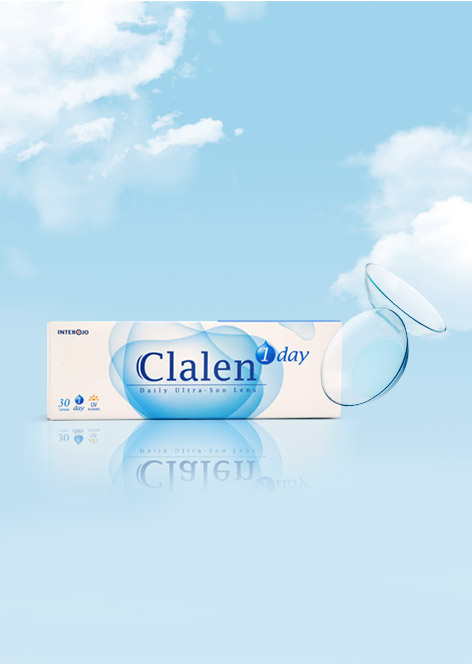
Daily disposable lenses, often called "dailies," tackle these problems head-on. Their design and modality offer several distinct advantages for anyone prone to contact lens-induced dry eye.
The Ultimate "Fresh Start"
The most powerful benefit is starting with a brand new, perfectly clean, sterile lens every single morning. This completely eliminates the problem of accumulated deposits. A retrospective study of contact lens wearers who were struggling with reusable lenses found that refitting them into daily disposables significantly reduced symptoms of dryness. When a lens surface is pristine, it maintains its designed moisture properties all day long, providing a smoother and more comfortable experience.
Advanced Materials and Moisture Technology
Not all lenses are created equal. The technology behind dailies has advanced significantly, focusing specifically on all-day comfort.
-
Silicone Hydrogel vs. Hydrogel: Many modern dailies are made from silicone hydrogel, a material that allows much more oxygen to pass through to the cornea compared to older hydrogel materials. This increased "breathability" is crucial for eye health, especially for long wear times. However, silicone is naturally water-repelling. To counteract this, manufacturers incorporate advanced, proprietary surface treatments and embed moisture-retaining agents directly into the lens matrix, helping to keep them hydrated from the first blink to the last.
-
Water Content Trade-offs: You might see lenses marketed by their water content. While a high water content lens can feel incredibly comfortable at first, it can sometimes act like a sponge, pulling moisture from your eye’s tear film as it begins to dry out in a low-humidity environment. For some wearers, a lower water content silicone hydrogel lens with superior surface technology provides more stable, lasting comfort.
Expert Warning: Debunking the "All Dailies Are the Same" Myth
A common misconception is that any daily disposable lens will solve dryness issues. In reality, the performance varies widely based on material, surface technology, and individual fit. I’ve seen patients in my clinic who tried one brand of dailies without success, only to find perfect comfort with another. The "best" lens is the one that works in harmony with your unique tear chemistry, eyelid anatomy, and daily environment. This is why a professional fitting is non-negotiable.
A Practical Guide to Switching for Better Comfort
Convinced that dailies might be worth a try? Approaching the switch with a clear plan will maximize your chances of success.
Is It the Right Move for You? A Checklist
Consider if you experience the following:
- [ ] Your eyes feel tired, gritty, or dry, especially toward the end of the day.
- [ ] You suffer from seasonal allergies that make your lenses feel dirty or itchy.
- [ ] You frequently work long hours or spend significant time in front of a digital screen.
- [ ] You find the daily cleaning and storing routine for reusable lenses to be a hassle.
- [ ] You are sensitive to the preservatives in contact lens cleaning solutions.
If you checked two or more of these boxes, you are a prime candidate to benefit from switching to daily disposables.
The Critical Role of a Professional Fitting
You cannot simply use your glasses prescription to buy contact lenses. A contact lens is a medical device that sits directly on your eye, and its fit is paramount. Your eye care provider performs specific measurements for contacts, including the base curve (the curvature of the lens) and the diameter. An ill-fitting lens, no matter how advanced its material, will be uncomfortable and can even harm your eye's health. The FTC’s Eyeglass Rule ensures you have the right to your prescription, but a proper contact lens fitting is a separate, essential step for safety and comfort.
The Trial Period: Track Your Experience
Your optometrist will provide you with trial lenses. Don't just wear them and hope for the best; be an active observer of your experience. I advise my patients to keep a simple diary for the first week to find the perfect lens.
Sample Comfort & Symptom Diary
| Day | Morning Comfort (1-10) | End-of-Day Comfort (1-10) | Total Hours Worn | Rewetting Drops Used (#) | Notes (Any grittiness, redness, or blurry vision?) |
|---|---|---|---|---|---|
| 1 | 10 | 8 | 10 | 1 | Felt a little dry around 8 PM. |
| 2 | 10 | 9 | 12 | 0 | Much better today. Forgot they were in. |
| 3 | 10 | 9 | 14 | 0 | Long day at the computer, still felt good. |
This data provides objective feedback for you and your doctor to decide if a specific brand is the right long-term solution.
Frequently Asked Questions (FAQ)
Q: Are daily disposables much more expensive?
A: While the upfront cost of a supply of dailies is higher than a pair of monthlies, the overall cost is more comparable than you might think. With dailies, you completely eliminate the need to buy contact lens cleaning solutions and cases. Research into wearer behavior has also shown that perceived cost is a major barrier, leading some to misuse their lenses. Given the benefits in comfort, convenience, and eye health, many find the value well worth the investment.
Q: Can I reuse my daily disposables just for a day or two to save money?
A: Absolutely not. This is extremely dangerous. Daily disposable lenses are not designed or approved for reuse. They are made of thinner materials and are not built to withstand cleaning and disinfection. One study found that reusing daily lenses, even when stored in the saline from their original blister pack, resulted in a 95% contamination rate with harmful bacteria. Doing so dramatically increases your risk of a serious eye infection.
Q: What if I try dailies and my eyes are still dry?
A: If you’ve tried a professionally fitted daily lens and still experience significant dryness, it’s crucial to return to your eye doctor. They can assess the fit, suggest a different lens material or brand with different moisture properties, or investigate for underlying conditions such as Meibomian Gland Dysfunction (MGD) or chronic dry eye syndrome, which require a different treatment approach.
This article is for informational purposes only and does not constitute professional medical advice. Always consult with a qualified eye care professional for any health concerns or before making any decisions related to your vision or treatment.
References
- Cleveland Clinic. "Do Blue Light-Blocking Glasses Actually Work?" https://health.clevelandclinic.org/do-blue-light-blocking-glasses-actually-work
- PubMed. "A retrospective study of contact lens-intolerant patients and their subsequent refitting with daily disposable lenses." https://pubmed.ncbi.nlm.nih.gov/24709223/
- U.S. Code of Federal Regulations. "Eyeglass Rule (16 CFR Part 456)." https://www.ecfr.gov/current/title-16/chapter-I/subchapter-D/part-456
- PubMed. "The Contamination Risk of Reusing Daily Disposable Contact Lenses." https://pubmed.ncbi.nlm.nih.gov/22041587/


