












Daily Lenses for Astigmatism: What to Expect
Can You Get Daily Lenses for Astigmatism?
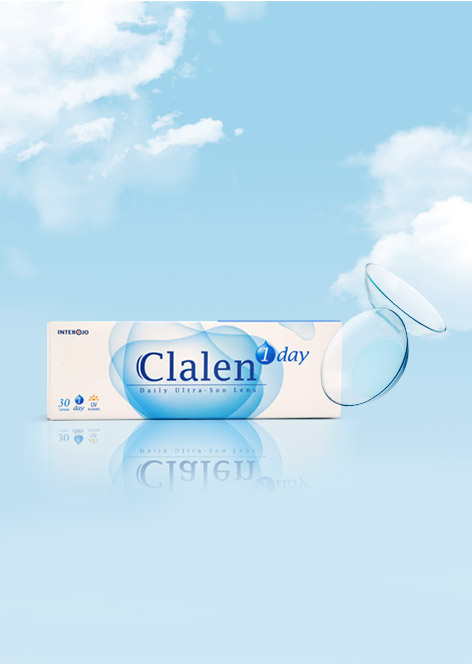
Yes, you absolutely can. For years, the convenience of daily disposable contact lenses felt out of reach for those with astigmatism. Wearers were often limited to reusable monthly or bi-weekly lenses that required a diligent cleaning routine. However, lens technology has advanced significantly. Today, toric daily disposables are widely available, offering a fresh, comfortable, and stable lens every single day for individuals with complex prescriptions.
This article explains how these specialized lenses work, what you should expect during the fitting process, and how to troubleshoot common issues to ensure your vision remains crisp and clear from morning to night.
TL;DR: Daily Toric Lenses
- What They Are: Soft, disposable contact lenses specially designed with different powers in different meridians to correct the irregular corneal shape caused by astigmatism.
- How They Work: They feature a built-in stabilization mechanism (like thin zones or ballasting) to keep the lens from rotating on your eye, ensuring the corrective powers stay aligned.
- The Benefit: You get the superior hygiene and convenience of a brand-new lens every day, which is particularly beneficial for eye health, without sacrificing the sharp vision needed to correct astigmatism.
- The Catch: A precise professional fitting is non-negotiable. Unlike regular spherical lenses, the fit is crucial for rotational stability and clear vision.
How Toric Daily Lenses Conquer Astigmatism
To understand why toric lenses are a game-changer, it’s important to first grasp the nature of astigmatism. In a typical eye, the cornea (the clear front surface) is shaped like a sphere, similar to a basketball. It bends light evenly to a single focus point on the retina, creating clear vision.
For someone with astigmatism, the cornea is shaped more like a football, with one meridian being steeper than the other. This causes light to focus on two separate points instead of one, resulting in blurry or distorted vision at all distances. This is where the unique design of a toric lens comes in.

The Engineering of a Stable Lens
A toric lens is an impressive piece of optical engineering. It has two different powers built into it, one for the astigmatism and one for the nearsightedness or farsightedness. But the real magic is in its ability to stay put.
- Cylinder and Axis: Your prescription will include a Cylinder (CYL) value, which measures the amount of astigmatism, and an Axis value, which indicates its orientation in degrees. The toric lens must align perfectly with this axis to work correctly.
- Stabilization Designs: To prevent the lens from rotating with every blink, manufacturers use various stabilization methods. Some use a "thin zone" design, where the top and bottom of the lens are thinner to interact with the eyelids. Others use a "prism ballast," making the bottom of the lens slightly thicker and heavier to orient it correctly with gravity.
As noted in clinical resources like the StatPearls overview on contact lenses, the interaction between the lens and the patient's unique eyelid anatomy is critical for a successful fit. This is why a one-size-fits-all approach doesn't work for toric lenses.
Why Daily Disposables are the Gold Standard
The move towards daily disposables represents a major step forward in eye health. A global survey tracking prescribing habits over 24 years found that the prescription of daily disposable lenses grew from just 17% in 2000 to nearly 47% by 2023, making them the most commonly fitted lens type worldwide. There are clear reasons for this shift:
- Superior Hygiene: The single biggest risk factor for contact lens-related complications is improper hygiene. According to the CDC, a vast majority of wearers report at least one hygiene risk behavior. Daily disposables eliminate the need for cleaning and storing, drastically reducing the risk of microbial contamination from cases or solutions.
- Unmatched Comfort: A fresh lens every day means no buildup of proteins, lipids, and other deposits that can cause irritation and dryness. Studies on "problem patients" who suffered from dryness with reusable lenses found that refitting them into daily disposables significantly reduced symptoms.
- Ultimate Convenience: The grab-and-go nature of daily lenses is perfect for active lifestyles, travel, and occasional wear.
The Fitting Process: A Collaboration for Clarity
Getting the right toric daily lenses is more involved than a standard fitting. It’s a precise process that relies on the expertise of your eye care professional. All contact lenses, including non-corrective cosmetic ones, are classified as medical devices by the FDA and require a valid prescription.
Here’s what you can expect:
- Comprehensive Exam: The process starts with a thorough eye exam and a precise refraction to determine your exact prescription, including the cylinder and axis of your astigmatism.
- Initial Lens Selection: Your optometrist will select a trial lens based on your prescription and the unique curvature of your eye.
-
On-Eye Evaluation: Once the lens is on your eye, the practitioner will wait about 10-20 minutes for it to settle. They will then use a slit lamp (a high-powered microscope) to assess several key factors.
- Movement: The lens should move slightly (about 0.3-1.0 mm) with each blink but return to the same spot. Too much movement leads to unstable vision.
- Rotation: The optometrist will check the orientation marks on the lens to see if it has rotated away from the ideal position. A stable lens won’t rotate more than 8-12 degrees.
- Coverage: The lens must fully cover your cornea.
- Over-Refraction: While you are wearing the trial lenses, the doctor will place additional lenses in front of your eyes to see if your vision can be further sharpened. This helps determine if a small adjustment to the lens power or axis is needed.
- Real-World Trial: You’ll be sent home with a set of trial lenses to wear for 3-7 days. This is the most important step. You need to wear them in your typical environments—at the computer, driving at night, playing sports—to see how they perform. Pay close attention to any fluctuations in vision or comfort.
Troubleshooting Common Issues with Toric Dailies
Even with a great fit, you might encounter a few hiccups. Here’s a guide to addressing the most common problems.
Myth Buster: The Dangers of Reusing Daily Lenses
A common misconception is that you can "stretch" the use of daily disposables by rinsing and storing them. This is extremely dangerous. These lenses are not designed or approved for reuse. A study that tested reused daily lenses found a staggering 95% contamination rate with bacteria like Staphylococcus. The thin material and the saline solution in the blister pack are not meant for storage and become a breeding ground for germs once opened.
Blurry or Unstable Vision
If your vision seems clear one moment and blurry the next, the lens is likely rotating on your eye. This is the most frequent issue with toric lenses.
| Troubleshooting Checklist for Blurry Vision | | :--- | :--- | | Symptom | Possible Cause & Action | | Vision is blurry immediately upon insertion. | You may have put the lens in inside-out or on the wrong eye. Remove, rinse with saline, and re-insert correctly. | | Vision is sharp, then blurs after a few blinks. | The lens is rotating. This is a fit issue. Your eye doctor may need to try a different brand with a better stabilization design. | | Vision is consistently blurry, especially at a distance. | The prescription may be slightly off. An over-refraction during your follow-up visit can correct this. | | Vision gets worse after several hours of wear. | This could be due to dryness affecting the lens fit or deposit buildup. Discuss with your doctor; a different lens material may help. |
Discomfort and Dryness
While daily disposables are often more comfortable, some users still experience irritation or dryness, a condition known as Contact Lens Induced Dry Eye (CLIDE).
- Lens Awareness: If you constantly "feel" the lens, it could be moving too much or the edge design may not be compatible with your eyelid. Trying a different brand is often the solution.
- End-of-Day Dryness: If your eyes feel dry and tired after a long day, especially with heavy screen use, don't just suffer through it. A study on refitting problem patients showed that switching to specific daily disposable materials can significantly reduce dryness symptoms. You can also use preservative-free rewetting drops approved for soft contact lenses.
Keys to Success: Best Practices
To get the most out of your toric daily lenses, follow these simple rules:
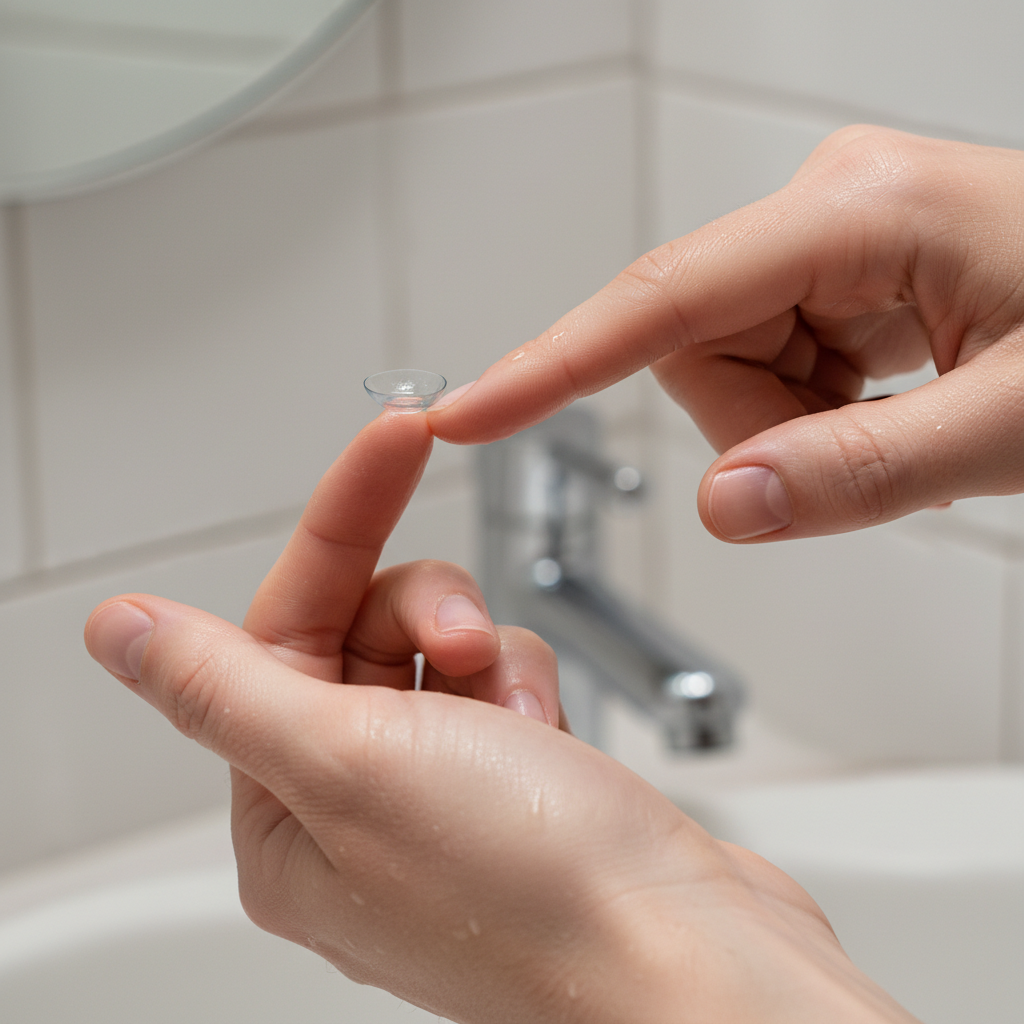
- Perfect Your Handling: Always wash and dry your hands thoroughly before touching your lenses. To ensure correct orientation, some toric lenses have a tiny mark (like a dot or a line) at the 6 o'clock position. Placing it correctly can prevent initial rotation issues.
- Strictly Adhere to the Schedule: They are called "daily" lenses for a reason. Dispose of them every single night and start with a fresh pair every morning. Never sleep in them.
- Have Backup Glasses: Always maintain a pair of up-to-date prescription glasses. If your eye feels irritated, red, or painful, you must remove the contact lens immediately and wear your glasses.
- Attend Follow-Up Appointments: Your initial fitting is just the start. Follow-up visits are essential to confirm the fit is still working for you long-term.
When to Call the Doctor Immediately
While serious complications are rare with daily disposables, they are not zero. The American Academy of Ophthalmology notes that while daily lenses may have a slightly higher rate of minor inflammatory events, they are associated with a lower risk of severe vision loss compared to reusable lenses. Remove your lenses and contact your eye doctor right away if you experience any of the following:
- Sudden or severe eye pain
- Unusual sensitivity to light
- Redness that doesn't go away after removing the lens
- Watery discharge from the eye
- A gritty feeling like something is in your eye
- Sudden blurry vision that persists
Frequently Asked Questions (FAQ)
Are toric daily lenses more expensive than regular dailies? Yes, due to their more complex design and manufacturing process, toric lenses for astigmatism typically cost more than their spherical counterparts. However, many wearers find the investment in clear, stable vision and convenience is worthwhile.
Can I sleep in my daily toric lenses? No. Never sleep in any contact lens unless it is specifically approved for overnight or extended wear, and even then, only under the guidance of your eye doctor. Sleeping in daily lenses significantly increases the risk of serious eye infections.
What if I have a very high or unusual astigmatism prescription? Parameter availability used to be a major limitation. While the range of powers, cylinders, and axes for daily disposables has expanded dramatically, some very high or rare prescriptions may still be outside the available stock range. In these cases, a reusable lens or glasses may be the only option.
How long does it take to get used to toric lenses? Most people adapt to the comfort of soft toric lenses within a day or two. However, assessing the stability of the vision can take longer. This is why the 3-7 day real-world trial period is so crucial before finalizing the prescription.
Wrapping Up: Clear Vision, No Compromises
Living with astigmatism no longer means you have to miss out on the freedom and health benefits of daily disposable contact lenses. Thanks to advanced toric designs, it is possible to achieve crisp, stable vision with the comfort and convenience of a fresh lens every day.
The key to success is a meticulous fitting process led by an experienced eye care professional. They are your partner in finding the perfect lens that not only corrects your vision but also respects the unique health and anatomy of your eyes.
Medical Disclaimer: This article is for informational purposes only and does not constitute professional medical advice. Contact lenses are medical devices that sit directly on your eye. An improper fit or poor hygiene can lead to serious eye infections, corneal ulcers, and even vision loss. Always consult with a qualified optometrist or ophthalmologist for a comprehensive eye exam, a proper contact lens fitting, and personalized advice regarding your vision needs. Do not order contact lenses without a valid, current prescription.
References
- StatPearls (NCBI): Contact Lenses Clinical Overview
- MMWR (CDC): Contact Lens Wearer Demographics and Risk Behaviors
- FDA: Types of Contact Lenses
- PubMed: Contamination Risk of Reusing Daily Disposable Lenses
- PubMed: Refitting "Problem" Patients with Daily Disposables
- American Academy of Ophthalmology: Daily Disposable Silicone Hydrogel Contact Lenses


