





Choosing Daily Lenses for Peak Athletic Performance
TL;DR: Your Quick Guide to Athletic Contact Lenses
- Stability is Key: Daily disposable contact lenses stay in place during high-impact activities, unlike glasses that can slip, bounce, or break.
- Wider Field of View: Lenses provide unobstructed peripheral vision, crucial for situational awareness in any sport.
- Hygiene First: A fresh pair every day minimizes the risk of infection from sweat, dust, and bacteria—a common issue with reusable lenses.
- Material Matters: For intense sports, choose a low-modulus (softer) silicone hydrogel lens. It offers superior breathability and is less likely to move on the eye during jarring motions.
- Hygiene on the Go: Always insert lenses before applying sunscreen. Carry single-use saline vials for mid-workout rinsing; never use tap water.
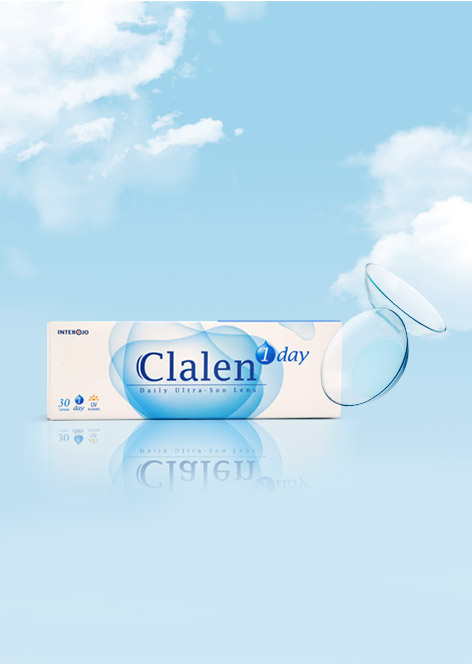
For any athlete, from the dedicated gym-goer to the competitive marathoner, vision is a critical component of performance. Yet, many athletes compromise their potential by sticking with prescription eyeglasses that fog up, slip down the nose, or limit their field of view. Daily disposable contact lenses offer a definitive solution, acting less like a medical necessity and more like a piece of high-performance gear engineered for movement, stability, and safety.
Unlike spectacles, which create a physical barrier, contact lenses move with your eyes, providing a natural, unobstructed view of your surroundings. This is not just a matter of convenience; it is a competitive advantage. Whether you're tracking a ball, navigating a technical trail, or checking your form in a mirror, a full field of vision enhances reaction time and spatial awareness. This guide breaks down exactly what to look for in a daily disposable lens to maximize your athletic performance and maintain optimal eye health.
Why Daily Disposables Are the Athlete's Choice
The primary reason athletes gravitate towards contact lenses is freedom of movement. However, the specific benefits of the daily disposable modality go far beyond simply removing glasses from the equation. They center on hygiene, convenience, and consistent performance.
Unmatched Stability and Field of View
Spectacles are inherently unstable during dynamic activity. A bead of sweat can cause them to slide, and high-impact movements like box jumps or sprints can make them bounce or even fall off. Contact lenses, by contrast, adhere gently to the cornea, staying perfectly centered. This stability ensures your vision remains crisp and clear, no matter how intense the workout.
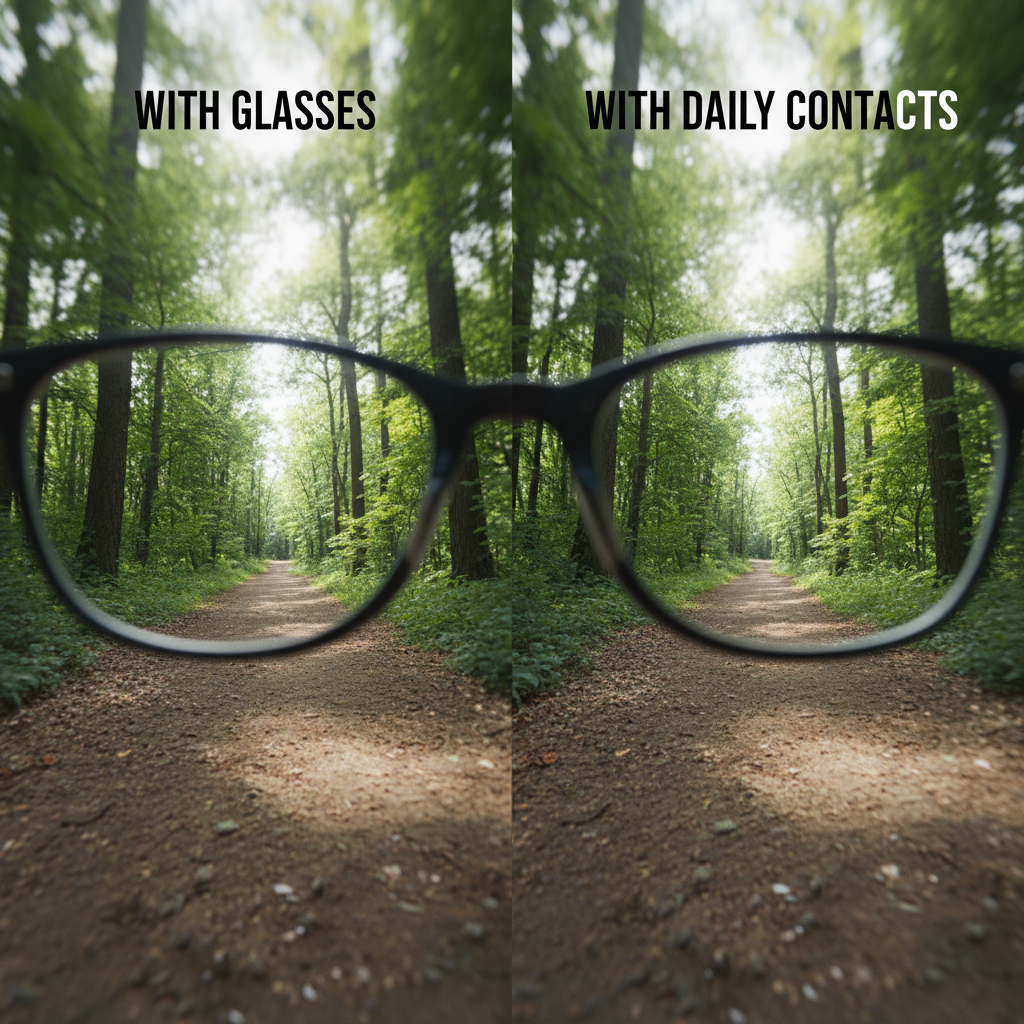
Furthermore, the absence of frames grants you complete access to your peripheral vision. This is crucial for team sports, cycling, and any activity where awareness of your surroundings is key to performance and safety. For athletes with higher prescriptions, this effect is even more pronounced, as it eliminates the "edge distortion" that can occur with strong spectacle lenses.
The Hygiene Advantage: A Fresh Lens Every Time
Gyms and outdoor environments are breeding grounds for bacteria. For wearers of bi-weekly or monthly lenses, this poses a significant risk. Sweat, dust, and microscopic debris can get trapped behind a lens, and improper cleaning can lead to serious eye infections. In fact, a study published in the Morbidity and Mortality Weekly Report revealed that an astonishing 99% of contact lens wearers report at least one hygiene risk behavior.
Daily disposables eliminate this variable entirely. By starting with a sterile, fresh lens every single day, you sidestep the risks associated with contaminated lenses or dirty storage cases. There is no cleaning, no rubbing, and no rinsing required. This is the single most effective way to reduce your risk of contact lens-related complications, a fact underscored by the Centers for Disease Control and Prevention (CDC), which stresses that improper lens care is a primary driver of eye infections.
Ultimate Convenience for an Active Lifestyle
The simplicity of daily disposables is perfectly suited to an athletic schedule. There are no bulky solution bottles or lens cases to pack in your gym bag. For athletes who travel for competitions or enjoy outdoor adventures, the ability to carry a few flat, lightweight blister packs is a significant advantage. This grab-and-go convenience ensures that proper eye care never becomes a barrier to a spontaneous workout or trip.
Decoding the Tech: Selecting the Right Lens for Your Sport
While all daily disposables offer benefits, they are not all created equal. Advanced materials and optical designs can provide tangible performance enhancements, particularly for athletes.
Material Matters: Breathability and Stability
The most critical factor in a performance contact lens is the material. Modern lenses are primarily made from two types of soft polymers: hydrogel and silicone hydrogel.
- Silicone Hydrogel: This advanced material is the gold standard for athletes. Unlike traditional hydrogels that rely solely on water to transport oxygen, silicone hydrogels have a matrix that allows significantly more oxygen to reach the cornea. This high "breathability" (measured as Dk/t) is vital for keeping your eyes white, healthy, and comfortable during long periods of intense exertion.
- The Modulus Factor: Beyond breathability, a material's "modulus" (stiffness) is crucial for stability. For athletes in high-impact sports, a lens with a lower modulus is often preferable. This means the lens is softer and more flexible, allowing it to drape over the cornea more effectively and resist decentering during jarring movements. This reduces instances of sudden blurriness while running or jumping.
Optical Design for Dynamic Movement
How a lens focuses light is just as important as what it's made of. For athletes, especially those with stronger prescriptions, specific optical designs can dramatically improve visual quality.
- Aspheric Optics: Many high-performance daily disposables use an aspheric design. Unlike a standard spherical lens, an aspheric lens has a flattened curvature towards the periphery. This design is engineered to correct for spherical aberration, a common optical imperfection that can cause blur, halos, and poor contrast, especially in low light. For an athlete with a prescription of +/-4.00D or higher, this feature minimizes peripheral distortion during quick head turns, ensuring vision remains sharp and clear across the entire lens.
- UV Protection: Many premium daily contact lenses now incorporate a UV-blocking agent directly into the material. While they are not a substitute for high-quality wraparound sunglasses for full protection, they do provide an additional layer of defense against harmful ultraviolet radiation for the cornea and internal structures of the eye. Given that UV damage is cumulative, this is a valuable feature for any athlete who trains outdoors.

The Athlete's Playbook: Best Practices for Wear and Care
Using daily disposables correctly is key to unlocking their benefits. A consistent routine prevents discomfort and protects your eye health.
Pre-Workout Preparation
- Always Wash Your Hands: Start with soap and water, and dry your hands with a lint-free towel. This is the most critical step in preventing infections.
- Insert Lenses Before Creams: Apply your contact lenses before using any sunscreen, sweat-proof creams, or makeup. Residue from these products on your fingers is a primary cause of lens contamination, leading to stinging, fogging, and discomfort mid-workout.
- Perform a Quick Comfort Check: Before you start, look up, down, left, and right. Ensure the lens feels comfortable and vision is clear. If not, remove it and try a fresh one.
Mid-Workout Troubleshooting
Even with perfect prep, a stray piece of dust or a drop of sweat can cause irritation. Be prepared.
- The Saline Save: Always carry a couple of single-use, preservative-free sterile saline vials in your gym bag. If a lens feels gritty or uncomfortable, you can use the saline to rinse it.
- Never Use Tap Water: If you need to rinse a lens, use only sterile saline. Tap water, bottled water, and even saliva contain microorganisms that can cause severe, vision-threatening infections. The Environmental Protection Agency (EPA) specifically warns that the parasite Acanthamoeba, found in tap water, can cause a painful and difficult-to-treat infection.
- When in Doubt, Toss it Out: If a lens remains uncomfortable after rinsing, don't force it. Simply discard the lens. This is the core safety advantage of the daily disposable system.
Post-Workout Routine
After your workout, wash your hands and remove your lenses. Avoid the temptation to take a nap in them, no matter how exhausted you are. Sleeping in contact lenses dramatically increases the risk of ulcerative keratitis, a painful infection of the cornea. One foundational study found that overnight wear increases this risk by over 8 times compared to daily removal.
Frequently Asked Questions
-
Can I swim in daily disposables? No. The FDA and the CDC strongly advise against exposing contact lenses to any type of water, including pools, oceans, lakes, and hot tubs. Water harbors bacteria and other pathogens that can adhere to the lens and cause severe infections.
-
Are daily disposables more expensive? While the per-lens cost is higher, the total cost of ownership is often comparable to reusable lenses once you factor in the price of cleaning solutions, storage cases, and replacement lenses for those that rip or get lost. More importantly, they significantly reduce the risk of needing costly medical intervention for an eye infection.
-
What if I have astigmatism? Daily disposables are widely available for astigmatism. These are called "toric" lenses and are designed to correct the irregular corneal shape that causes astigmatism, providing the same stability and performance benefits.
-
My teenager is an athlete. Are dailies a good choice? Absolutely. Studies have shown that adolescents are often more compliant with daily disposable routines than young adults. One study published in Eye & Contact Lens found that children as young as 8 years old could successfully handle daily disposable lenses, and another found that teens reported significant quality of life benefits, including better satisfaction with their appearance and participation in activities, when wearing contacts versus glasses.
Choosing the right contact lens is a strategic decision that can have a real impact on your training and competitive results. By prioritizing a high-quality daily disposable lens with the right material and optical properties, you are investing in clearer, more stable vision and safeguarding your long-term eye health. Always consult with your eye care professional to get fitted and find the perfect lens for your eyes and your sport.
Disclaimer: This article is for informational purposes only and does not constitute professional medical advice. The information provided is not a substitute for a comprehensive eye exam or a consultation with a qualified optometrist or ophthalmologist. Always follow the guidance of your eye care professional regarding contact lens wear, care, and prescription.
References
- Cope, J. R., et al. (2018). "Contact Lens Wearer Demographics and Risk Behaviors for Contact Lens-Related Eye Infections — United States, 2014." Morbidity and Mortality Weekly Report, 66(32), 841–845. https://pmc.ncbi.nlm.nih.gov/articles/PMC5779588/
- Centers for Disease Control and Prevention (CDC). "Contact Lenses." https://www.cdc.gov/contact-lenses/about/index.html
- Environmental Protection Agency (EPA). "The Danger of Using Tap Water With Contact Lenses." https://www.epa.gov/sdwa/danger-using-tap-water-contact-lenses
- Poggio, E. C., et al. (1993). "The incidence of ulcerative keratitis among users of daily-wear and extended-wear soft contact lenses." The New England journal of medicine, 321(12), 779–783. https://pubmed.ncbi.nlm.nih.gov/8311770/
- Plowright, A. J., et al. (2004). "Daily disposable contact lens wear in children." Eye & contact lens, 30(2), 78–82. https://pubmed.ncbi.nlm.nih.gov/15097767/


