





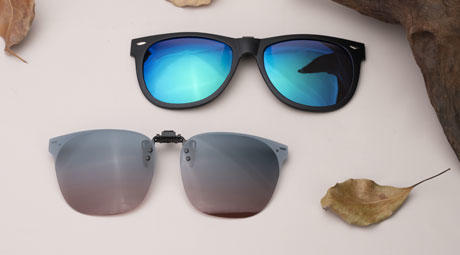

Double Bridge Sunglasses: Retro Charm Meets Modern Style
The Enduring Allure of the Double Bridge
There’s a certain effortless cool that comes with a pair of double bridge sunglasses. It’s a design that feels both nostalgic and perfectly current, channeling the confidence of a 70s movie star, the precision of a pilot, and the sharp style of a modern tastemaker. That extra line arching over your brows does more than just hold the frame together; it adds a line of character, a dash of architectural flair that sets you apart from the sea of single-bridge styles.
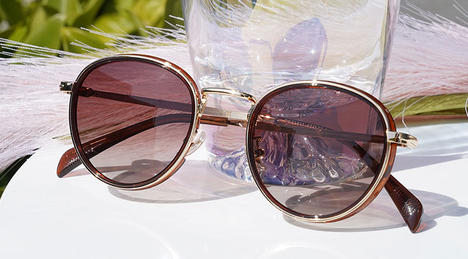
But what exactly is this feature, and how did it become such an iconic staple? The double bridge, consisting of the standard nose bridge and a second bar running parallel above it (often called a brow bar or top bar), is a masterclass in functional design turned fashion statement. Whether you’re drawn to the classic tear-drop aviator or a more contemporary geometric frame, the double bridge offers a unique blend of retro charm and bold structure.
Here’s what makes the double bridge a perennial favorite:
- Architectural Detail: It adds a strong horizontal line that can complement various face shapes.
- Vintage DNA: It instantly evokes a sense of history and classic cool.
- Versatile Style: From rugged and masculine to intellectual and chic, it adapts to your personal look.
- Statement Piece: It’s a simple way to make your eyewear a deliberate style choice.

A Quick History: From Cockpit to Catwalk
The double bridge wasn’t born in a design studio; it was engineered for the sky. The original aviator sunglasses, developed for U.S. military pilots, featured a double (and sometimes triple) bridge for a very practical reason: structural integrity. The top bar, often called a "sweat bar," added rigidity to large frames, preventing them from warping or breaking under stress. It also had the secondary benefit of helping to block sweat from dripping into the pilot’s eyes.
What started as a functional feature in the cockpit quickly caught the eye of the public. By the 1970s and 80s, the double bridge had become a defining look of the era, synonymous with a confident, rebellious, and glamorous attitude. Fast forward to today, and the design has been endlessly reinterpreted. It appears on everything from classic metal aviators to thick-rimmed acetate frames, securing its place as a timeless element in both sunglasses and everyday optical wear.
Styling the Double Bridge: Finding Your Frame
The beauty of the double bridge is its versatility. The key is to find the right shape and material that aligns with your face shape and personal style.
Matching the Frame to Your Face
- Oval Faces: Lucky you. Nearly any double bridge style, from classic aviators to angular navigators, will work.
- Round Faces: Look for more angular or geometric frames, like squares or navigators. The strong lines of the frame and the horizontal brow bar provide a nice contrast to softer facial features.
- Square Faces: Softer, more rounded styles like classic aviators can help soften a strong jawline.
- Heart-Shaped Faces: Frames that are wider at the top than the bottom, such as aviators or clubmaster-inspired styles, can balance your features beautifully.
Channeling Your Inner Icon
- The Weekend Adventurer: Pair a durable metal or lightweight acetate double bridge frame with casual, functional wear. This look is all about practical style. For inspiration on rugged eyewear, check out our guide to durable sunglasses for the weekend adventurer.
- The Modern Intellectual: A round or geometric double bridge, especially in a metal finish, offers a sophisticated, almost academic vibe. It’s a subtle nod to vintage style without feeling like a costume.
- The Creative Spirit: Don’t be afraid to go bold with an oversized acetate double bridge in a unique color or pattern. It’s a statement piece that shows off your creative side. Explore more ideas in our article on sunglasses for a bold look.
- The Classic Aviator: This is the original. To master this timeless look, pair your aviators with iconic pieces like a leather jacket or a simple white t-shirt. Dive deeper into the variations of this classic in our guide to iconic aviator sunglass styles.

More Than Just Looks: A Buyer's Guide to Quality
While style is paramount, quality construction ensures your favorite frames will last. This is especially true for double bridge designs, where the extra bar adds another potential point of failure if not made well. Even at an affordable price point, you can spot the difference between a throwaway pair and a keeper.
Expert Insight: The Weak Points of Budget Frames Based on handling countless frames, we've observed that the junction where the top bar meets the main frame is a critical stress point. In cheaply molded acetate, this area can be prone to cracking. With metal frames, a hollow, overly lightweight construction can make the bridge feel flimsy and easy to bend out of shape, especially if you tend to take your glasses off with one hand. These are non-obvious details that separate a good value frame from a frustratingly fragile one.
Here’s a quick checklist for your next pair:
- The Hinge Test: This is the most reliable indicator of quality assembly. Gently open and close the temple arms. A well-made frame will have a smooth, firm action with a solid stop at 90 degrees. There should be zero side-to-side wobble in the arms. If it feels loose or gritty, the assembly is likely poor.
- Check the Lens Depth: If you’re considering adding prescription lenses, especially progressives or high-power corrections, the frame’s vertical depth is crucial. Many fashion-first frames sacrifice this for a super-slim profile. As a rule of thumb, look for a lens aperture of at least 30mm to ensure it can accommodate more complex lenses without the edges looking overly thick.
- Prioritize UV Protection: This is non-negotiable. A dark tint does not equal UV protection. In fact, as experts from the MD Anderson Cancer Center warn, wearing dark lenses without a proper UV filter can be more harmful than no glasses at all, because the tint causes your pupils to dilate, letting more damaging UV radiation in. Always look for a label that says "100% UV Protection" or "UV400," which means it blocks all light rays with wavelengths up to 400 nanometers.
- Consider Frame Geometry: The shape of your frame contributes to its protective power. A study published in a leading biophysics journal found that many standard frames allow significant UV radiation to leak in from the sides and top. As recommended by the American Academy of Ophthalmology (AAO), oversized or wraparound styles provide much better coverage by blocking this peripheral light. If you spend a lot of time outdoors, consider a double bridge design with a wider, more curved profile.

The Takeaway: A Style with Substance
The double bridge sunglass is more than just a fleeting trend; it’s a piece of design history that continues to reinvent itself. It offers a powerful way to add character and structure to your look, effortlessly blending vintage cool with modern edge.
But as with any eyewear, the real value lies in the intersection of style and function. By paying attention to the small details of construction—the firmness of the hinge, the depth of the lens, and most importantly, the verification of UV400 protection—you can find a pair that not only looks fantastic but also provides the essential safety your eyes deserve. So go ahead, embrace that extra bar. It’s a small detail that makes a world of difference.
Disclaimer: This article is for informational purposes only and does not constitute medical advice. Always consult with a qualified eye care professional for any concerns about your vision or eye health. Ensure your sunglasses are rated for UV400 protection to shield your eyes from harmful radiation.
References
- American Academy of Ophthalmology (AAO). (n.d.). How to Choose the Best Sunglasses. Retrieved from https://www.aao.org/eye-health/glasses-contacts/sunglasses-3
- MD Anderson Cancer Center. (2023). 9 things to know about sunglasses, eye protection and cancer. Retrieved from https://www.mdanderson.org/cancerwise/9-things-to-know-about-sunglasses--eye-protection-and-cancer.h00-159699123.html
- Alfawaz, A. M., et al. (2019). Ocular UV Dosimetry: The Effect of Sunglass and Goggle Geometry and Side/Top Shields on Eye and Eyelid Exposure. Biophysical Journal. Sourced from https://pmc.ncbi.nlm.nih.gov/articles/PMC6803516/


