







A Guide to Durable Frame Materials for Kids' Glasses
TL;DR: Choosing the Best Glasses for Active Kids
When it comes to kids' glasses, durability is key. Active children need frames and lenses that can withstand the rigors of the playground, sports, and everyday adventures. This guide cuts through the confusion, helping you select eyewear that is safe, tough, and comfortable.
- Lens Material is #1: Always choose polycarbonate or Trivex lenses. They are significantly more impact-resistant than standard plastic and are the safest choice for children.
- Frame Material Matters: For maximum durability, look for frames made from flexible materials like TR-90 or high-tech metals like titanium. These can bend and twist without breaking.
- Hinges are a Weak Point: Opt for spring hinges. They allow the temples (arms) to flex outward, reducing the risk of snapping when glasses are taken off carelessly.
- Fit Over Fashion: A proper fit is crucial for both comfort and durability. Glasses that are too loose are more likely to fall off and get damaged.
Why Durability is Non-Negotiable for Kids' Eyewear
Children experience the world in a hands-on way, and their glasses are along for the ride. From spontaneous soccer games to wrestling matches in the living room, their eyewear needs to be more than just a tool for vision correction—it needs to be a piece of resilient equipment. Choosing durable glasses isn't just about saving money on replacements; it's about ensuring your child's safety and uninterrupted clear vision.
Safety First: The Impact Resistance Standard
One of the most important factors in children's eyewear is safety. In the United States, all prescription lenses must meet a specific standard for impact resistance. According to the FDA's guidelines (21 CFR 801.410), lenses must pass a "drop ball" test to ensure they won't shatter under normal conditions. This regulation is a crucial baseline for safety, but for children's active lifestyles, we can and should go further.
This is why optometrists consistently recommend polycarbonate or Trivex lenses for children under 12. These materials are significantly stronger and more shatter-resistant than regular plastic, offering a much higher level of protection for developing eyes during sports and play.
The Real Cost of Flimsy Frames
A broken pair of glasses means more than just a trip back to the store. It can mean a child is unable to see clearly in the classroom, struggles to read, or has to sit out of sports activities. The downtime and stress associated with frequent repairs or replacements can be a significant burden for both parents and children. Investing in a durable frame from the start minimizes these disruptions and provides peace of mind.
A Parent's Guide to Durable Frame Materials
The material a frame is made from is the single biggest factor in its durability. Here’s a breakdown of the best options that can handle the demanding life of a child.
Flexible Plastics: The Champion of the Playground
Modern plastics have come a long way. They are no longer the brittle materials of the past. For kids, flexible polymers are often the top choice, combining toughness with incredible lightness and comfort.
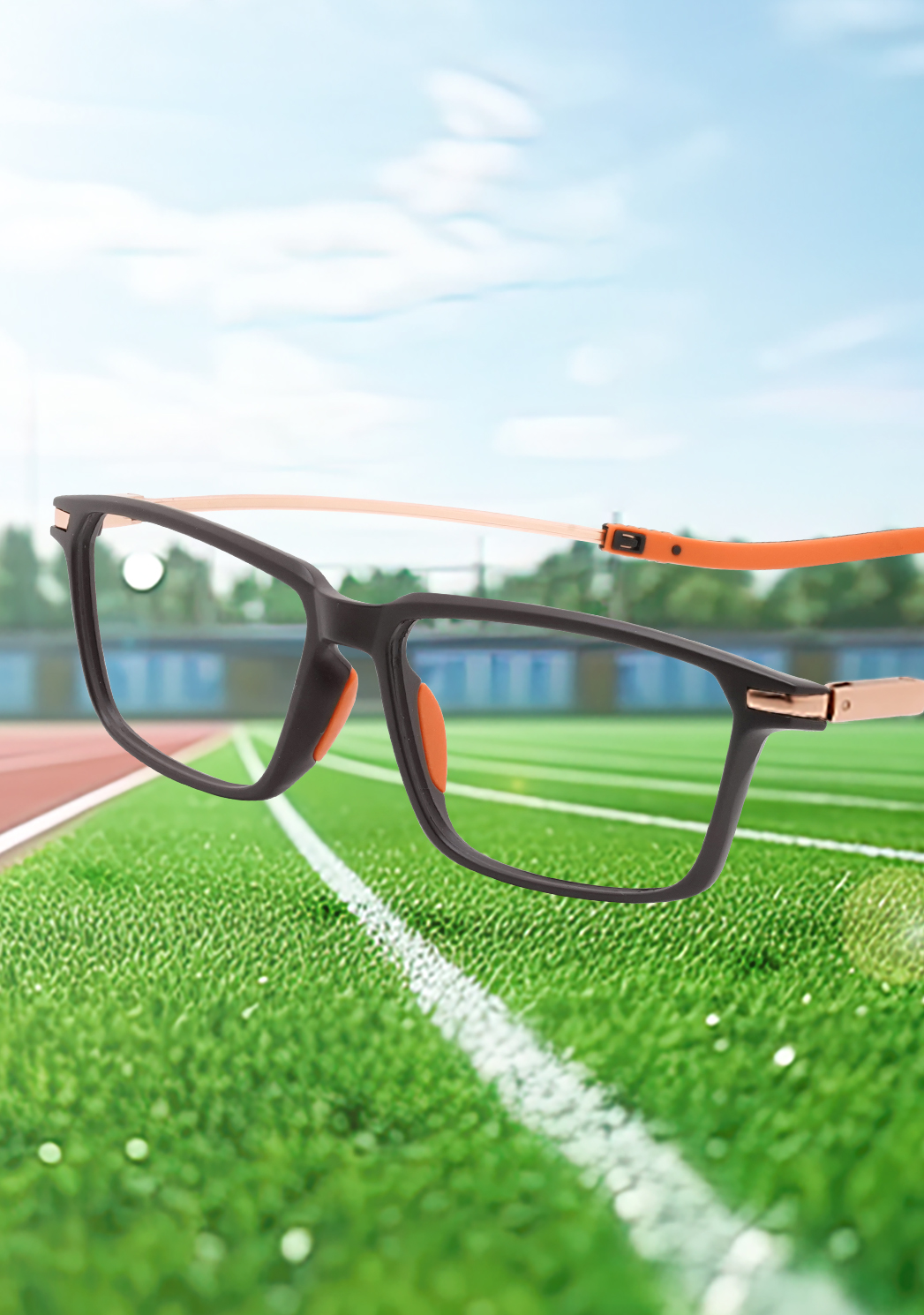
- TR-90: This is a type of thermoplastic nylon that is a superstar in children's eyewear. It's incredibly lightweight, flexible, and strong. A TR-90 frame can be bent and twisted and will return to its original shape. I've seen kids accidentally sit on their TR-90 glasses, only to have them pop right back into form. They are also hypoallergenic, making them a great choice for children with sensitive skin.
- Silicone: Often used for glasses for toddlers and very young children, silicone frames are soft, pliable, and have no sharp edges. They provide excellent grip, helping the glasses stay put on a small face, and their extreme flexibility makes them nearly impossible to snap.
Modern Metals: Strength Meets Style
For older children or those who prefer a more classic look, certain metal alloys offer fantastic durability without the weight of traditional steel.
- Titanium & Beta-Titanium: Titanium is a premium material known for its incredible strength, light weight, and corrosion resistance (it won't rust or tarnish). Beta-titanium, an alloy, adds "memory metal" properties, meaning it can be bent significantly and will still return to its original shape. It's a fantastic, long-lasting investment.
- Memory Metal: Often made from a nickel-titanium alloy or spring steel, these frames are designed to be bent, twisted, or even flattened and will spring back into alignment. This makes them an excellent choice for kids who are particularly rough on their belongings.
Material Comparison Chart
| Feature | TR-90 (Flexible Plastic) | Titanium (Memory Metal) |
|---|---|---|
| Flexibility | Excellent | Very Good |
| Weight | Extremely Light | Very Light |
| Hypoallergenic | Yes | Yes |
| Durability | Very High | Excellent |
| Best For | Active kids of all ages, sports | Older kids, high-prescription needs |
Key Features That Prevent Breakage
Beyond the base material, specific design elements can dramatically increase the lifespan of a pair of glasses. When shopping, I always advise parents to look closely at these small but critical details.
Hinge Design: The Unsung Hero
The hinge is where the temple arms connect to the front of the frame, and it's one of the most common points of failure.
- Standard Hinges: These have a limited range of motion and can easily break if the temple arm is bent too far outward.
- Spring Hinges: These are a must-have for kids' glasses. They contain a small spring that allows the temples to flex beyond the standard 90-degree angle. This added flexibility absorbs stress and prevents the hinge from snapping when a child pulls their glasses off with one hand or they get knocked during play. In my experience, choosing spring hinges can cut down on hinge-related repairs by half.
Expert Warning: The Myth of "Thinner is Better" for Kids' Lenses
Parents with children who have higher prescriptions often ask for the thinnest possible lenses (high-index lenses), assuming they are the best option. While high-index lenses are great for reducing weight and thickness in adults, they are not always the right choice for young, active children.
A common mistake I see is prioritizing aesthetics over safety. High-index plastic, while thin, can be more brittle and prone to chipping at the edges compared to polycarbonate. For most children, the superior impact resistance of polycarbonate or Trivex is far more important than achieving the absolute thinnest lens. Reserve high-index materials for cases where the prescription is so strong that it's medically necessary.
Getting the Fit Right for Comfort and Durability
A frame that doesn't fit properly won't be worn correctly, and it's far more likely to get damaged. A secure fit ensures the glasses stay in place during activity, reducing the chance of them falling off and getting stepped on or lost.
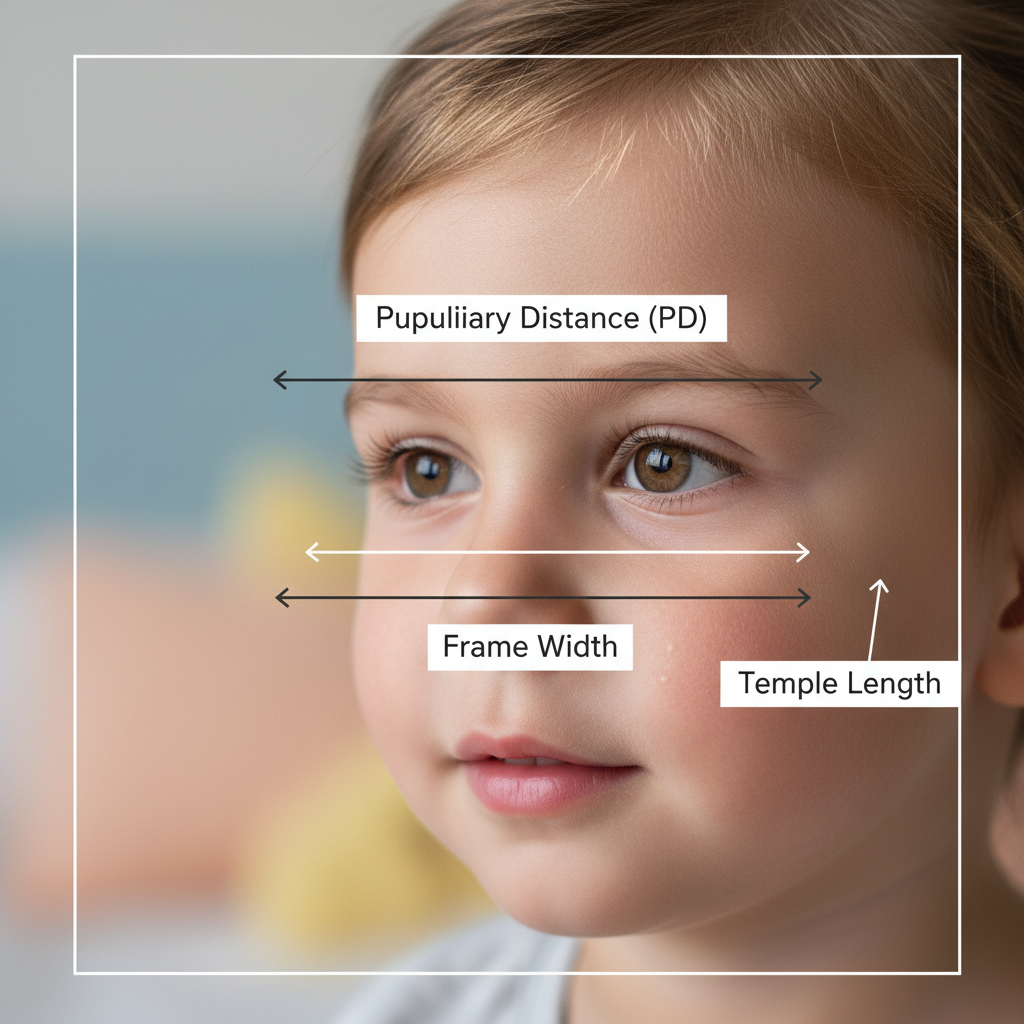
Here are a few practical tips for getting the size right:
- Frame Width: The total width of the frame should be just slightly wider than your child's face. A good rule of thumb is to keep it within 5-8 millimeters of their facial width. The eyes should appear centered in the lenses.
- Temple Length: The arms of the glasses should extend straight back to the ears and only curve down behind the ear. If they curve too early, they will push the glasses down the nose. It's wise to have a 5-10 millimeter buffer for growth.
- Pupillary Distance (PD): This is the distance between the centers of the pupils. An accurate PD is essential for optical clarity and preventing eye strain. As noted by the Cleveland Clinic, this measurement ensures the optical center of the lens aligns perfectly with your child's eye.
Wrapping Up: Your Checklist for Kid-Proof Glasses
Choosing the right glasses doesn't have to be overwhelming. Use this simple checklist to ensure you're getting a pair that is built to last.
- Lenses: Insist on polycarbonate or Trivex for superior impact resistance.
- Frame Material: Choose flexible TR-90 for younger, active kids or a memory metal like titanium for a durable, lightweight option.
- Hinges: Look for spring hinges to prevent the most common type of breakage.
- Fit: Check that the frame width, temple length, and bridge fit are correct.
- Warranty: Ask about the warranty or repair policy. A good policy is a sign that the manufacturer stands behind their product's durability.
Frequently Asked Questions (FAQ)
What's the best way to clean durable glasses?
Use a microfiber cloth and a lens cleaning spray specifically designed for eyeglasses. Avoid using paper towels, napkins, or the bottom of a shirt, as these fibers can scratch the lenses over time, even if they have an anti-scratch coating.
How often should my child's glasses be adjusted?
For active kids, a quick check-up every three to four months is a good idea. A professional can tighten any loose screws and adjust the fit to ensure the glasses are sitting correctly, which prevents them from falling off.
Are flexible frames really unbreakable?
While materials like TR-90 and titanium are incredibly resilient and can withstand a remarkable amount of abuse, no frame is truly indestructible. However, they are dramatically more resistant to the kinds of bending and impact that would easily destroy standard frames.
My child's nose pads are worn out. What can I do?
Worn nose pads can cause glasses to slip. They are easily and inexpensively replaced. It's helpful to keep a small repair kit with a micro-screwdriver, extra nose pads, and silicone temple sleeves to handle minor issues at home.
Disclaimer: This article is for informational purposes only and does not constitute professional medical advice. Please consult with a qualified optometrist or ophthalmologist for your child's specific vision needs and before making any decisions about their eye health or eyewear.
References
- U.S. Food & Drug Administration (FDA). (n.d.). Impact-Resistant Lenses: Questions and Answers. Retrieved from https://www.fda.gov/regulatory-information/search-fda-guidance-documents/impact-resistant-lenses-questions-and-answers
- Cleveland Clinic. (2022). How To Read Your Eye Prescription. Retrieved from https://health.clevelandclinic.org/how-to-read-your-eye-prescription
- Stenger, N., et al. (2007). Retention capability of safety eyewear lenses. PubMed. Retrieved from https://pubmed.ncbi.nlm.nih.gov/17258162/


