









Fashion vs. Sport Sunglasses: Why You Need a Hybrid Pair
The Great Divide: Style vs. Performance
You know the feeling. You’re out for a sunny Saturday brunch, rocking your favorite pair of chic, oversized sunglasses. They complete your outfit perfectly. But then, a spontaneous afternoon hike comes up. Suddenly, those same stylish frames are a liability. They start slipping down your nose the second you break a sweat, feel flimsy on the rocky trail, and let annoying glare sneak in from the sides.
This is the classic dilemma: the gap between fashion sunglasses that look great but can’t handle activity, and technical sport sunglasses that perform brilliantly but might look out of place at a rooftop bar. For years, you had to choose. Your stylish frames were relegated to low-key moments, while your bulky, rubberized sport glasses were saved for intense activity.
But what if you didn’t have to choose? A new category of eyewear is emerging, designed for the person whose life isn’t neatly divided between ‘active’ and ‘leisure.’ These are hybrid sunglasses, and they represent the perfect fusion of street-ready aesthetics and performance-driven features.
So, what should you expect from a true hybrid pair?
- Durable, Lightweight Construction: Built with modern materials that can withstand daily wear and tear without weighing you down.
- Performance Grip & Fit: Integrated features that keep your glasses securely in place, no matter the activity.
- Enhanced Coverage & Protection: Frame and lens designs that offer superior protection from the sun’s harmful rays.
- Prescription-Ready Versatility: Smartly engineered to accommodate a wide range of prescription lenses without distortion.
- Everyday Style: Designed with a versatile aesthetic that looks just as good on your commute as it does on the trail.
The Limits of Traditional Fashion Sunglasses
Fashion-first sunglasses are designed with one primary goal: to make a style statement. They excel at capturing trends, featuring bold colors and unique shapes. However, when you put them to the test outside of a casual setting, their limitations quickly become apparent.
Aesthetics Over Engineering
The focus on appearance means that structural integrity often takes a backseat. Materials are chosen for their look and feel—shiny plastics, thin metal wires—not for their ability to resist sweat, impact, or repeated flexing. This can lead to a frame that feels fragile and is prone to breaking under stress.
The Durability Gap: A Hinge of Failure
A common point of failure we see in fashion frames is the hinge. Most use a simple, single-barrel screw-in hinge. With repeated opening and closing, and the added stress from active use, this single point of contact can loosen or even break. In contrast, higher-quality frames often feature a metal core that runs through the temple (the "arm" of the glasses) and into a more robust multi-barrel hinge block, providing significantly more stability.

The Slippage Problem
There’s nothing more frustrating than constantly pushing your sunglasses back up your nose. Most fashion frames use the same polished plastic for the entire construction, including the nose pads and temple tips. This creates a smooth, slick surface that becomes incredibly slippery with even a small amount of sweat or skin oil. The result is a pair of glasses that slides, bounces, and requires constant readjustment during any activity.
Gaps in Coverage & UV Protection
Many trendy designs, especially flat-fronted frames with a low "base curve," prioritize style over protection. While they may look sharp, this flatness creates significant gaps at the sides, top, and bottom. This doesn’t just let in distracting light; it allows harmful UV radiation to reach your eyes and the sensitive skin around them. A 3D head-form study published in a leading optics journal found that some mid-sized, flatter fashion frames offered the least protection precisely because of this peripheral light leakage. This exposure is more than just an annoyance; it's a health risk. The "Coroneo Effect," a phenomenon described in ophthalmology reviews, shows how light entering from the side can be focused onto the nasal part of the eye, a factor linked to the development of conditions like pterygium ("surfer's eye").
The Uncompromising Function of Sport Sunglasses
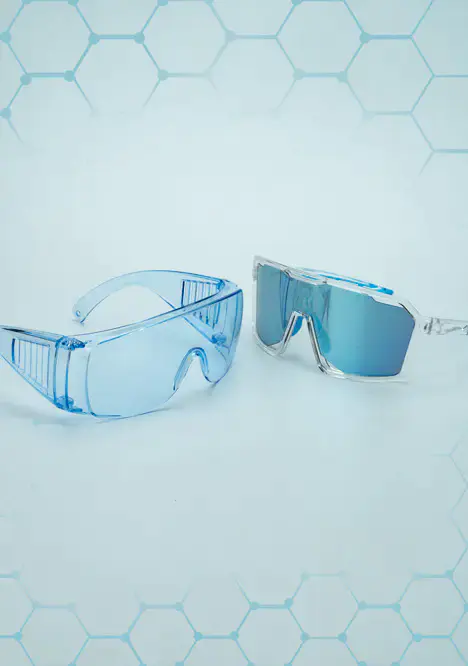
On the other end of the spectrum are dedicated sport sunglasses. These are tools, engineered from the ground up for a specific purpose, whether it’s running, cycling, or climbing.
Built for Action
Function dictates form. Sport frames often feature aggressive, high-wrap designs made from tough, flexible materials like nylon composites. Every element is optimized for performance in extreme conditions.
Unwavering Grip and Stability
Where fashion frames slip, sport frames stick. They utilize hydrophilic (water-loving) rubber or silicone compounds on the nose pads and temple tips. These materials actually increase their grip as you sweat, ensuring the glasses stay locked in place during intense movement. The fit is also more secure, often with temples that wrap more tightly around the head.
Superior Coverage and Safety
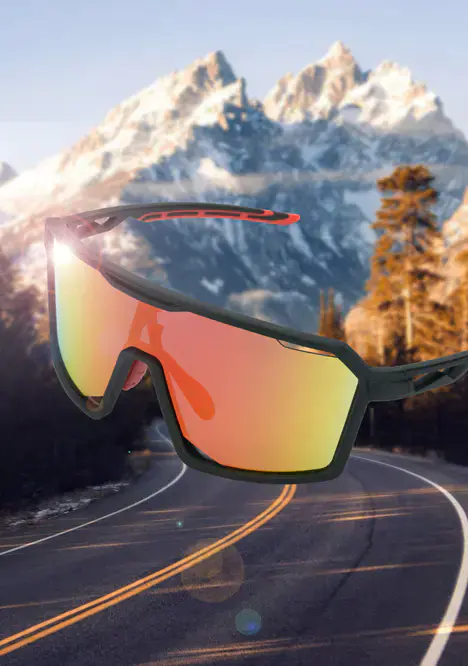
A high base curve is the hallmark of a sport frame. This wraparound design sits closer to the face, creating a shield that blocks wind, dust, debris, and—most importantly—peripheral UV rays. This comprehensive coverage is critical for high-exposure environments like water, snow, or high altitudes. Furthermore, all eyewear sold in the U.S., including sport sunglasses, must meet the FDA's impact resistance standards, often referred to as the "drop ball test," ensuring the lenses won’t shatter from a typical impact.
The Style Trade-Off
The biggest drawback of dedicated sport sunglasses is their highly technical appearance. While perfect for a marathon, the aggressive lines, bright colors, and overt branding can look out of place in casual or professional settings. They scream "performance gear," which isn’t always the message you want to send.
Defining the Hybrid: The Best of Both Worlds
This is where the hybrid sunglass shines. It strategically borrows the most important performance features from the sport world and integrates them into a frame that is stylish and versatile enough for everyday life. It’s about being prepared for anything without looking like you’re about to compete in the Tour de France.
But how do you spot a true hybrid from a fashion frame that just looks a bit sporty? Here are a few expert heuristics to guide you.
How We Know: Insights from the Repair Bench
Our analysis isn't just theoretical. These insights are based on years of handling customer returns, warranty claims, and repairs. We see the common failure points firsthand, which gives us a unique perspective on what makes a frame truly durable for active, everyday use.
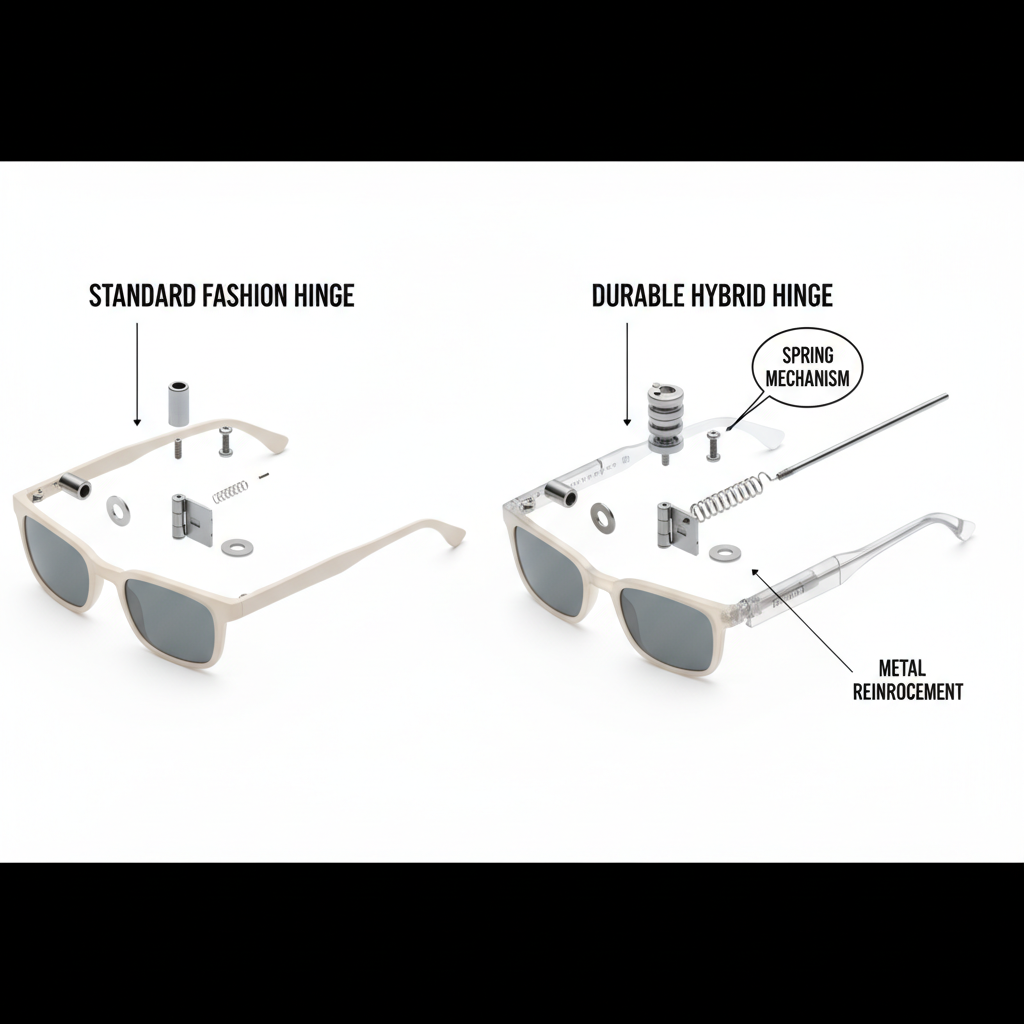
Heuristic 1: The Hinge & Temple Check
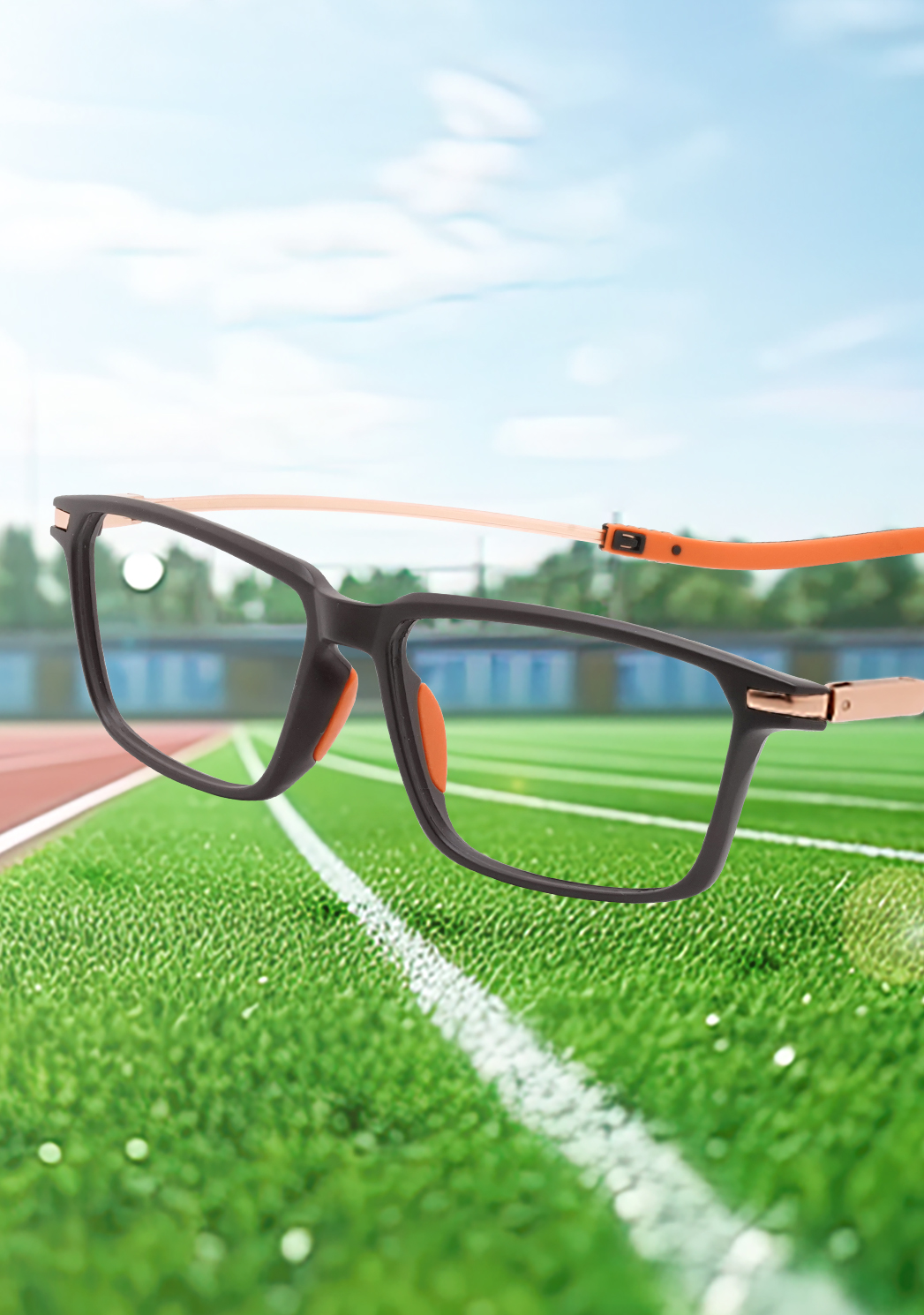
Forget aesthetics for a second and look at the construction. A key indicator of durability is the hinge. Look for models with spring hinges, which allow the temples to flex outwards without stressing the hinge itself. Even better, check for a metal core that runs through the acetate or plastic temple. This reinforcement provides a much stronger foundation for the hinge screws, preventing the loosening and wobbling common in cheaper frames.
Heuristic 2: The Grip & Comfort Test
Don’t be fooled by the mere presence of nose pads. In our experience, the material and size are critical. Look for soft, pliable silicone nose pads that cover a wider surface area. These distribute pressure more evenly and provide substantial grip. Avoid small, hard plastic pads that offer little grip and can create uncomfortable pressure points. A micro-textured surface on the pads is an advanced feature that helps channel sweat away for even better grip.
Heuristic 3: The Weight Sweet Spot
For a frame you’ll wear all day, from your morning commute to an evening run, weight is a crucial factor. A heavy frame, even if it fits well, will cause pressure points on your nose and behind your ears. Based on our observations, frames over 30 grams can lead to discomfort during extended wear. The sweet spot for a durable yet comfortable hybrid frame is typically between 20-25 grams.
Heuristic 4: The Lens Curve Compromise
A frame’s "base curve" dictates how much it wraps around your face. While high-wrap (base curve 8+) sport frames offer maximum coverage, they can cause visual distortion, especially for those who need prescription lenses. As we've detailed in our guide to high prescription sunglasses, fashion frames are often too flat (base curve 0-2). A versatile hybrid frame typically uses a base curve between 4 and 6. This provides good peripheral coverage while remaining optically friendly for most single-vision and even many progressive lens prescriptions.
Key Features for Your Perfect Hybrid Pair
Once you’ve assessed the frame’s build quality, turn your attention to the lenses and fit. These elements are just as critical for both performance and protection.
Lens Technology: More Than Just a Pretty Tint
-
UV400 Protection is Non-Negotiable: Any reputable pair of sunglasses must block 100% of UVA and UVB rays up to 400 nanometers. Be wary of labels that just say "UV blocking." As technical reports from optical researchers have pointed out, some older standards only protect up to 380 nm, leaving a critical gap. This 380-400 nm range of high-energy light is particularly damaging. Also, never assume a darker lens offers more protection. According to oncologists at MD Anderson Cancer Center, wearing dark lenses without certified UV400 blocking is more dangerous than wearing no glasses at all, as it causes your pupils to dilate and let more unfiltered radiation in.
-
Polarization: A Double-Edged Sword: As explained by Harvard Health, polarized lenses contain a filter that blocks the intense horizontal glare reflected off flat surfaces like water and roads. This can dramatically increase comfort and reduce eye strain while driving or fishing. However, this same filter can make it difficult or impossible to see LCD screens on your phone, car dashboard, or in a pilot's cockpit, which is why the FAA advises against them for pilots.
-
Lens Material for Active Lifestyles: For a hybrid frame, polycarbonate is an excellent choice. The American Optometric Association (AOA) often recommends it for sports because it’s lightweight and significantly more impact-resistant than standard plastic lenses. A bonus is that polycarbonate material inherently blocks 100% of UV rays, meaning the protection is built-in and won’t scratch off over time.
Frame Fit: The Final Piece of the Puzzle
A great frame with great lenses is useless if it doesn’t fit you properly. For a hybrid model, you want a snug, secure fit that’s still comfortable for all-day wear. The frame should be wide enough that the temples go straight back without bowing out, and it shouldn’t rest on your cheeks when you smile. A proper fit ensures the glasses move with you and maximizes the protective coverage the frame was designed to offer. For more tips on finding the right pair for your adventures, check out our guide on durable sunglasses for the weekend adventurer.
The Smart Choice for a Modern, Active Life
In the past, you had to compromise, choosing between sunglasses that looked good and sunglasses that performed well. The rise of the hybrid frame means that compromise is no longer necessary. By understanding the key markers of quality—robust hinges, performance grip, intelligent weight, and a versatile base curve—you can find a single pair of sunglasses that can truly keep up with your dynamic life.
Investing in a well-built hybrid is a smarter choice than owning two separate, lower-quality pairs for fashion and sport. It’s about owning one versatile, reliable piece of gear that seamlessly transitions from a morning workout to an afternoon meeting and onto an evening out. You get the protection and stability you need for spontaneous adventures, all wrapped in a style you’re proud to wear every single day.
Disclaimer: This article is for informational purposes only and does not constitute medical advice. Always consult with a qualified eye care professional for any questions regarding your eye health and before purchasing prescription eyewear.
References
- Cole, B. L. (2019). Solar ultraviolet radiation protection by sunglasses: a technical report. Clinical and Experimental Optometry, 102(5), 451-460.
- Coroneo, M. T. (2011). Pterygium as an early indicator of ultraviolet-B radiation exposure. Ophthalmic Epidemiology, 18(4), 184-185.
- Federal Aviation Administration. (n.d.). Sunglasses for Pilots. FAA Safety Brochure. Retrieved from https://www.faa.gov/pilots/safety/pilotsafetybrochures/media/sunglasses.pdf
- Harvard Health Publishing. (2020). Polarized sunglasses: Protecting your eyes from harmful glare. Retrieved from https://www.health.harvard.edu/staying-healthy/polarized-sunglasses-protecting-your-eyes-from-harmful-glare
- MD Anderson Cancer Center. (2023). 9 things to know about sunglasses, eye protection and cancer. Retrieved from https://www.mdanderson.org/cancerwise/9-things-to-know-about-sunglasses--eye-protection-and-cancer.h00-159699123.html
- Sliney, D. H. (2018). Ocular dosimetry for ultraviolet radiation and the potential for peripheral light-focusing. Photochemical & Photobiological Sciences, 17(12), 1833-1841.
- U.S. Food and Drug Administration. (2021). 21 CFR 801.410 - Impact-resistant lenses in eyeglasses and sunglasses. Code of Federal Regulations. Retrieved from https://www.accessdata.fda.gov/scripts/cdrh/cfdocs/cfcfr/CFRSearch.cfm?fr=801.410


