







How Frame Shape Influences Sunglass Size Perception
TL;DR: Size Isn't Just a Number
Why does a 50mm round frame feel completely different from a 50mm rectangular one? Because the listed "eye size" only measures the horizontal width of the lens, not the overall shape, height, or total width of the frame. The frame's geometry—whether it's a curved aviator, an angular rectangle, or a circular panto—is what truly defines its fit, sun coverage, and how it complements your facial features. This guide will teach you to see beyond the numbers and choose a frame shape that delivers a perfect fit every time.
Deconstructing Frame Dimensions: Beyond the Numbers
When you shop for sunglasses online, you typically see a set of three numbers, like 52-18-140. These are the fundamental measurements of the frame, but they don't tell the whole story.
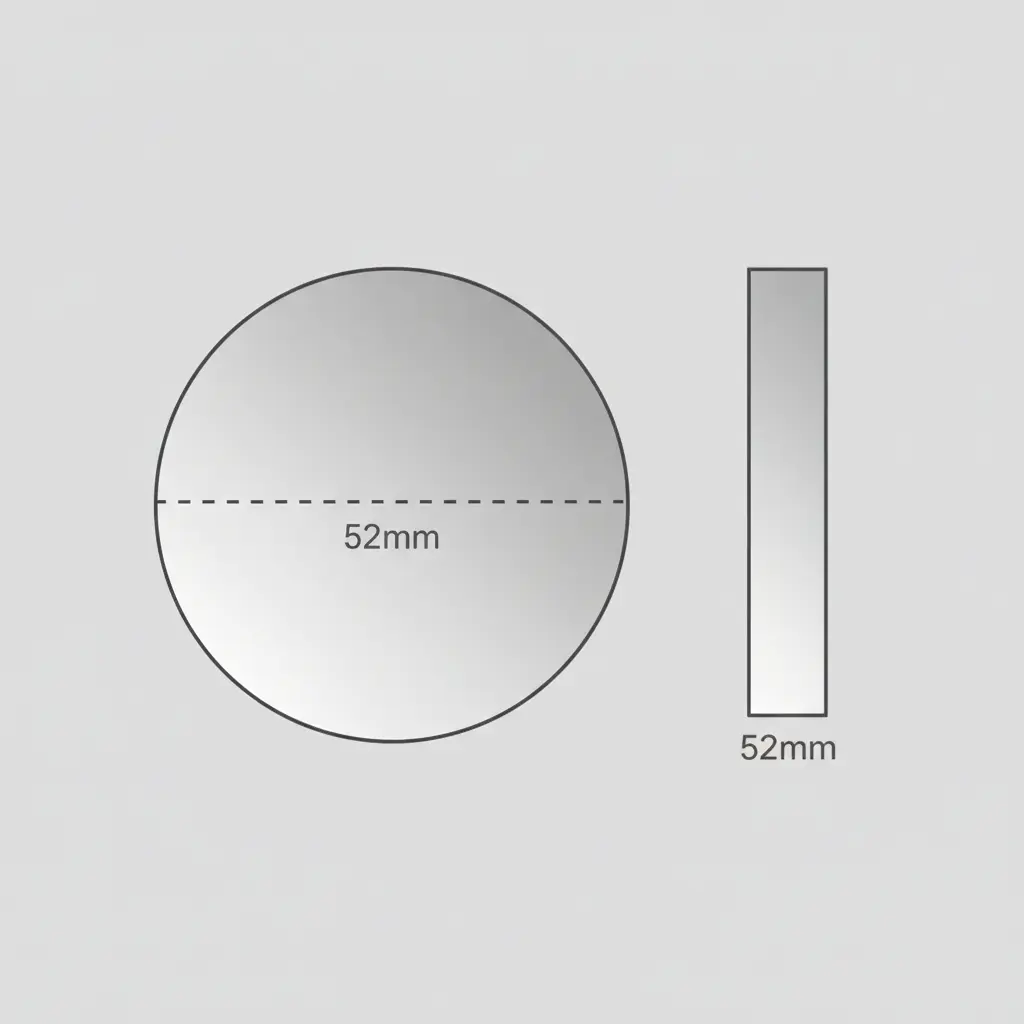
- Eye Size (e.g., 52mm): This is the horizontal width of one lens at its widest point. It's also known as the "A-dimension."
- Bridge Width (e.g., 18mm): This is the distance between the two lenses (DBL), measuring the part of the frame that sits on your nose.
- Temple Length (e.g., 140mm): This is the length of the "arm" of the sunglasses, from the hinge to the tip that rests behind your ear.
The Myth of the "One Size" Number
A common mistake is to fixate on the eye size as the sole indicator of fit. In reality, this number is just one piece of the puzzle. Two frames with an identical 52mm eye size can have drastically different total widths and vertical heights depending on their shape. A narrow rectangular frame and a wide, round frame might share the same lens width, but they will fit and look completely unalike.
Why Vertical Height and Overall Width Matter More
For sunglasses, two often-unlisted dimensions are arguably more important for fit and function:
- Vertical Lens Height (B-Dimension): This measurement is critical for sun protection. A taller lens provides more coverage, shielding your eyes and the sensitive skin around them from harmful UV rays entering from above or below.
- Total Frame Width: This is the full width of the frame from one endpiece to the other. It determines whether the sunglasses will look proportionally balanced on your face—not too narrow and not too wide. A good rule of thumb is to match the frame width to the width of your face at the temples.
How Shape Dictates Perceived Size and Fit
The geometric shape of the lenses has the biggest impact on how large or small a frame feels. It alters the frame's visual weight, coverage area, and how it interacts with your facial contours. Here’s how different shapes compare, even when they share the same eye size number.
| Frame Shape | Perceived Size & Visual Effect | Ideal For | Key Fit Considerations |
|---|---|---|---|
| Rectangular/Square | Appears wider and more structured. The horizontal lines can make a round face appear longer and slimmer. | Round, Oval Faces | Sharp angles add definition and contrast to soft facial features. |
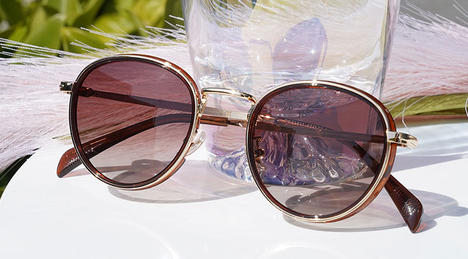
| Round/Panto | Tends to appear smaller and more compact for the same lens width. Softens angular features. | Square, Heart, Oval Faces | Ensure the total frame width is adequate to avoid a "pinched" look. For a deeper analysis, see our guide on Round vs. Square Sunglasses. |
| Aviator | Feels larger and offers a wider field of vision due to the teardrop shape and high vertical height. | Oval, Square, Heart Faces | The classic downward curve provides excellent sun coverage, blocking more peripheral light. Explore different Aviator Sunglass Styles to find your match. |
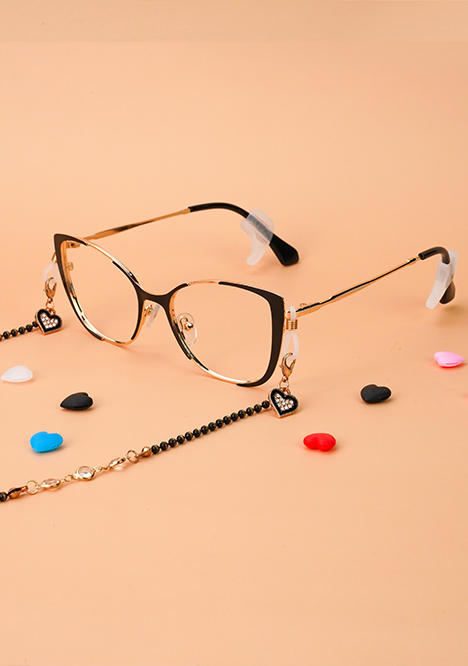
| Cat-Eye | The upswept temples create a lifting effect, making the frame appear wider and drawing attention upward. | Diamond, Round, Base-Up Triangle Faces | The angle and prominence of the "lift" at the corners can dramatically alter the style. |
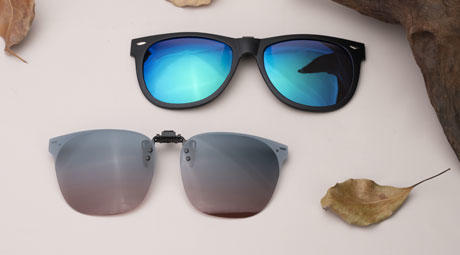
| Wayfarer/Trapezoid | Presents a bold, substantial look. The thick rims and strong browline make it feel prominent and sturdy. | Most face shapes | This versatile shape is a classic for a reason, but the frame's thickness adds to its visual weight. |
Practical Application: Matching Shape to Your Needs
Beyond aesthetics, frame shape has significant practical implications for protection, prescription strength, and comfort.
For Maximum Sun Protection
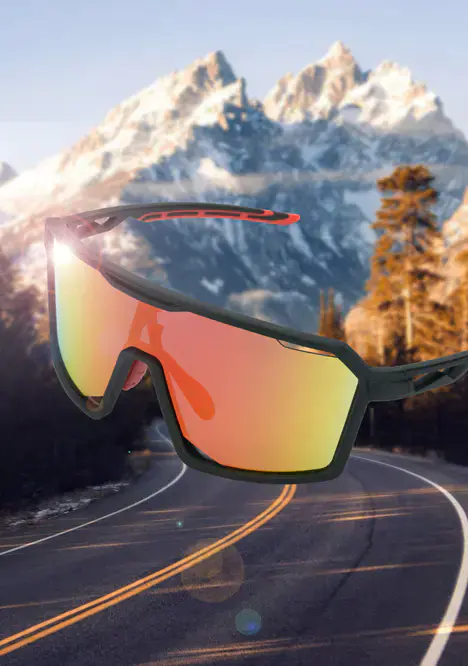
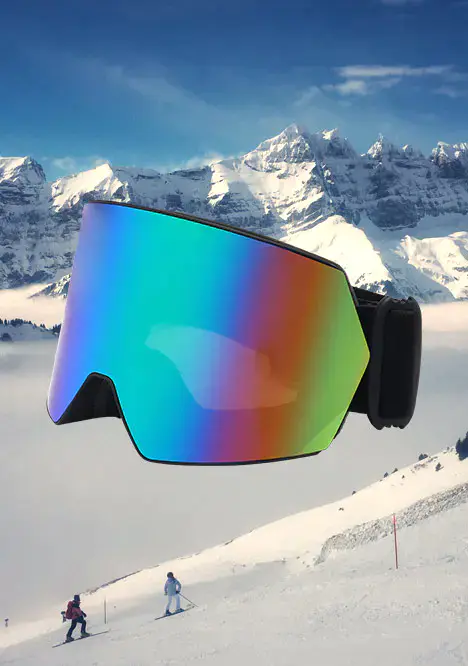
If your priority is eye health, shape is paramount. According to the American Academy of Ophthalmology, oversized or wraparound styles are best for cutting down on UV light entering from the side. Research published in Photochemical & Photobiological Sciences confirms this, showing that frame geometry is a major factor in actual UV exposure to the eye, with wraparound and goggle-style frames offering near-total protection by minimizing peripheral light leakage.
Pro Tip: For effective UV protection, look for sunglass styles with a vertical lens height (B-dimension) of at least 36–38 mm. This provides significantly better coverage for the delicate skin around your eyes compared to very narrow, shallow frames.
For High Prescriptions
Frame shape is a critical factor in managing the thickness and weight of strong prescription lenses. Choosing the wrong shape can result in distorted vision, heavy glasses, and poor aesthetics.
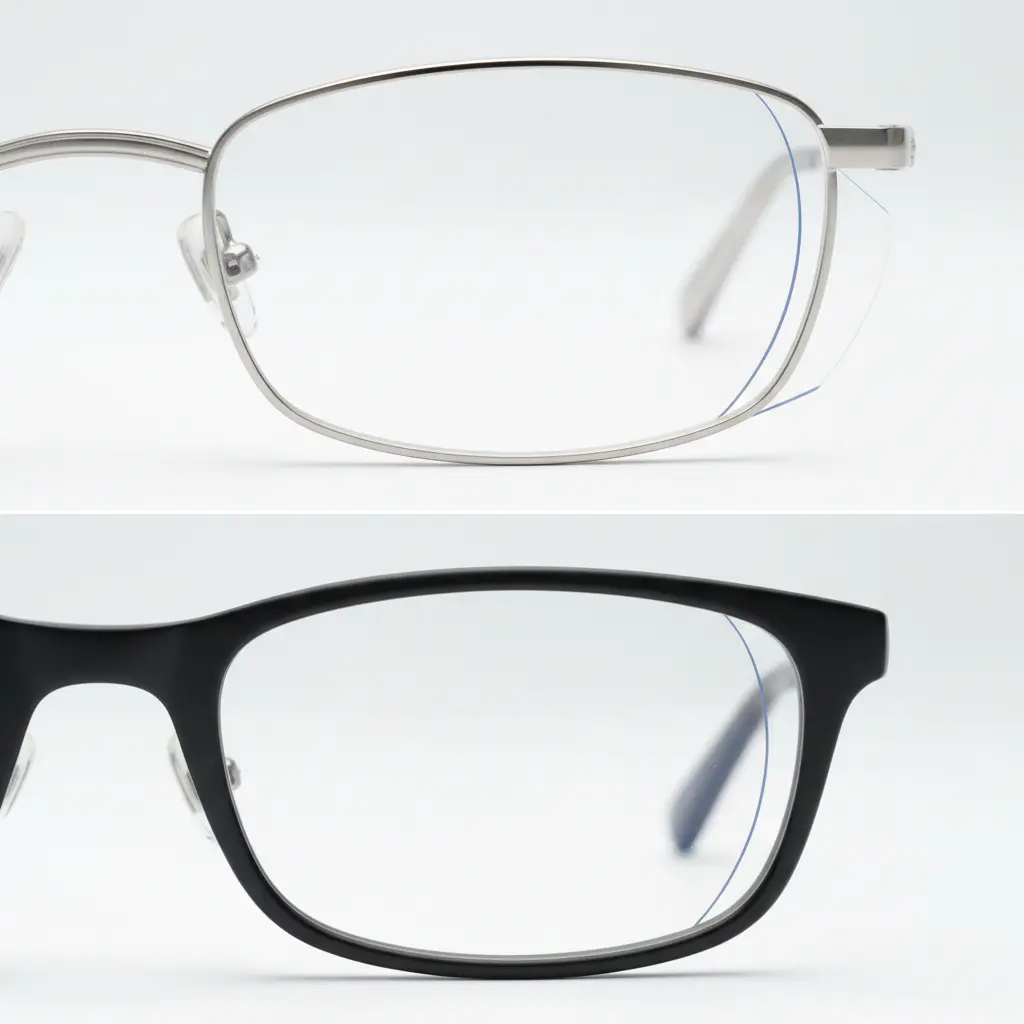
- For High-Minus (Nearsighted): These lenses are thinnest in the center and thickest at the edges. A thicker acetate frame, like a classic Wayfarer, is excellent for concealing this edge thickness. Avoid thin metal rims or rimless styles that expose the lens edge. You can find more tips in our guide to choosing frames for high prescriptions.
- For High-Plus (Farsighted): These lenses are thickest in the center and can cause a "bug-eye" magnification effect. The best strategy is to choose smaller, rounder frames. This minimizes the lens diameter needed, reducing both thickness and magnification. As a general rule, reducing the eye size by 2–4 mm compared to a non-prescription frame can make a huge difference.
For Low or Wide Nose Bridges
If glasses constantly slide down your nose, you likely have a low or wide bridge. This fit issue is not just annoying—it compromises sun protection and optical alignment. For these individuals, frame shape and bridge construction are key.
- Low Bridge Fit: Look for frames designated as "Low Bridge Fit" or "Asian Fit." These typically feature larger nose pads that are angled to prevent slipping.
- Shape Matters: Rectangular frames or styles with adjustable metal nose pad arms often provide a more secure fit than molded plastic frames with a fixed bridge (like many classic Wayfarer styles).
The Final Fit Check: A Quick Guide for Online Buyers
Shopping for sunglasses online can be simple if you focus on the right details. Use this checklist to ensure a great fit.
- Measure Your Current Frame: If you have a pair of glasses that fits well, use a ruler to measure its total width from temple to temple. Use this as your target measurement.
- Know Your Pupillary Distance (PD): This is the distance between your pupils and is essential for prescription eyewear. You can learn how to measure your PD at home with our simple guide.
- Prioritize Vertical Height for Sunwear: For sunglasses, don't just look at the lens width. Check the vertical height (B-dimension) to ensure adequate coverage.
- Consider the Shape's Visual Effect: Use the table above to understand how a shape will look and feel. A 54mm aviator will wear much larger than a 54mm rectangular frame.
- Check for Fit Features: Look for notes about "Low Bridge Fit" or adjustable nose pads if you have issues with glasses slipping.
Wrapping Up: Key Takeaways
Choosing the right sunglasses is about more than just a single measurement. The shape of the frame is the defining factor that influences its perceived size, the quality of its sun protection, and how well it complements your features. By understanding the interplay between shape and dimensions, you can move beyond the numbers and confidently select a pair of sunglasses online that looks and feels like it was made for you.
Frequently Asked Questions (FAQ)
Q: Do aviators make your face look bigger? A: Aviators tend to appear larger and wider than other shapes with the same numerical eye size due to their signature teardrop shape and high vertical coverage. This makes them great for sun protection but can feel overwhelming on very small or narrow faces.
Q: Can I put prescription lenses in any sunglass shape? A: While many sunglass frames can accommodate prescriptions, some shapes present challenges. Highly curved or "wrapped" frames and very large styles may not be suitable for strong prescriptions. It's best to consult our guide on high prescription sunglass frames for detailed advice.
Q: How do I know if a frame is too wide? A: A well-fitting frame should be approximately as wide as your face. There should be no more than a finger's width of space between the temple arm and your face. If the frames extend far beyond the sides of your face, they are likely too wide.
Disclaimer: This article is for informational purposes only and does not constitute professional medical advice. Please consult with a qualified optometrist or ophthalmologist to address your specific eye health needs, especially if you have pre-existing conditions or require prescription lenses.
References
- American Academy of Ophthalmology (AAO). "How to Choose the Best Sunglasses." https://www.aao.org/eye-health/glasses-contacts/sunglasses-3
- American Optometric Association (AOA). "UV Protection." https://www.aoa.org/healthy-eyes/caring-for-your-eyes/uv-protection
- Sliney, D H. "Ocular exposure to ultraviolet radiation: the role of frame geometry." Photochemical & photobiological sciences : Official journal of the European Photochemistry Association and the European Society for Photobiology vol. 18,11 (2019): 2693-2700. https://pmc.ncbi.nlm.nih.gov/articles/PMC6803516/


