






Handling Daily Disposable Lenses in Tropical Climates
Traveling to a tropical destination offers a wonderful escape, but the unique environmental factors of high heat and humidity present specific challenges for contact lens wearers. While daily disposable lenses are an excellent choice for travel due to their convenience and hygiene, the tropical climate demands a higher level of care to prevent discomfort and serious eye infections. High humidity is an ideal breeding ground for bacteria and fungi, and intense heat can alter how your lenses fit and feel.
This guide provides expert, practical advice grounded in clinical observation and scientific research to help you safely and comfortably wear your daily disposable lenses in paradise. We will cover the specific risks posed by tropical environments and outline the essential hygiene protocols you must follow to protect your vision.
The Twin Challenges: Heat and Humidity
Understanding why a tropical climate is different is the first step toward proper care. The two main culprits are humidity and heat, which work together to create a high-risk environment for your eyes.
Humidity as a Microbial Incubator
High humidity means there is more moisture in the air. This moisture is a primary vector for contamination. As noted by eye care practitioners, a common mistake travelers make is storing their lens supplies in a humid hotel bathroom, effectively turning it into a microbial incubator overnight. Germs like bacteria and fungi thrive in these damp conditions. When you handle your lenses, any moisture on your hands from the air or from incomplete drying can transfer these microorganisms directly to the lens and into your eye.
According to the Centers for Disease Control and Prevention (CDC), improper lens handling and care can compromise the eye's natural defenses, leading to infections like microbial keratitis. A humid environment dramatically increases this risk.
Heat-Induced Dehydration and Lens Fit
The intense heat of the tropics can cause your contact lenses to dehydrate more quickly while on your eyes. This leads to a feeling of dryness, grittiness, and general discomfort. Furthermore, a recent study published in PubMed on the impact of temperature on lens parameters found that contact lenses physically change when heated from room temperature to eye temperature—they tend to shrink and steepen. In a hot climate, this effect can be more pronounced, causing a lens that feels perfect at home to feel uncomfortably tight after just a few hours.

Essential Hygiene Protocols for the Tropics
Strict adherence to hygiene is non-negotiable. In a tropical climate, there is no room for shortcuts. These protocols are designed to mitigate the risks of infection and discomfort.
1. Master the "30-Second Dry Rule"
This is the single most important step. After washing your hands with soap and water, you must dry them thoroughly for at least 30 seconds with a clean, lint-free towel or an air dryer. Based on clinical experience, residual moisture on the fingertips is a primary cause of contamination. In a high-humidity environment, your hands may feel slightly damp even after drying, so be extra diligent. Do not proceed to touch your lenses until your fingers are completely dry.
2. The "No Water" Mandate
This rule is absolute: never allow tap water, swimming pool water, ocean water, shower water, or any water other than sterile lens solution to come into contact with your lenses. The U.S. Environmental Protection Agency (EPA) explicitly warns that tap water can contain Acanthamoeba, a microorganism that causes a severe, treatment-resistant infection that can lead to permanent vision loss. Always remove your lenses before swimming or showering.
3. Respect the "Daily" in Daily Disposables
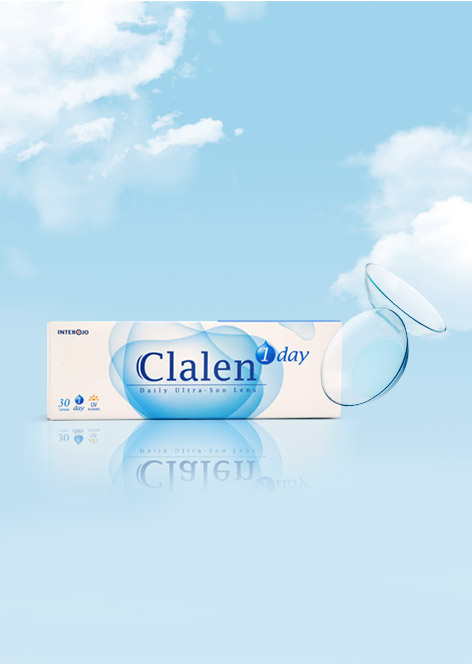
Daily disposable lenses are designed and approved for single use only. Attempting to reuse them, even for one extra day, is a significant risk. A study on reused daily disposable lenses found a 95% contamination rate, with bacteria like Staphylococcus being common. The lens material is not designed to resist biofilm buildup beyond a single day, and the blister pack saline is not a storage solution. At the end of the day, simply throw the lenses away.
4. Handle Lenses Before Other Products
Always insert your lenses with clean, dry hands before applying any sunscreen, makeup, or insect repellent. When your day is done, remove your lenses before washing your face or using makeup remover to avoid transferring oily or chemical residues into your eyes.
Maintaining All-Day Comfort
Beyond preventing infection, the goal is to stay comfortable so you can enjoy your trip. Heat, sun, and air conditioning can all contribute to eye dryness.
Pack Preservative-Free Lubricating Drops
Artificial tears or rewetting drops are a traveler’s best friend. Choose a preservative-free formula, which comes in single-use vials, to minimize irritation. Use them as needed throughout the day to rehydrate your lenses and soothe your eyes. This is especially important if you are moving between the outdoor heat and indoor air conditioning.
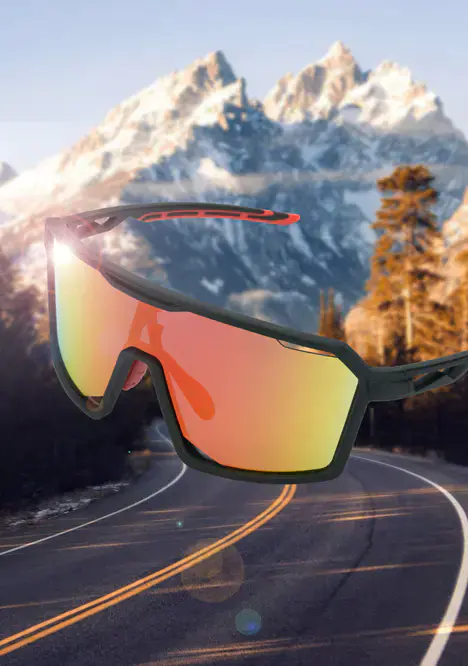
Don't Forget Your Sunglasses
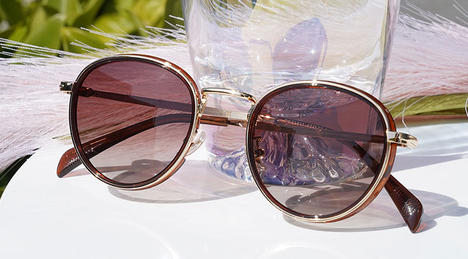
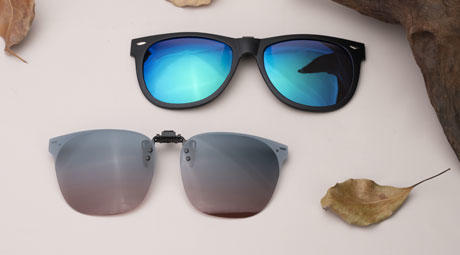
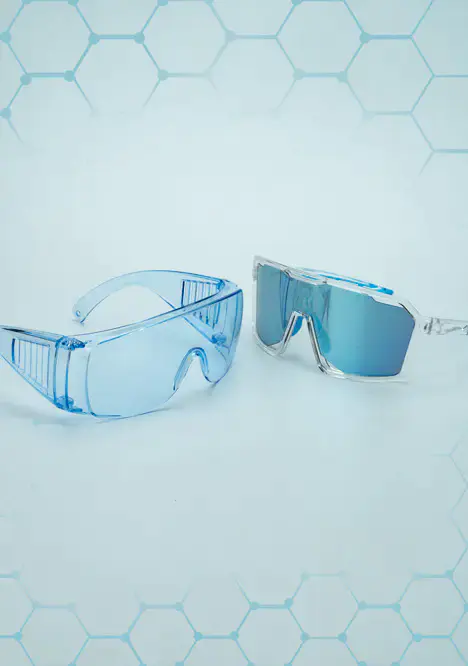
Even if your contact lenses have UV protection, it's not enough. A soft contact lens sits on your cornea, leaving the white of your eye (the sclera) and the surrounding skin exposed to intense tropical sun. A study evaluating UV radiation found that soft contact lenses have a high transmission rate for UV rays, offering minimal protection. As detailed in the article on why contact lens wearers still need UV sunglasses, a good pair of UV400-rated sunglasses is crucial to protect the entire eye area from damage.

Listen to Your Eyes
Be prepared to wear your lenses for shorter periods than you do at home. If your eyes feel tired, dry, or irritated, or if you notice any redness, remove your lenses and switch to your backup prescription glasses. Forcing extended wear in a challenging environment can lead to complications. It’s always better to prioritize the health of your eyes.
Quick-Reference Travel Checklist
- Pack Extra Lenses: Always bring more pairs of daily disposables than you think you’ll need. Pack them in your carry-on luggage to protect them from loss or extreme temperatures in the cargo hold.
- Backup Glasses: Never travel without an up-to-date pair of prescription glasses.
- Your Prescription: Carry a paper or digital copy of your contact lens prescription.
- Preservative-Free Drops: Pack single-use vials of rewetting drops.
- UV400 Sunglasses: Essential for complete eye protection.
Frequently Asked Questions (FAQ)
Q: Can I swim in the ocean or pool with my daily disposables if I throw them away right after?
A: No. The risk of exposure to harmful microorganisms like Acanthamoeba is immediate. Water can get trapped behind the lens, holding these pathogens against your cornea. Even for a short swim, the risk of a severe infection is not worth it. Always remove lenses before your eyes touch the water.
Q: Why do my eyes feel drier in the tropics even though it's humid?
A: This is a common paradox. While the air is humid, the intense heat can accelerate tear evaporation from the surface of your eye and the lens itself. Additionally, spending time in air-conditioned rooms, which are very dry, can further contribute to discomfort.
Q: What are the warning signs of a potential eye infection?
A: If you experience any of the following, remove your lenses immediately and consult a medical professional: unusual redness, persistent pain or discomfort, increased sensitivity to light, sudden blurry vision, or a feeling that something is stuck in your eye (gritty sensation).
This article is for informational purposes only and does not constitute professional medical advice. Always consult with a qualified eye care professional regarding your eye health, especially if you have pre-existing conditions or experience any discomfort or symptoms of an infection.
References
- CDC: Contact Lens Care & Risk Factors - https://www.cdc.gov/contact-lenses/causes/index.html
- EPA: Danger of Using Tap Water with Contact Lenses - https://www.epa.gov/sdwa/danger-using-tap-water-contact-lenses
- PubMed: Contamination Risk of Reusing Daily Disposable Lenses - https://pubmed.ncbi.nlm.nih.gov/22041587/
- PubMed: Impact of Temperature on Daily Disposable Lens Parameters - https://pubmed.ncbi.nlm.nih.gov/38570253/
- PubMed: UV Radiation Attenuation by Eyewear - https://pubmed.ncbi.nlm.nih.gov/3752323/


