


How to Get Your Teen to Actually Wear Their Glasses
A Parent's Guide to Teen Eyewear: More Style, Less Struggle
Getting a teenager to wear their glasses can feel like a daily battle. What is medically necessary for them can feel like a social burden. The key to ending this struggle is to shift the conversation from a health requirement to a form of self-expression. By framing eyewear as a fashion accessory, you can empower your teen to not only wear their glasses but to love them.
This guide provides practical tips for parents on how to navigate this process. We'll cover how to choose frames that fit their style and active lives, decode the science behind blue light glasses for screen time, and ensure a perfect, comfortable fit, even when ordering online.
TL;DR: Your Quick Guide to Success
- Lead with Style: Let your teen drive the choice of frame style and color. Glasses are a powerful accessory for defining their look.
- Prioritize Durability: Choose flexible, strong materials like TR-90 and spring hinges that can handle the realities of a teen's life.
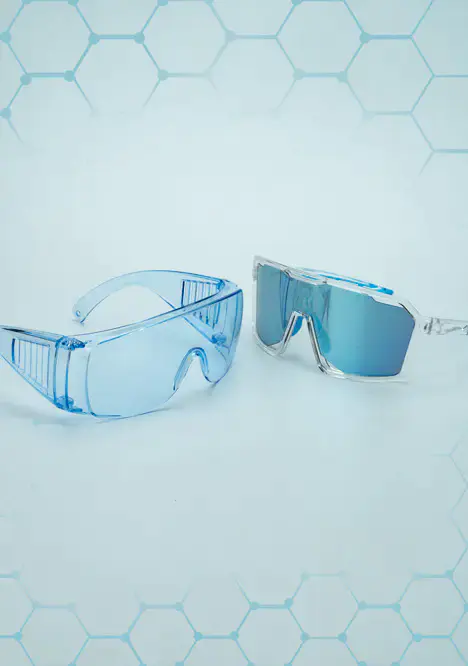
- Use Blue Light Glasses for Sleep, Not Strain: The primary benefit of blue light filtering lenses is helping to regulate sleep cycles, not preventing eye strain. They should be worn in the evening, not all day.
- Fit is Everything: An uncomfortable pair of glasses will never be worn. Pay close attention to measurements like Pupillary Distance (PD) to ensure all-day comfort.
The Style-First Approach: Turning Glasses into a Cool Accessory
The single most effective way to get your teen on board with wearing glasses is to give them ownership of the process. When they see glasses as a way to craft their image, the resistance often fades away.
Focus on Fit and Face Shape
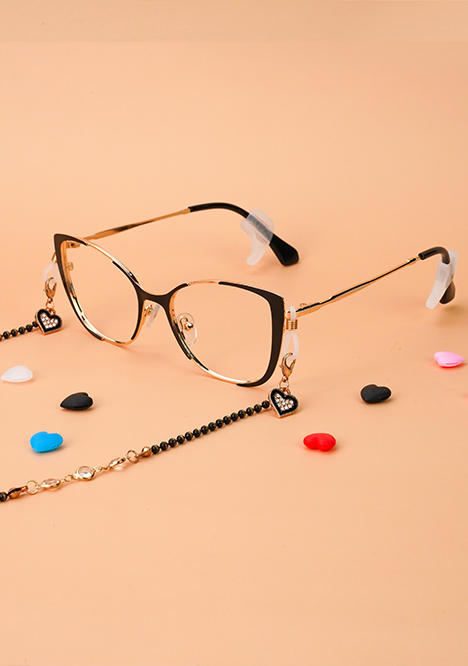
Help your teen understand that just like a great haircut, the right frames can highlight their best features. Encourage them to try on different shapes—round, square, cat-eye, aviator—to see what makes them feel most confident. This isn't about rigid rules; it's about finding a style that feels authentic to them.
Material Matters for an Active Lifestyle
For a teen, durability is non-negotiable. Look for frames made from materials designed for flexibility and strength.
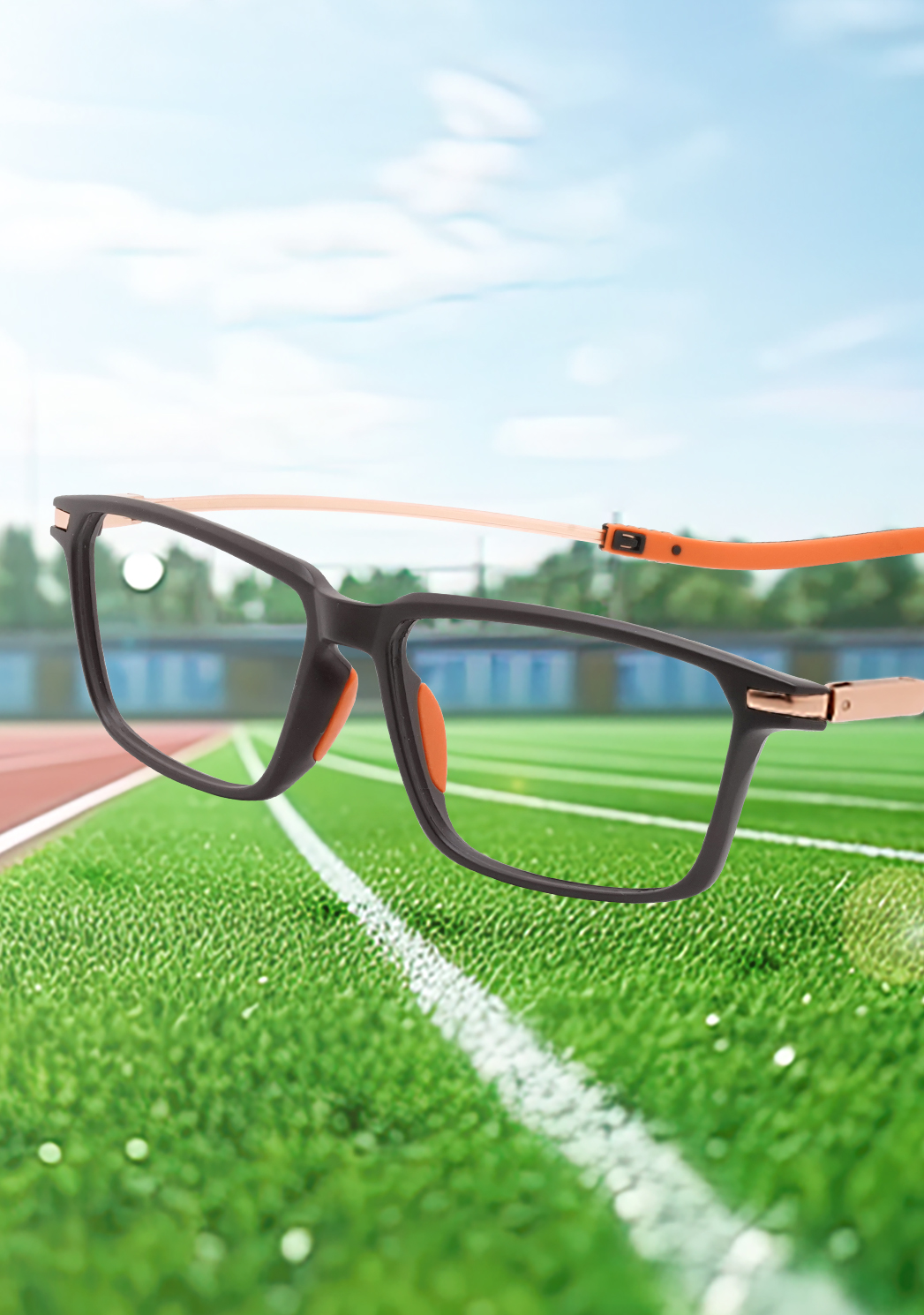
- TR-90: This is a thermoplastic material that is incredibly durable, flexible, and lightweight. It can bend under pressure and return to its original shape, making it ideal for teens involved in sports or who are just generally tough on their belongings.
- Beta-Titanium: If your teen prefers a slimmer metal style, beta-titanium is an excellent choice. It's a strong, lightweight alloy that offers more flexibility than standard titanium, reducing the risk of breakage.
- Spring Hinges: Always opt for frames with spring hinges. These allow the temples (arms) to flex outward, away from the head, without breaking. This small feature provides a more comfortable fit and drastically reduces the chance of damage from rough handling.
The Screen Time Dilemma: Are Blue Light Glasses the Answer?
With teens spending more time than ever on screens for school and social life, many parents wonder about blue light glasses. It's a topic filled with myths, so let's look at what the science says.
Debunking the Myth: Eye Strain vs. Sleep Cycles
A common misconception is that blue light from screens is the direct cause of "digital eye strain." However, multiple experts disagree. According to ophthalmologist Dr. Nicole Bajic at the Cleveland Clinic, digital eye strain is primarily caused by how we use our devices—specifically, we blink less and our eyes are constantly refocusing. A double-blind clinical trial published in PubMed also found no significant difference in eye strain symptoms between blue-blocking and placebo lenses.
The most effective way to combat eye strain is the "20-20-20 rule": every 20 minutes, look at something 20 feet away for at least 20 seconds.
The Real Benefit: Protecting Sleep
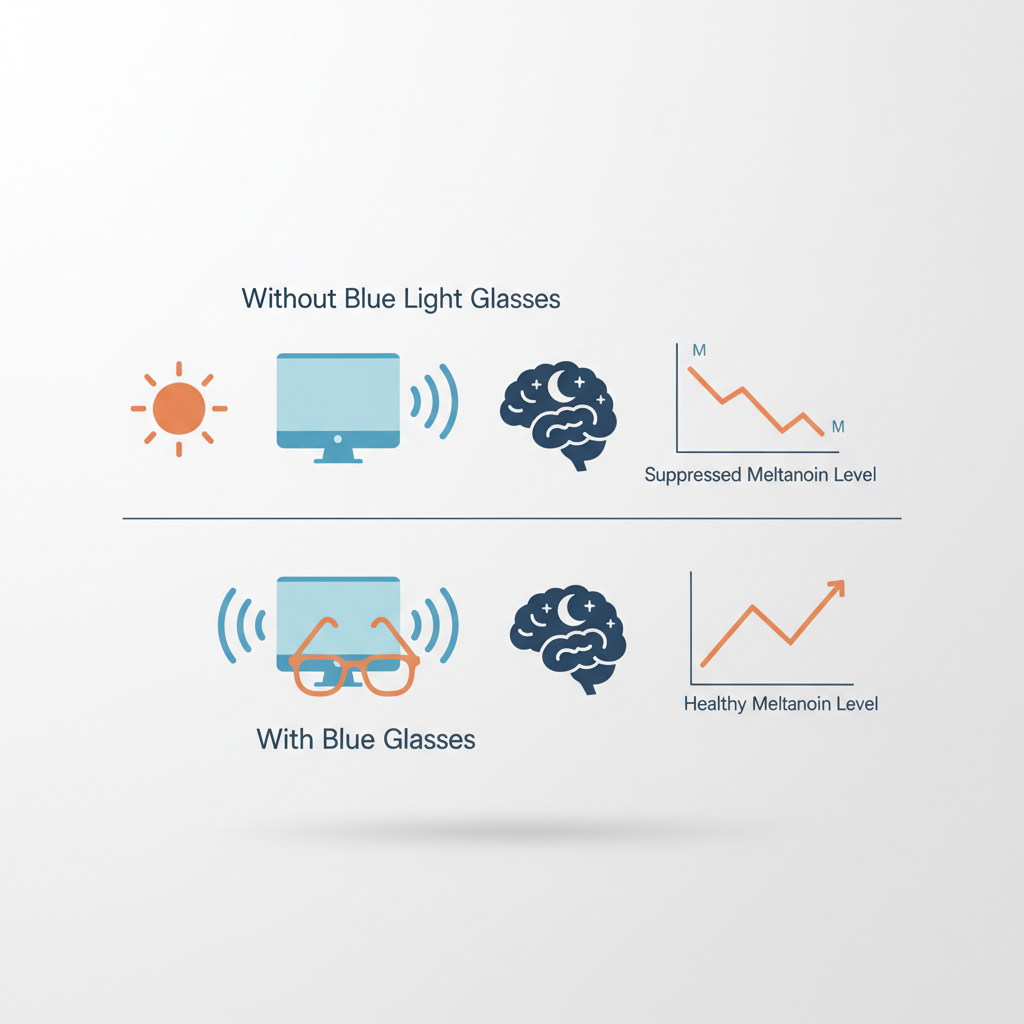
Where blue light glasses show a real, measurable benefit is in managing sleep cycles. Our brains interpret the blue light from screens as daylight, which can suppress the production of melatonin, the hormone that tells our body it's time to sleep.
Research from Harvard Health Publishing suggests that wearing blue light blocking glasses in the evening can prevent this melatonin suppression. By filtering out the specific wavelengths that interfere with our circadian rhythm, these glasses can help your teen feel sleepier at a natural bedtime, making it easier to fall asleep and get the rest they need.
Expert Warning: Not for All-Day Wear
While beneficial at night, blocking blue light during the day may not be a good idea for children and teens. Blue light exposure during the day is vital for alertness and mood. Furthermore, some researchers are exploring a theoretical risk that chronic blue light deprivation during childhood could potentially interfere with healthy eye development, as discussed in a pediatric risk model from the Mayo Clinic.
The bottom line: Treat blue light glasses as a "sleep tool" for the evening, not an all-day accessory.
Getting the Perfect Fit Online: A Parent's Practical Checklist
An online store offers incredible choice and value, but a perfect fit is crucial for comfort and clear vision. An ill-fitting pair of glasses will slip down the nose, pinch behind the ears, and ultimately, end up in a drawer.
Why a Precise Fit is Non-Negotiable
For glasses to work correctly, the optical center of the lenses must be aligned with the center of your teen's pupils. This alignment depends on an accurate Pupillary Distance (PD) measurement. An incorrect PD can cause eye strain, headaches, and distorted vision, especially with stronger prescriptions. If you're new to this, our guide on how to read your eyeglass prescription can be a helpful starting point.
For teens with high prescriptions, two other factors are critical:
- Vertex Distance: The distance between the back of the lens and the front of the eye. Frames that sit too far from the face can alter the effective power of the lens.
- Aspheric Lenses: These lenses are designed to be flatter and thinner, which significantly reduces the "bug-eye" effect that can cause distortion for the wearer and is often a source of self-consciousness for teens. You can learn more about how lens curvature affects high prescription vision in our detailed article.
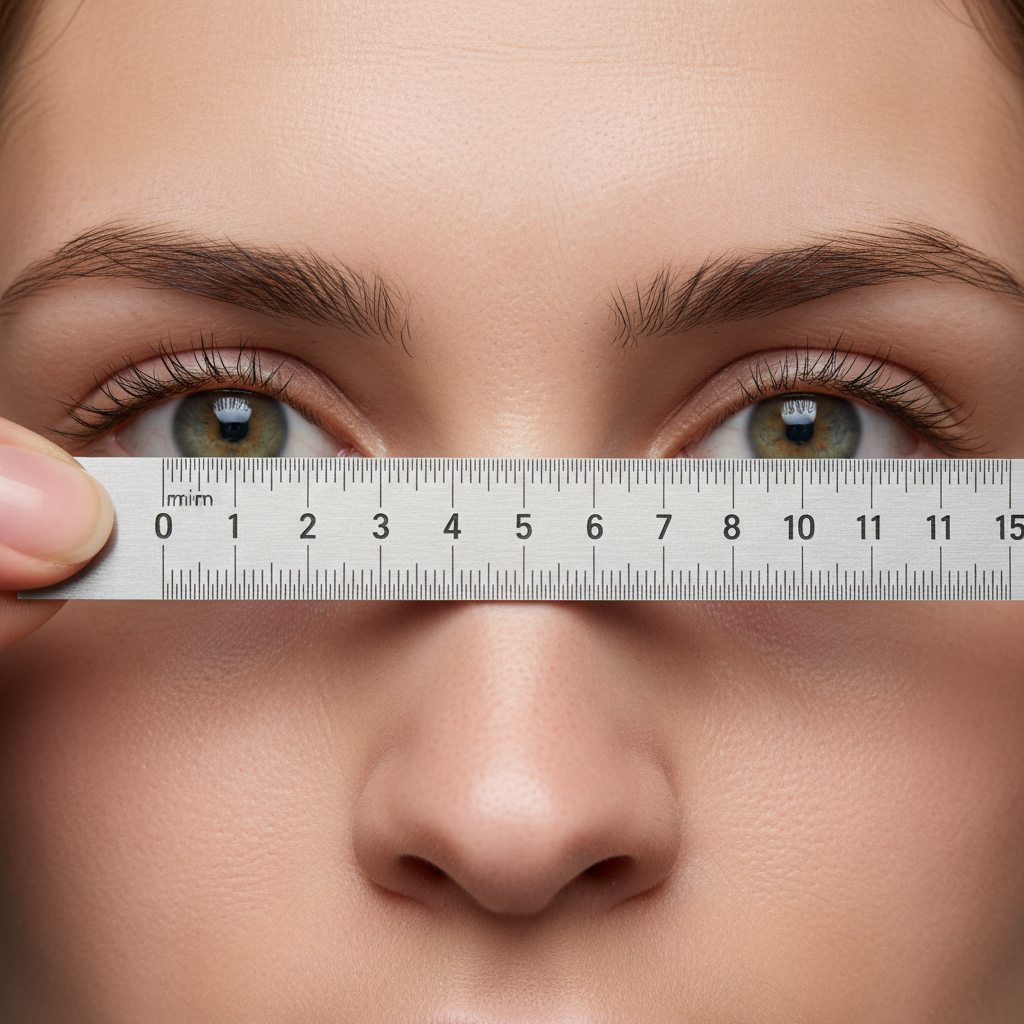
Measuring Pupillary Distance (PD) Accurately
Your PD is the distance in millimeters between the centers of your pupils. While your eye doctor is required by law to give you your prescription, they don't always include the PD. Fortunately, you can measure it at home. For a detailed walkthrough, see our guide on how to measure your PD at home.
Pro Tip: Measure twice using two different methods (e.g., a ruler and a smartphone app) to confirm the number. For low-power prescriptions, a tolerance of ±2 mm is acceptable. However, for moderate-to-high prescriptions with astigmatism, the tolerance should be no more than ±1 mm.
A Checklist for Teen-Proof Frames
Use this table as a quick reference when shopping for your teen's next pair of glasses.
| Feature | Recommendation | Why It Matters |
|---|---|---|
| Frame Material | TR-90 or Injected Nylon | Provides maximum flexibility and impact resistance for active use. |
| Hinges | Spring Hinges | Allows temples to flex, preventing breakage and ensuring a snug, comfortable fit. |
| Temple Length | 130–135 mm (Petite Teen) 135–140 mm (Average Teen) |
Ensures the arms are long enough to sit securely over the ears without slipping. |
| Nose Bridge | Adjustable Nose Pads | Crucial for teens with low or narrow nasal bridges to prevent glasses from sliding down. |
Wrapping Up: Key Takeaways for Parents
The journey to getting your teen to wear their glasses doesn't have to be a fight. By shifting your approach, you can turn it into a positive experience for both of you.
Remember to empower your teen by making them the creative director of their own style. Choose durable, comfortable materials that fit their lifestyle. Use blue light glasses as a specific tool to improve sleep hygiene, not as an unproven fix for eye strain. Finally, take the time to get the fit just right. A comfortable, stylish pair of glasses that your teen has chosen themselves is a pair they will actually wear.
Frequently Asked Questions (FAQ)
My teen says their new glasses give them a headache. What's wrong?
This is almost always a fit or prescription issue. The most common culprits are an inaccurate Pupillary Distance (PD), which misaligns the optical center of the lenses, or frames that are too tight or sit at the wrong angle. Double-check the PD measurement and ensure the frames aren't putting pressure on their temples or nose.
How do I know if the glasses are impact-resistant and safe?
In the United States, all prescription eyeglass lenses must meet specific standards for impact resistance. The U.S. Food and Drug Administration (FDA) mandates that all lenses pass a "drop ball" test to ensure they won't shatter under normal conditions, providing a baseline of safety for everyday wear.
Can my teen wear their blue light glasses all day long?
It is generally not recommended. Blue light from the sun is essential for regulating our natural wakefulness and mood. The scientific consensus is that blue light filtering is most beneficial in the 2-3 hours before bedtime to prevent melatonin suppression and promote better sleep.
Disclaimer: This article is for informational purposes only and does not constitute professional medical advice. Please consult with a qualified optometrist or ophthalmologist for any questions regarding your or your child's eye health.
References
- Cleveland Clinic: Do Blue Light Blocking Glasses Actually Work?
- Harvard Health Publishing: Can blue-light blocking glasses improve your sleep?
- PubMed: Blue-light filtering spectacle lenses: optical and clinical performances
- Mayo Clinic (PMC): Blue-Light Filtering Spectacle Lenses for Visual Performance, Sleep, and Macular Health in Children
- FDA.gov: Impact-Resistant Lenses: Questions and Answers


