





A Step-by-Step Hygiene Routine for Allergy Sufferers
TL;DR: Your Allergy Season Survival Plan
For contact lens wearers with seasonal allergies, comfort and safety hinge on one principle: eliminating irritants. The most effective strategy is switching to daily disposable lenses to ensure a fresh, sterile, allergen-free lens every single day. This guide provides a non-negotiable, step-by-step hygiene routine to prevent pollen and other debris from turning your lenses into a source of misery. The core rules are: wash your hands meticulously, never reuse a daily lens, and know when to give your eyes a break.
Why Allergies and Contact Lenses Clash
During allergy season, the air is thick with pollen, dust, and other microscopic irritants. For a contact lens wearer, this presents a unique challenge. Your lenses can act like tiny sponges, attracting and trapping these allergens directly against the surface of your eye. This constant exposure is what leads to the hallmark symptoms of allergy-related contact lens discomfort: redness, itching, and a persistent gritty feeling.
The Reusable Lens Risk
If you wear bi-weekly or monthly lenses, the risk is compounded. Despite daily cleaning, protein deposits and allergens can accumulate on the lens surface over time, creating a biofilm that becomes increasingly irritating. Even the most diligent cleaning routine can fall short. A study on patient compliance found that a significant number of "problem" patients suffering from dryness and corneal staining saw their symptoms improve after being refitted into daily disposable lenses.
Furthermore, contact lens storage cases are a known weak point in the hygiene chain. They can easily become contaminated with bacteria and fungi, creating a dangerous environment for the lenses you are about to put in your eyes.
The Daily Disposable Solution
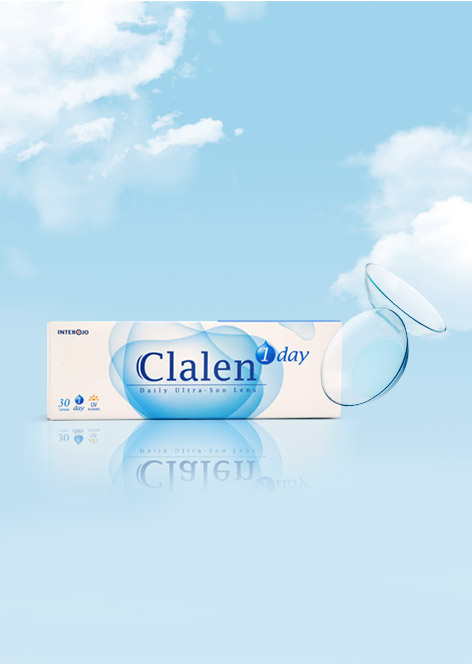
This is why eye care professionals routinely recommend switching to daily disposables during allergy season. The logic is simple and powerful: you start with a brand-new, sterile lens every morning and throw it away at night.
- No Allergen Buildup: A fresh lens has no accumulated history of pollen from the day before.
- No Cleaning Required: You eliminate the risk of irritation from cleaning solutions and the potential for residual chemicals.
- No Contaminated Cases: You bypass the need for a storage case entirely, removing a major source of potential infections.
Starting each day with a fresh pair is the single most effective change you can make to improve comfort and reduce allergy-related symptoms.

The Non-Negotiable Daily Hygiene Checklist
A strict routine is your best defense against irritation and infection. Integrating these steps until they become second nature will fundamentally change your contact lens experience during allergy season.

-
Wash Hands Thoroughly (Every Time): Before you touch your lenses or your eyes, wash your hands for at least 20 seconds with soap and water. This is a critical step that many people rush. The Centers for Disease Control and Prevention (CDC) emphasizes that contact lenses are medical devices and proper hygiene is paramount. After washing, dry your hands with a clean, lint-free towel to avoid transferring fuzz to the lens.
-
Handle Lenses Correctly: Open the fresh blister pack. Instead of pinching the lens, gently slide it up the side of the container with your fingertip. Place it on the tip of your index finger and give it a quick inspection to ensure it's not inside-out and has no nicks or tears.
-
Insert Cleanly: Use your other hand to hold your upper eyelid open to prevent blinking. Look straight ahead or up at the ceiling and place the lens gently on your eye. Release your eyelid slowly and blink a few times to settle the lens.
-
Remove and Dispose: At the end of the day, wash your hands again before removing your lenses. Remove your lenses before you wash your face or remove makeup to avoid splashing products or tap water into your eyes with the lenses still in. Once the lens is out, throw it in the trash. No exceptions.
Expert Warning: Never Reuse a Daily Disposable Lens
A common but dangerous mistake is trying to "save" a daily lens for another day by storing it in its blister pack. The saline solution in the packaging is not a disinfectant. A study on this exact practice found that an alarming 95% of reused daily disposable lenses became contaminated, primarily with Staphylococcus bacteria. Reusing a daily lens is a direct invitation for a serious eye infection.
Surviving High-Pollen Days: Proactive Strategies
Some days are worse than others. When pollen counts are high, you need to adjust your strategy to protect your eyes.
- Reduce Wear Time: On days your allergies are flaring up, listen to your body. A practical rule of thumb is to reduce your lens wear time by 25–50%. If your eyes feel gritty by lunchtime, that's a clear signal to switch to your glasses for the rest of the day.
- Use the Right Drops: If you need to rewet your lenses, only use sterile, preservative-free lubricating drops that are specifically labeled as safe for contact lenses. Preservatives themselves can be an irritant, and the last thing you want is to add more chemicals to an already-stressed eye.
- Know What to Avoid: Certain habits dramatically increase your risk of infection. Committing this short list to memory can save you from a world of pain.
| Action | Why It's Dangerous |
|---|---|
| Rinsing Lenses/Case with Tap Water | Tap water is not sterile and can contain microorganisms like Acanthamoeba. According to the Environmental Protection Agency (EPA), this can cause Acanthamoeba keratitis, a rare but severe, treatment-resistant infection that can lead to permanent vision loss. |
| "Topping Off" Cleaning Solution | Adding new solution to old solution in a lens case dilutes the disinfectant's power, rendering it ineffective and allowing germs to thrive. |
| Sleeping in Contact Lenses | This is one of the highest-risk behaviors. It can increase your risk of ulcerative keratitis by over 8 times. It starves your cornea of oxygen, making it vulnerable to infection. |
| Using Saliva to Wet a Lens | Your mouth is full of bacteria. This is equivalent to putting a contaminated object directly onto your eye. |
When to See Your Eye Doctor: Recognizing Red Flags
While mild irritation can often be managed with the steps above, some symptoms should never be ignored. If you experience any of the following, remove your contact lenses immediately and contact your eye doctor for a same-day evaluation:
- Persistent pain in the eye
- Unusual sensitivity to light (photophobia)
- Sudden or persistent blurred vision
- A visible white spot or sore on the cornea (the clear front part of the eye)
- Excessive redness that doesn't go away
These can be signs of a serious condition like microbial keratitis (a corneal infection) which requires immediate medical attention to prevent lasting damage.
Wrapping Up: A Clear Path to Comfort
Navigating allergy season as a contact lens wearer doesn't have to be a struggle. By embracing a hygiene-first mindset, you can significantly reduce irritation and protect your eye health. The evidence and clinical consensus are clear: switching to daily disposable lenses provides the cleanest, safest, and most comfortable experience.
By pairing this superior lens modality with a strict, non-negotiable hygiene routine—meticulous hand washing, immediate disposal after one use, and avoiding risky shortcuts like tap water—you take control of your eye health and can enjoy the clear vision of contacts without the seasonal suffering.
Frequently Asked Questions (FAQ)
Can I wear my contact lenses while swimming? No. You should never expose your contact lenses to water from a swimming pool, hot tub, lake, or ocean. These water sources contain the same dangerous microorganisms, like Acanthamoeba, found in tap water, and can lead to severe eye infections.
My eyes feel very dry with contacts during allergy season. What can I do? First, ensure you're using preservative-free rewetting drops approved for contact lens wear. Second, reduce your total wear time, especially on high-pollen days. Most importantly, discuss switching to daily disposable lenses with your eye doctor, as studies show this can significantly reduce symptoms of dryness for many wearers.
Why can't I just clean my daily disposable lenses at the end of the day? Daily disposable lenses are not designed or approved by the FDA for reuse. Their material may not withstand cleaning and disinfection, and they have not been tested for the safety of multi-day wear. Attempting to clean and reuse them is a significant risk factor for contamination and serious eye infections.
Disclaimer: This article is for informational purposes only and does not constitute professional medical advice. The information provided is not a substitute for a comprehensive eye exam or a consultation with a qualified eye care professional. Always follow the guidance of your eye doctor regarding contact lens wear, care, and replacement schedules. If you have pre-existing health conditions or experience any pain, vision changes, or signs of infection, seek immediate medical attention.


