








After LASIK: Why Polarized Lenses Are a Must
TL;DR: Your Quick Guide to Post-LASIK Sunglasses
After LASIK, your eyes are incredibly sensitive to light. Surgeons recommend polarized sunglasses because they are specifically designed to eliminate the harsh, blinding glare that standard tinted lenses only dim. This is not just about comfort—it's a critical part of your recovery, protecting the healing cornea and reducing eye strain. For optimal safety, you need sunglasses that offer both 100% UV400 protection and a high-quality polarizing filter. This article will guide you through making the right choice to ensure a smooth and comfortable healing process.
Understanding Your Eyes After LASIK: Why Everything Seems So Bright
If you've just had LASIK, the first thing you likely noticed is a dramatic increase in light sensitivity, a condition known as photophobia. This isn't just in your head; it's a direct physiological response to the procedure. Understanding why this happens is the first step toward effective protection.
The Healing Cornea and Intense Light Sensitivity
LASIK surgery reshapes your cornea to correct your vision. In the days and weeks following the procedure, the surface of the cornea is in a delicate healing state. This healing process can temporarily cause microscopic swelling and surface irregularities. When light enters the eye, these irregularities can cause it to scatter much more than usual, resulting in sensations of glare, halos, and starbursts, especially from bright sources like sunlight, headlights, or reflections off surfaces.
Think of it like looking through a window that has a fine layer of dust on it; the light spreads out, making it difficult to see clearly. This is why a simple sunny day can feel overwhelming for post-LASIK eyes. Your brain interprets this excessive light scatter as intense, uncomfortable brightness.
The Twin Threats: UV Radiation and High-Intensity Glare
During recovery, your eyes face two distinct environmental threats that require different types of protection:
-
UV Radiation: Ultraviolet (UV) rays are invisible, high-energy light from the sun. This radiation is a known risk factor for numerous eye conditions. As research from the National Eye Institute (NEI) shows, UV light can trigger a chemical process called glycation within the eye's lens, leading to the hardening and yellowing that becomes a cataract. Furthermore, experts at the MD Anderson Cancer Center warn that up to 90% of cancers on or around the eyelid are linked to sun exposure. Every person, regardless of surgery, needs lenses that block 100% of UVA and UVB rays (labeled as "UV400").
-
Visible Light Glare: Glare is different. It’s caused by an excessive amount of visible light, often concentrated and reflected horizontally from flat surfaces like a wet road, a body of water, or the hood of a car. While a standard dark lens can dim this light, it doesn’t stop the disorienting, blinding quality of the glare itself. For a healing eye, this intense glare is the primary source of discomfort and visual strain.
Protecting your eyes after LASIK means managing both of these threats. While UV protection is a baseline necessity for long-term health, tackling glare is the key to your immediate comfort and visual clarity during recovery.
The Polarized Difference: More Than Just a Dark Lens
Many people assume that all dark sunglasses are the same, but that’s a critical misunderstanding. The technology in polarized lenses offers a unique function that is perfectly suited for the challenges of post-LASIK light sensitivity.
How Polarization Works: A Filter for Glare
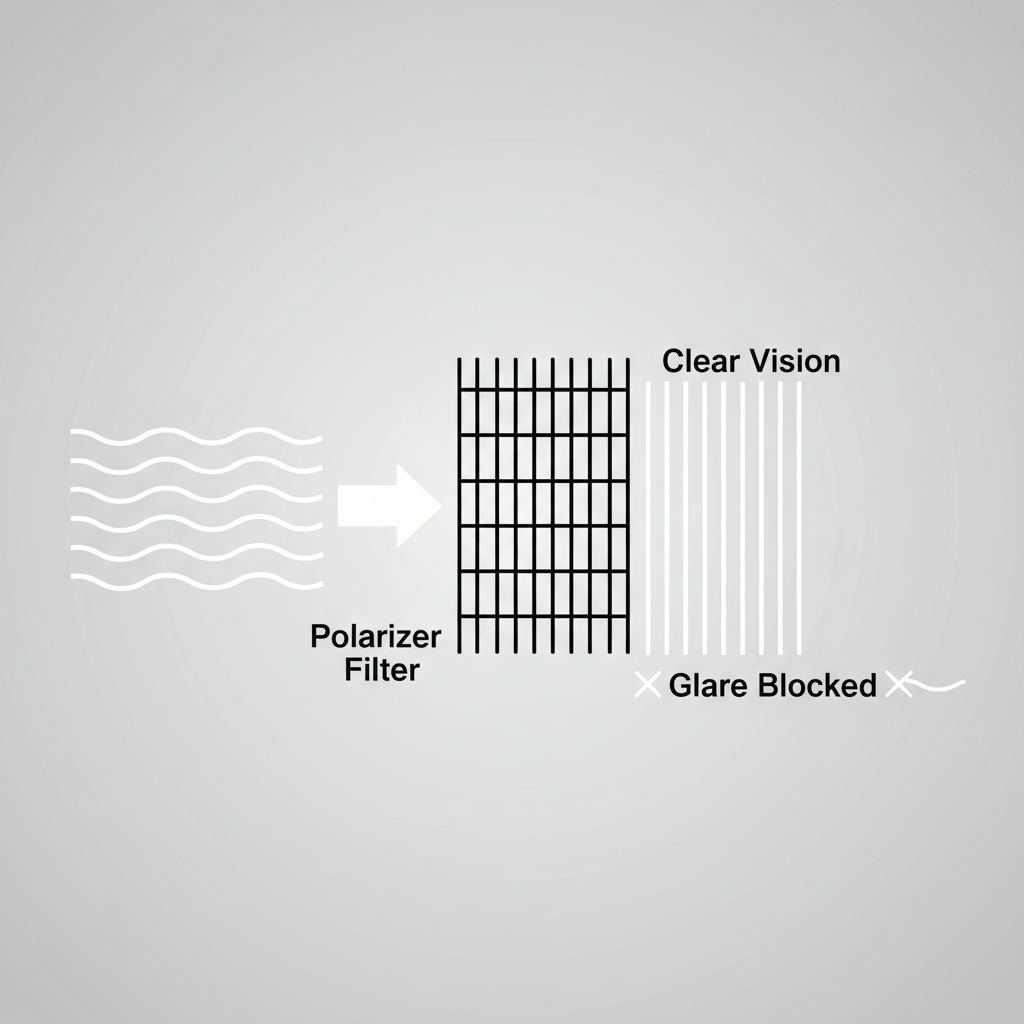
To understand polarization, it helps to use an analogy. As explained by resources like Science News Explores, you can think of a polarized filter as a microscopic picket fence. Sunlight travels in waves that vibrate in all directions. When it reflects off a flat surface, the light becomes concentrated and travels horizontally. This is what we perceive as glare.
The polarizing filter on your sunglasses is like a series of vertical slats. It allows the useful vertical light waves to pass through (which let you see detail, color, and contrast), but it physically blocks the concentrated horizontal light waves of glare. The result is a much clearer, more comfortable, and less washed-out view, even in intensely bright conditions.
Myth Debunked: "Polarized" and "UV Protection" Are Not the Same
A common and dangerous misconception is that polarization and UV protection are interchangeable. They are entirely separate features:
- UV Protection comes from a special, usually clear, chemical coating or inherent property of the lens material that absorbs UV radiation.
- Polarization is a film or filter laminated into or onto the lens that blocks horizontal light waves (glare).
You can have a lens that is polarized but offers zero UV protection. This is the worst-case scenario. As a PubMed study on sunglass standards highlights, wearing dark lenses without UV protection is more dangerous than wearing no sunglasses at all. The dark tint causes your pupils to dilate, which opens the door for even more damaging UV radiation to enter the eye. Always ensure your sunglasses are labeled with both "Polarized" and "100% UV" or "UV400."
A Surgeon's Guide to Post-LASIK Sunglasses
Clinicians don't recommend high-quality sunglasses just for comfort; they are an integral part of your aftercare protocol. Making an informed choice based on professional advice can significantly impact the quality and speed of your recovery.
Immediate Post-Op: Protection from Day One
There’s a reason your surgeon will likely advise you to wear sunglasses immediately after the procedure, even indoors at first. The primary goal is to drastically reduce photophobia. By cutting glare and dimming intense light, you minimize squinting and eye strain, which allows your corneal flap to heal without unnecessary pressure or disturbance. Sunglasses also serve as a physical shield, protecting your vulnerable eyes from wind, dust, and debris during the critical first few days.
Checklist: Selecting Your Post-LASIK Sunglasses
Use this checklist to ensure you are buying sunglasses that meet clinical standards for post-operative care. This isn't the time to compromise on quality.
| Feature | Recommendation | Why It Matters |
|---|---|---|
| UV Protection | UV400 / 100% UVA & UVB | This is non-negotiable. It protects your eyes from long-term damage like cataracts and macular degeneration. |
| Polarization | Verified Polarized Filter | This is the key to eliminating the intense, painful glare your healing eyes are most sensitive to, providing immediate comfort. |
| Lens Material | Polycarbonate or Trivex | As recommended by the American Optometric Association for safety eyewear, these materials are highly impact-resistant, protecting your eyes from accidental pokes or bumps. |
| Frame Coverage | Wraparound or Large Style | A crucial study using 3D models found that standard frames allow significant UV light to leak in from the sides and top. Wraparound styles provide near-total protection. |
| Visible Light (VLT) | 15-30% Transmission | This is a standard range for general daytime use. Your surgeon may advise a slightly lighter tint (~30-50% VLT) for variable conditions in early recovery to help with contrast. |
| Optical Quality | Distortion-Free | Look for high-quality lenses. A simple home test suggested by the American Academy of Ophthalmology is to look at a tiled floor; the lines should remain straight as you move your head. |
The "Gotcha" Moment: Polarized Lenses and Digital Screens
One piece of practical advice I always give patients is to be aware of how polarized lenses interact with certain digital displays. Because these screens also use polarizing filters, looking at a smartphone, a gas pump display, or your car's dashboard might reveal strange dark spots or make the screen unreadable.
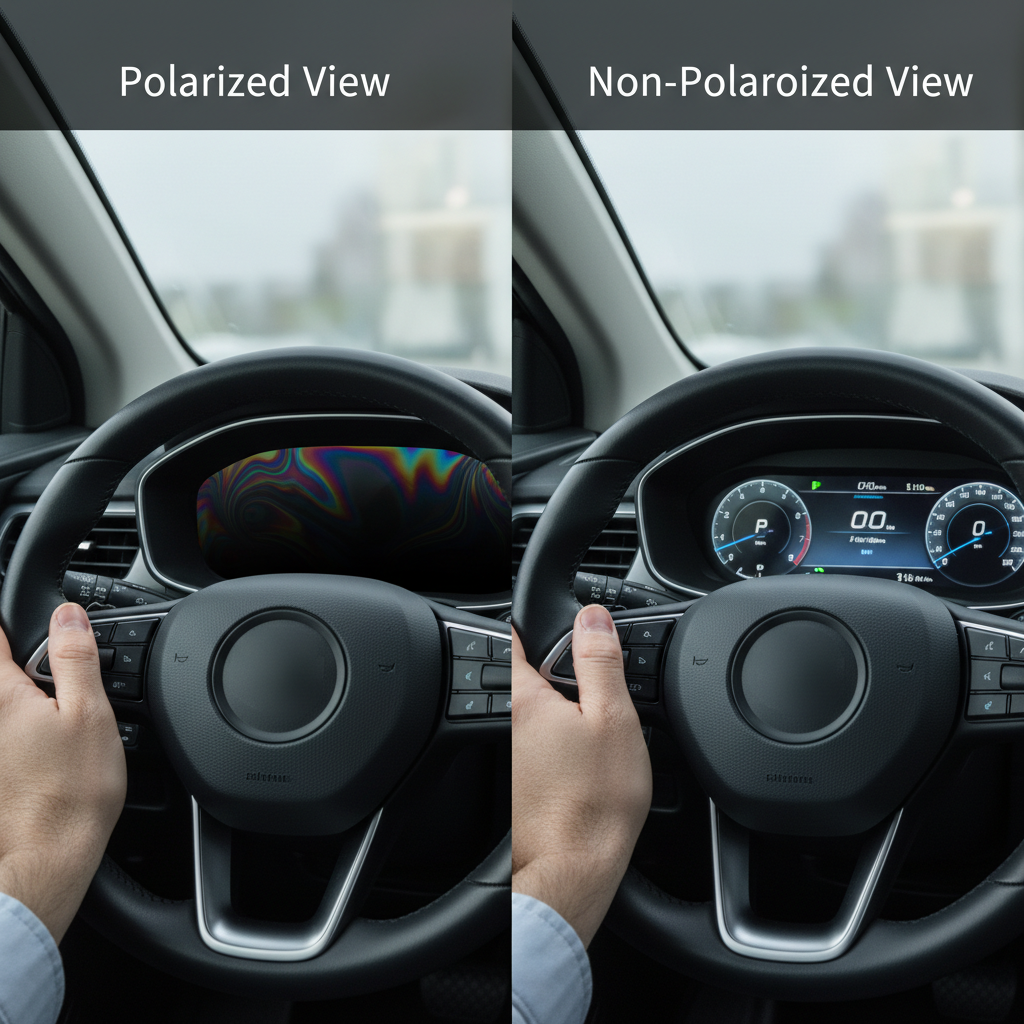
As Harvard Health Publishing explains, this is a known limitation of the technology. It’s not a defect, but something to be prepared for. You might need to tilt your head or briefly remove your sunglasses to view these screens clearly. This is particularly important for drivers and pilots, who are often advised against using polarized lenses to ensure they can always see their instrument panels. For more on this, our guide on UV protection sunglasses for driving offers more specific advice.
Long-Term Habits for Healthy Vision
Your diligence during recovery can set the foundation for a lifetime of healthy vision. The protective habits you build now should become second nature.
Continuing to wear high-quality, UV-blocking sunglasses is essential. UV damage is cumulative over a lifetime. By making sunglasses a permanent part of your routine, you are actively reducing your risk of developing cataracts, macular degeneration, and other serious eye conditions in the future.
Consider building an "eyewear wardrobe." This means having the right tool for the right job. Your post-LASIK polarized sunglasses are perfect for driving and bright outdoor activities. You might also consider a pair of non-polarized sunglasses for situations where you need to view screens, or a pair of wraparound sunglasses for high-prescription wearers to ensure maximum coverage during sports.
Key Takeaways
Choosing the right sunglasses after LASIK is a medical decision, not just a fashion choice. Your healing eyes require a higher standard of care to manage extreme light sensitivity and protect against environmental threats.
- Prioritize Glare Reduction: Your primary source of discomfort will be glare, and only polarized lenses are specifically designed to eliminate it.
- Insist on Double Protection: Never compromise. Your sunglasses must have both a polarizing filter and a UV400 rating to be safe.
- Choose Safety-First Materials: Impact-resistant materials like polycarbonate or Trivex, paired with a large or wraparound frame, provide a physical shield for your recovering eyes.
- Be Aware of Limitations: Understand that polarized lenses can interfere with LCD screens and plan accordingly.
By following these guidelines, you can provide your eyes with the optimal environment for a fast, comfortable recovery and safeguard your new, clearer vision for years to come.
Frequently Asked Questions (FAQ)
1. How soon after LASIK should I start wearing sunglasses? You should wear them immediately. Your clinic will likely provide a temporary pair to wear home. It’s wise to have your own high-quality pair ready for the following day.
2. Are more expensive polarized sunglasses better? Not necessarily. Price doesn't always correlate with quality. The most important factors are the verified labels: "100% UV Protection" or "UV400" and "Polarized." A budget-friendly pair that meets these criteria is far better than an expensive fashion brand that doesn't. However, higher-end lenses may offer better optical clarity and more durable coatings.
3. Can I just wear my old sunglasses after LASIK? If your old sunglasses meet all the criteria in the checklist (UV400, polarization, good coverage, impact-resistant), then yes. However, many people discover their old pairs are scratched or lack adequate polarization, making an upgrade a smart investment in their recovery.
4. What is the difference between polarized and photochromic (transition) lenses? Photochromic lenses automatically darken when exposed to UV light. They provide excellent UV protection but most do not include a polarizing filter, so they won't cut glare as effectively. Polarized lenses have a fixed tint and a built-in glare filter, making them superior for managing post-LASIK light sensitivity.
Disclaimer: This article is for informational purposes only and does not constitute professional medical advice. The information provided should not be used for diagnosing or treating a health problem or disease. Always seek the advice of your ophthalmologist or other qualified health provider with any questions you may have regarding a medical condition. Never disregard professional medical advice or delay in seeking it because of something you have read in this article.
References
- National Eye Institute (NEI): New research sheds light on how UV rays may contribute to cataract
- MD Anderson Cancer Center: 9 things to know about sunglasses, eye protection and cancer
- Science News Explores: Here’s the difference between polarized and UV-blocking sunglasses
- PubMed: Sunglasses and sunglass standards
- American Optometric Association (AOA): UV Protection
- PMC: Ocular UV-Radiation Exposure in a 3D-Mannequin-Head
- American Academy of Ophthalmology (AAO): How to Choose the Best Sunglasses
- Harvard Health Publishing: Polarized sunglasses: Protecting your eyes from harmful glare


