







Lens Materials That Offer Better Allergy Relief
TL;DR: Your Best Defense Against Contact Lens Allergies
For those who suffer from seasonal allergies, contact lenses can feel like tiny sponges for pollen and dust, leading to itching, redness, and blurry vision. The most effective strategy for relief involves a two-part approach: choosing a lens made from an advanced, deposit-resistant material (like Silicone Hydrogel) and using a daily disposable lens. A fresh, sterile lens every morning gives allergens no time to build up, providing consistent comfort that cleaning solutions on reusable lenses often can't match.
Itchy, watery, red, and irritated eyes are the hallmarks of allergy season. For the millions who wear contact lenses, these symptoms can escalate from annoying to unbearable. Your lenses, which should provide clear vision, suddenly feel like foreign objects, fogging up and fueling the very irritation you’re trying to escape. Many people blame their own sensitivity, but I often find the real culprit is the lens itself—specifically, the material it’s made from and how often it’s replaced.
Understanding the technology behind contact lenses is the first step toward finding relief. The material of your contact lens plays a massive role in your daily comfort, especially when your eyes are already under siege from allergens. Let's explore how certain modern materials are engineered to resist deposits and offer a smoother, clearer experience for even the most sensitive eyes.
Why Allergies Wreak Havoc on Your Contact Lenses
Before we get to the solution, it’s crucial to understand the problem. A contact lens sits directly on your tear film, which is where allergens like pollen, pet dander, and dust first land. This unique position creates a perfect storm for irritation.
The "Sponge" Effect: How Lenses Trap Irritants
Contact lenses, by their nature, are porous. Older materials, in particular, can act like microscopic sponges, absorbing not only moisture but also everything floating in your tears. This includes allergens, as well as the natural proteins and lipids (fats) your eyes produce. When these substances stick to the lens surface, they create what we call "deposits."
These deposits do two things: they physically irritate the delicate surface of your cornea and the inside of your eyelid with every blink, and they can trigger a further inflammatory response from your immune system. In my practice, I’ve seen countless patients whose "allergy" symptoms dramatically improve within 24 to 72 hours of switching their lens type, simply because we’ve eliminated this constant source of buildup. A lens that resists deposits is the first line of defense.

The Oxygen Problem: A Stressed Eye is an Irritable Eye
Your cornea—the clear front surface of your eye—has no blood vessels and gets most of its oxygen directly from the air. A contact lens sits on top of it, acting as a partial barrier. The measure of how much oxygen passes through a lens is called oxygen transmissibility, or Dk/t.
When the cornea is deprived of adequate oxygen (a state called hypoxia), it becomes stressed. This can lead to redness, swelling, and an increased vulnerability to inflammation and infection. During allergy season, an already-stressed eye will react far more severely to the presence of allergens. It’s like trying to fight a battle when your defenses are already down. Therefore, ensuring your cornea gets plenty of oxygen is a non-negotiable part of managing allergy-related contact lens discomfort.
The Material Solution: Silicone Hydrogel vs. Hydrogel
Contact lenses are not all made from the same material. The two most common types of soft lenses are traditional hydrogels and modern silicone hydrogels. For allergy sufferers, the difference between them is night and day.
| Feature | Traditional Hydrogel | Modern Silicone Hydrogel (with Surface Treatment) |
|---|---|---|
| Oxygen Flow (Dk/t) | Lower (Oxygen is carried by water) | Up to 5-7x Higher (Oxygen passes directly through silicone) |
| Allergy Impact | Can worsen symptoms due to deposit buildup and low oxygen. | Significantly reduces irritation by maximizing oxygen and resisting deposits. |
| Deposit Resistance | More prone to protein deposits as they dehydrate. | Excellent lipid and protein resistance due to advanced surface coatings. |
| End-of-Day Comfort | Comfort can drop as the lens dehydrates and collects deposits. | Maintains better surface moisture and comfort throughout the day. |
| Best For | Lower-demand situations, shorter wear times. | Sensitive eyes, allergy season, long workdays, and digital screen use. |
The Old Guard: Traditional Hydrogel Lenses
For decades, soft contacts were made from "hydrogel" polymers—water-loving plastics. Their ability to deliver oxygen was directly tied to how much water they contained. While they can feel comfortable at first, they have a significant drawback for allergy sufferers: as the day wears on, they begin to dehydrate, drawing moisture from your tear film. A dehydrated lens not only becomes less comfortable but also a magnet for protein deposits, exacerbating allergy symptoms.
The Modern Standard: Silicone Hydrogel (SiHy)
Silicone hydrogel (SiHy) lenses revolutionized the industry by solving the oxygen problem. They incorporate silicone, a material that is incredibly permeable to oxygen on its own, without relying on water. As a result, SiHy lenses can transmit many times more oxygen to the cornea than traditional hydrogels, drastically reducing the risk of hypoxia-related issues. According to a review in the journal Cureus, this reduction in hypoxia-induced changes is critical for maintaining long-term eye health.
However, silicone is naturally hydrophobic (water-repelling). Early SiHy lenses sometimes had issues with comfort and lipid deposits. This led to the development of sophisticated, permanent surface treatments that make the lens ultra-smooth, moist, and highly resistant to buildup—the perfect combination for allergy sufferers.
The Ultimate Allergy Hack: A Fresh Lens Every Day
Even with the best material, a lens that’s worn for two weeks or a month is fighting a losing battle against deposits during allergy season. This brings us to the single most impactful change you can make: replacement frequency.
Myth Debunked: "A Better Cleaning Solution Will Fix It"
A common misconception is that you can conquer allergy-season deposits by simply being more diligent with your cleaning solution. While proper cleaning is essential for reusable lenses, it has its limits. Many multipurpose solutions are not effective at removing all baked-on proteins and lipids. As a practitioner, I know that some stubborn deposits require separate enzymatic cleaners, adding cost and complexity to your routine. Furthermore, the Centers for Disease Control and Prevention (CDC) notes that a majority of lens wearers do not follow proper hygiene protocols, increasing their risk of complications.
The Power of Daily Disposables
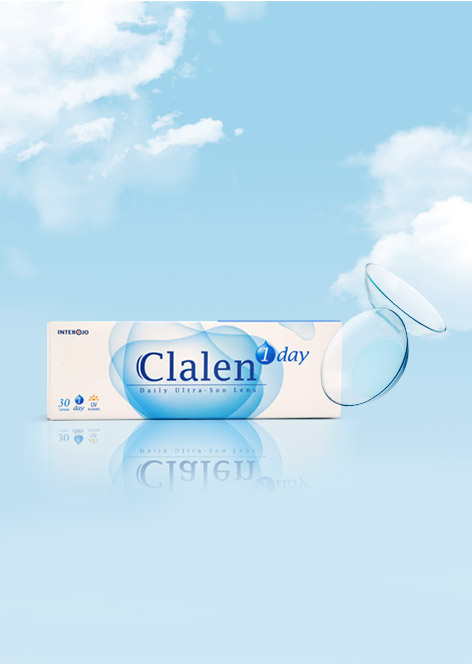
Daily disposable lenses are the ultimate solution because they completely sidestep the problem of deposits. By starting with a new, sterile, perfectly clean lens every single morning, you give allergens and proteins zero opportunity to accumulate. There is no cleaning, no cases, and no buildup—just a fresh, comfortable experience every day.
This isn't just a theory; it's proven in practice. A study published in Optometry and Vision Science that refitted "problem" patients from reusable lenses to daily disposables found significant reductions in symptoms of dryness and corneal staining. For allergy sufferers, the benefit is often immediate and profound.

Making the Right Choice: A Practical Guide
Switching to a daily disposable silicone hydrogel lens can be a game-changer. Here’s how to approach the conversation with your eye care professional.
Who Benefits Most?
- Seasonal Allergy Sufferers: If you only struggle during spring or fall, dailies are perfect. You can wear them during peak season and switch back to glasses or another modality afterward.
- People with Sensitive or Dry Eyes: A fresh, highly breathable, and moist lens surface every day minimizes a major source of chronic irritation.
- Occasional & Part-Time Wearers: For those who wear contacts for sports, weekends, or social events, dailies are far more convenient and often more economical than buying solutions for lenses you rarely use.
Your Checklist for Your Eye Exam
Your eye doctor is your partner in finding the right lens. To make the most of your appointment, go in prepared to ask the right questions:
- Could my allergy symptoms be related to contact lens deposits?
- Am I a good candidate to trial a daily disposable lens?
- Based on my eye shape and needs, can we try a silicone hydrogel daily disposable to maximize oxygen and comfort?
- What are the most modern lens options with advanced, deposit-resistant surface treatments?
Remember, you have a right to your prescription. The FTC's Eyeglass Rule ensures that your eye doctor must give you a copy of your prescription, allowing you to purchase your lenses from the retailer of your choice.
Wrapping Up: A Breath of Fresh Air for Your Eyes
Navigating allergy season as a contact lens wearer doesn't have to be a miserable experience. The solution lies in tackling the root causes of irritation: allergen buildup and a lack of oxygen. By choosing a modern silicone hydrogel material with a protective surface treatment, you select a lens engineered to stay clean and comfortable.
More importantly, by embracing a daily disposable replacement schedule, you ensure that your eyes get a fresh start every single day. This simple change is often the single most effective strategy for achieving clear, comfortable vision, allowing you to enjoy the season instead of enduring it.
Frequently Asked Questions (FAQ)
Q: Are daily disposables much more expensive than monthly lenses?
A: While the per-lens cost is higher, the total cost is more comparable than you might think. Daily disposables eliminate the need to buy contact lens solution and storage cases. For those who don't wear their lenses every single day, they are often the more economical choice, as you only pay for what you use.
Q: I have a prescription for monthly lenses. Can I just buy dailies in the same power?
A: No. A prescription is brand- and type-specific. Different lenses have unique sizes, curvatures, and material properties that affect how they fit your eye. You must be properly fitted by an eye care professional who can write a new prescription specifically for a daily disposable lens to ensure it's safe and healthy for your eyes.
Q: Do I still need sunglasses if my contact lenses have UV protection?
A: Yes, absolutely. While some contact lenses offer UV protection, they only cover the cornea. They do not protect the sclera (the white of your eye) or the delicate skin of your eyelids and surrounding area, which are vulnerable to sun damage. As I explain in my guide on why contact lens wearers still need UV sunglasses, a good pair of sunglasses is crucial for complete protection.
Q: I tried silicone hydrogel lenses years ago and found them stiff. Have they improved?
A: Yes, immensely. First-generation SiHy lenses had a higher "modulus," meaning they were less flexible. Today’s advanced SiHy lenses are significantly softer, more flexible, and feature superior surface technologies that keep them moist and comfortable all day long.
Disclaimer: This article is for informational purposes only and does not constitute professional medical advice. The information provided should not be used for diagnosing or treating a health problem or disease. Always seek the advice of your eye care professional or other qualified health provider with any questions you may have regarding a medical condition. Never disregard professional medical advice or delay in seeking it because of something you have read in this article.


