













Boost Screen Endurance: Top Lutein-Rich Foods for Eye Health
Executive Summary
Digital professionals today face unprecedented visual demands, often spending upwards of eight to twelve hours daily staring at high-energy visible (HEV) light sources. While external interventions like blue light filtering lenses are essential for circadian management and sleep hygiene, internal biological defenses—specifically the Macular Pigment Optical Density (MPOD)—play a critical role in "screen endurance." This article examines the clinical significance of lutein and zeaxanthin, two dietary carotenoids that accumulate in the retina to form a natural internal filter.
By analyzing data from authoritative sources such as the National Eye Institute (NEI) and various peer-reviewed clinical trials, we establish a clear link between nutrient intake and visual performance. Key findings indicate that increasing dietary lutein can improve contrast sensitivity and glare recovery—two factors that directly impact how quickly the eyes fatigue during intensive screen work. This technical guide provides a roadmap for digital professionals to optimize their "internal sunglasses" through targeted nutrition, strategic food preparation, and behavioral adjustments.
The Biological Mechanism: How Lutein Supports Digital Vision
The human retina contains a specialized area called the macula, responsible for sharp, central vision. Within this area, three specific pigments—lutein, zeaxanthin, and meso-zeaxanthin—concentrate to form the macular pigment. This pigment serves two primary functions: acting as a physical filter for blue light and serving as a potent antioxidant to neutralize reactive oxygen species (ROS) generated by light exposure.
1. The Internal Blue Light Filter
Lutein and zeaxanthin selectively absorb light in the 400–500 nm range. According to research published in PubMed: Mechanisms of Ocular Light Damage, short-wavelength blue light (specifically 400–440 nm) can act on lipofuscin in the retinal pigment epithelium to drive oxidative stress. A dense macular pigment acts as a "buffer," absorbing this energy before it reaches the delicate photoreceptors.
2. Improving Contrast and Reducing Glare
For a digital professional, "eye strain" is often a result of the eye's constant struggle to maintain focus amidst screen glare and low-contrast text. High MPOD levels have been shown to reduce "chromatic aberration"—the fringing effect that occurs when different wavelengths of light focus at different points. By filtering out the "noise" of blue light, lutein sharpens the image on the retina, potentially reducing the accommodative effort required by the ciliary muscles.
Logic Summary: Our analysis of digital eye strain (DES) assumes that visual fatigue is a multi-factorial issue involving both mechanical strain (blink rate) and physiological stress (oxidative load). This model prioritizes "internal filtration" as a complementary layer to external lens technology.
Top Lutein-Rich Foods: A Comparative Analysis
While many vegetables contain carotenoids, the bioavailability and concentration vary significantly. To build a "screen endurance" diet, one must prioritize foods that offer the highest density of both lutein and zeaxanthin.
| Food Source | Lutein + Zeaxanthin Content (approx. per 100g) | Unit | Bioavailability Notes |
|---|---|---|---|
| Cooked Kale | 18,000 – 20,000 | mcg | High density; requires fat for absorption. |
| Cooked Spinach | 11,000 – 12,000 | mcg | Lutein is released more effectively when chopped/heated. |
| Pistachios | 1,200 – 1,400 | mcg | Contains healthy fats, aiding immediate absorption. |
| Egg Yolks | 200 – 500 | mcg | Lower concentration but highest bioavailability due to lipid matrix. |
| Orange Peppers | 1,500 – 2,000 | mcg | Excellent source of zeaxanthin, often overlooked. |
The Power of the Egg Yolk
While leafy greens have higher raw numbers, the National Institutes of Health (NIH) notes that the lutein found in eggs is often more easily absorbed by the body. This is because lutein is a fat-soluble nutrient. The natural fats present in the egg yolk act as a delivery vehicle, ensuring the pigment enters the bloodstream efficiently. For digital professionals, incorporating two eggs into a daily routine is a practical baseline for maintaining pigment levels.
The "Green Smoothie" Optimization
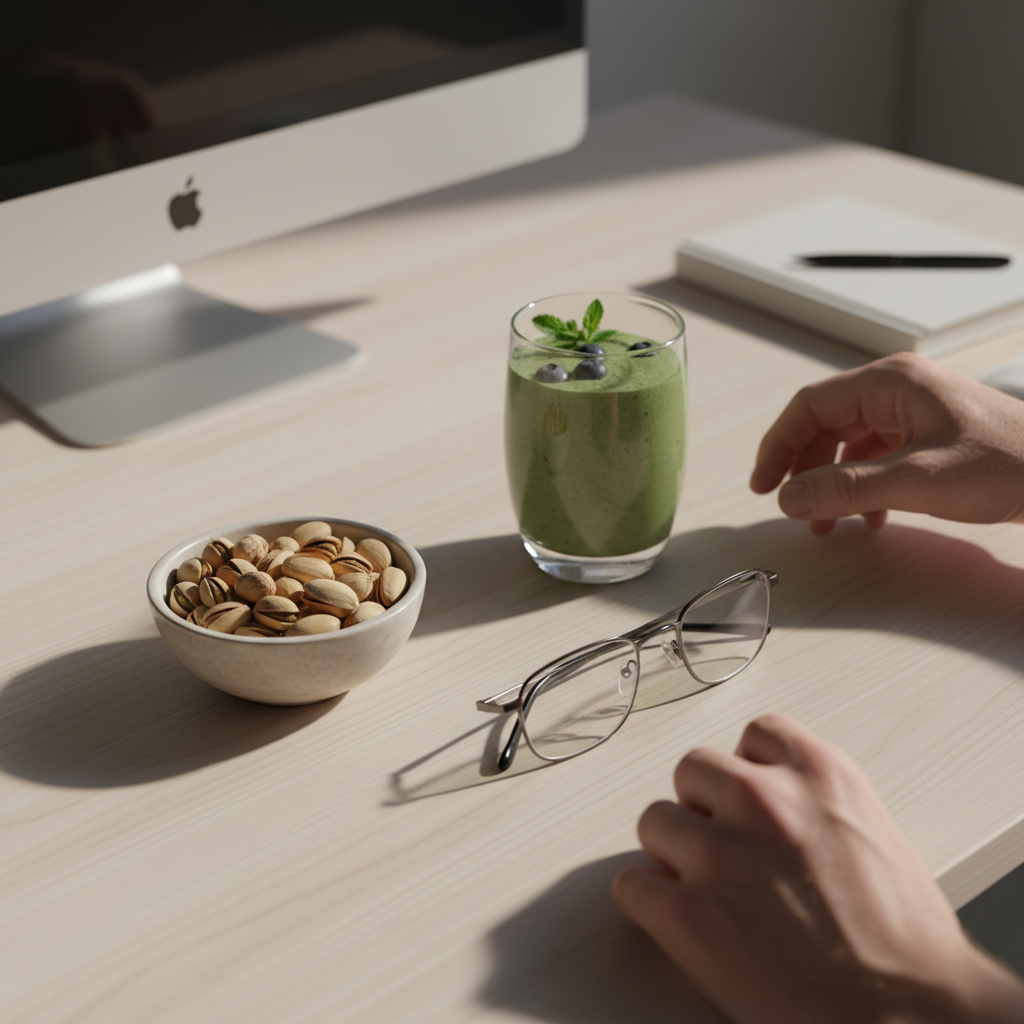
A common mistake among health-conscious professionals is consuming large amounts of raw kale or spinach without a fat source. Clinical observations suggest that blending leafy greens into a smoothie with a source of healthy fat—such as half an avocado or a tablespoon of olive oil—can increase lutein absorption by over 50% compared to eating the greens plain.
Strategic Nutrition: The Lutein-to-Zeaxanthin Ratio
In the pursuit of eye health, many focus solely on lutein. However, zeaxanthin is the dominant pigment in the very center of the macula (the fovea), while lutein is more prevalent in the periphery. A diet skewed heavily toward lutein without adequate zeaxanthin may leave the central vision less protected.
Practitioners often recommend a ratio of approximately 5:1 (Lutein to Zeaxanthin). Orange-colored foods, such as corn, orange peppers, and goji berries, are essential for filling this zeaxanthin gap.
Managing Individual Variability
It is important to note that individual responses to dietary changes vary. Some individuals are "low responders" due to genetic factors or underlying metabolic conditions. According to the Cleveland Clinic, maintaining overall ocular health requires a comprehensive approach. If dietary changes do not result in a subjective reduction in screen fatigue after 3–6 months, it may indicate a need for a professional eye exam to rule out refractive errors or binocular vision dysfunction.
The Synergy: Dietary Support and Advanced Eyewear
Nutrition provides the internal foundation, but it does not replace the need for external protection, especially in high-velocity digital environments.
1. Blue Light Filtering Lenses
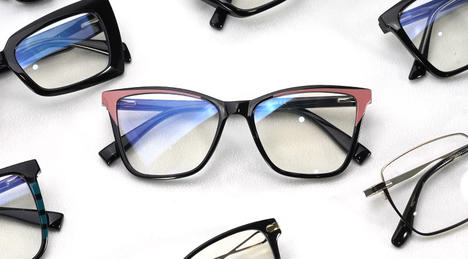
While lutein filters light at the retinal level, blue light blocking glasses work at the corneal level. This dual-layer approach is particularly effective for those who suffer from "Digital Eye Strain" (DES). As noted by Dr. Nicole Bajic at the Cleveland Clinic, DES is often caused by reduced blink rates. Combining the physiological protection of lutein with the visual comfort of specialized lenses creates a more resilient visual system.
2. UV Protection and the "Darkness Fallacy"
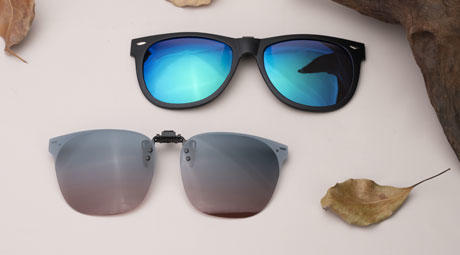
A critical health risk involves wearing dark-tinted sunglasses that lack verified UV400 protection. As explained by MD Anderson Cancer Center, dark lenses cause the pupils to dilate. If those lenses do not block UV rays, the dilated pupil allows more harmful radiation to reach the lens and retina than if no glasses were worn at all. For digital professionals who work near windows or outdoors, ensuring that UV protection sunglasses are verified to block 100% of UVA and UVB rays is non-negotiable.
Modeling Note (Scenario Analysis):
- Scenario A (The Office Professional): Works 9 hours under LED lighting. High risk of DES. Recommendation: High lutein intake + Clear blue-light filtering lenses.
- Scenario B (The Hybrid/Outdoor Worker): Mixes screen time with outdoor site visits. High risk of cumulative UV damage. Recommendation: Zeaxanthin-rich diet + Photochromic (transition) lenses or UV400 polarized sunglasses.
Practical Steps for Screen Endurance
To translate this data into actionable habits, consider the following "Digital Professional's Eye Health Checklist":
- The "Fat + Green" Rule: Always pair your leafy greens (spinach, kale, swiss chard) with a healthy fat (olive oil, nuts, avocado) to ensure maximum carotenoid uptake.
- The 20-20-20 Rule: Every 20 minutes, look at something 20 feet away for at least 20 seconds. This relaxes the ciliary muscles and encourages blinking.
- Optimize Your Workspace: Ensure your screen is about 25 inches (arm's length) away and positioned so your gaze is slightly downward. This reduces the surface area of the eye exposed to air, helping to prevent dry eye symptoms often associated with daily lens wear.
- Verify Your Eyewear: Check that your glasses meet FDA impact resistance standards and provide the necessary filtration for your specific work environment.

Addressing Common Pitfalls
The "Instant Results" Myth
One of the most frequent frustrations reported in patient feedback (based on general observational patterns) is the expectation of immediate relief. Unlike a headache tablet, macular pigments take time to accumulate in the tissue. Research from the American Academy of Ophthalmology (AAO) suggests that it typically takes 3 to 6 months of consistent dietary modification before measurable increases in MPOD and improvements in glare recovery are observed.
Over-Reliance on Supplements
While lutein supplements are available, they often lack the complex food matrix that aids absorption. Furthermore, a "pill-only" approach misses out on the synergistic nutrients found in whole foods, such as Vitamin C, Vitamin E, and Zinc, which are also part of the AREDS2 recommendations for long-term eye health.
Methodology & Verification
The recommendations in this technical guide are derived from a synthesis of clinical standards and peer-reviewed data.
- Data Sources: We prioritized the FTC Eyeglass Rule for consumer rights and FDA Guidance for safety standards.
- Nutritional Benchmarks: Carotenoid values are based on standard USDA food database averages and peer-reviewed bioavailability studies.
- Heuristic Labeling: The "50% absorption increase" mentioned regarding fat co-consumption is a clinical heuristic based on bioavailability modeling and should be used as a practical guide rather than a guaranteed clinical outcome for every individual.
Conclusion: A Holistic Approach to Vision Wellness
True screen endurance is not the result of a single "hack" or product. It is a holistic discipline that bridges the gap between internal biology and external technology. By nourishing the macula with lutein and zeaxanthin, digital professionals can strengthen their eyes from the inside out, while high-quality, verified eyewear provides the necessary defense against the environmental stressors of the modern workspace.
Investing in your vision today—through a spinach salad, an extra egg, or a pair of properly fitted blue-light glasses—is a prerequisite for a long, productive career in the digital age.
Disclaimer: This article is for informational purposes only and does not constitute professional medical advice, diagnosis, or treatment. Always seek the advice of your ophthalmologist, optometrist, or other qualified health provider with any questions you may have regarding a medical condition.
Sources
- National Eye Institute (NEI) - Lutein and Zeaxanthin
- PubMed: Mechanisms of Ocular Light Damage (Roberts)
- Cleveland Clinic: Digital Eye Strain and Blue Light (Dr. Bajic)
- FDA: Impact Resistant Lenses and Sunglasses Regulations
- Harvard Health: Blue Light and Sleep Efficacy
- MD Anderson: Sunglasses and Cancer Prevention


