












When Can I Wear Makeup and Contact Lenses After LASIK?
TL;DR: Your Post-LASIK Beauty Timeline
- First 24-48 Hours: No-fly zone. Nothing but prescribed drops should go near your eyes.
- Eye Makeup: Wait at least 1 week before applying any eye makeup. Most surgeons recommend a conservative 2-week wait. Avoid the waterline and glittery products initially.
- Face Makeup: You can typically resume using foundation, concealer, and powder after 2-3 days, as long as you apply it carefully and well away from the eyes.
- Contact Lenses: Wait a minimum of 1-3 months after LASIK. Your cornea needs to fully heal and stabilize before a new, professional fitting can be done.
The First 48 Hours: Protecting the Delicate Healing Process
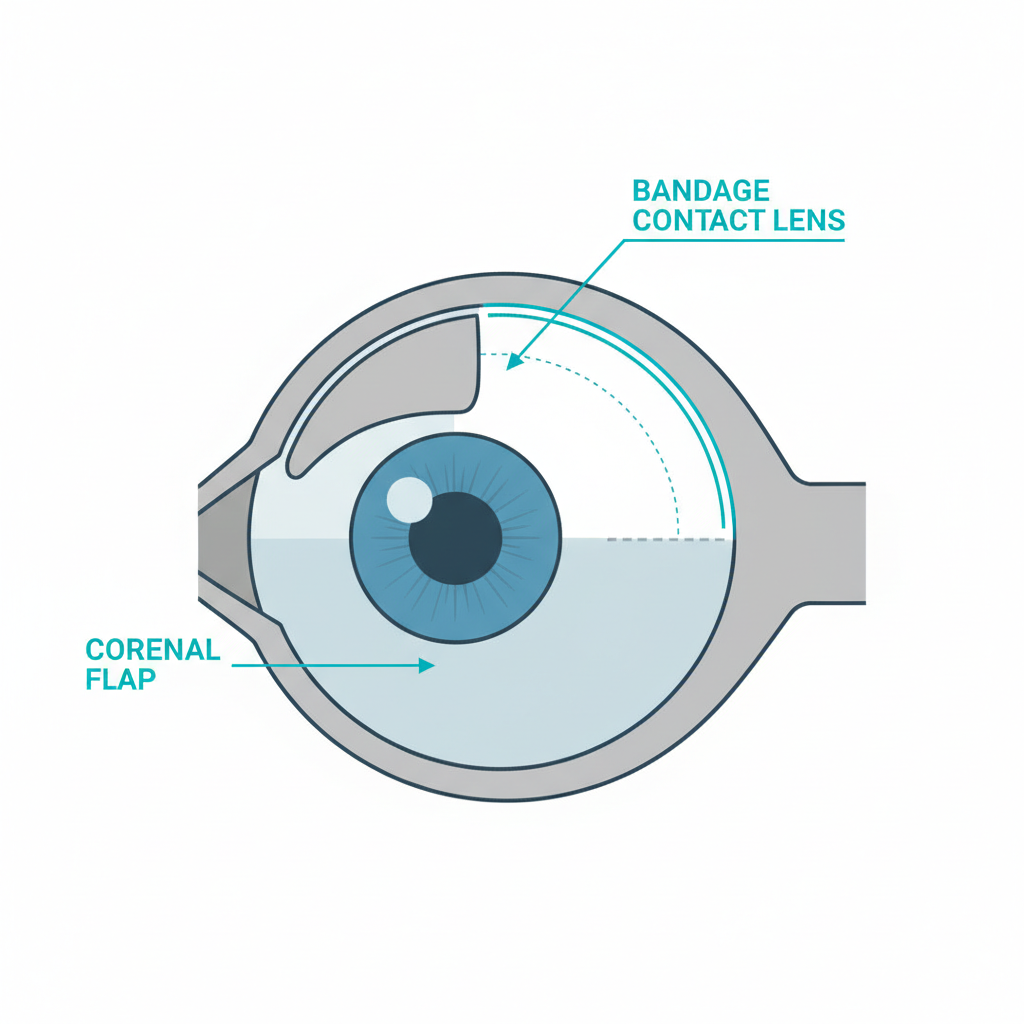
The immediate period after your LASIK procedure is the most critical for a successful outcome. Your surgeon has created a precise flap in your cornea, and the primary goal during the first two days is to allow the corneal epithelium—the eye's surface layer—to heal and seal the flap's edges.
Think of it like a perfectly placed piece of turf on a golf green; it needs time to knit itself into the ground below without being disturbed. Any foreign particle, whether it's a speck of mascara or a microscopic dust mite, can get trapped under the flap, leading to serious complications.
Expert Insight: The Role of the Bandage Lens Immediately after surgery, your surgeon will likely place a clear, non-prescription "bandage" contact lens on your eye. This is not a corrective lens. As noted by the National Eye Institute (NEI), these are therapeutic devices used to protect the corneal surface, reduce pain, and promote healing. It acts as a sterile shield and will be removed by your doctor at your first follow-up appointment, typically the next day.
During this initial phase, touching or rubbing your eyes is strictly forbidden. You will be using a regimen of antibiotic and anti-inflammatory eye drops to prevent infection and manage swelling. This is the foundation for a smooth recovery, and introducing any external variable like makeup is an unnecessary risk.
Resuming Makeup After LASIK: A Phased and Cautious Approach
Returning to your makeup routine requires patience. While you may feel great and see clearly just days after your procedure, your cornea is still vulnerable. Introducing makeup too early can lead to infection, inflammation, and severe dry eye.
Phase 1: The First Week (Face Makeup Only)
Within 2 to 3 days, you can generally start wearing face makeup like foundation, concealer, blush, and bronzer. However, you must be extremely careful.
- Create a Buffer Zone: Do not apply any product near the orbital rim (the bone around your eye socket).
- Avoid Powders: Loose powders can easily become airborne and migrate into the eye. Opt for cream or liquid products during the first week.
- Gentle Application: Apply makeup with clean hands or brushes, using gentle dabbing motions instead of rubbing.
Phase 2: Weeks 1-2 (The Gradual Return of Eye Makeup)
Most surgeons advise waiting a minimum of one week, with many preferring a more conservative two-week waiting period, before reintroducing eye makeup. When you do, it’s not business as usual.
- Start with New Products: Your old makeup brushes, wands, and pots can be a breeding ground for bacteria. According to the Centers for Disease Control and Prevention (CDC), germs can easily be introduced to the eye, causing serious infections. Treat yourself to new mascara, eyeliner, and shadows to minimize this risk.
- Avoid the Waterline: Do not apply eyeliner to the inner rim of your eyelid (the waterline). This area contains the meibomian glands, which are crucial for producing the oily layer of your tear film. Post-LASIK eyes are already prone to dryness, and as surgeons often observe, clogging these glands with makeup can significantly worsen dry eye symptoms.
- No Glitter or Fibers: Avoid glittery eyeshadows and fiber-lengthening mascaras. These particles can flake off and easily enter the eye, causing irritation or getting stuck under the healing flap.
- Gentle Removal is Key: Use a mild, oil-free makeup remover on a soft pad. Press gently and wipe downwards, away from the eye and the flap incision. Do not scrub back and forth.
The One-Month Milestone: Back to Normal (Almost)
By your one-month follow-up, your surgeon will assess the healing of the epithelium. Once you get the all-clear, you can typically return to your normal makeup routine. However, many patients find their eyes are more sensitive for several months. Continuing with good hygiene practices is essential for long-term comfort and health.
Contact Lenses After LASIK: Why You Must Wait
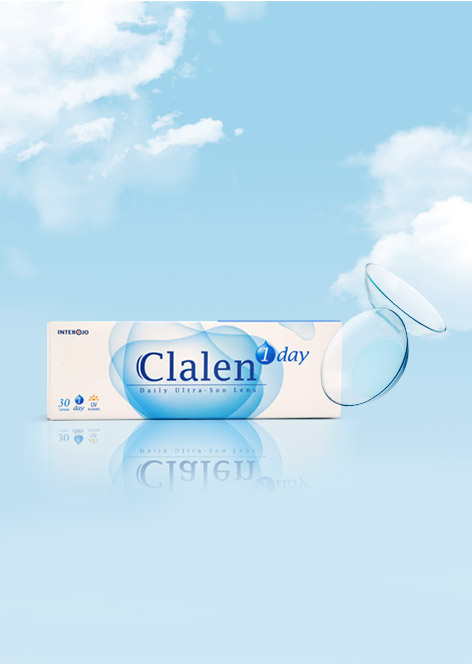
It may seem counterintuitive, but you cannot simply pop in a pair of contact lenses after LASIK, even if they are zero-power decorative lenses. The waiting period is significantly longer than for makeup, and for very different reasons.
Your Cornea Has a New Shape
LASIK works by permanently reshaping your cornea to correct your refractive error. Your old contact lenses were prescribed for your original corneal curvature. Placing an old lens on your newly shaped eye would be like putting a mismatched lid on a container—it won’t fit properly. This poor fit can cause discomfort, irritation, and can even disrupt the healing process.
Regulatory Reminder: Contacts are Medical Devices The U.S. Food and Drug Administration (FDA) classifies all contact lenses, including cosmetic (plano) ones, as medical devices. They require a valid prescription and a professional fitting to be worn safely.
The Healing and Stabilization Period (1-3 Months)
The corneal surface needs substantial time to fully stabilize after surgery. While initial healing is rapid, subtle changes in corneal topography and nerve regeneration continue for months.
- Corneal Stability: A contact lens fitting relies on precise measurements of your corneal curvature. These measurements can fluctuate for several weeks to months post-op. A fitting performed too early would be inaccurate, resulting in an ill-fitting lens.
- Nerve Regeneration and Dry Eye: LASIK severs superficial corneal nerves, which is a primary cause of post-operative dry eye. These nerves slowly regenerate over time. A 2007 study on long-term healing confirmed that while the nerve plexus does regenerate, it can be a lengthy process. Wearing a contact lens can exacerbate dryness and interfere with this delicate recovery.
Based on clinical practice, surgeons typically recommend waiting at least 3 months before being refitted for contact lenses. This ensures the cornea is stable enough for accurate measurements and healthy enough to tolerate lens wear.

Frequently Asked Questions (FAQ)
Q: What should I do if I accidentally get makeup in my eye after LASIK?
A: Do not rub it. Immediately flush your eye generously with preservative-free artificial tears. If irritation, redness, or pain persists, contact your surgeon’s office right away.
Q: When can I get eyelash extensions or a lash lift?
A: You should wait at least 1-2 months. These procedures involve chemicals and manipulation of the eyelid area, posing a risk to your healing eyes. Always get clearance from your eye doctor first.
Q: When is it safe to swim after LASIK?
A: According to guidance from clinics like Moorfields Eye Hospital, you should avoid swimming pools, hot tubs, lakes, and oceans for at least two weeks, with many surgeons recommending a full month to prevent infection from waterborne bacteria.
Q: Can LASIK fix my need for reading glasses?
A: Standard LASIK corrects distance vision. It does not prevent presbyopia, the age-related need for reading glasses. Some patients opt for "Monovision" LASIK, where one eye is corrected for distance and the other for near, but this is a specific approach that should be discussed in detail with your surgeon. If you find yourself struggling with fine print post-surgery, you may still benefit from reading glasses, a topic explored in our guide on choosing the right reading glasses.
This article is for informational purposes only and does not constitute professional medical advice. Always follow the specific instructions provided by your LASIK surgeon, as your recovery timeline may vary based on your individual healing process. If you experience pain, redness, discharge, or a sudden change in vision, contact your eye doctor immediately.
References
- National Eye Institute (NEI). "Contact Lenses." https://www.nei.nih.gov/learn-about-eye-health/healthy-vision/contact-lenses
- Centers for Disease Control and Prevention (CDC). "Risk Factors for Eye Infections." https://www.cdc.gov/contact-lenses/causes/index.html
- U.S. Food and Drug Administration (FDA). "Types of Contact Lenses." https://www.fda.gov/medical-devices/contact-lenses/types-contact-lenses
- Moorfields Eye Hospital Private. "Thinking of having laser eye surgery? Your questions answered." https://www.moorfields.nhs.uk/private/about-moorfields-private/blog-articles/thinking-of-having-laser-eye-surgery-your-questions-answered
- Erie, J. C., et al. "Long-term corneal nerve regeneration after LASIK." Cornea, 2007. https://pubmed.ncbi.nlm.nih.gov/18041250/
- American Academy of Ophthalmology (AAO). "Tips for Choosing the Right Reading Glasses." https://www.aao.org/eye-health/glasses-contacts/tips-choosing-right-reading-glasses


