








Melanin Infused Lenses: Natural Protection or Marketing Hype?
The Science and Style of Melanin Lenses
In the quest for better vision and eye protection, lens technology is constantly evolving. One of the more recent innovations to gain traction is the melanin-infused lens. Touted as a way to mimic the body’s own natural defenses against sunlight, these lenses promise superior filtration and comfort. But do they live up to the claims, or are they simply a new marketing angle on existing technology?
This article breaks down the science behind melanin-infused lenses. We will explore how they work, compare them to traditional UV and polarized lenses, and identify the specific situations where they provide a real advantage. By understanding their strengths and limitations, you can decide if they are the right choice for your lifestyle.
What is Melanin and How Does It Protect Your Eyes?
Melanin is the natural pigment responsible for the color of our skin, hair, and eyes. Its primary biological function is to provide protection against sun damage. It does this by absorbing a broad spectrum of light, with a particularly strong appetite for high-energy ultraviolet (UV) and violet-blue light rays.
Think of it as your body's built-in, first line of defense against solar radiation. The melanin in your skin absorbs UV light before it can damage cellular DNA. Inside your eye, pigments in the iris and the retina perform a similar function, shielding the delicate internal structures from the most harmful wavelengths. However, this natural protection is not absolute. The cumulative effect of a lifetime of UV exposure can overwhelm these defenses, contributing to the development of serious eye conditions. According to the National Eye Institute (NEI), this long-term exposure is a key factor in the formation of cataracts.
Melanin-infused lenses are engineered to replicate and enhance this natural protective mechanism, embedding a synthetic form of this pigment directly into the lens material itself.
How Melanin Lenses Compare to Other Technologies
To understand the value of melanin infusion, it’s essential to compare it to the established standards in sunglass technology. The primary goal of any protective eyewear is to manage different parts of the light spectrum effectively.
Standard UV400 Protection
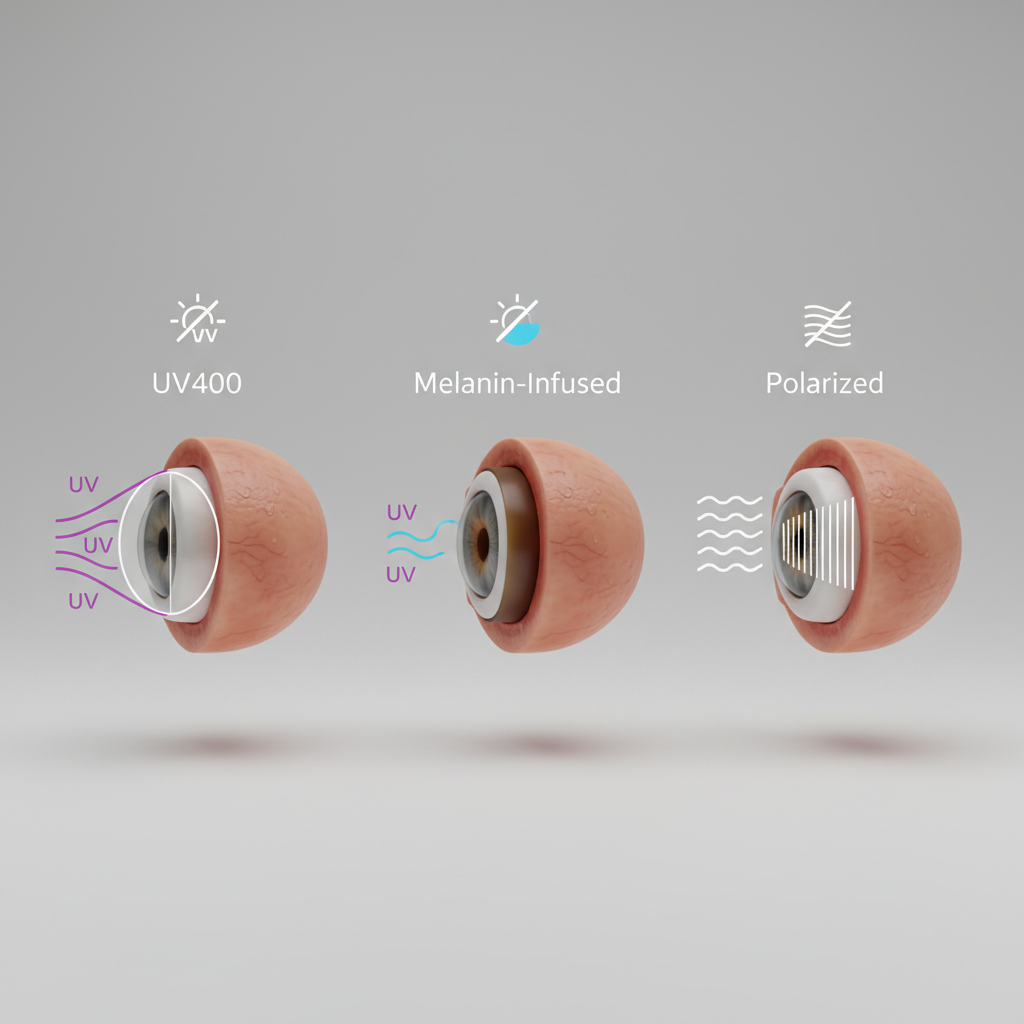
A UV400 rating is the baseline standard for any quality pair of sunglasses. It means the lenses block 99% to 100% of UVA and UVB rays up to 400 nanometers (nm). This is a non-negotiable feature for eye health. This protection is typically achieved with a clear, UV-absorbing dye applied to the lens or is an inherent property of the lens material itself, such as polycarbonate.
A critical point to understand is that the darkness of a lens has no bearing on its UV protection. As experts at the MD Anderson Cancer Center warn, wearing dark lenses without certified UV protection can be more dangerous than wearing no sunglasses at all. The dark tint causes your pupils to dilate, allowing even more harmful UV radiation to enter the eye.
Polarized Lenses
Polarization is a different feature entirely. It doesn't primarily block UV light (though most polarized lenses also have a UV400 coating). Instead, it targets glare. As explained by Harvard Health Publishing, light waves travel in all directions. When light reflects off a flat surface like water, a wet road, or a car's hood, it becomes horizontally oriented, creating intense, blinding glare. A polarized filter acts like a microscopic Venetian blind, blocking these horizontal waves while allowing useful vertical light to pass through. This dramatically increases visual comfort and clarity in high-glare situations.
Melanin-Infused Lenses
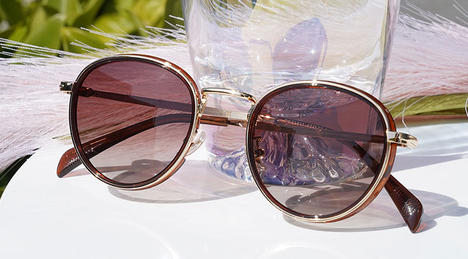
Melanin lenses combine these protective functions in a unique way. Like all quality sunglasses, they provide full UV400 protection. However, their defining feature is the absorption of a significant amount of High-Energy Visible (HEV) light—the violet and blue end of the spectrum (typically from 400nm to 500nm).
Unlike a simple blue-light coating that reflects light from the surface, the infused melanin absorbs this energy within the lens material. This approach provides a smoother, more gradual filtration curve that more closely mimics the human eye's natural lens, which yellows and absorbs more blue light as we age.
The Real-World Benefits: Where Melanin Lenses Excel
The unique filtration properties of melanin lenses translate into tangible benefits for specific environments and activities.
- Enhanced Visual Comfort and Contrast: By filtering the most scattered, high-energy wavelengths of visible light, melanin lenses reduce visual haze and sharpen contrast. This is particularly noticeable in urban settings, during overcast days, or in hazy, glary conditions. The result is a more relaxed and defined visual experience.
- Reduced Digital Glare: While not a cure for Digital Eye Strain—which ophthalmologists at the Cleveland Clinic primarily attribute to reduced blink rates and focusing fatigue—melanin lenses can significantly improve comfort during screen use. The slight amber or brown tint cuts down on harsh, blue-tinged light from LEDs, reducing the sensation of glare and making prolonged screen time feel less taxing on the eyes.
- Versatile All-Day Use: Because their tint is often less dark than that of traditional sunglasses, melanin lenses are highly versatile. They can be worn comfortably outdoors in moderate sun and then kept on indoors for computer work without making the environment feel too dark, bridging the gap between conventional sunglasses and computer glasses.
The Limitations: When to Choose a Different Lens
Despite their versatility, melanin-infused lenses are not the optimal choice for every situation. Their strength as a general-purpose lens is also their weakness in specialized scenarios.
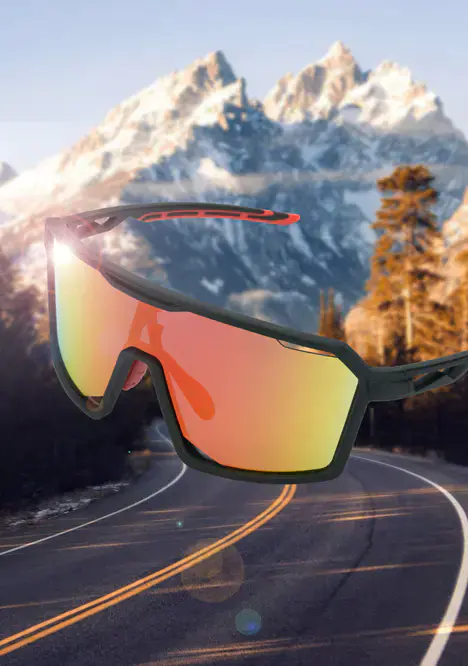
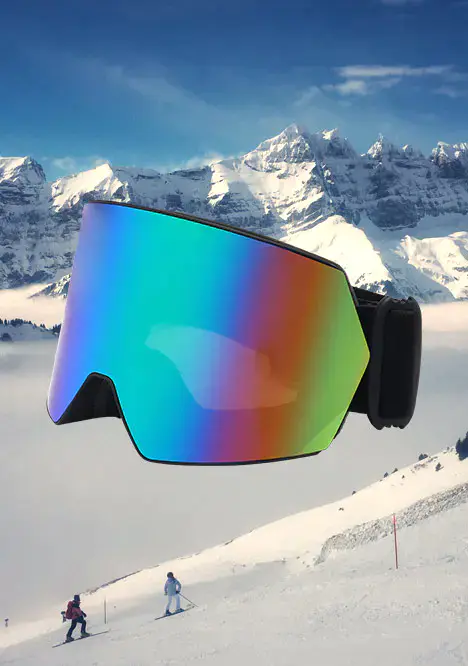
- Extreme UV Environments: For activities like high-altitude skiing, mountaineering, or spending a day on a tropical beach, a dedicated pair of dark, wraparound sunglasses is essential. Research using 3D models has shown that standard frames can allow significant amounts of UV radiation to leak in from the periphery. According to the American Academy of Ophthalmology (AAO), snow can reflect up to 80% of UV rays, nearly doubling your exposure. In these cases, maximizing coverage and reducing overall light intensity with a dark tint (Category 3 or 4) takes priority over the nuanced filtration of a melanin lens.
- High-Glare Water and Road Activities: While melanin lenses reduce haze, they do not eliminate the blinding, polarized glare from water or wet roads. For fishing, boating, and frequent driving in sunny or wet conditions, the glare-blocking power of a polarized lens is unmatched and is a critical safety feature.
- Color-Critical Professions: The characteristic warm tint of melanin lenses, while pleasant for most, can subtly alter color perception. For graphic designers, photographers, and especially pilots, maintaining true color fidelity is paramount. The Federal Aviation Administration (FAA) specifically recommends neutral gray tints for sunglasses to ensure pilots can accurately recognize navigation lights and cockpit displays. For these users, a high-quality, non-polarized, neutral gray lens remains the professional standard.
The Verdict: A Smart Upgrade for Modern Life
So, are melanin-infused lenses just hype? The evidence shows they are not. They are based on sound biological principles and offer a legitimate technological benefit: filtering a broader spectrum of high-energy light than standard UV lenses alone.
The "hype" arises only when they are positioned as a magical, one-size-fits-all solution. They are not a replacement for high-performance sports sunglasses or the specialized function of polarized lenses.
Instead, they represent a highly practical and versatile option for the challenges of modern visual life.
You should seriously consider melanin-infused lenses if:
- You spend your day moving between outdoor and indoor environments.
- You use digital devices frequently and are sensitive to screen glare.
- You want an all-in-one pair of prescription or non-prescription glasses that provide sun protection and enhanced visual comfort.
- You appreciate the improved contrast and relaxed vision provided by a warm, amber-toned lens.
Ultimately, melanin lenses are a valuable tool in your eyewear arsenal. They offer a scientifically-backed upgrade in visual comfort and protection that is perfectly suited to a general-purpose, urban lifestyle. By understanding where they excel and where a more specialized lens is needed, you can make an informed choice that truly benefits your eyes.
Disclaimer: This article is for informational purposes only and does not constitute professional medical advice. Consult with a qualified optometrist or ophthalmologist to determine the best eyewear solution for your specific vision and health needs.
References
- National Eye Institute (NEI). "New research sheds light on how UV rays may contribute to cataract." https://www.nei.nih.gov/about/news-and-events/news/new-research-sheds-light-how-uv-rays-may-contribute-cataract
- MD Anderson Cancer Center. "9 things to know about sunglasses, eye protection and cancer." https://www.mdanderson.org/cancerwise/9-things-to-know-about-sunglasses--eye-protection-and-cancer.h00-159699123.html
- Harvard Health Publishing. "Polarized sunglasses: Protecting your eyes from harmful glare." https://www.health.harvard.edu/staying-healthy/polarized-sunglasses-protecting-your-eyes-from-harmful-glare
- Cleveland Clinic. "Do Blue Light Blocking Glasses Actually Work?" https://health.clevelandclinic.org/do-blue-light-blocking-glasses-actually-work
- American Academy of Ophthalmology (AAO). "Sun Safety." https://www.aao.org/eye-health/tips-prevention/sun
- Federal Aviation Administration (FAA). "Sunglasses for Pilots." https://www.faa.gov/pilots/safety/pilotsafetybrochures/media/sunglasses.pdf


