







Minimalist Sunglasses: A Guide to Understated Style
The Essence of Understated Style
In a world saturated with fleeting trends, minimalist design offers a return to intention, focusing on clean lines, premium materials, and purposeful form. For those who believe less is more, this philosophy extends to eyewear. Minimalist sunglasses are not about being plain; they are about celebrating simplicity and craftsmanship. They trade bold logos and heavy ornamentation for elegant silhouettes and a quiet confidence.
This guide explores the core principles of minimalist sunglass design, from the nuances of thin metal frames to the clarity of neutral color palettes. We will delve into the technical aspects that ensure these stylish frames are also functional, especially for those who require prescription lenses, helping you find the perfect understated pair that complements your vision and your style.
The Anatomy of Minimalist Sunglasses
Minimalism is a design language spoken through structure, material, and color. In sunglasses, this translates to a focus on the essential elements, creating a piece that is both timeless and contemporary.
Core Design Principles
The minimalist aesthetic is defined by a few key characteristics:
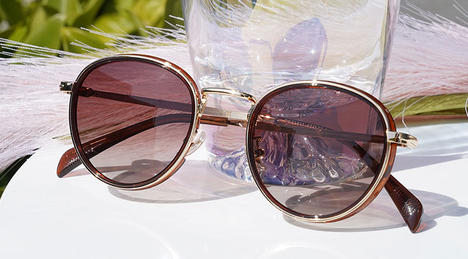
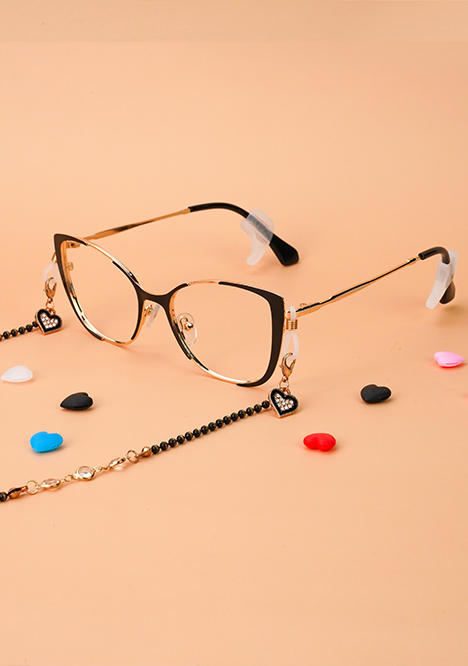
- Clean Lines and Uncluttered Silhouettes: The foundation of the style rests on simple, geometric shapes. Think classic rounds, refined aviators, or crisp rectangular profiles. The frames are typically thin, creating a lightweight look that doesn't overpower the face.
- A Neutral Color Palette: The color scheme is intentional and restrained. You'll find a predominance of black, metallics like silver, gold, and gunmetal, and subtle acetates. This ensures the sunglasses are versatile and enduring.
- Material Honesty: Rather than hiding the construction, minimalist design showcases it. The focus is on the inherent quality of the materials, whether it's the brushed finish of titanium or the polished luster of high-quality stainless steel.
Frame Materials: The Foundation of Understated Style
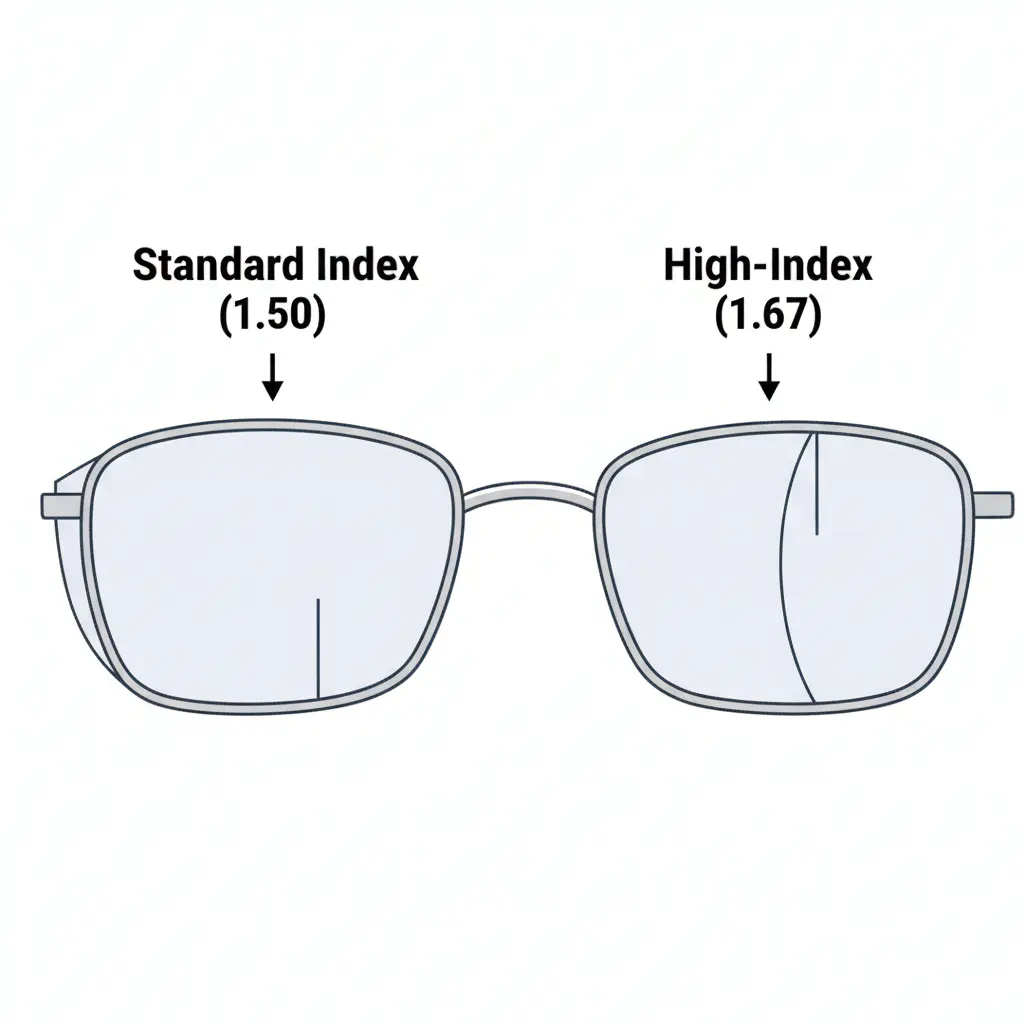
The choice of material is critical in achieving the minimalist look. It dictates the frame's weight, durability, and how thin the profile can be.
| Material | Key Characteristics | Best For |
|---|---|---|
| Titanium | Extremely lightweight, exceptionally strong, corrosion-resistant, and hypoallergenic. | The ultimate combination of comfort and durability; ideal for everyday wear and sensitive skin. |
| Stainless Steel | Very durable, flexible, and allows for ultra-thin profiles. Often plated for color. | Achieving the thinnest possible frame design without sacrificing strength. |
| Thin-Profile Acetate | Modern manufacturing allows for slender acetate frames, offering rich color possibilities. | Those who want a touch of color or pattern in a lightweight, "barely there" plastic frame. |
Function Meets Form: Protection and Lens Quality
True minimalist design is not just about looks; it's about perfecting the function of an object. For sunglasses, the primary function is protecting your eyes. A beautiful frame is incomplete without high-quality, protective lenses.
Beyond the Look: Non-Negotiable Eye Health Standards
When selecting any pair of sunglasses, certain health standards are non-negotiable. It's a common misconception that darker lenses offer more protection. In fact, wearing dark lenses without proper UV filtering can be more harmful than wearing no sunglasses at all. As experts at the MD Anderson Cancer Center explain, dark tints cause your pupils to dilate, allowing more damaging UV radiation to enter your eyes if a protective filter isn't present.
Here’s what to look for:
- 100% UV or UV400 Protection: This label signifies that the lenses block all UVA and UVB rays, which is the universal standard for eye protection.
- Impact Resistance: In the United States, all sunglass lenses must meet impact-resistance standards set by the Food and Drug Administration (FDA). This is outlined in 21 CFR 801.410, which mandates a "drop ball test" to ensure lenses do not shatter from common impacts.
Lens Color in Minimalist Design
While you won't find flashy mirror coatings in a minimalist collection, the choice of lens tint is still an important consideration for both aesthetics and function.
- Gray/Green: These tints are favored for their color neutrality. According to the Cleveland Clinic, they reduce brightness without distorting colors, making them an excellent choice for activities like driving.
- Brown/Amber: These colors enhance contrast, which can be beneficial for activities like golf or for individuals with certain eye conditions.
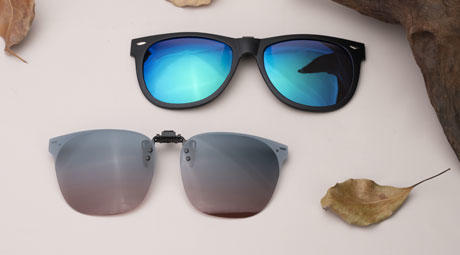
- Gradient Tints: A subtle gradient, where the lens is darker at the top and lighter at the bottom, offers a stylish look that is also practical for reading outdoors or looking at your car's dashboard.
The Minimalist Challenge: Integrating Prescription Lenses
Perhaps the biggest question for minimalist eyewear is its compatibility with prescription lenses. The delicate nature of thin frames can seem at odds with the need for corrective lenses, especially for those with stronger prescriptions. However, with modern optical technology, it's entirely possible to achieve a clean, minimalist look without compromising on vision.
Debunking the Myth: "You Can't Wear Thin Frames with a Strong Rx"
A common belief is that strong prescriptions require thick, heavy frames to hide the lenses. While this was true in the past, it's no longer the case. The solution lies in selecting the right combination of frame and lens material. As explored in "Can You Wear Thin, Stylish Frames with a High Rx?," advanced lens technology makes it possible to enjoy understated styles.
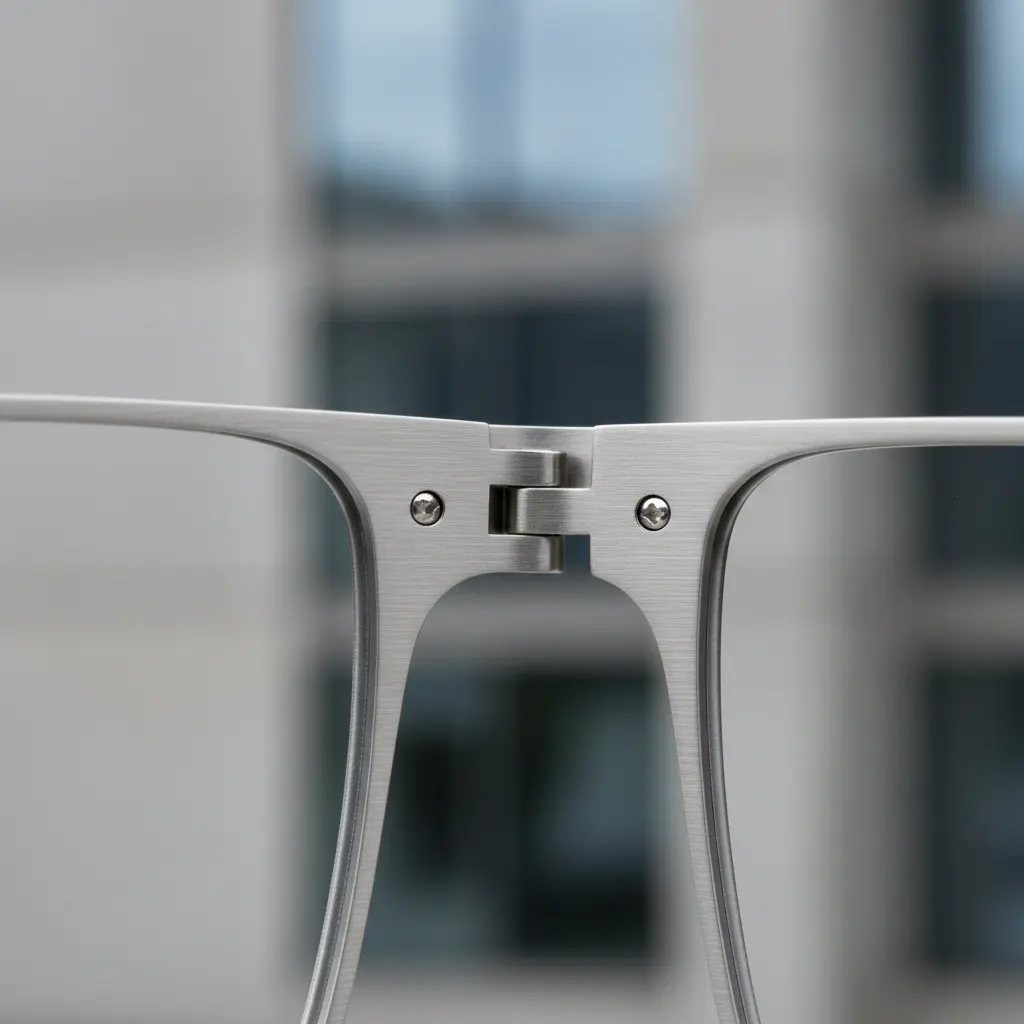
The key is high-index lens material. These materials are denser and bend light more efficiently, allowing for a significantly thinner and lighter lens profile for the same prescription power.
An Optician's Guide to Minimalist Prescription Sunglasses
Achieving the best result requires attention to detail. These are the same considerations a skilled optician would make when fitting your glasses.
-
Lens Index is Key: This is the most critical factor.
- For prescriptions up to ±2.50 D, a standard or mid-index lens (like 1.59 polycarbonate) works well in most minimalist frames.
- For prescriptions from ±2.50 D to ±4.00 D, upgrading to a 1.67 high-index lens is recommended to reduce edge thickness.
- For prescriptions above ±4.00 D, a 1.74 high-index lens will provide the thinnest and most aesthetically pleasing result.
- Frame Shape and Fit: The frame itself plays a role. Smaller, rounder frames are particularly effective for high-minus (nearsighted) prescriptions, as they minimize the thickest part of the lens at the outer edge. The fit must also be precise. A proper pantoscopic tilt (the angle of the frame front to your face) of 8-12 degrees is crucial for correct optics.
- Base Curve and "Wrap" Effects: Many sunglasses have a high degree of "wrap," meaning the frame curves to follow the contour of the face. While stylish, this can induce optical distortions for prescription wearers. For the best visual clarity, it is often better to choose minimalist styles with a flatter front, known as a lower base curve.
- Accurate Measurements: Precision is paramount. For higher prescriptions, pupillary distance (PD) measurements should be accurate to within one millimeter (±1 mm). An incorrect PD in a thin frame can lead to eye strain and distorted vision.
Key Takeaways
Choosing minimalist sunglasses is an exercise in appreciating refined design and superior function. It’s about finding a pair that feels like a natural extension of your style, not a loud statement piece.
- Prioritize Principles: Look for clean lines, neutral colors, and high-quality materials like titanium and stainless steel.
- Demand Protection: Never compromise on eye health. Ensure your sunglasses offer certified UV400 protection and meet FDA impact-resistance standards.
- Embrace Technology for Prescriptions: If you need corrective lenses, don't shy away from thin frames. High-index lens materials are the key to merging strong prescriptions with minimalist style.
- Focus on Fit: A great pair of sunglasses is one you forget you're wearing. Pay attention to weight, balance, and precise optical measurements for all-day comfort and clarity.
By balancing these elements of form and function, you can find a pair of minimalist sunglasses that are not only stylish but are crafted to last and provide essential protection for your eyes.
Disclaimer: This article is for informational purposes only and does not constitute professional medical advice. Please consult with a qualified optometrist or ophthalmologist to address your specific eye health needs and to receive a comprehensive eye examination and prescription.
References:
- MD Anderson Cancer Center: 9 things to know about sunglasses, eye protection and cancer
- U.S. Food and Drug Administration (FDA): Impact-Resistant Lenses: Questions and Answers
- Cleveland Clinic: Do Sunglasses Protect Your Eyes?


