









Are Mirrored Polarized Lenses Better for Bright Sun?
The Ultimate Defense Against Glare: Are Mirrored Polarized Lenses Worth It?
Intense sunlight, especially when reflected off water, snow, or pavement, can be more than just uncomfortable—it can be blinding. This high-energy glare causes you to squint, leads to eye fatigue, and can obscure details when you need them most. While standard sunglasses reduce brightness, they don't eliminate this specific type of disorienting light. For those who spend time in extremely bright conditions or have sensitive eyes, a more powerful solution is needed.
This is where mirrored polarized lenses come in. This combination isn't just a matter of style; it's a dual-technology approach designed to offer the highest level of visual comfort and clarity in the harshest light. This article will break down how these two features work together, who benefits most from them, and what to look for to ensure you're getting maximum performance and protection.
TL;DR: The Dual-Action Benefit
Mirrored polarized lenses offer a powerful one-two punch against intense sunlight.
- The Mirror Coating: This acts as the first line of defense, reflecting a significant amount of bright light away from your eye before it even hits the lens.
- The Polarized Filter: This is the second line of defense, which specifically targets and eliminates the concentrated horizontal glare that bounces off flat surfaces.
The result is a lens that provides superior glare reduction and comfort compared to lenses with only one of these features.
Deconstructing the Technology: How Mirrored and Polarized Lenses Work
To understand why this combination is so effective, it's important to know what each component does on its own. They solve two different, yet related, problems.
What is a Polarized Lens? The Glare Eliminator
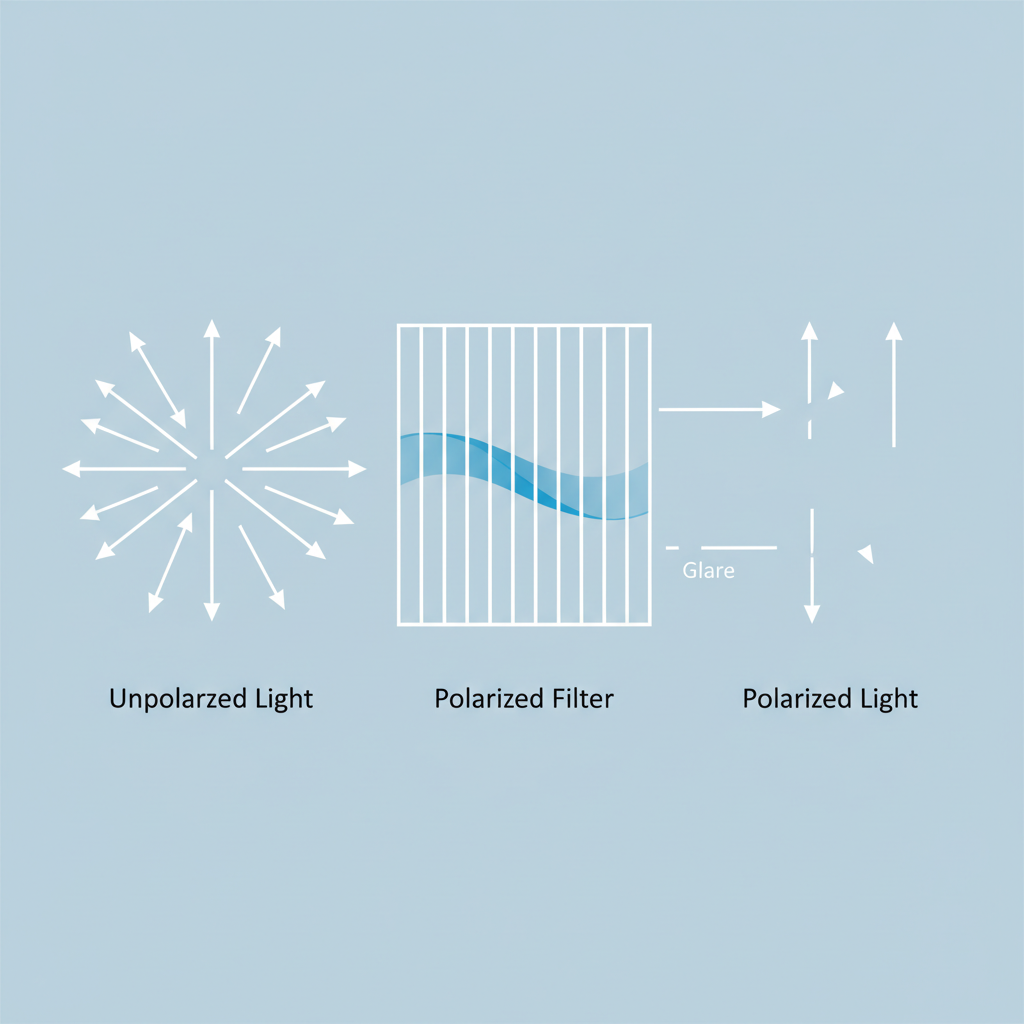
Sunlight travels in waves that vibrate in all directions. However, when that light hits a flat surface like a road or a body of water, it reflects and becomes horizontally aligned. This is what we perceive as glare.
A polarized filter is a specialized chemical laminate containing molecules aligned vertically, like slats in a picket fence. As explained by Harvard Health Publishing, this vertical pattern blocks the horizontal light waves of glare while allowing useful vertical light to pass through. This is why polarized lenses are so effective at reducing reflections from water when fishing or from the road while driving.
What is a Mirror Coating? The Brightness Reducer
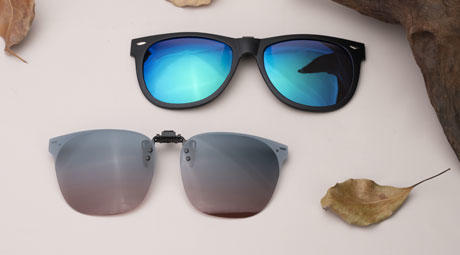
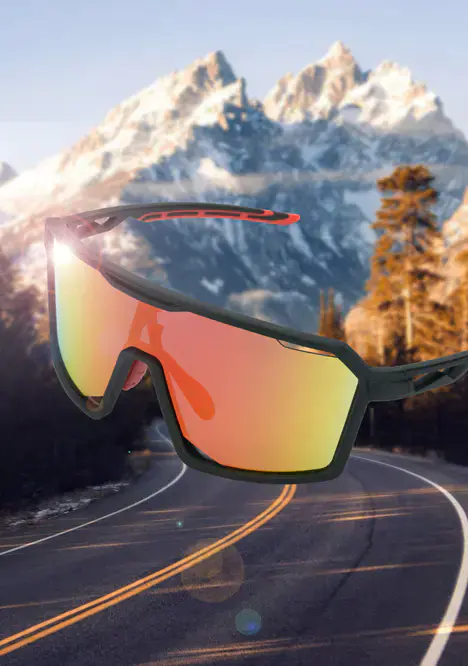
A mirror coating, also known as a flash coating, is a highly reflective layer applied to the outer surface of the sunglass lens. Made of a microscopically thin layer of metal or dielectric materials, its primary job is to reflect a portion of the light that hits it.
This accomplishes a key goal: it significantly reduces the amount of light passing through the lens to your eye. This measurement is known as Visible Light Transmission (VLT). A lower VLT percentage means a darker lens, which is more comfortable in intensely bright conditions. For example, a lens with a 15% VLT allows only 15% of visible light to pass through, blocking 85%. The mirror coating is a highly effective way to lower this VLT.
The Synergy: Why Combining Mirror and Polarization is Better
When you combine a mirror coating with a polarized filter, you create a lens that tackles harsh light from two angles.
- Initial Light Reduction: The mirror coating reflects a substantial amount of the overall intense light—from the sun above and the environment around you. This immediately lowers the total volume of light your eye has to process.
- Targeted Glare Removal: The light that does pass through the mirror coating is then filtered by the polarized layer. This step specifically removes the most disruptive horizontal glare that the mirror coating didn't stop.
This dual-action system provides a level of clarity and comfort that neither technology can achieve alone. It’s particularly noticeable in high-reflectance environments where eye strain is a major issue.
Who Benefits Most from Mirrored Polarized Lenses?
While anyone can appreciate the enhanced comfort, this lens combination is a game-changer for specific activities and individuals.
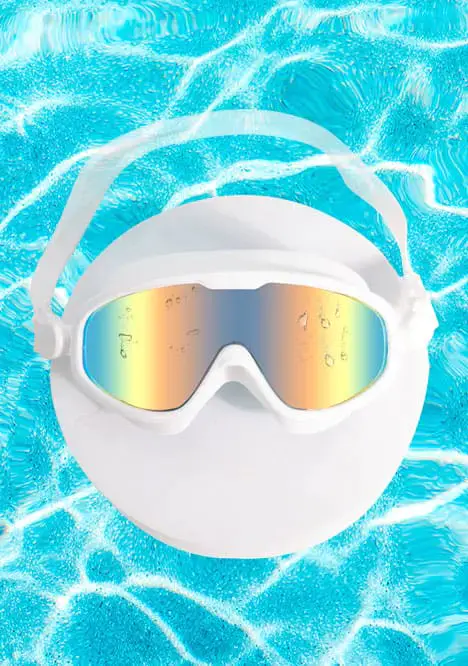
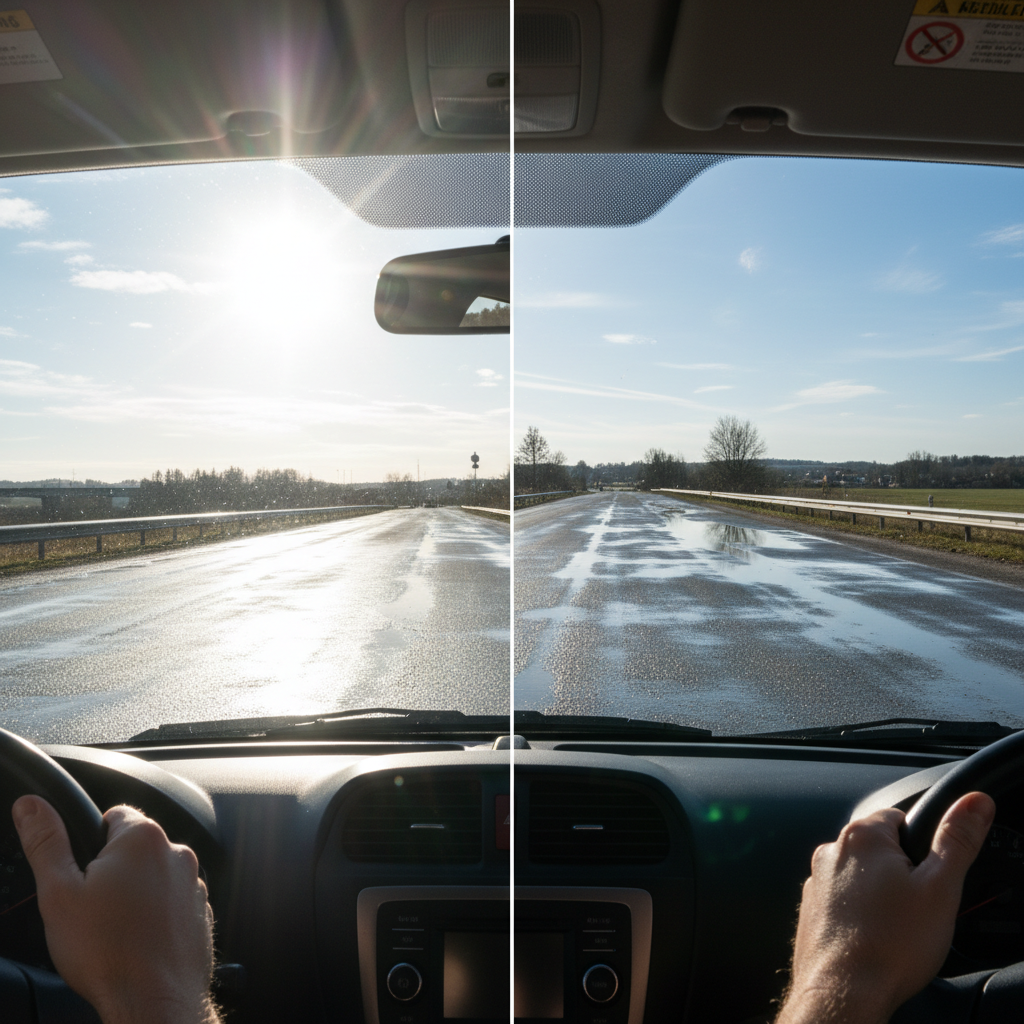
- Boaters and Anglers: They constantly face intense glare from the water's surface. Mirrored polarized lenses not only cut this glare to reduce eye strain but also allow them to see beneath the surface more clearly.
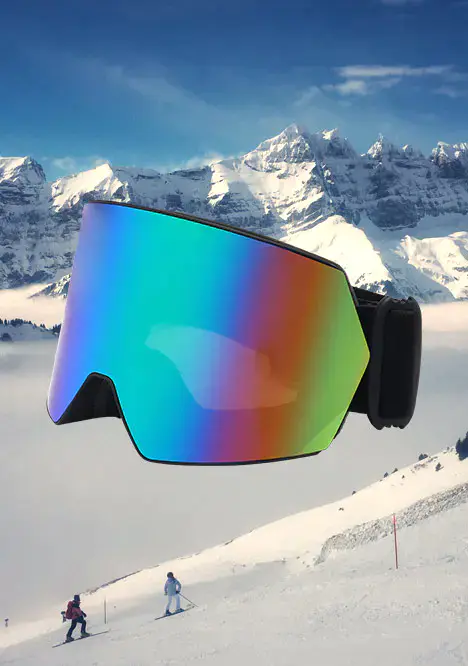
- Skiers and Snowboarders: Snow reflects up to 80% of the sun's UV rays, creating an environment of extreme brightness and glare. As the American Academy of Ophthalmology (AAO) notes, protecting eyes in these conditions is critical to prevent conditions like snow blindness. The high reflectivity makes mirrored polarized lenses an essential piece of gear.
- Drivers: For those who drive frequently in bright, sunny conditions, especially during sunrise or sunset, these lenses can dramatically reduce glare from the road and other vehicles. The American Optometric Association (AOA) recommends gray lenses for driving to ensure proper color recognition.
- Individuals with Light Sensitivity (Photophobia): People who are naturally sensitive to bright light or are recovering from eye procedures find the significant reduction in overall light transmission provides immense relief.
Debunking a Common Myth: More Features Do Not Equal More UV Protection
It's a critical and common misconception that the darkness of a lens, its polarization, or its mirror finish contributes to its UV protection. This is false and potentially dangerous.
Myth: A dark, mirrored, polarized lens blocks more UV radiation than a clear lens.
Reality: UV protection comes from a separate, invisible coating or inherent property of the lens material that blocks ultraviolet wavelengths up to 400 nanometers (UV400). As experts at the MD Anderson Cancer Center warn, wearing dark lenses without certified UV protection is more harmful than wearing no sunglasses at all. This is because the dark tint causes your pupils to dilate, allowing more damaging UV radiation to enter the eye.
Always ensure your sunglasses are labeled "UV400" or "100% UV Protection," regardless of their color, tint, or coatings.
Making the Right Choice: A Comparison
To help you decide, here is a breakdown of how different lens types perform.
| Lens Feature | Glare Reduction | Brightness Reduction (VLT) | UV400 Protection | Best Use Case |
|---|---|---|---|---|
| Standard Tint | Low | Moderate | Must be added | Everyday, overcast conditions |
| Polarized Only | High | Moderate | Must be added | Driving, general water activities |
| Mirrored Only | Moderate | High | Must be added | Bright conditions without surface glare |
| Mirrored Polarized | Maximum | Maximum | Must be added | Snow, open water, extreme sun, high sensitivity |
Key Takeaways
Choosing the right sunglasses is about matching the technology to your needs. Mirrored polarized lenses represent the pinnacle of performance for combating intensely bright and glaring conditions.
- Dual-Action Performance: The mirror coating reduces overall brightness, while the polarized filter eliminates blinding surface glare.
- Activity Specific: This combination is ideal for activities on the water, snow, or for anyone with high sensitivity to light.
- UV Protection is Non-Negotiable: The mirror and polarization features do not block UV rays. Always confirm your lenses are labeled UV400 for complete protection. While a mirror coating can be prone to showing scratches, a quality hard coat minimizes this risk.
By understanding how these technologies work together, you can make an informed decision and give your eyes the best possible comfort and protection against the sun.
Disclaimer: This article is for informational purposes only and does not constitute professional medical advice. Consult with a qualified eye care professional for any concerns about your vision or eye health, especially if you have pre-existing conditions.


