




Managing Myopia at the Gym: Tips for Stable Vision
TL;DR: Your Quick Guide to Stable Gym Vision
- Secure Your Fit: The primary cause of slippage is a poor fit. Ensure your frames have proper three-point contact on your nose and behind your ears.
- Choose Smart Materials: Opt for lightweight frames with silicone nose pads for superior grip. Polycarbonate lenses are essential for impact resistance.
- Use a Strap Correctly: An adjustable sports strap is your best friend, but proper tension is key. It should be snug, not tight, to avoid pressure and frame distortion.
- Perform the "Head Shake Test": Before your workout, shake your head vigorously. If your glasses move more than a few millimeters, readjust the fit or strap.
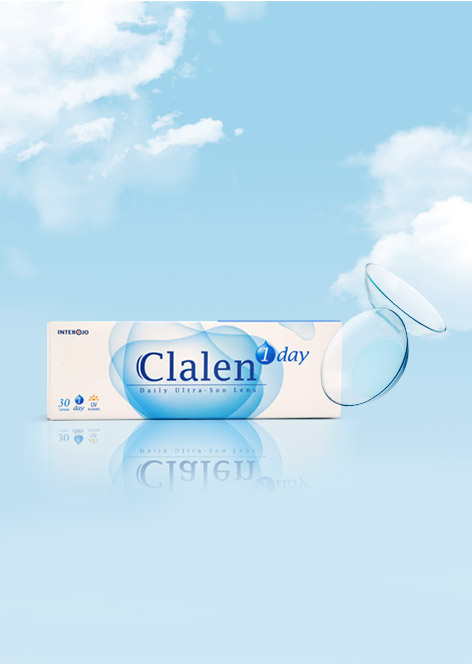
- Consider Daily Disposable Contacts: For maximum freedom and stability, daily disposable contact lenses are an excellent, hygienic option for gym days.
For anyone with myopia, the gym presents a unique set of challenges. The sweat, rapid head movements, and dynamic postures required in everything from a deadlift to a dumbbell snatch can turn your prescription glasses into a constant annoyance. That distracting slide down your nose during a crucial set isn't just irritating; it can compromise your form and focus.
We understand that clear, stable vision is non-negotiable for a safe and effective workout. This guide moves beyond generic advice to provide practical, expert-driven strategies for keeping your eyewear locked in place, whether you're on the treadmill or the training floor. We'll explore frame technology, lens materials, and adjustment techniques that make a real-world difference.

Why Your Glasses Move: The Physics of Fit and Motion
Understanding why your glasses slip is the first step to fixing the problem. It’s a simple battle between the secure fit of your frames and the forces of gravity, sweat, and motion. During a workout, these forces are amplified.
- Sweat as a Lubricant: The primary culprit is perspiration. It acts as a lubricant between your skin and the frame, reducing friction and allowing gravity to do its work.
- Impact and Vibration: High-impact movements like running, jumping, or burpees send vibrations through your body that can easily dislodge a loose-fitting pair of glasses.
However, the issue often runs deeper than just sweat. The optical precision of your glasses can be compromised by a poor fit, especially during activity. Two key measurements are critical here:
-
Vertex Distance: This is the distance from the back surface of your lens to the front of your cornea. For those with higher prescriptions, even a small change in this distance—caused by glasses sliding down your nose—can alter the effective power of the lens. This can cause a disorienting feeling of magnification shift or a sudden sense of visual instability, which is the last thing you want when lifting heavy weights.
-
Pupillary Distance (PD): As explained by the Cleveland Clinic, PD is the distance between the centers of your pupils. Your lenses are ground so their optical centers align perfectly with your PD. If your frames are crooked or sliding, your eyes are no longer looking through these centers, which can induce eye strain or prismatic effects.
Choosing the Right Gear: Frames and Lenses for the Gym
Preventing slippage starts with selecting the right equipment. Think of your gym glasses as a piece of specialized performance gear.
Frame Selection: Material and Grip are Everything
When choosing frames for athletic activity, prioritize function over fashion. Look for these features:
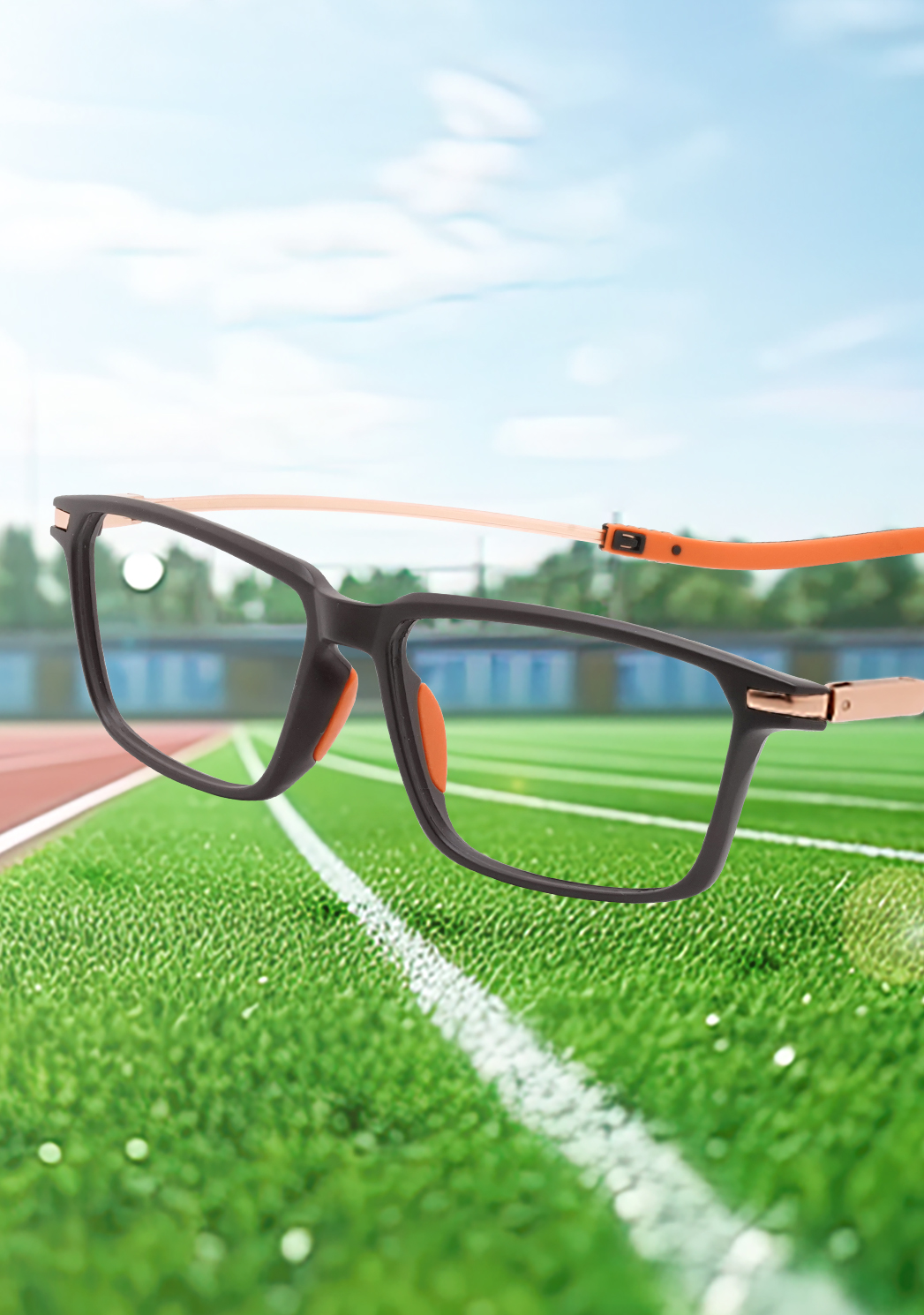
- Lightweight Materials: Heavy frames have more inertia and are more likely to be affected by movement. Look for frames made from lightweight, durable materials like TR90 or Ultem.
- Silicone Nose Pads: This is a non-negotiable feature for workout glasses. Unlike standard hard plastic pads, silicone offers significantly more grip, especially when you start to sweat. An expert tip: these pads aren't invincible. Body oils and sweat can cause them to lose their grippy texture and become slick after about 3-6 months of regular gym use. They may need to be replaced even if they look intact.
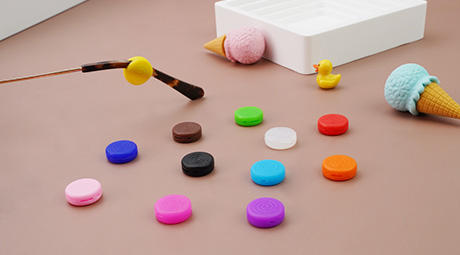
- Temple Arm Grip: The arms of the frame should wrap comfortably and securely over your ears. Some sports frames have rubberized or adjustable temple tips to enhance this grip.
Lens Choice: Prioritizing Safety and Clarity
Your choice of lens material is critical for safety. All prescription lenses sold in the U.S. must meet a standard for impact resistance, as mandated by the FDA's "Drop Ball Test". However, some materials are far superior to others for active use.
According to the American Optometric Association (AOA), polycarbonate and Trivex lenses are the top choices for sports and work. Polycarbonate is exceptionally impact-resistant, making it the standard for safety glasses. This ensures your eyes are protected from accidental bumps or impacts in a busy gym environment.
For those with very high prescriptions, a wraparound frame style can offer enhanced stability and a wider field of vision. However, as we discuss in our guide to high prescription sunglasses, ensuring correct optical alignment in these frames is crucial to avoid distortion.

Securing Your Eyewear: The Art of the Strap and Adjustment
Even with the perfect frames and lenses, high-intensity exercise may require an extra layer of security. This is where sports straps come in.
An adjustable eyewear strap is an inexpensive and highly effective solution. It works by creating gentle tension that holds the frames against your head. However, many users make a common mistake: overtightening the strap. Cranking the tension too high creates uncomfortable pressure points on your temples and, over time, can actually warp the frame. This distortion can throw off the precise optical alignment of your lenses.
The correct tension should allow the glasses to sit securely without indenting your skin. The goal is stability, not compression.
To verify your setup, use this simple practitioner's trick: the "Head Shake Test." After putting on your glasses and securing the strap, stand in front of a mirror and shake your head from side to side with moderate force. If the glasses shift more than a few millimeters or require immediate readjustment, the fit needs to be tighter or more refined.
Alternative Solution: Contact Lenses for Unrestricted Movement
For many athletes, the ultimate solution is to ditch frames altogether. Contact lenses offer complete freedom from slippage, fogging, and peripheral vision obstruction. However, this convenience comes with a critical responsibility for hygiene.
According to a study published by the Centers for Disease Control and Prevention (CDC), an astonishing 99% of contact lens wearers report at least one risky hygiene behavior. These behaviors, such as sleeping in lenses or improper cleaning, significantly increase the risk of painful and potentially sight-threatening eye infections. The FDA warns that these infections can lead to outcomes as severe as corneal ulcers or even blindness.
For gym-goers, daily disposable lenses are often the safest and most convenient choice. By using a fresh pair for each workout and discarding them immediately after, you eliminate the risks associated with contaminated lenses or cleaning solutions. This approach is particularly beneficial for those who only want to wear contacts for specific activities, providing a hygienic solution without the long-term commitment of reusable lenses.
Glasses vs. Contacts at the Gym: A Comparison
| Feature | Prescription Glasses | Daily Disposable Contacts |
|---|---|---|
| Stability | Can slip with sweat/impact; requires straps. | Excellent; moves with the eye. |
| Field of View | Limited by frame size. | Unobstructed peripheral vision. |
| Fogging | Prone to fogging with temperature changes. | Does not fog. |
| Maintenance | Requires cleaning (lenses and pads). | None; discard after use. |
| Infection Risk | Very low. | Higher; mitigated by strict hygiene. |
| Convenience | Easy to put on/take off. | Requires insertion/removal practice. |
Frequently Asked Questions (FAQ)
Q: How can I stop my glasses from fogging up during a workout?
A: Fogging is caused by warm, moist air from your breath or body hitting a colder lens surface. Ensure good ventilation around your face. Some anti-fog sprays or wipes can also provide a temporary solution by creating a hydrophilic coating on the lens.
Q: Are my high-prescription glasses safe to wear for sports like basketball?
A: While standard glasses with polycarbonate lenses offer good impact resistance, they are not a substitute for certified sports safety goggles. For contact or high-velocity sports, dedicated prescription sports goggles that meet ASTM F803 standards are the safest choice.
Q: My vision feels weird when I wear a new pair of wraparound glasses. Why?
A: This is often due to the way a highly curved lens bends light compared to a flatter one. It can sometimes induce a "fishbowl" effect or slight distortion, especially with higher prescriptions. If you're considering this style, read our article on minimizing distortion in prescription sunglasses for more insight.
Disclaimer: This article is for informational purposes only and does not constitute professional medical advice. Always consult with a qualified optometrist or ophthalmologist to determine the best vision correction strategy for your individual needs, especially if you have pre-existing eye conditions.
References
- Cleveland Clinic: How to Read Your Eye Prescription
- FDA: Impact Resistant Lenses - Questions and Answers
- American Optometric Association (AOA): UV Protection
- Centers for Disease Control and Prevention (CDC): Demographics and Risk Behaviors for Contact Lens–Related Eye Infections
- FDA: Contact Lens Risks


