
The Science of Natural Light and Myopia Prevention
Executive Summary: A New Outlook on Childhood Vision
The prevalence of myopia, or nearsightedness, in children is increasing globally, prompting a search for effective, accessible prevention strategies. While genetics and screen time play a role, a compelling body of scientific evidence points to a powerful, natural tool for safeguarding children's vision: outdoor light. This article explores the biological link between time spent outdoors and healthy eye development. We will delve into the science of how bright, natural light signals the eye to grow properly, debunk common myths about sunglasses and blue light, and provide parents with evidence-based, actionable strategies to reduce the risk of myopia and support their children's long-term eye health.
The Growing Eye: How Myopia Develops
At its core, myopia is a structural issue. It typically occurs when the eyeball elongates more than it should during childhood and adolescence. This extra length causes light entering the eye to focus in front of the retina instead of directly on it, making distant objects appear blurry. According to the American Academy of Ophthalmology, this condition often presents with symptoms like squinting, eye strain, and headaches.
While glasses and contact lenses can correct the blurry vision caused by myopia, they do not address the underlying elongation. This is a critical distinction because high levels of myopia (typically defined as a prescription of -6.00D or more) are not just an inconvenience; they are a significant health risk. As noted by eye care experts, an excessively elongated eyeball can lead to a thinning of the retina, substantially increasing the lifetime risk of serious, vision-threatening conditions such as retinal detachment, glaucoma, and cataracts.
The key to prevention lies in understanding what regulates this growth. Research has uncovered a crucial biochemical mechanism: the Dopamine Hypothesis. Natural outdoor light is exponentially brighter than even the most well-lit indoor spaces. This intense light stimulates the release of the neurotransmitter dopamine directly within the retina. Dopamine then acts as a vital stop signal, inhibiting the abnormal axial elongation that leads to myopia. In essence, regular exposure to the brightness of the outdoors helps ensure the eye develops at a healthy, controlled pace.

More Than Just "Getting Outside": The Science of Light Exposure
One of the most common misconceptions is that simply "playing outside" is enough to protect against myopia. The science, however, reveals that the quality and quantity of light are what truly matter. The key difference between indoor and outdoor environments is a unit of measurement called lux.
- Indoor Environments: A typical home or classroom is lit at around 300 to 500 lux.
- Outdoor Environments: In contrast, a shaded area on a sunny day can measure over 10,000 lux. Direct sunlight can exceed 100,000 lux.
As a study on myopia prevention and outdoor light confirms, the retinal dopamine release needed to inhibit eye growth is triggered by these much higher lux levels, which are rarely achievable indoors. This is why the duration of outdoor exposure is so critical.
While there is no single magic number, most eye health professionals recommend a practical goal of at least two hours of outdoor time per day. This isn't about a single, uninterrupted block; cumulative exposure throughout the day is effective. A helpful rule of thumb for parents is to ensure a child's daily outdoor time is at least double their recreational screen time. This helps to counteract the myopiagenic (myopia-promoting) stimulus of sustained near-work with the protective stimulus of bright, natural light.
Debunking Myths: Answering Parents' Top Concerns
Navigating health advice can be confusing. Let's address some common questions and concerns with evidence-based answers.
Myth 1: "Will wearing sunglasses prevent the benefits of outdoor light?"
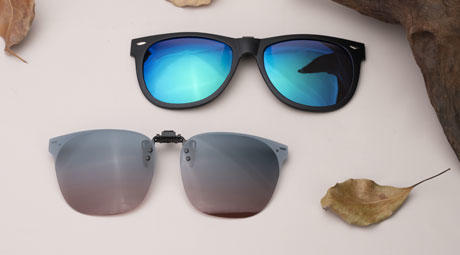
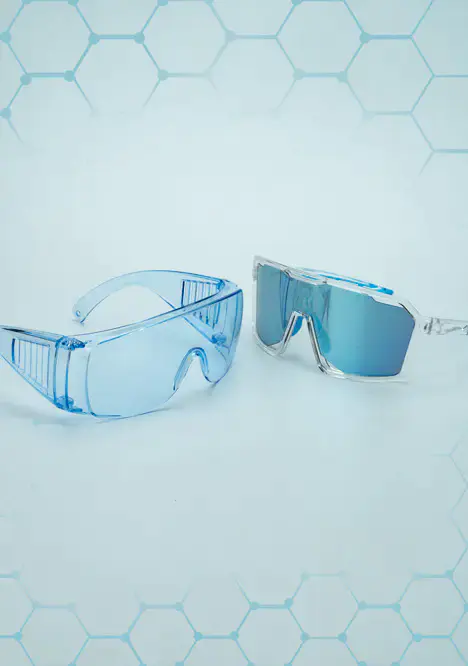
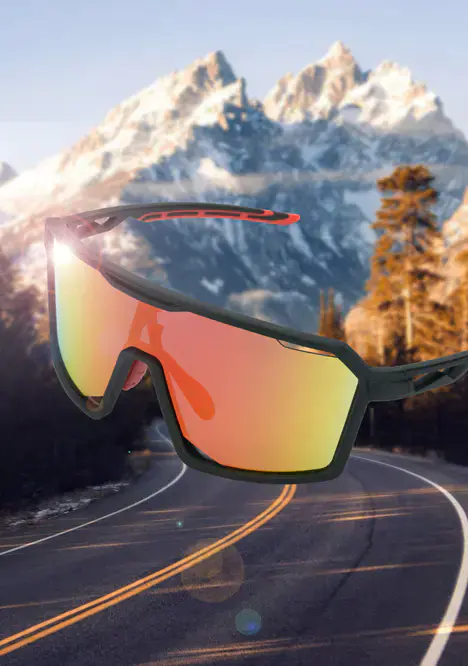
This is a frequent and important question. Parents worry that by blocking light, sunglasses might negate the anti-myopia effect. However, research provides clear reassurance. A pivotal study published in PMC confirmed that even when wearing sunglasses that reduce visible light, the overall ambient brightness outdoors is still far above the threshold required to stimulate retinal dopamine. The protective effect remains.
Furthermore, UV protection is non-negotiable. A child's crystalline lens is much clearer than an adult's, allowing more harmful UV radiation to penetrate the eye. Research on ocular UV dosimetry shows that up to 5% of UV can reach a child's retina, compared to just 1% in adults. As the Mayo Clinic emphasizes, UV damage is cumulative and is a known contributor to cataracts and other eye diseases later in life. Therefore, providing children with sunglasses that offer 100% UV (UV400) protection is a crucial health measure that does not compromise myopia prevention.
Myth 2: "Should my child wear blue light blocking glasses indoors?"
The marketing of blue light blocking glasses has created significant confusion. While they can be useful for regulating sleep cycles when worn in the evening, their all-day use for children warrants caution. Some research, including a theoretical risk model discussed in a Mayo Clinic journal, suggests that chronically depriving a developing eye of the full spectrum of light—including blue wavelengths—could potentially interfere with emmetropization, the process by which the eye learns to focus correctly.
Ophthalmologists from the Cleveland Clinic clarify that digital eye strain is primarily caused by reduced blinking and focusing fatigue, not by blue light itself. For children, the priority should be receiving a full spectrum of natural light during the day to promote healthy eye development and regulate their circadian rhythm.

An Actionable Plan for Parents
Integrating these principles into a busy family life can be straightforward with a structured approach. Here is a checklist to help you safeguard your child's vision.
-
Make Outdoor Time a Non-Negotiable Priority
- Goal: Aim for an average of two hours of outdoor time each day.
- Strategy: Break it up. A walk to and from school, recess, an after-school park visit, or playing in the yard all count. Consistency is more important than a single long session.
-
Seek Bright, Open Spaces
- Goal: Maximize exposure to high-lux environments.
- Strategy: Encourage play in open fields, parks, or backyards rather than consistently in deeply shaded areas. While any outdoor time is good, brighter ambient light is better.
-
Provide 100% UV Protection, Always
- Goal: Protect your child's eyes from cumulative UV damage.
- Strategy: Choose sunglasses labeled "UV400" or "100% UV Protection." This ensures that both UVA and UVB rays are blocked. Make wearing sunglasses and a hat a standard part of their routine for going outside, just like applying sunscreen.
-
Balance Near-Work with "Distance Breaks"
- Goal: Reduce the strain from prolonged indoor focus.
- Strategy: Enforce the "20-20-20 Rule": every 20 minutes of screen time or reading, look at something 20 feet away for at least 20 seconds. Encourage children to do homework near a window where they can frequently look up and outside.
-
Maintain a Partnership with Your Eye Doctor
- Goal: Ensure professional monitoring and care.
- Strategy: Schedule comprehensive eye exams as recommended by your optometrist or ophthalmologist. Lifestyle strategies are a powerful complement to, not a replacement for, professional medical care.
A Long-Term Investment in Healthy Vision
Protecting a child's vision is a marathon, not a sprint. The science is clear: incorporating consistent, bright outdoor light into a child's daily life is one of the most effective, evidence-based measures parents can take to reduce the risk of myopia onset and progression. It’s not about eliminating screens or forbidding reading, but about creating a healthy balance between our modern indoor lives and the natural outdoor world our eyes evolved for. By embracing these habits, you are not just helping your child see clearly today—you are making a profound investment in their eye health for a lifetime.
Disclaimer: This article is for informational purposes only and does not constitute professional medical advice. The information provided is not a substitute for a comprehensive eye exam or a consultation with a qualified optometrist or ophthalmologist. Always seek the advice of your eye care professional with any questions you may have regarding a medical condition or treatment.
References
- American Academy of Ophthalmology (AAO): Myopia (Nearsightedness)
- PMC, National Library of Medicine: Myopia Prevention in Children: Outdoors and Sunglasses
- PMC, National Library of Medicine: Ocular UV-Radiation and Protection in Childhood
- Cleveland Clinic Health Essentials: Do Blue Light Blocking Glasses Actually Work?
- Advanced Eye Care Center: The Link Between High Myopia and Serious Eye Diseases


