









Nose Pads vs. Bridge Design for a Secure Fit
TL;DR: Which Bridge Design Is Right for You?
- Choose Adjustable Nose Pads if: You have a high prescription (stronger than +/-4.00D), significant astigmatism, an asymmetrical nose, or prefer the classic look of metal frames. They offer the most precise fit for optimal vision.
- Choose a Fixed Bridge if: You have a low or wide nasal bridge, lead an active lifestyle, have sensitive skin, or prioritize durability and low maintenance. Look for "saddle" or "keyhole" shapes for the best results.
Finding a pair of glasses that fits perfectly can feel like a monumental task, especially when the primary cause of frustration is a frame that constantly slides down your nose. This single issue can lead to blurred vision, distracting adjustments, and even painful pressure points. The component at the heart of this problem is the bridge—the part of the frame that rests on your nose. The two dominant designs to solve this are traditional adjustable nose pads and the integrated fixed bridge.
This article provides a definitive comparison between these two designs. We will go beyond aesthetics to explore the mechanical advantages and disadvantages of each, helping you determine which is the ideal choice for your unique facial structure, prescription needs, and lifestyle.

The Critical Role of the Bridge in Vision and Comfort
Before comparing designs, it's essential to understand why the bridge fit is so crucial. It serves two primary functions: distributing the weight of the glasses and positioning the lenses correctly in front of your eyes.
- Weight Distribution: A well-fitting bridge distributes the weight of the frame and lenses evenly. A poor fit concentrates this weight onto small points, causing soreness, red marks, and discomfort after just a few hours of wear.
- Optical Center Alignment: Every prescription lens has an "optical center," the precise point that provides the truest vision. As explained by eye care professionals at the Cleveland Clinic, this center must align perfectly with your pupil. When glasses slide down your nose, this alignment is lost, forcing you to look through a less-optimal part of the lens. This can cause eye strain, headaches, and a sensation that your prescription is "wrong," even when it's not.
For individuals with a low nasal bridge—where the bridge of the nose is level with or below the pupils—this challenge is magnified. Standard frames are designed for higher bridges and will almost always slip without specific fit features.
Deep Dive: The Case for Adjustable Nose Pads
Adjustable nose pads are the small, articulating pads attached to metal arms, most commonly found on metal frames. They have long been the standard for prescription eyewear for good reason.
Advantages of Adjustable Nose Pads
- Unmatched Precision: Their key benefit is customizability. An optician can bend the pad arms to adjust the height, width, and angle of the frame with incredible precision. This ensures the optical center of your lenses can be placed exactly where it needs to be.
- Essential for High Prescriptions: From an expert fitter’s perspective, adjustable pads are non-negotiable for prescriptions stronger than +/-4.00 diopters or for those with significant astigmatism. The optical quality of these powerful lenses degrades sharply away from the center, so even a slight slip can severely impact visual clarity. For more tips on this, see our guide on managing the weight of high prescription glasses.
- Accommodates Asymmetry: Few noses are perfectly symmetrical. Adjustable pads can be set independently to accommodate any slight differences between the left and right sides of your nose, preventing the frame from tilting.
Disadvantages of Adjustable Nose Pads
- Concentrated Pressure: The most common mistake users make is overtightening the pads to prevent slippage. This is a flawed approach. Instead of creating a secure fit, it creates two small points of intense pressure on the nasal bone, leading to pain within a couple of hours.
- High Maintenance: The soft silicone used for most pads is porous. It absorbs oils from your skin, causing it to yellow, stiffen, and lose its grip over time. We observe that with daily wear, these pads typically need to be replaced every 12 to 18 months to maintain comfort and grip.
- Lifestyle Nuisances: The small arms can get tangled in long hair when you rest your glasses on your head. They can also bend out of shape easily, requiring frequent readjustments. This can be a particular challenge for children's eyewear.

The Engineered Alternative: The Fixed Bridge
Fixed bridges, typically found on acetate (plastic) frames, are not just a style choice; they are an engineered solution. Unlike adjustable pads, a fixed bridge’s fit is built directly into the frame's design. For those with low bridges, two specific designs are superior.
Types of Fixed Bridges for a Secure Fit
- Saddle Bridge: This design has a smooth, continuous U-shape that looks like a horse's saddle. It's designed to rest broadly across the nose, distributing weight over the largest possible surface area. The key to a good fit here is width. As a corrective heuristic, we advise selecting a saddle bridge that is 2-3mm wider than your actual nasal bridge. This creates a "cradling" effect, using the sides of the nose for support rather than just the top, which prevents sliding without creating pressure.
- Keyhole Bridge: Shaped like an old-fashioned keyhole, this design has two flared pads of material that rest on the sides of the nose. This design generally sits higher than a saddle bridge and is excellent for those who need a bit more clearance.
Advantages of a Fixed Bridge
- Superior Comfort and Pressure Distribution: By spreading the frame’s weight over a large, smooth area, a well-fitting fixed bridge eliminates the painful pressure points associated with adjustable pads.
- Durability and Low Maintenance: With no moving parts to bend or pads to replace, acetate frames with fixed bridges are exceptionally robust. They are a "set it and forget it" solution.
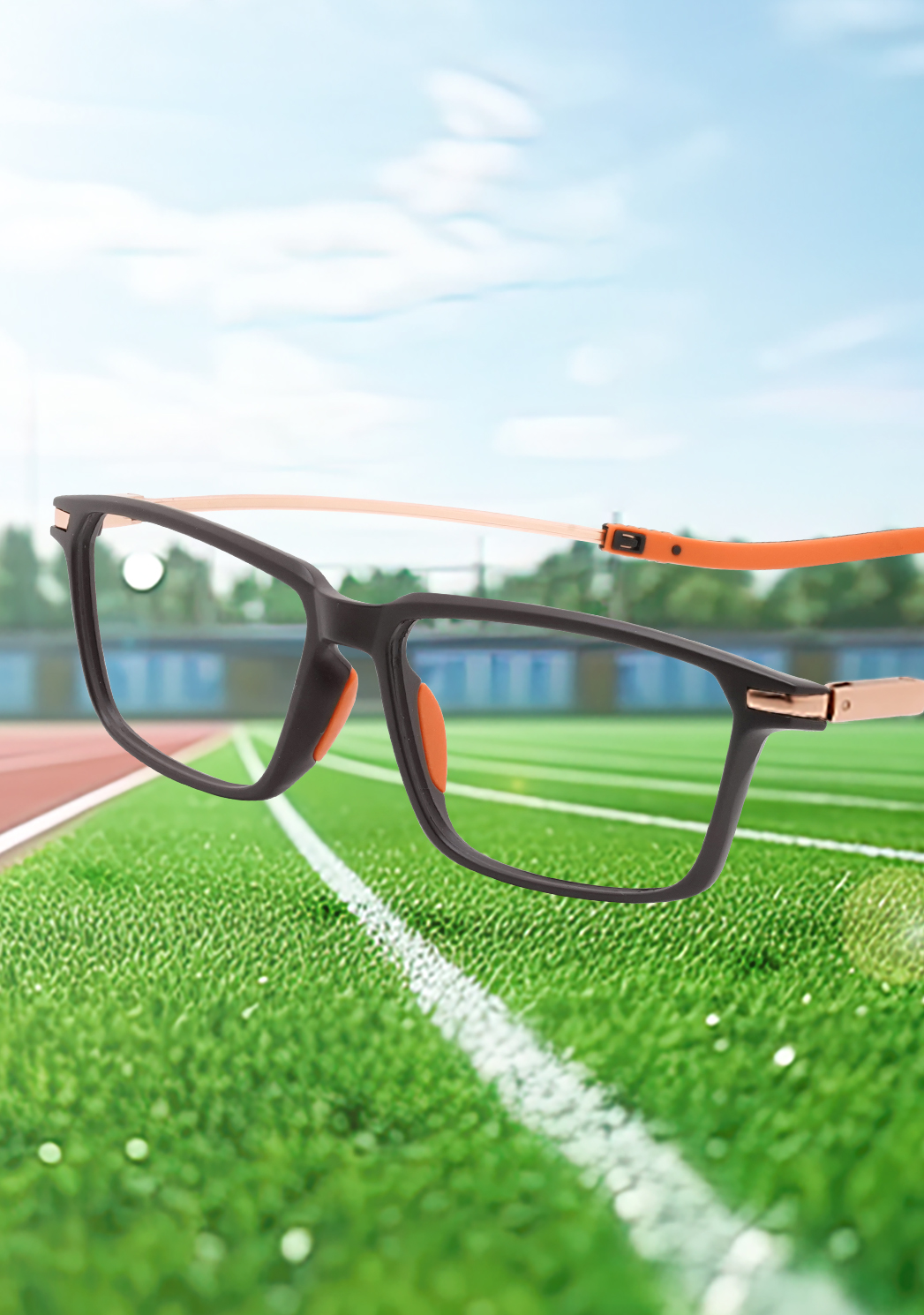
- Ideal for Active Use: The stability of a fixed bridge is a significant advantage for anyone active. In fact, for athletes, we often find that a fixed bridge with a textured silicone inset at the contact points provides more reliable stability than adjustable arms, which can loosen with movement. This is crucial if you need to keep your sunglasses secure when you sweat.
Disadvantages of a Fixed Bridge
- Fit is Final: The primary drawback is the lack of adjustability. If the bridge shape or size is wrong for your nose, nothing can be done to correct it. This makes trying on frames (or using a virtual try-on tool) absolutely critical.
- Less Suited for Very High Prescriptions: While excellent for most prescriptions, the inability to micro-adjust the lens position makes fixed bridges less ideal for the most complex and powerful lens designs that demand perfect optical centering.
Decision Framework: Which Bridge Is Best for You?
Use this table to make a quick decision based on your primary needs.
| Your Primary Need | Best Choice | The Reason Why |
|---|---|---|
| High Prescription (> +/-4.00D) | Adjustable Nose Pads | Guarantees the precise optical alignment necessary for complex lenses. |
| Low or Flat Nasal Bridge | Engineered Fixed Bridge | Saddle or keyhole designs provide a wider contact area to prevent slipping. |
| Active Lifestyle or Sports | Fixed Bridge | More durable and stable during movement; no arms to bend or loosen. |
| Sensitive Skin / Pressure Points | Fixed Bridge | Distributes weight evenly, preventing the concentrated pressure from pads. |
| Low Maintenance & Durability | Fixed Bridge | No pads to replace or arms to bend out of shape. |
| Asymmetrical Nose | Adjustable Nose Pads | Can be adjusted independently to level the frame on an uneven bridge. |
| Makeup Wearer | Either (with technique) | Both can cause smudging, but a secure fit is key. Learn how to stop sunglasses from smudging your makeup. |
Troubleshooting Common Fit Issues
Even with the right choice, small issues can arise. Here’s how to solve them:
-
The Problem: My adjustable pads are digging into my nose.
- The Cause: You've likely pinched them too tight. The goal is to increase surface contact, not pressure.
- The Fix: See an optician. They will adjust the pad arms so the pads sit flush against the sides of your nose, wrapping it instead of pinching it.
-
The Problem: My new plastic frames keep sliding.
- The Cause: The bridge is likely too narrow or not the right shape for your nose.
- The Fix: When selecting a frame, look for one with a bridge width that is slightly wider than your nose to create the "cradle" effect. Pay attention to the frame width guide and temple arm length for a holistic fit.
-
The Problem: I get headaches from my glasses.
- The Cause: This can be a sign of a poor fit causing incorrect optical alignment.
- The Fix: This is a common issue with ill-fitting frames. If adjustments don't help, you may need a different frame design. For more on this, read about solving headaches from tight sunglasses, as the principles are similar.
Frequently Asked Questions (FAQ)
1. What are "Asian Fit" or "Low Bridge Fit" glasses? These terms describe frames built with specific modifications for those with a low nasal bridge and higher cheekbones. They typically feature a narrower, built-up bridge or adjusted nose pads, increased frame tilt (pantoscopic tilt), and a wider overall design to prevent slipping and cheek-touching.
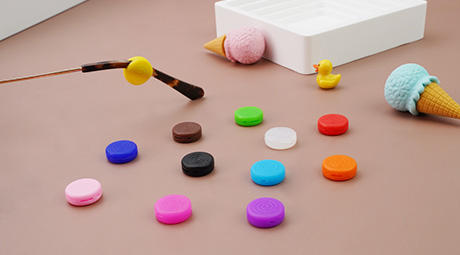
2. Can I add nose pads to my plastic frames? Yes, stick-on silicone nose pads are available. They can be a temporary fix for a frame that slips slightly. However, they are not a permanent solution for a fundamentally poor fit and will need to be replaced often.
3. How often should I replace my silicone nose pads? With daily wear, expect to replace them every 12-18 months. You’ll know it’s time when they become hard, yellowed, or lose their grippy texture.
4. Are metal frames with nose pads heavier than plastic frames? Not necessarily. While metal is denser, metal frames are often much thinner than acetate frames. The weight difference is usually negligible. The weight of your lenses, which must all pass the FDA's "Drop Ball Test" for impact resistance as outlined in 21 CFR 801.410, will have a much larger impact on the total weight.
5. Can the right frame material help with fit? Yes. Materials like polycarbonate are recommended by the American Optometric Association for their impact resistance and light weight, which can make a big difference in overall comfort, regardless of bridge type.
This article is for informational purposes only and does not constitute medical advice. Please consult with a qualified optician or ophthalmologist to determine the best eyewear solution for your specific needs, especially if you have a high prescription or pre-existing eye conditions.
References
- Cleveland Clinic. (n.d.). How to Read Your Eye Prescription. Retrieved from https://health.clevelandclinic.org/how-to-read-your-eye-prescription
- U.S. Food and Drug Administration. (2021). Impact-Resistant Lenses: Questions and Answers. Retrieved from https://www.fda.gov/regulatory-information/search-fda-guidance-documents/impact-resistant-lenses-questions-and-answers
- American Optometric Association. (n.d.). UV Protection. Retrieved from https://www.aoa.org/healthy-eyes/caring-for-your-eyes/uv-protection


