






Oversized Sunglasses and Eyebrow Rules: How to Nail the Look
The Unspoken Rule of Oversized Sunglasses
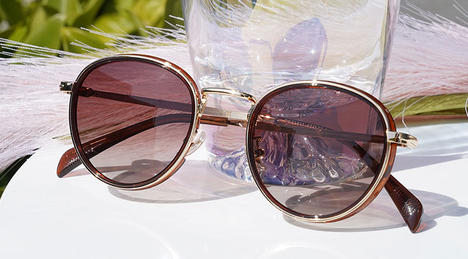
Oversized sunglasses are more than just an accessory; they're a statement. They can make you feel instantly glamorous, mysterious, and effortlessly cool. But there's a fine line between looking chic and looking like you're hiding behind your eyewear. The secret to nailing the look isn't about your face shape or the price tag—it's about one simple, game-changing detail: your eyebrows.
Getting the relationship between your frames and your brows right is the golden rule of wearing oversized sunglasses. It’s the subtle art that separates a flattering, face-framing look from one that just feels… off. This guide will break down that rule, explore the common mistakes to avoid, and dive into the practical science of choosing a pair that not only looks incredible but also keeps your eyes protected.
Here’s what you’ll learn:
- The Golden Rule: The precise placement for a flawless fit.
- Common Fit Mistakes: How to spot frames that overwhelm your features.
- Beyond the Look: Why oversized frames are a superior choice for eye health.
- High-Prescription Hacks: How to wear bold styles without the weight.
The Eyebrow Rule: Your Ultimate Fit Secret
Think of your eyebrows as the natural frame for your eyes. Any pair of glasses, especially a bold oversized pair, should respect that frame, not fight it.
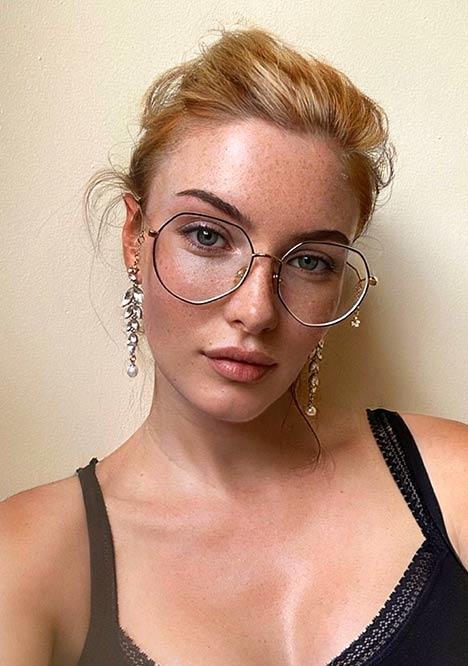
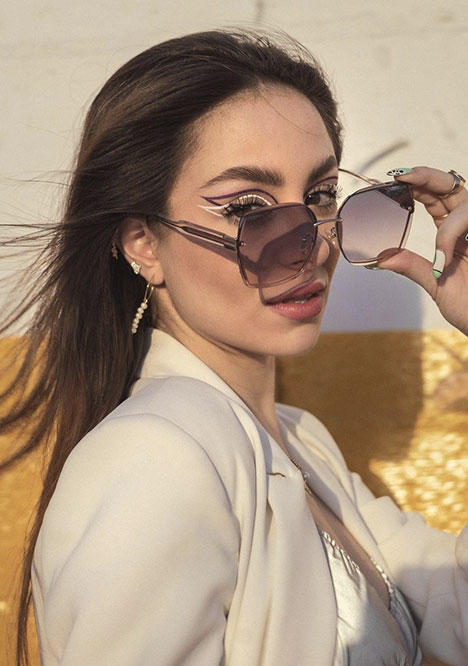
The Golden Rule: The top of your sunglass frame should follow the line of your eyebrow, sitting just above the highest point of your brow's arch. Ideally, you should see about 1-2mm of skin between the top of the frame and your eyebrow.
Why does this work so well? This placement allows the sunglasses to frame your eyes while letting your eyebrows frame the sunglasses. Your brows remain visible, allowing your natural expressions to come through. When the frame cuts directly through the middle of your eyebrow, it visually shortens the brow and can make your eyes appear smaller—the exact opposite of what you want. Hiding your eyebrows completely can flatten your facial features and obscure your expressions.
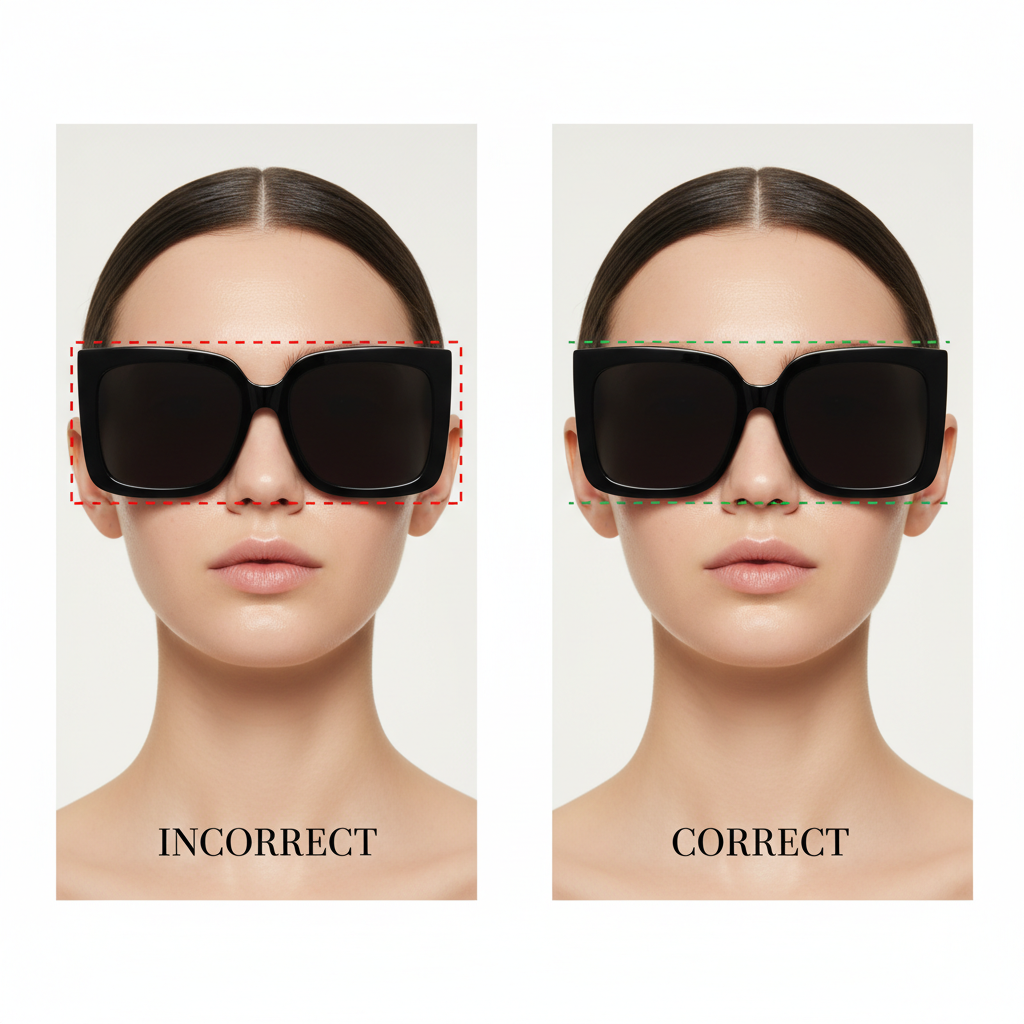
How to Test the Fit:
- Put on the sunglasses. Look straight into a mirror.
- Check the top line. Does the frame's top edge follow the curve of your brow?
- Look for the gap. Can you see a sliver of skin between your brow and the frame?
- Smile! Do the frames lift off your nose and press into your cheeks? If so, they are likely too big or the nose bridge is too wide. A proper fit means the frames should only make contact with your nose bridge and the sides of your head behind your ears.
Style Sins: 4 Common Oversized Sunglass Mistakes
Getting the eyebrow rule right means avoiding a few common pitfalls. Here are the top style sins we see and how to correct them.
1. The Brow Eraser This happens when the frames are so large or sit so high on your face that they completely cover your eyebrows. While it might feel like a celebrity hiding from the paparazzi, this look can swallow your features and make it hard for others to read your expressions.
- The Fix: Look for frames with a lower bridge or a shape that curves down slightly at the top, allowing your brows to peek out.
2. The Brow Splitter This is the most common mistake: the top rim of the frame cuts directly across the middle of your eyebrow. It creates a harsh, horizontal line that visually chops your brow in half, disrupting the natural arch and making the eye area look compressed.
- The Fix: This is a clear sign the frames are sitting too low. Opt for a style with a higher bridge or use adjustable nose pads to lift the frame into that sweet spot just above the brow line.
3. The Cheek Pincher You’ve found a pair you love, but when you smile, they press into your cheeks, smudging your makeup and feeling uncomfortable. This means the bottom curve of the lens is too deep for your face.
- The Fix: Look for oversized styles that are wider rather than longer. A geometric or cat-eye shape can provide that bold look without resting on your apples.
4. The Nose Slider There's nothing more annoying than constantly pushing your sunglasses back up your nose. This usually happens for two reasons: the bridge is too wide, or the lenses are too heavy for the frame’s support system. This is an especially common issue for those with high prescriptions.
- The Fix: Ensure the nose bridge fits snugly without pinching. For heavier lenses, frames with adjustable silicone nose pads are a must. They distribute weight more evenly and provide grip, preventing the dreaded slide, especially in warm weather.
The Science of Chic: Why Bigger is Better for Eye Health
While oversized sunglasses are a fashion statement, their benefits go far beyond style. A larger frame provides significantly more protection for your eyes and the delicate skin around them.
Superior UV Protection UV damage is cumulative, starting from childhood, and is linked to serious conditions like cataracts and macular degeneration, according to the Mayo Clinic. The real danger often comes from peripheral light that leaks in from the top, bottom, and sides of smaller frames.
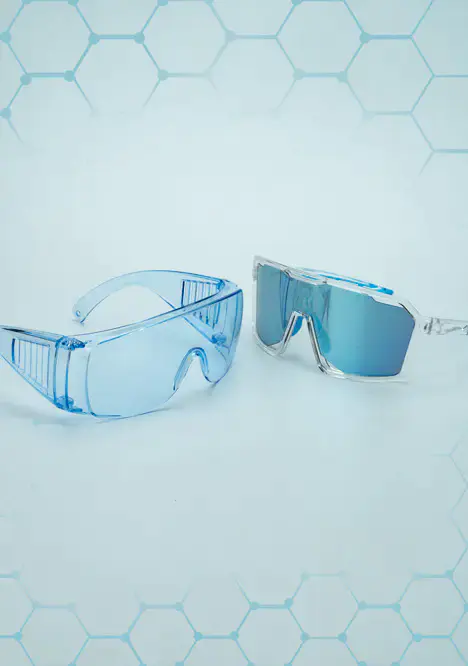
Oversized and wraparound styles excel at blocking this stray light. Research on ocular dosimetry using 3D models has shown that "middle-sized" sunglasses offer the least protection due to this peripheral leakage. As noted in a study published in PMC, goggles and wraparound styles provide nearly 100% protection by creating a better seal around the eye socket. This phenomenon, where light from the side is focused onto the eye, is a key factor in the development of conditions like pterygium ("surfer's eye").

The Non-Negotiable UV400 Standard The label "100% UV Protection" can be misleading. Some standards only require protection up to 380 nanometers (nm). However, a significant amount of harmful UVA radiation exists in the 380-400 nm range. A technical report in PubMed highlights that this 20nm gap contains a substantial amount of solar energy that can harm the eye.
Always look for a "UV400" label, which certifies that the lenses block all light rays with wavelengths up to 400 nanometers. This ensures you're protected from the entire spectrum of UVA and UVB rays.
Debunking the "Darkness Myth" A darker lens does not mean more protection. In fact, a dark lens without certified UV400 protection is more dangerous than wearing no sunglasses at all. As experts at the MD Anderson Cancer Center warn, the dark tint causes your pupils to dilate, opening them up to let more damaging UV radiation reach your retina. True protection comes from the invisible UV-blocking filter embedded in or coated on the lens, not the color of the tint.
High Prescriptions in a High-Fashion World
Loving the oversized look when you have a strong prescription can feel challenging, but it's entirely achievable with the right technology and fit.
The Weight and Thickness Problem The primary issue with large frames and high prescriptions is lens thickness and weight. A larger lens requires more material, and for strong prescriptions, this can result in a thick, heavy "Coke bottle" edge that is both aesthetically unappealing and physically uncomfortable.
This is where high-index lens materials are essential. Standard plastic lenses have a refractive index of 1.50. High-index lenses, with ratings like 1.67 or 1.74, are made from a denser material that can bend light more efficiently. According to Ferris State University's College of Optometry, this means they can achieve the same prescription power with less material, resulting in lenses that are significantly thinner and lighter. For a large frame, choosing a high-index material is the key to comfortable all-day wear.
Fit is Everything The perceived weight of a frame isn't just about grams; it's about physics and weight distribution. A frame that is front-heavy due to large, thick lenses will constantly want to slide down your nose. To counteract this, a proper fit is critical.
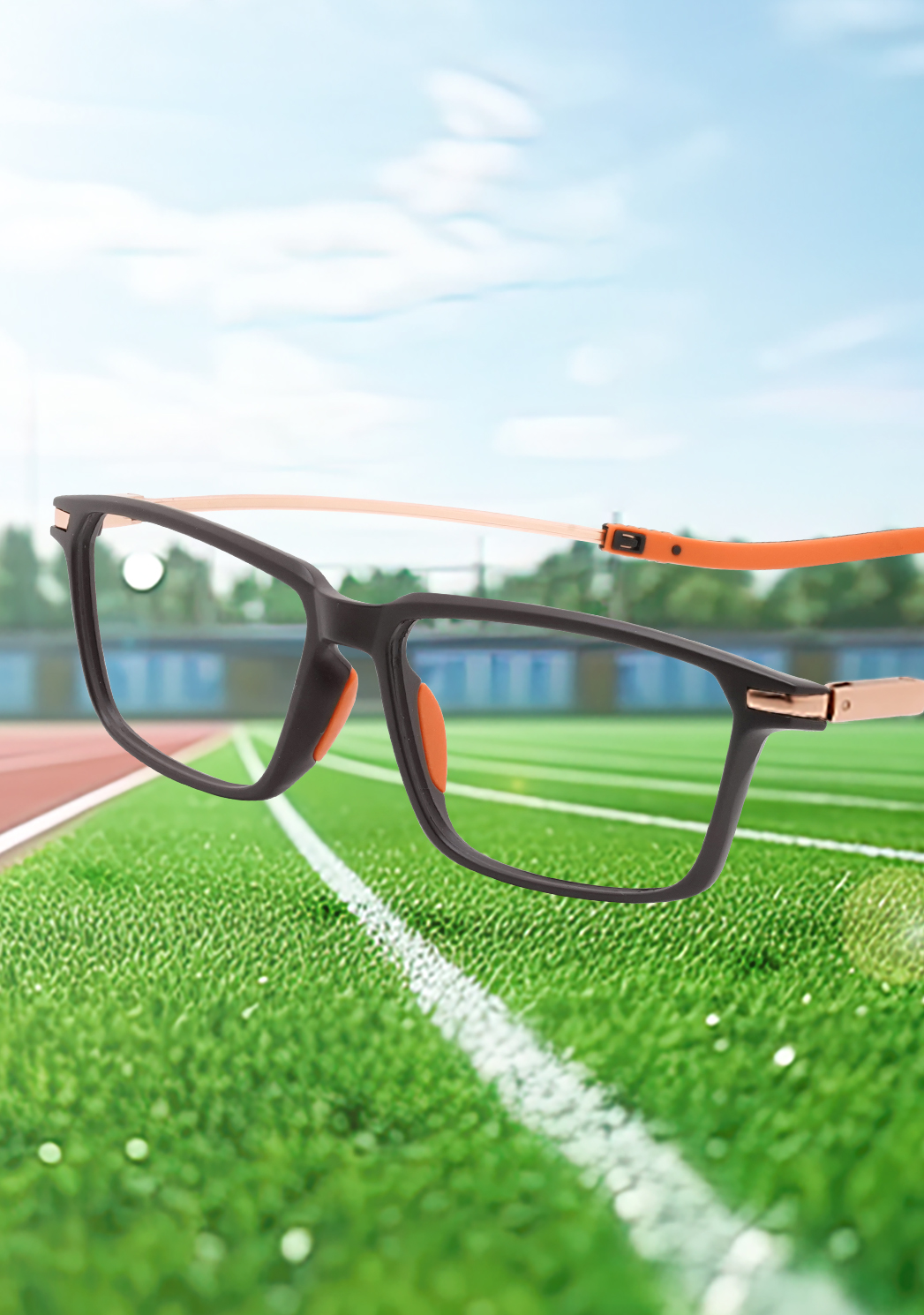
- Silicone Nose Pads: Unlike molded plastic bridges, adjustable silicone nose pads can be perfectly positioned to distribute the weight across a wider area of your nose, preventing red marks. The material also provides more grip.
- Temple Tip Curve: The "arms" of the glasses should have a gentle, secure curve over your ears to act as a counterbalance to the weight at the front.
All eyewear sold in the U.S., including sunglasses, must meet the FDA's impact-resistance standards (often called the "Drop Ball Test"). Modern materials like polycarbonate not only meet this standard but are also inherently lightweight and block 100% of UV rays, making them an excellent choice for active individuals.
Your Oversized Style Playbook
Once you’ve mastered the fit and function, it’s time for the fun part: styling. Oversized sunglasses are versatile enough to elevate any look.
The Casual Weekender For a relaxed brunch or a day of running errands, pair classic oversized square or round frames with your favorite jeans, a simple t-shirt, and a leather jacket. The sunglasses become the focal point, adding a touch of polish to an otherwise simple outfit.
The Urban Explorer Navigating the city calls for something sharp and modern. Try a pair of geometric or angular oversized sunglasses. They pair perfectly with structured blazers, wide-leg trousers, or a minimalist dress, creating a look that’s both professional and fashion-forward.
The Glamorous Getaway When you're poolside or on a beach vacation, go all out with a dramatic oversized cat-eye or a bold, colorful frame. This is the perfect time to experiment with statement pieces that feel fun and adventurous. They look fantastic with a wide-brimmed hat and a flowing sundress.
The Final Check
Choosing the right pair of oversized sunglasses is a balancing act between bold style and a comfortable, flattering fit. By following the eyebrow rule, you ensure your best features are enhanced, not hidden. Remember to look for that small gap between the frame and your brow—it’s the secret to making the trend work for you.
But don't forget the science behind the style. Prioritize UV400 protection to safeguard your long-term eye health, and if you have a strong prescription, invest in high-index lenses for a lighter, more comfortable experience. With the right knowledge, you can confidently rock a statement-making pair of oversized sunglasses that look amazing and work hard to protect your vision.
References
- American Academy of Ophthalmology (AAO). (n.d.). Choosing the Best Sunglasses. Retrieved from https://www.aao.org/eye-health/glasses-contacts/sunglasses-3
- Cole, B. L. (2019). Solar ultraviolet protection by sunglasses. Clinical and Experimental Optometry, 102(4), 337-343. Retrieved from https://pubmed.ncbi.nlm.nih.gov/31274741/
- MD Anderson Cancer Center. (2023). 9 things to know about sunglasses, eye protection and cancer. Retrieved from https://www.mdanderson.org/cancerwise/9-things-to-know-about-sunglasses--eye-protection-and-cancer.h00-159699123.html
- Mayo Clinic News Network. (2019). Mayo Clinic Minute: Why sunglasses are a must-wear. Retrieved from https://newsnetwork.mayoclinic.org/discussion/mayo-clinic-minute-why-sunglasses-are-a-must-wear/
- Vassileva, P. I., & Hrisoskova, A. I. (2021). Ocular UV Dosimetry: The Role of Frame Geometry and Lens Transmittance of Sunglasses. Photonics, 8(12), 543. Retrieved from https://pmc.ncbi.nlm.nih.gov/articles/PMC6803516/


