







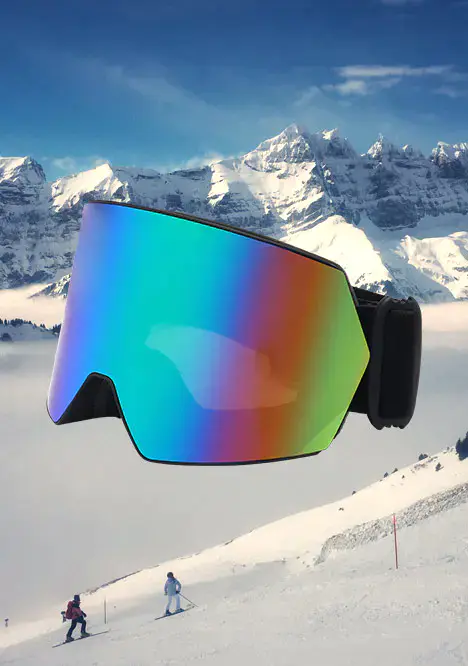

Explaining Photophobia: Your Guide to Comfortable Vision
Understanding Photophobia: A Practical Guide to Light Sensitivity
Living with photophobia, or significant light sensitivity, can feel like the world is constantly too bright. Simple activities, from walking outside on a sunny day to working under office lights, can trigger discomfort, squinting, and even headaches. If this sounds familiar, you are not alone. This isn't a personal failing or a simple annoyance; it's a real medical symptom with practical solutions.
This guide is designed to provide clarity and relief. We will break down what photophobia is, explore the science behind why light can cause discomfort, and provide a clear, actionable strategy for managing it. The primary tool in your arsenal will be high-quality, scientifically-backed eyewear designed specifically to combat the root causes of light sensitivity.
TL;DR: Your Quick Guide to Relief
- What it is: Photophobia is a medical symptom of light intolerance, not a fear of light. It's caused by various conditions, from migraines to dry eye.
- The Culprit: Intense glare and invisible UV radiation are the primary triggers for discomfort.
- The Best Solution: Polarized lenses are the most effective technology for eliminating glare. This should be combined with a UV400 rating to block 100% of harmful UV rays.
- Fit Matters: Large or wraparound frames prevent light from leaking in around the edges, providing a more comfortable experience.
- Beyond Glasses: Simple environmental changes, like adjusting indoor lighting and taking screen breaks, can also provide significant relief.
What is Photophobia? (And What It Isn't)
First, it's important to clarify a common misunderstanding. Despite the name, photophobia is not a psychological "phobia" or fear of light. It is a physical intolerance where the eyes cannot handle normal levels of light without discomfort. It’s a symptom, not a disease itself, signaling that something else may be happening with your eyes or nervous system.
Common Causes and Triggers
Light sensitivity is linked to a wide range of conditions. Understanding the potential cause is a key step toward finding the most effective relief. Some common triggers include:
- Migraines: Photophobia is a hallmark symptom of migraines, often appearing before and during an attack.
- Dry Eye Syndrome: When the eyes lack sufficient lubrication, the corneal surface can become irritated and hypersensitive to light.
- Eye Conditions: Ailments like uveitis (inflammation inside the eye), keratitis (corneal inflammation), and cataracts can increase light sensitivity.
- Post-Operative Recovery: It is common to experience temporary but intense photophobia after eye procedures like LASIK or cataract surgery as the eyes heal.
- Neurological Conditions: Certain neurological disorders or a history of head injury can also lead to chronic light sensitivity.
The Science of Discomfort: Why Light Can Hurt
To manage photophobia effectively, it helps to understand what's happening when light enters your eye. The discomfort is primarily caused by two factors: the intensity and quality of visible light (glare) and the damaging effects of invisible ultraviolet (UV) radiation.
The Problem of Glare
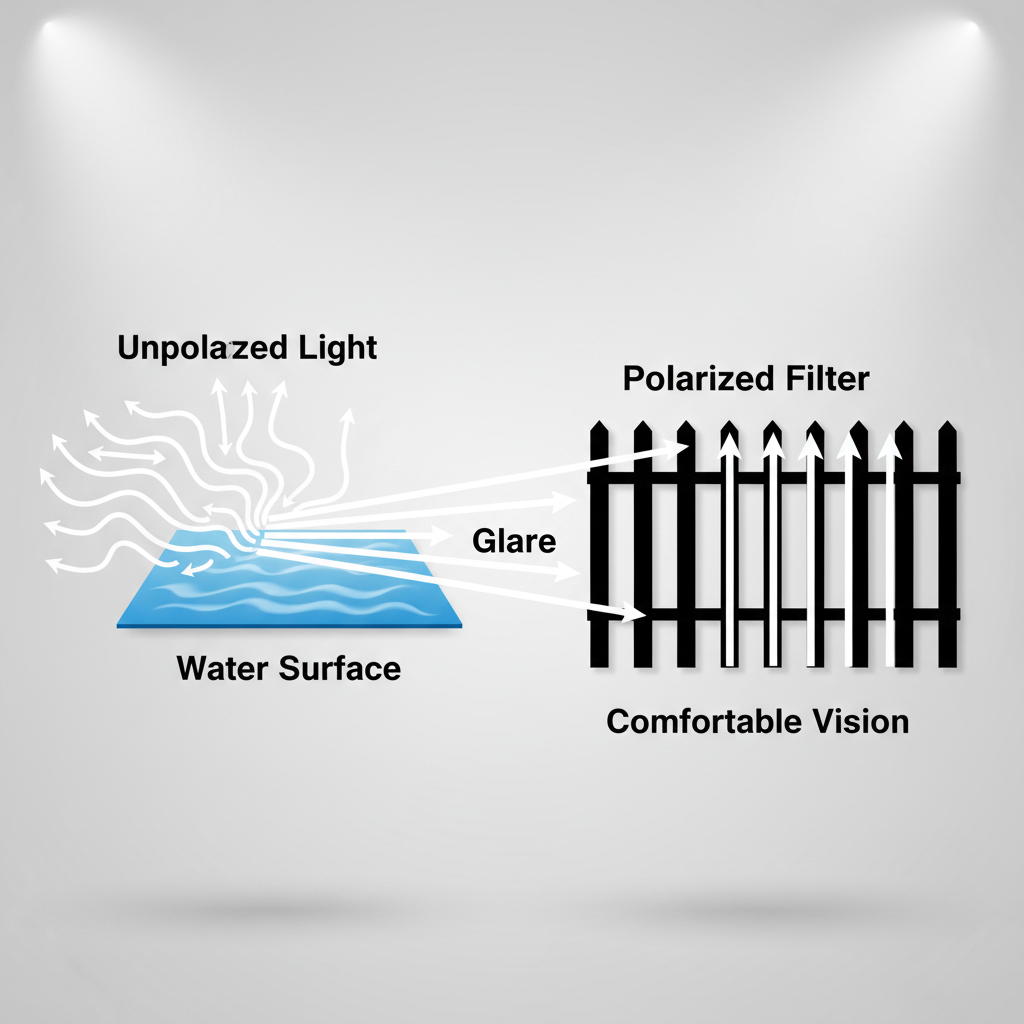
Glare is essentially visual noise. It occurs when an excessive amount of light enters the eye and interferes with its ability to see clearly. The most disruptive form is horizontal glare, which is created when light reflects off flat surfaces like a wet road, a body of water, or the hood of a car. This light is concentrated and uniform, overwhelming the eye's photoreceptors. According to Harvard Health Publishing, this is the specific type of light that polarized lenses are engineered to block.
The Hidden Danger of UV Radiation
Beyond the visible glare, invisible Ultraviolet (UV) light poses a significant, cumulative threat. Research from the National Eye Institute shows how UV radiation triggers a chemical process that causes the eye's lens to harden and yellow over time, leading to cataracts. This damage builds up over a lifetime, and conditions like cataracts can, in turn, worsen photophobia by scattering light within the eye.
Myth Debunked: The "Darkness Fallacy"
A pervasive myth is that any dark pair of sunglasses will solve light sensitivity. This is not only incorrect but potentially dangerous. As experts at MD Anderson Cancer Center warn, wearing dark lenses that lack certified UV protection causes your pupils to dilate. This allows even more damaging UV radiation to enter the eye than if you were wearing no glasses at all. True protection is about filtering light, not just dimming it.
Your Best Defense: Choosing the Right Eyewear
Selecting the right glasses is the single most impactful step you can take to manage photophobia. The goal is to find lenses that selectively filter out the "bad" light (glare and UV) while allowing comfortable levels of "good" light to pass through.
1. Polarization: The Gold Standard for Glare
Polarized lenses contain a special chemical film that is laminated in a vertical pattern. This pattern acts like a microscopic blind, blocking the intense horizontal light waves that create glare. For someone with photophobia, the effect is profound. It doesn't just make the world darker; it makes it clearer and more comfortable by eliminating the harshest, most painful wavelengths of reflected light.
2. UV400 Protection: The Non-Negotiable Safety Standard
The label you should always look for is "UV400," which means the lenses block 100% of UVA and UVB rays up to 400 nanometers. Some standards only require protection up to 380 nm, but as technical analyses have shown, the 380-400 nm band contains a significant amount of harmful energy. Insisting on UV400 ensures there are no gaps in your protection. This is a crucial detail for anyone concerned about the hidden eye damage from uncertified sunglasses.
3. Frame Geometry and Fit
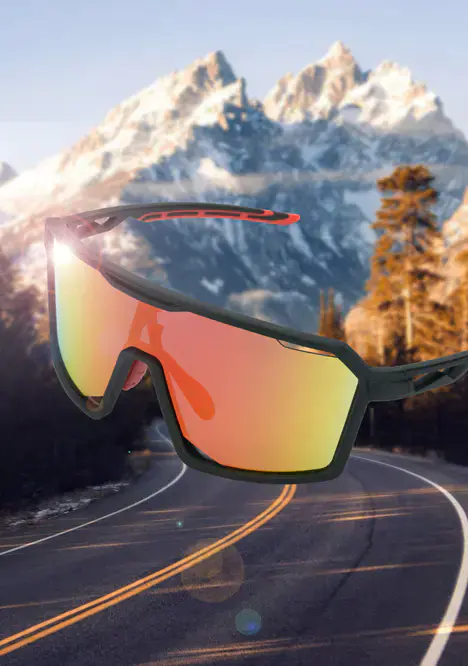
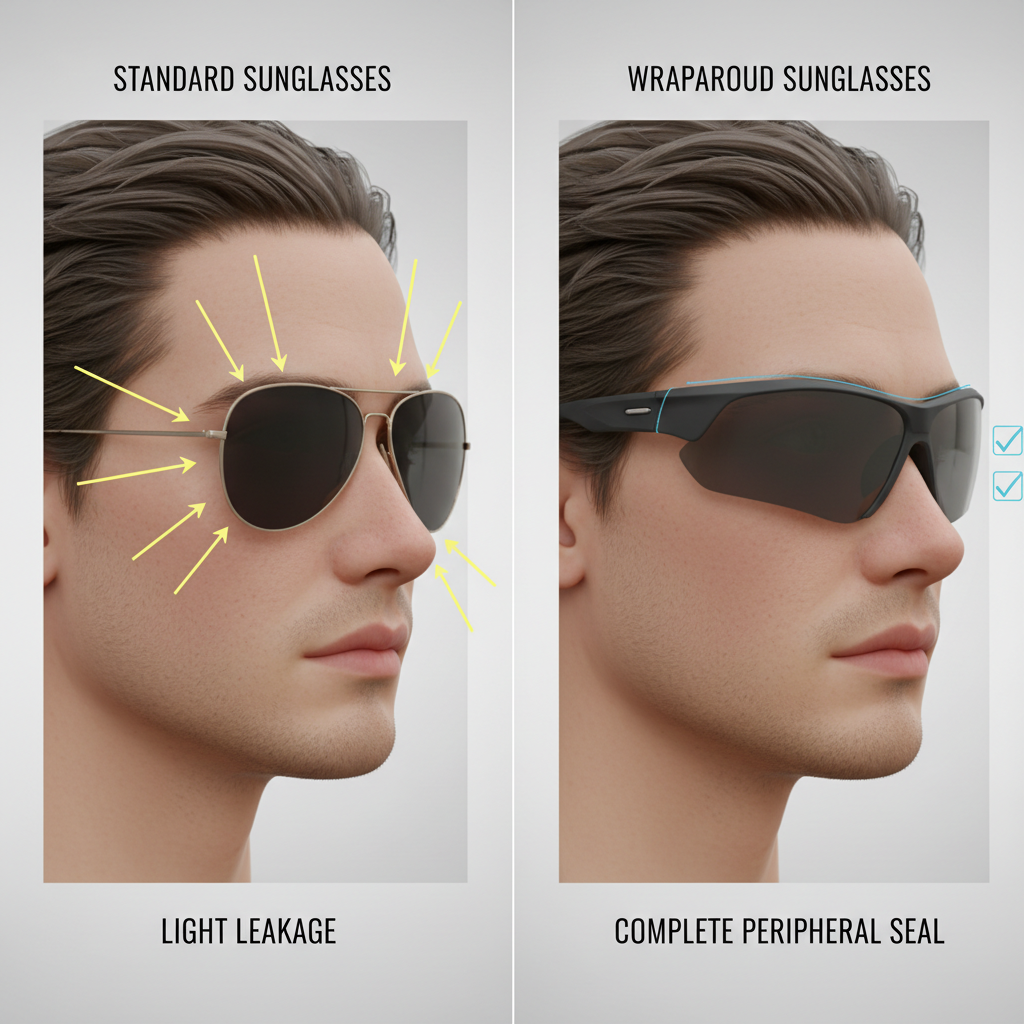
How a frame fits is just as important as the lenses it holds. A study on ocular UV exposure found that standard-sized frames can still allow significant peripheral light leakage from the sides and top. To combat this, the American Academy of Ophthalmology recommends oversized or wraparound styles. These designs create a better seal around the eyes, providing a more protected and soothing visual environment. If you have a strong prescription, a guide to wraparound high prescription sunglasses can help you find a comfortable and effective solution.
4. Lens Tints for Different Conditions
While polarization and UV protection are essential, the color of your lenses can further enhance visual comfort.
| Lens Tint | Primary Benefit | Best For |
|---|---|---|
| Gray | Reduces overall brightness without color distortion. | Driving, general outdoor use where color fidelity is important. |
| Brown/Amber | Enhances contrast and depth perception. | Cloudy days, fishing, sports where judging distance is key. |
| Green | Dims glare while brightening shadows. | All-purpose use, provides good contrast for low-light conditions. |
Beyond Eyewear: A Holistic Approach to Management
While the right glasses are your primary tool, a few lifestyle adjustments can provide additional relief, especially indoors.
- Control Your Lighting: Swap harsh, cool-toned fluorescent bulbs for warmer, full-spectrum LED lighting. Use dimmers and task lighting to control the intensity in your environment.
- Manage Screen Time: Digital screens are a major source of discomfort. Use the "20-20-20 rule": every 20 minutes, look at something 20 feet away for at least 20 seconds. This relaxes the focusing muscles in your eyes. You might also find value in understanding the signs of digital eye strain.
- Increase Contrast: For reading, use high-contrast modes on your digital devices (e.g., black text on a white background or vice versa). As Harvard Health suggests, simple adjustments to text size and contrast can make a significant difference.
Wrapping Up: Taking Control of Your Visual Comfort
Photophobia is more than a minor inconvenience; it's a condition that can significantly impact your quality of life. However, it is highly manageable. By understanding that the root of the problem lies in glare and UV radiation, you can take precise, effective steps to protect your eyes.
The solution starts with choosing the right defensive tool: a pair of high-quality polarized sunglasses with certified UV400 protection. Pairing this with a frame that offers ample coverage will create a comfortable visual sanctuary, allowing you to navigate the world with confidence instead of discomfort.
Frequently Asked Questions (FAQ)
1. Can photophobia be cured? Since photophobia is a symptom, not a disease, "curing" it depends on addressing the underlying cause. If it's caused by a temporary condition like post-operative healing or a migraine, it will resolve. For chronic conditions, management with protective eyewear and environmental controls is the most effective long-term strategy.
2. Are polarized lenses the same as UV-blocking lenses? No, they are two different technologies that address two different problems. Polarization blocks glare (reflected visible light), while UV protection blocks invisible ultraviolet radiation. For complete protection, especially for sensitive eyes, you need lenses that have both features.
3. Do I still need to wear sunglasses on a cloudy day? Yes. According to the American Academy of Ophthalmology, up to 80% of the sun's UV rays can penetrate clouds. Glare can also be intense on overcast days, especially if there are wet surfaces. Consistent protection is key.
4. Why are my eyes more sensitive after eye surgery? Heightened light sensitivity is a very common and expected part of the healing process after procedures like LASIK or cataract removal. The cornea and internal structures of the eye are recovering, and this inflammation makes them temporarily more reactive to light. Always follow your surgeon's specific post-operative instructions.
Disclaimer: This article is for informational purposes only and does not constitute professional medical advice. If you are experiencing severe or sudden photophobia, or if it is accompanied by pain, blurred vision, or headache, consult an ophthalmologist or medical professional immediately to rule out serious underlying conditions.


