





How Pollen & Allergens Stick to Contact Lenses
Ever find your eyes feeling gritty, itchy, and irritated the moment allergy season hits? If you wear contact lenses, you're not just imagining it. That pristine lens you put in this morning can become a tiny magnet for pollen, dust, and other allergens, turning your world into a blurry, uncomfortable mess. We're here to break down the science of why this happens and reveal why starting each day with a fresh pair of lenses is often the most effective strategy for comfortable vision.
The Science of a "Sticky" Lens: Why Allergens Accumulate
To understand why your contacts feel like sandpaper during a pollen storm, we first need to look at the environment of your eye. Your eye is protected by a complex, three-layered tear film. This film is essential for creating a smooth optical surface and keeping your eye healthy. When you place a contact lens on your eye, it sits right in the middle of this tear film.
Contact lenses are, by design, porous and hydrophilic (water-loving). This allows oxygen to pass through to your cornea, but it also means they can absorb components from your tear film, including proteins and lipids. According to the clinical overview in StatPearls, the lens interacts intimately with the tear film, which can unfortunately include trapping environmental particles that land on your eye.
Pro Tip: Not All Lenses Attract the Same Deposits
Lens material plays a significant role in what sticks. Decades of clinical observation have shown distinct patterns:
- High-Water Hydrogel Lenses: These older-style materials tend to act like a sponge for proteins found naturally in your tears. When pollen binds to these protein deposits, it creates a larger, more irritating particle.
- Silicone Hydrogel (SiHy) Lenses: While superior for oxygen permeability, these materials are more hydrophobic (water-repelling) at their core. This gives them a higher affinity for attracting lipid (oily) deposits. Allergens can get trapped in this lipid film.
Modern lenses often feature surface treatments to combat this, creating a more resistant and comfortable surface. However, over the course of a day, and especially over a month, deposits will inevitably build up.
The Vicious Cycle of Irritation
The problem doesn't stop with a single piece of pollen. Once an initial layer of deposits and allergens forms on the lens surface, it creates a rougher texture. This new surface is even better at trapping more particles, leading to a snowball effect. This accumulation is what causes the two primary symptoms for allergy-suffering contact lens wearers:
- Mechanical Irritation: The physical bulk of the deposits creates friction every time you blink. Your eyelid rubbing against this bumpy surface is what causes that classic "foreign body sensation" or gritty feeling.
- Allergic Response: The allergens held against your eye release histamines, triggering the tell-tale itching, redness, and swelling associated with an allergic reaction.
In severe cases, this constant mechanical irritation from deposits can lead to a condition called Giant Papillary Conjunctivitis (GPC), where bumps form on the underside of the eyelid, making lens wear painful and sometimes impossible.

Myth Debunked: Why "Cleaning" Isn't a Perfect Solution
A common misconception is that a good rinse is all it takes to clean a reusable contact lens. This is dangerously false. While solutions help, they cannot completely sterilize a lens or remove all embedded deposits. The Centers for Disease Control and Prevention (CDC) is clear that contact lenses are medical devices that require stringent hygiene protocols, including a "rub and rinse" step to mechanically dislodge debris.
Even with perfect cleaning, two problems remain:
- Biofilm Formation: Over time, deposits can become integrated into the lens material itself, creating a stubborn film that disinfecting solutions can't fully penetrate.
- Case Contamination: Your lens case is a major source of contamination. A study on daily disposable (DD) wearers found that nearly 21% still owned a lens case, indicating risky behaviors like storing and reusing lenses meant for single use. For monthly lens wearers, failing to clean and replace the case regularly (every 1-3 months) is a primary cause of eye infections.
The Daily Disposable Advantage: A Fresh Start Every Day
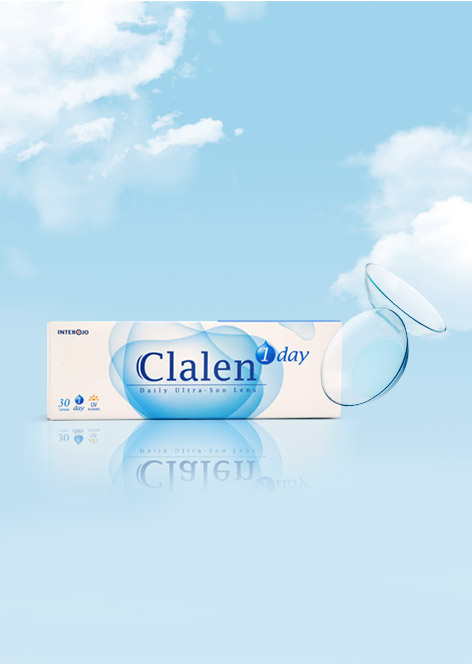
Given the limitations of cleaning, eye care professionals increasingly recommend daily disposable lenses as the gold standard for allergy sufferers. The logic is simple and powerful: you eliminate the variable of cumulative deposits.
Starting each day with a brand-new, sterile lens ensures there is no leftover pollen, protein, or biofilm from the day before. This single change can dramatically reduce symptoms. A retrospective study published in Contact Lens and Anterior Eye found that when "problem patients" (many with symptoms of dryness and irritation) were refitted from reusable lenses to daily disposables, they experienced a significant reduction in symptoms.

Daily Disposables vs. Reusable Lenses: Allergy Season Showdown
| Feature | Daily Disposables | Monthly/Bi-Weekly Reusables |
|---|---|---|
| Allergen Buildup | None. A fresh lens is used daily. | Deposits accumulate over the wear cycle. |
| Comfort | Consistently high. No degradation from deposits. | Can decrease as deposits build, causing friction. |
| Convenience | High. No cleaning or cases required. | Requires daily cleaning, storage, and case maintenance. |
| Infection Risk | Lower risk of solution/case-related infection. | Higher risk if cleaning/storage rules aren't followed. |
| Cost | Higher upfront cost per lens. | Lower cost per lens, but requires solutions/cases. |
This shift towards daily disposables is reflected in global trends, with a 24-year study showing their prescription rate growing from just 17% to nearly 47%, overtaking monthly lenses as the most popular option worldwide as noted in a 2024 report in Contact Lens Spectrum.
Allergy Season Survival Guide for Contact Lens Wearers
Switching to dailies is the most impactful step, but you can further improve your comfort with these habits:
- Wash Hands Thoroughly: Always wash and dry your hands before touching your eyes or lenses.
- Lenses First, Makeup Second: Insert contact lenses before applying makeup and remove them before washing your face at night to avoid contamination.
- Use Preservative-Free Drops: If you need to rewet your lenses, use single-use, preservative-free artificial tears. Preservatives in bottled drops can sometimes cause further irritation.
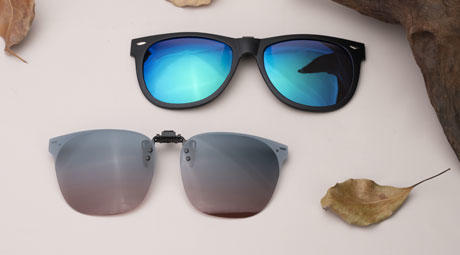
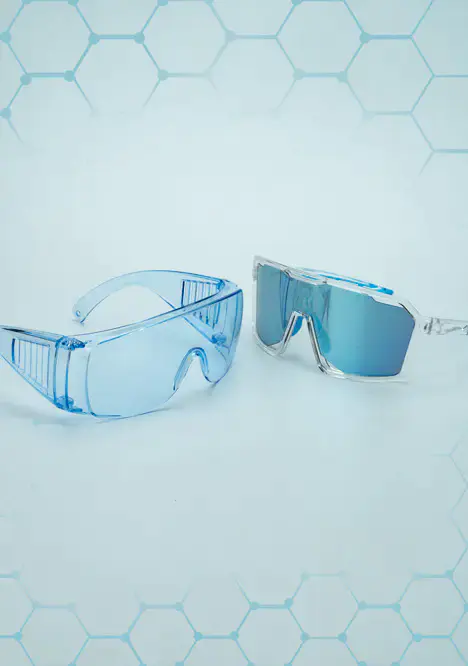
- Wear Sunglasses: A good pair of wraparound sunglasses acts as a physical barrier, blocking pollen from reaching your eyes in the first place. This is crucial because, as detailed in Why Contact Lens Wearers Still Need UV Sunglasses, contacts don't protect the entire eye area from the sun or allergens.
- Time Your Outings: Check local pollen counts and try to limit outdoor exposure during peak hours, which are typically midday and afternoon.
- Have Backup Glasses: On extremely high pollen days, give your eyes a break and wear your glasses.
When to See Your Eye Doctor
If you experience any of the following, remove your lenses immediately and consult your optometrist:
- Persistent, sharp pain
- Unusual light sensitivity
- Blurry vision that doesn't clear with blinking
- Significant redness or discharge
These can be signs of a more serious issue, like an infection or corneal ulcer, that requires prompt medical attention.
Key Takeaways for Clear, Comfortable Vision
Dealing with allergies as a contact lens wearer doesn't have to be a yearly struggle. Understanding that your lenses act as tiny sponges for pollen and deposits is the first step. While cleaning reusable lenses helps, it cannot compete with the clean-slate benefit of a daily disposable lens. By starting each day fresh, you remove the primary cause of allergy-related contact lens discomfort, allowing you to enjoy the season with clear, comfortable vision.
Frequently Asked Questions (FAQ)
Can I reuse my daily disposables if I only wear them for a few hours?
No. This is one of the most dangerous mistakes a wearer can make. Daily disposable lenses are not designed or FDA-approved for reuse or storage. A study published in Optometry and Vision Science found that 95% of reused daily disposable lenses showed significant bacterial contamination when stored in their blister packs. Always discard them after a single use.
Are more expensive daily disposables better for allergies?
Not necessarily. While premium lenses may have advanced surface coatings or materials that offer better initial comfort, the primary benefit for allergy sufferers is the "daily disposable" modality itself. The most important factor is compliance—choosing a lens you will wear as directed and discard every single day.
Will my vision get worse if I wear contacts during allergy season?
For most people, no. The irritation is temporary and related to the surface of the eye. However, severe, untreated allergic reactions or infections caused by poor hygiene can potentially lead to complications that affect vision. If your vision remains blurry even after removing your lenses, see your doctor.
Disclaimer: This article is for informational purposes only and does not constitute professional medical advice. Always consult with a qualified eye care professional for any health concerns or before making any decisions related to your eye health and contact lens wear. Follow your eye doctor's specific recommendations for lens type, wear schedule, and hygiene.


