













How to Avoid Dry Eyes While Wearing Contact Lenses on Planes
TL;DR: Your Fast-Track to Comfortable Flight
- Switch to Daily Disposables: Start your journey with a fresh, ultra-hydrated pair of lenses. They are the top choice for travel.
- Pack Smart: Bring preservative-free artificial tears (lubricating drops), your backup glasses, and a spare set of contacts.
- Never Use Cleaning Solution in Your Eyes: Multipurpose solutions are for cleaning, not rewetting. Using them directly in your eye will cause stinging and irritation.
- Hydrate Inside and Out: Drink plenty of water and use your rewetting drops proactively, about once every two hours.
- Choose Your Seat Wisely: Avoid bulkhead and exit rows. A window seat gives you more control over the personal air vent.
- Never Sleep in Your Lenses: Even a short nap dramatically increases your risk of a serious eye infection.
Traveling is one of life’s great pleasures, but for contact lens wearers, the journey can be a battle against nagging dryness and irritation. The moment you step onto a plane, you enter an environment that is uniquely hostile to your eyes. The recycled, low-humidity air in an airplane cabin can feel as dry as a desert, pulling moisture from your eyes and lenses, leaving them feeling gritty, sticky, and uncomfortable.
This guide is your comprehensive plan for fighting back against in-flight dryness. We’ll move beyond generic advice and give you actionable, expert-backed strategies to ensure your eyes feel fresh and comfortable from takeoff to landing. By understanding the science and adopting a few key habits, you can make dry, travel-weary eyes a thing of the past.
Why Airplanes Are the Ultimate Challenge for Contact Lenses
To win the battle, you first need to understand the enemy. The discomfort you feel isn’t just in your head; it’s a direct result of the aircraft’s environment and how it interacts with your lenses. According to research on military aviation, which studies similar low-humidity and low-oxygen environments, these conditions can cause significant ocular surface issues. The typical airplane cabin has a humidity level of around 10–20%, a stark contrast to the 40–60% our eyes are comfortable in. This arid environment acts like a sponge, drawing moisture from any available source—including your tear film and the contact lenses themselves.
Here’s the breakdown of what’s happening:
- Lens Dehydration: Soft contact lenses require a high water content to remain pliable and comfortable. As the dry cabin air evaporates moisture from the lens surface, the lens tries to replenish it by drawing from your eye’s natural tear film. This leaves your cornea dehydrated and irritated.
- Reduced Blink Rate: Whether you’re engrossed in a movie, reading a book, or working on a laptop, your blink rate naturally decreases. Blinking is your eye’s way of cleaning the lens and replenishing the tear film. When you blink less, this vital process slows down, leading to a buildup of deposits and that all-too-familiar gritty sensation.
- Oxygen Deprivation: While modern silicone hydrogel lenses are significantly more breathable than older materials, the lower atmospheric pressure at high altitudes can slightly reduce oxygen availability to the cornea, adding another layer of stress to the ocular system.
Pre-Flight Protocol: Your In-Flight Comfort Kit
Success begins on the ground. Preparing a dedicated eye care kit before you head to the airport is the single most important step you can take.
The Daily Disposable Advantage
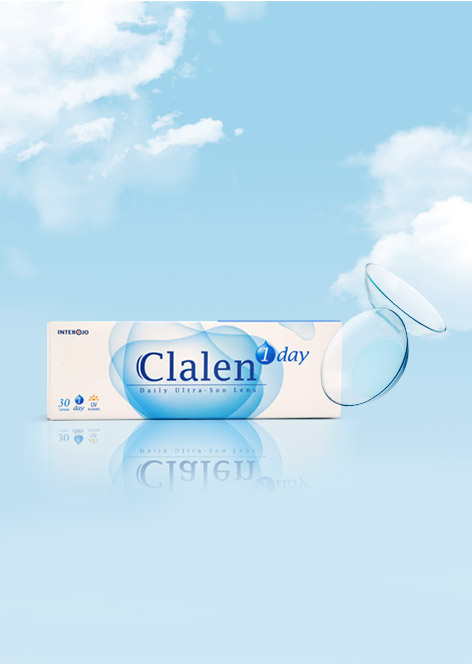
If you normally wear monthly or bi-weekly lenses, consider switching to daily disposables specifically for travel. Starting the day with a brand new, perfectly clean, and highly hydrated lens provides a significant advantage. There's no risk of residual protein buildup from previous wears, which can exacerbate dryness. Furthermore, studies on refitting patients with a history of discomfort have shown that switching to daily disposables can significantly reduce symptoms of dryness. For more on this, see our guide on how daily disposable lenses can help with dry eyes.
Your Essential Packing List
Your carry-on should include a small, accessible bag with the following items:
- Preservative-Free (PF) Artificial Tears: This is non-negotiable. Look for single-use vials of lubricating drops. Crucially, never use your multipurpose cleaning and disinfecting solution as a rewetting drop. This is a common mistake travelers make. Cleaning solutions contain agents that are meant to kill microorganisms on the lens surface; when put directly into the eye, they cause significant stinging, irritation, and can even damage the lens polymer.
- A Spare Pair of Lenses: Whether you’re wearing dailies or reusables, always have a backup pair. A torn lens or one that falls on the floor can ruin a travel day if you don’t have a replacement.
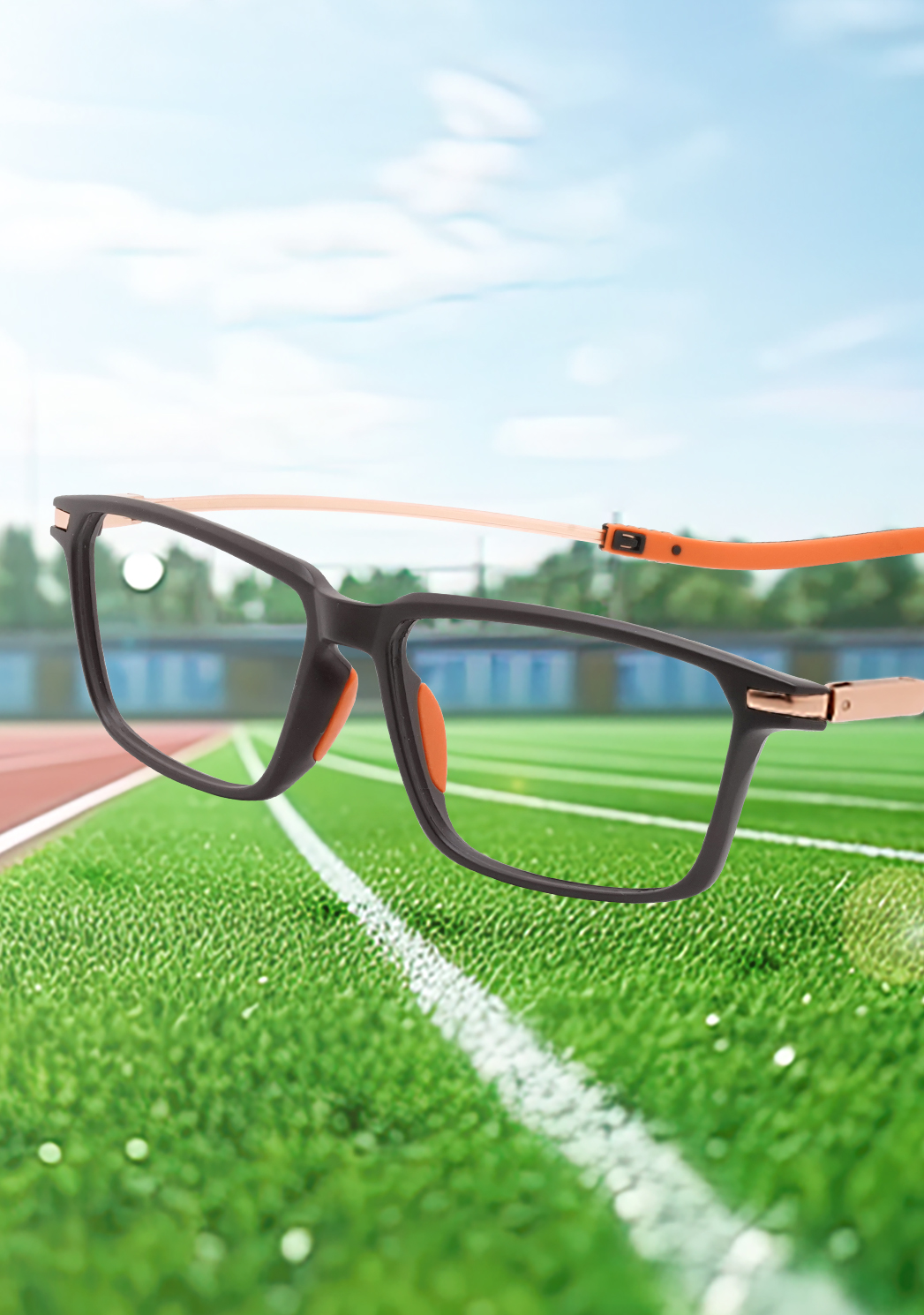
- Your Backup Glasses: Give your eyes a break. Having your glasses handy allows you to take your lenses out during the last hour of the flight or immediately upon landing, giving your eyes a much-needed recovery period.
In-Flight Survival Guide: Hour-by-Hour Tactics
Once you’re airborne, a proactive approach is key. Don’t wait for discomfort to set in.
Choose Your Seat and Control Your Air
The driest air is often found where airflow is strongest. Experienced frequent flyers know to avoid bulkhead and exit rows, as the air circulation is often more intense in these areas.
- Best Bet: A window seat. This gives you primary control over the personal air vent above you.
- Pro Tip: Aim the air nozzle away from your face. Point it toward the cabin wall or your chest to keep air circulating without creating a direct wind tunnel into your eyes.
Hydrate Relentlessly
Dehydration affects your entire body, including your ability to produce quality tears.
- Drink Water: Accept the water offered by the flight attendants and consider bringing your own bottle to fill up post-security.
- Avoid Diuretics: Alcohol and caffeine both have a dehydrating effect, which will only worsen your symptoms. Opt for water or herbal tea instead.
The Mid-Flight "Lens Flush"
On long-haul flights (over 6-8 hours), simply adding drops over your lenses may not be enough to combat the gritty buildup of protein deposits. For a complete refresh, perform a "lens flush" in the lavatory.
- Wash Your Hands: Thoroughly wash and dry your hands.
- Remove One Lens: Carefully remove the contact lens and place it in the palm of your hand.
- Rinse Thoroughly: Squeeze several drops from your vial of preservative-free artificial tears onto the lens. Gently rub it as you would with a cleaning solution.
- Re-insert: Once rinsed, re-insert the fresh, clean lens.
- Repeat: Do the same for the other eye.
This process removes allergens and protein deposits far more effectively than a simple rewetting drop and can make a world of difference in your comfort on a long journey.
Troubleshooting and Post-Flight Care
Even with perfect preparation, issues can arise. Knowing how to respond is crucial.
Common In-Flight Scenarios (FAQ)
-
Q: I feel a gritty sensation under my lens. What should I do?
- A: This is a classic sign of a dehydrated lens or a piece of debris. Do not rub your eye. The best course of action is to perform the "Lens Flush" described above. If you’re wearing daily disposables, it’s even easier: just replace the offending lens with a fresh one. If the feeling persists, remove your lenses and switch to glasses. According to the FDA, a persistent gritty feeling can be a symptom of more serious issues, so it shouldn't be ignored.
-
Q: Is it okay to take a nap on the plane while wearing my lenses?
- A: No, absolutely not. Sleeping in contact lenses, even for a short period, dramatically increases your risk of a painful and potentially sight-threatening corneal infection (ulcerative keratitis). A landmark case-control study on overnight wear found that it confers an over 8-fold excess risk compared to daily wear. The low-oxygen, low-humidity cabin environment only makes it riskier. Always remove your lenses before sleeping on a plane.
-
Q: My eyes are red and irritated after the flight. What now?
- A: Immediately remove your lenses and switch to your glasses to give your corneas time to recover and re-oxygenate. Use preservative-free lubricating drops every couple of hours. If the redness, pain, or light sensitivity doesn't improve within a few hours or worsens, it’s essential to see an eye care professional. As the CDC advises, red or painful eyes in contact lens wearers require prompt attention to rule out infection.
The Recovery Phase
Consider wearing your glasses for the final hour of your flight. This simple trick, used by many seasoned travelers, allows your tear film to replenish and your ocular surface to rehydrate before you even land. It makes the transition off the plane and the process of removing your lenses later much more comfortable.
By adopting these professional strategies, you can transform your travel experience. Flying doesn’t have to be a source of dread for your eyes. With the right preparation and proactive care, you can step off the plane with eyes that feel as fresh and ready for adventure as you are.
Disclaimer: This article is for informational purposes only and does not constitute professional medical advice. Always consult with a qualified eye care professional for any health concerns, before starting a new eye care regimen, or to determine if contact lenses are right for you. If you experience persistent eye pain, redness, or vision changes, seek immediate medical attention.
References
- Military Aviation & Adverse Effects: Adverse Effects of Contact Lens Wear in the Military Aviation Environment
- Refitting Problem Patients: Refitting "Problem" Patients with Daily Disposables
- FDA Contact Lens Risks: FDA - Contact Lens Risks
- Overnight Wear Risk Study: Case-Control Study: Overnight Wear Risks
- CDC Risk Factors: CDC - Causes of Contact Lens-Related Eye Infections


