








Chef’s Eyewear: How to Prevent Lens Fogging in High-Heat Kitchens
The Chef’s Dilemma: A Clear Guide to Fog-Free Vision in the Kitchen
For a chef, clear vision is as critical as a sharp knife. Yet, in the high-heat, high-steam environment of a professional kitchen, foggy glasses are a constant, frustrating, and potentially hazardous reality. That moment when a blast of steam from a pot or an oven door instantly blinds you isn't just an inconvenience—it's a safety risk. This guide cuts through the confusion, providing a practical, science-backed framework for keeping your lenses clear, even during the most intense service.
TL;DR: The 3 Essentials for Fog-Free Kitchen Eyewear
- Prioritize Frame Ventilation: The most effective solution is a frame that allows air to circulate. Look for adjustable nose pads or brow bars that create a small gap between your face and the lenses, preventing moist air from getting trapped.
- Invest in Factory Anti-Fog Coatings: A professionally applied hydrophilic coating is far more durable and effective than temporary sprays. It works by spreading moisture into a transparent, invisible film.
- Master Your Cleaning Technique: Never use abrasive cloths or alcohol-based cleaners. These will strip your anti-fog coating. Use a drop of mild dish soap, lukewarm water, and gently pat dry with a clean microfiber cloth.
Why Your Glasses Fog Up in the First Place
The science of foggy lenses is simple: it’s all about condensation. When the warm, humid air of the kitchen—filled with steam from boiling pots, dishwashers, and ovens—hits the relatively cooler surface of your eyeglass lenses, the moisture in the air rapidly cools and condenses into thousands of tiny droplets. This layer of microscopic water droplets scatters light, creating the opaque, fogged-over effect that obstructs your vision.
A professional kitchen is a perfect storm for condensation due to three factors:
- High Humidity: Constant steam production saturates the air with moisture.
- Temperature Fluctuation: Moving between a hot stove and a cooler prep area changes the temperature differential.
- Trapped Air: This is the most overlooked factor. Frames that sit too close to your face trap a pocket of warm, moist air from your body heat and perspiration. This pocket has no way to escape, making persistent fogging almost inevitable.

The Definitive Solutions for Clear Lenses Under Pressure
While you can't change the kitchen environment, you can choose eyewear optimized to defeat condensation. The solution is a two-part system: reducing moisture buildup with smart frame design and managing the moisture that does land with advanced lens coatings.
It’s All About the Airflow: Rethinking Frame Fit
Many people assume the anti-fog solution lies entirely on the lens, but the frame is your first line of defense. The primary cause of persistent fogging is an improper seal that traps air.
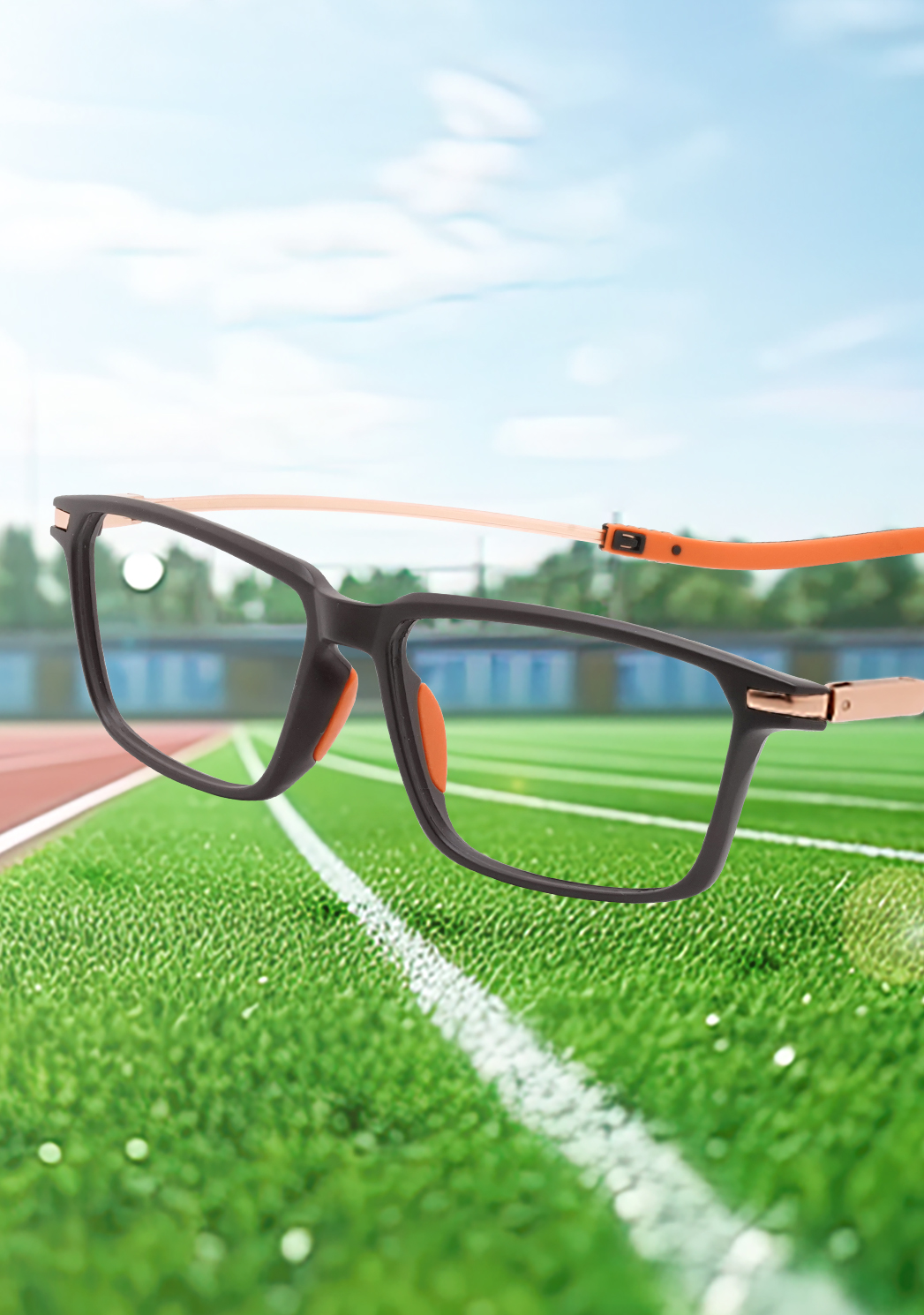
- Adjustable Nose Pads Are Key: This is the single most important feature for a chef. By adjusting the nose pads, you can lift the lenses slightly away from your face. This small gap is enough to allow heat and moisture to escape upwards, creating constant airflow that prevents condensation from forming.
- Consider a Brow Bar: Some frame styles incorporate a top bar that rests on the brow. This design naturally creates space for ventilation, serving a similar purpose to well-adjusted nose pads.
- Avoid Close-Fitting Wraparound Styles: While excellent for blocking debris, tight-fitting frames are the worst offenders for trapping moisture in a kitchen. Prioritize ventilation over a complete seal.
Understanding Anti-Fog Lens Technology
Once you’ve optimized for airflow, the lens coating acts as your second layer of defense. Anti-fog treatments are hydrophilic, meaning they attract water. Instead of allowing moisture to bead up into vision-distorting droplets, the coating absorbs the moisture and spreads it across the lens surface in an ultra-thin, transparent film.
- Factory-Applied Coatings: These are the most durable and effective option. The coating is bonded to the lens in a controlled environment during manufacturing. It's designed to last significantly longer than temporary solutions.
- Temporary Sprays and Wipes: These products apply a temporary hydrophilic layer. While they can work in a pinch, they need to be reapplied frequently (sometimes daily) and can leave a streaky residue if not applied perfectly. For the rigors of a professional kitchen, a factory coating is a more reliable investment.
Maintenance and Emergency Tactics for Kitchen Professionals
The right gear is only half the battle. How you care for your eyewear directly impacts its performance and longevity.
The Right Way to Clean Anti-Fog Lenses
Anti-fog coatings are effective but delicate. Aggressive cleaning will quickly degrade the hydrophilic layer, rendering it useless.
- Rinse First: Start by rinsing the lenses under lukewarm tap water to wash away any abrasive particles like salt, sugar, or other debris.
- Use Mild Soap: Apply a single drop of lotion-free dish soap to each lens and lather gently with your fingertips.
- Rinse Thoroughly: Rinse again with lukewarm water until all soap is gone.
- Pat, Don’t Rub: Gently pat the lenses dry with a clean, dedicated microfiber lens cloth. Rubbing can cause scratches and wear down the coating. Never use an apron, paper towel, or dish rag, as these materials are abrasive and can permanently damage your lenses.

Emergency Defogging: The Dish Soap Trick
If your coating has worn off or you're caught with unexpected fogging, this tried-and-true trick used by swimmers and chefs works wonders. It creates a temporary surfactant barrier that functions like an anti-fog coating.
- Place one small drop of mild dish soap on a clean fingertip.
- Rub it in a thin, even layer across the entire dry lens surface.
- Let it sit for about a minute.
- Gently buff the lens with a clean, dry microfiber cloth until the streaks disappear. Do not rinse with water. This leaves behind an invisible film that will prevent water from beading.
FAQ: Your Kitchen Eyewear Questions Answered
Q: Are expensive anti-fog sprays better than the dish soap trick? A: Commercial sprays can be more convenient, but their effectiveness varies. Many chefs find the simple dish soap method provides a more reliable, streak-free temporary barrier in extreme steam conditions. For long-term performance, a factory-applied coating remains the best solution.
Q: Why do my glasses fog when I open an oven but my coworker's don't? A: This often comes down to frame fit and facial anatomy. Their frames likely allow for better ventilation, or the shape of their face naturally creates more space for air to circulate. It could also be due to differences in lens coatings or even metabolic rate.
Q: Can I add an anti-fog coating to my current glasses? A: While some optical labs may offer aftermarket anti-fog treatments, they are generally less durable than coatings applied during the lens manufacturing process. It's a process best done when purchasing new lenses.
Q: Is there any type of eyewear that is 100% fog-proof? A: In the extreme heat and humidity of a professional kitchen, no solution is completely foolproof. However, combining a well-ventilated frame with a high-quality factory anti-fog coating and proper maintenance will provide the most reliable, consistent, and safe visual clarity. As a final layer of safety, always ensure your lenses are impact-resistant, as required by the FDA's Drop Ball Test regulation (21 CFR 801.410), to protect your eyes from physical hazards on the line.
Disclaimer: This article is for informational purposes only and does not constitute professional medical advice. Consult with a qualified optician or eye care professional to determine the best eyewear solution for your specific needs.


