











What Is Protein Buildup on Your Contact Lenses?
This article is for informational purposes only and does not constitute professional medical advice. Always consult with a qualified eye care professional for any health concerns, before starting or stopping any treatment, or to determine what is right for you. Do not disregard professional medical advice or delay in seeking it because of something you have read here.
It’s a common story for contact lens wearers: the lenses that felt perfect in the morning start to feel gritty, blurry, or uncomfortable by the end of the day. You might blame dry eyes or long hours in front of a screen, but the culprit is often an invisible film of deposits that builds up on your lenses. This accumulation, primarily made of proteins and lipids from your own tears, is an unavoidable consequence of wearing reusable contacts. While it may start as a minor annoyance, it can lead to significant discomfort and even serious eye health complications.
This article explains what this buildup is, why it poses a risk to your comfort and vision, and how you can manage it. We will explore why single-use daily disposable lenses are considered the gold standard by many eye care professionals for completely avoiding this problem, offering a fresh, clean, and safe lens experience every single day.
TL;DR: The Problem with Reusable Lenses
- Natural Buildup: Proteins and lipids from your tears naturally stick to contact lenses, creating a film.
- Discomfort & Risk: This film can cause blurry vision, a gritty feeling, and increases the risk of eye infections.
- Cleaning is Imperfect: Even with diligent cleaning, it's difficult to completely remove all deposits from reusable lenses.
- The Daily Solution: Daily disposable lenses eliminate this issue entirely by providing a sterile, new pair every day, ensuring maximum hygiene and comfort.
What Is the Buildup on Your Contact Lenses?
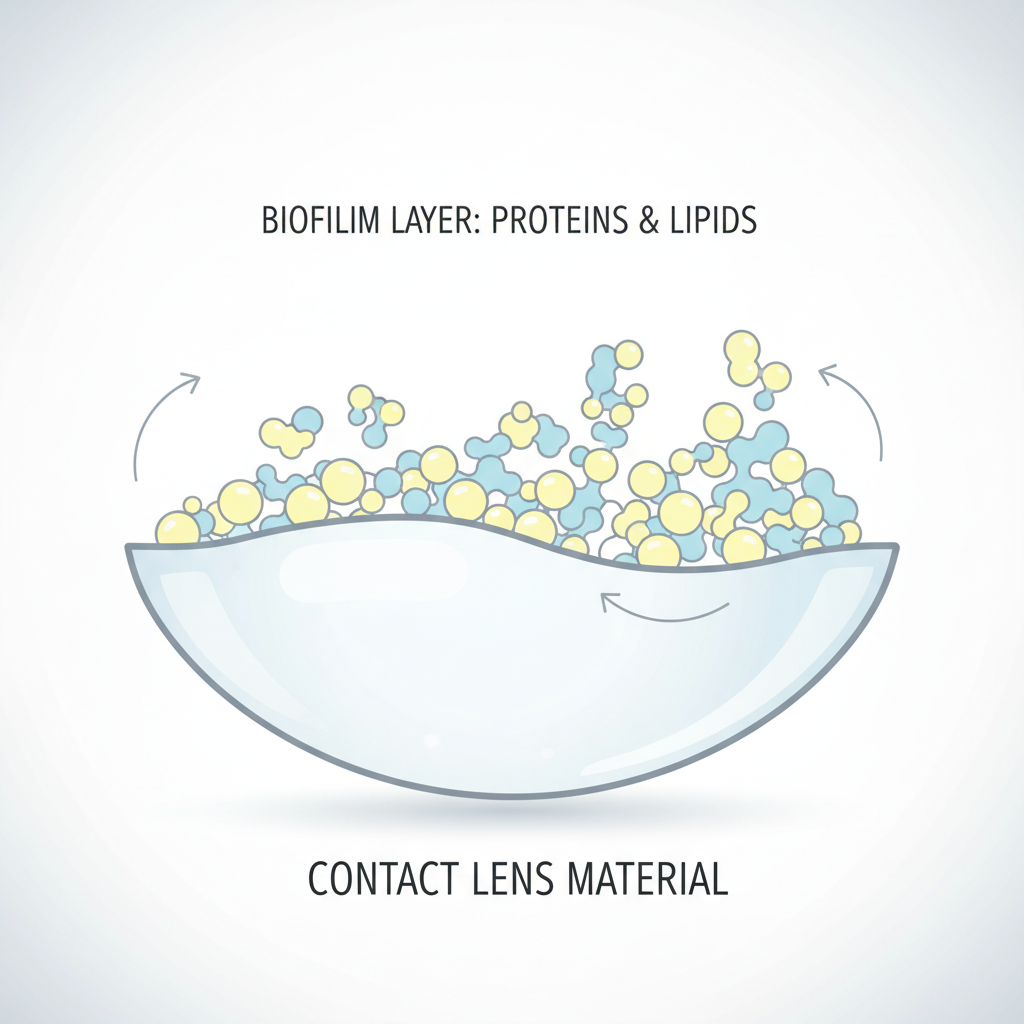
Every time you put in a contact lens, it sits in your eye’s tear film. This tear film is a complex fluid, rich with proteins, lipids (oils), and other substances that are essential for nourishing and protecting the surface of your eye. However, these same natural components are drawn to the surface of a contact lens.
This buildup consists of:
- Protein Deposits: Primarily lysozyme, an protein found in tears. These deposits often create a hazy or cloudy film over the lens.
- Lipid Deposits: Oily substances secreted by the meibomian glands in your eyelids. These can appear as greasy smears or smudges on the lens surface.
From a clinical perspective, the type of lens material can influence the type of deposit it attracts. Traditional hydrogel lenses, which have higher water content, tend to accumulate more protein deposits. In contrast, newer silicone hydrogel materials, designed for better oxygen flow, are more prone to attracting lipid deposits.
This process begins the moment you insert the lens. Over hours, days, and weeks, these layers accumulate, creating a biofilm that not only degrades your vision but also turns the lens into a potential breeding ground for harmful microorganisms.
The Discomfort and Dangers of Lens Deposits
At first, the effects of protein and lipid buildup might be subtle. You might notice your vision isn't as crisp at the end of the day, or you feel the need to blink more to "clear" your lenses. This is what I often hear from patients—a "morning blur" that takes a while to resolve or a persistent "gritty feeling" as if something is in their eye. These are the classic early warning signs that deposits are interfering with the lens's performance.
Beyond simple discomfort, this buildup poses significant health risks:
-
Increased Risk of Infection: The biofilm of deposits acts like a velcro for bacteria and fungi. According to the Centers for Disease Control and Prevention (CDC), poor contact lens hygiene that allows deposits to form is a primary risk factor for microbial keratitis—a severe infection of the cornea. Pathogens like Pseudomonas aeruginosa thrive in these conditions, and an infection can lead to corneal ulcers and, in rare cases, vision loss.
-
Chronic Inflammation and Allergies: The denatured proteins on the lens surface can trigger an inflammatory or allergic response from the conjunctiva, the delicate membrane lining your eyelid. This can lead to a condition called Giant Papillary Conjunctivitis (GPC), characterized by bumps forming under the eyelid, causing intense irritation, mucus discharge, and an inability to tolerate contact lenses.
-
Reduced Oxygen Flow: A thick layer of deposits can impede the flow of oxygen through the lens to your cornea. The cornea needs a steady supply of oxygen to stay healthy. When deprived, a state known as hypoxia, it can lead to swelling (edema) and, over the long term, the growth of new, unwanted blood vessels into the cornea (neovascularization) as it struggles to get oxygen.
The Daily Disposable Difference: A Clean Slate Every Day
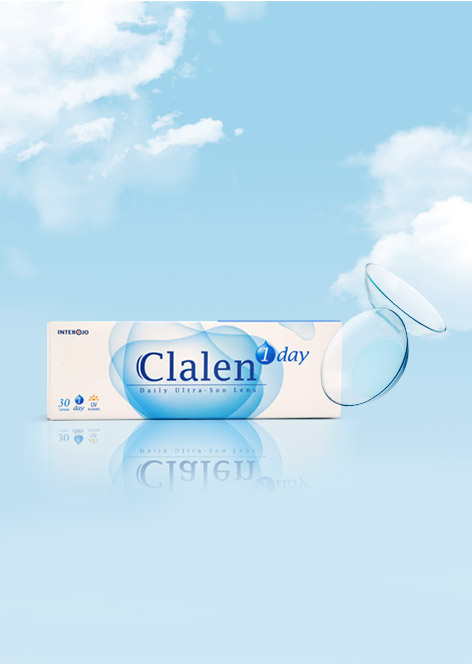
The most effective way to prevent protein buildup is to not give it time to start. This is the fundamental advantage of daily disposable contact lenses. By starting with a fresh, sterile lens every morning and discarding it at night, you completely eliminate the entire cycle of deposit accumulation and the associated risks.
This isn't just a matter of convenience; it has proven clinical benefits. A retrospective study published in Optometry and Vision Science looked at "problem patients" who experienced issues like dryness and corneal staining with reusable lenses. When these patients were refitted with daily disposables, symptoms of dryness and complications were significantly reduced. For many patients I see with recurrent deposit-related complaints, a simple two-week trial of daily disposables often resolves the issues entirely, confirming that the buildup on their old lenses was the root cause.
Myth-Busting: The Danger of Reusing Daily Lenses
A common misconception, often driven by a desire to save money, is that it's acceptable to rinse and reuse daily disposable lenses. This is extremely dangerous. Daily disposable lenses are not designed or approved for repeated use. A study that examined this practice found that 95% of reused daily disposable lenses stored in their blister packs became contaminated with bacteria. Reusing them is a fast track to a serious eye infection.
How to Manage Buildup on Reusable Lenses
If you wear reusable lenses (such as bi-weekly or monthly), a meticulous cleaning routine is not optional—it's essential for your eye health. While no cleaning method can make a used lens as pristine as a new one, following these steps can significantly reduce deposit buildup and microbial load.
Checklist for Safe Reusable Lens Care
- Wash Your Hands: Always wash your hands thoroughly with soap and water and dry them with a lint-free towel before handling your lenses.
- Rub and Rinse: This is the most critical step. After removing a lens, place it in the palm of your hand with a few drops of fresh multipurpose solution. Gently rub the lens with your fingertip for about 20 seconds. The CDC emphasizes that this mechanical rubbing is crucial to loosen and remove deposits and biofilm. Rinsing alone is not enough.
- Use Fresh Solution, Every Time: Never "top off" the old solution in your lens case. Always discard the used solution, rinse the case with fresh solution, and fill it with new solution before storing your lenses. According to the FDA, topping off solution is like adding clean water to a dirty bath; it fails to properly disinfect the lenses.
- Never Use Water: Do not use tap water, distilled water, or saliva to clean or store your lenses. The Environmental Protection Agency (EPA) warns that tap water can contain Acanthamoeba, a microorganism that causes a painful and difficult-to-treat infection that can lead to blindness.
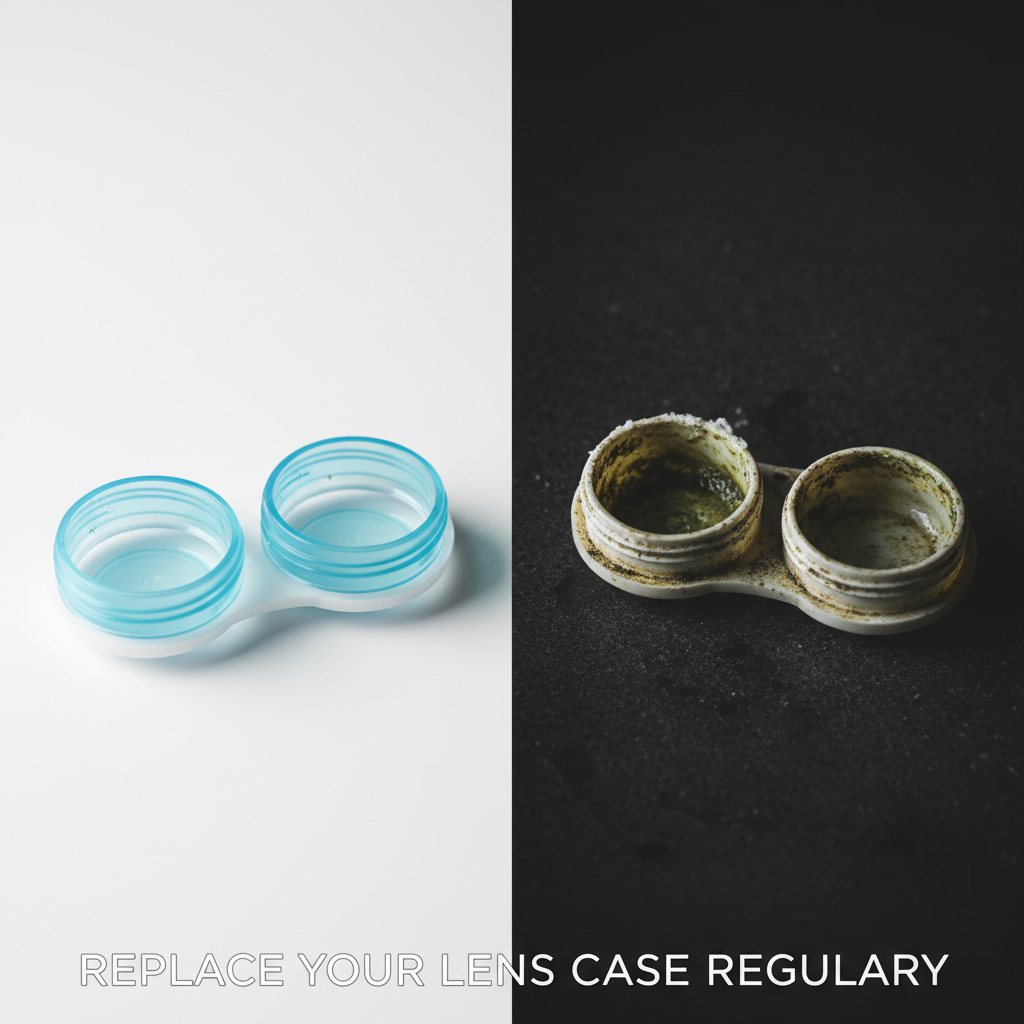
- Replace Your Case: Discard your contact lens case and get a new one at least once every one to three months. Even with cleaning, cases can become heavily contaminated with biofilm over time.
- Consider Peroxide Systems: For users with heavy deposit buildup or sensitivities to preservatives in multipurpose solutions, a hydrogen peroxide-based cleaning system can be more effective. These systems require a special case with a neutralizing disc and lenses must be soaked for a minimum of six hours to avoid a chemical burn to the eye.
Frequently Asked Questions (FAQ)
Why do my contacts get blurry after a few hours?
This is a classic sign of protein and lipid deposits accumulating on the lens surface. The film disrupts the smooth optical surface of the lens, scattering light and causing hazy or blurry vision. It's a signal that your lenses are no longer clean.
Can I just clean the protein buildup off my lenses?
While a proper "rub and rinse" technique helps remove a significant portion of daily deposits, it becomes progressively harder to remove older, more stubborn buildup. Once proteins have denatured and strongly adhered to the lens, they are very difficult to remove completely. Prevention—through diligent daily cleaning or, ideally, using daily disposables—is a much more effective strategy.
Is sleeping in my contact lenses really that bad?
Yes. It is one of the highest-risk behaviors for contact lens wearers. A landmark study found that wearing lenses overnight increases the risk of ulcerative keratitis by over 8 times compared to daily wear. Sleeping in lenses dramatically reduces oxygen to the cornea and gives bacteria a warm, stagnant environment to multiply, significantly raising the risk of severe infection.
Are daily disposables worth the extra cost?
While the upfront cost of daily disposables may seem higher, it's important to consider the total value. You eliminate the need to buy cleaning solutions and lens cases. More importantly, you are investing in your eye health and comfort, significantly reducing your risk of costly and painful complications. Research from the CDC has shown that lens-related eye infections cost the U.S. an estimated $175 million a year in healthcare expenses; using daily disposables is a key strategy in preventing these costs.
Wrapping Up: Prioritize Your Eye Health
Protein and lipid buildup on contact lenses is more than just an inconvenience; it's a health risk that can compromise your comfort and vision. While rigorous cleaning can help manage the problem in reusable lenses, it cannot eliminate it.
The clearest, safest, and most comfortable way to wear contact lenses is to start fresh every day. Daily disposable lenses completely bypass the issue of deposit accumulation, ensuring your eyes receive a clean, sterile, and highly breathable lens every single time. If you experience end-of-day discomfort, blurriness, or recurring irritation with your current lenses, switching to daily disposables could be the single best change you make for your long-term eye health.
References
- Centers for Disease Control and Prevention (CDC). (n.d.). Causes of Contact Lens-Related Eye Infections. https://www.cdc.gov/contact-lenses/causes/index.html
- Chalmers, R. L., et al. (2014). Refitting "Problem" Patients With Daily Disposable Lenses. Optometry and Vision Science, 91(4), 376-382. https://pubmed.ncbi.nlm.nih.gov/24709223/
- Hume, E., et al. (2011). Contamination risk of reusing daily disposable contact lenses. Contact Lens and Anterior Eye, 34(5), 219-222. https://pubmed.ncbi.nlm.nih.gov/22041587/
- U.S. Food and Drug Administration (FDA). (n.d.). Contact Lens Risks. https://www.fda.gov/medical-devices/contact-lenses/contact-lens-risks
- U.S. Environmental Protection Agency (EPA). (n.d.). The Danger of Using Tap Water with Contact Lenses. https://www.epa.gov/sdwa/danger-using-tap-water-contact-lenses
- Schein, O. D., et al. (1993). The relative risk of ulcerative keratitis among users of daily-wear and extended-wear soft contact lenses. New England Journal of Medicine, 321(12), 773-778. https://pubmed.ncbi.nlm.nih.gov/8311770/
- Centers for Disease Control and Prevention (CDC). (n.d.). Healthy Contact Lens Wear and Care. https://www.cdc.gov/contact-lenses/about/index.html


